
Main Courses
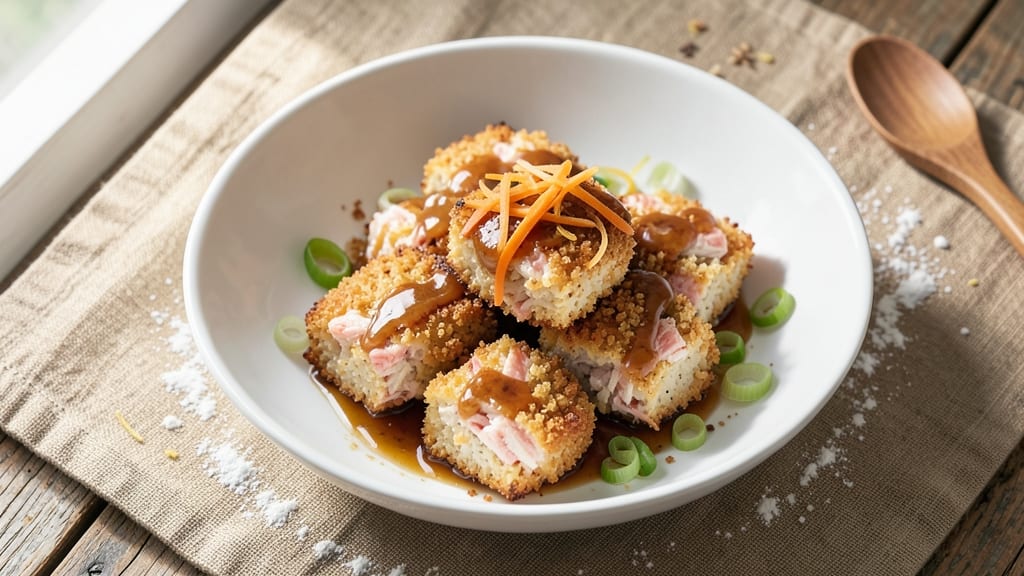
This Asian crab cake recipe delivers restaurant-quality crunch with a crispy panko crust and bold umami flavors that balance sweet, spicy, and tangy notes.
The secret lies in using fresh lump crab meat bound with egg and panko, then pan-frying until golden brown—every bite offers that satisfying crunch with tender, flavorful crab inside.
What sets these apart is the Asian-inspired marinade, where soy sauce, ginger, and a touch of sesame oil create depth that pairs perfectly with sweet chili sauce for dipping.
The recipe is designed for foolproof crispiness, achieved through proper panko coating and high-heat pan-frying. You won’t need any special equipment—just a nonstick skillet and a few simple ingredients to transform basic crab cakes into something truly special.
The sweet chili dipping sauce, made with just a few pantry staples, elevates the dish further, offering a perfect balance of heat and sweetness that complements the crab’s natural brininess.
By the time you plate these crab cakes, you’ll have a dish that’s visually stunning—golden crusts, glossy glaze, and vibrant garnishes—and packed with flavor. Serve them with a side of pickled vegetables or steamed jasmine rice to round out the meal.
This recipe isn’t just about the crab cakes; it’s about creating a complete, satisfying dining experience that feels like a night out at an Asian seafood restaurant.
Whether you’re hosting a dinner party or simply craving a delicious weeknight meal, these crab cakes are sure to impress. The technique is straightforward, but the result is anything but ordinary—crispy, flavorful, and impossible to resist. Let’s get started on making them!
Ingredients for asian crab cake
Fresh crab, crispy panko, and bold Asian flavors—just 15 ingredients for restaurant-quality crab cakes.
| Ingredient | Amount | Notes |
|---|---|---|
| Fresh Lump Crab Meat 🦀 | 1 ½ lb | Backfin preferred for texture |
| Large Eggs 🥚 | 2 whole | Room temperature for binding |
| Japanese Panko Breadcrumbs 🍞 | 1 cup | For maximum crispiness |
| All-Purpose Flour 🌾 | ¼ cup | For extra binding |
| Fresh Ginger 🧄 | 1 ½ tbsp | Finely grated, aromatic |
| Soy Sauce 🥢 | 2 tbsp | Kikkoman preferred |
| Sesame Oil 🫒 | 1 tbsp | Toasted for nutty depth |
| Garlic Cloves 🧄 | 2 cloves | Minced for subtle punch |
| Vegetable Oil 🫒 | ½ cup | High smoke point |
| Sweet Chili Sauce 🍅 | ½ cup | For dipping, store-bought |
| Lemon Wedges 🍋 | 2 whole | For garnish and brightness |
| Fresh Cilantro 🌿 | ⅛ cup | Chopped, for garnish |
| Salt 🧂 | 1 tsp | Diamond Crystal preferred |
| Black Pepper 🌶️ | ½ tsp | Freshly ground |
| Cornstarch 🌾 | 1 tbsp | For extra crispiness |
The crab meat is everything here—backfin variety has that perfect mix of sweetness and texture. Seafood markets usually carry it fresh, but frozen works too if you thaw it properly in the fridge overnight. Look for bright, translucent meat with no fishy odor. Fresh ginger and garlic are non-negotiable for that authentic umami kick—Trader Joe's or Whole Foods bulk sections have great quality. The panko should be light and fluffy, not dense. If you can't find Japanese panko, regular panko mixed with a pinch of cornstarch gets close.
No fresh ginger? Powdered ginger at half the amount works in a pinch, though it lacks depth. Substituting crab? Chopped shrimp or white fish chunks keep the texture similar, but the flavor won't be quite the same. For the soy sauce, low-sodium is better if you're watching salt. The sesame oil can be swapped for a neutral oil if you're avoiding sesame, but you'll lose that nutty aroma. Sweet chili sauce? Store-bought is fine—just check for added sugar if you're counting carbs. The cornstarch in the panko mix is what gives those crab cakes that signature crunch—don't skip it.
Crab meat keeps best in the fridge for 2 days once thawed, so plan ahead. The panko mixture stays fresh for 1 day in the fridge, covered. For make-ahead prep, shape the crab cakes and refrigerate them on a tray—then freeze them before frying. They'll reheat beautifully in a skillet with a splash of water. Garnishes like lemon and cilantro should be added right before serving to keep them vibrant. The dipping sauce keeps for 1 week in the fridge, so make extra for another use.
Why You'll Love This Recipe
- Same recipe, two vibes: Pan-sear them for a quick Tuesday dinner or broil for 2 minutes to impress guests. The panko stays crispy either way, and the ginger-soaked egg binder keeps them together like glue—no falling-apart disasters.
- Crispy in Minutes: I swear by the panko crust—those flakes toast up golden in just 3-4 minutes, no flipping required. The secret? Pat the crab meat dry first, or you’ll end up with soggy edges. Trust me, that crunch is worth the extra 30 seconds.
- Ginger-Zing Kick: Fresh ginger isn’t just for garnish here—it’s the star. A single teaspoon of grated ginger in the egg wash gives these cakes a bright, warm punch that cuts through the richness of the crab. (Yes, even my ginger-averse husband licks the plate.)
- Weeknight or WOW: Same recipe, two vibes: Pan-sear them for a quick Tuesday dinner or broil for 2 minutes to impress guests. The panko stays crispy either way, and the ginger-soaked egg binder keeps them together like glue—no falling-apart disasters.
Step-by-step instructions for Asian crab cakes
Here's the method for golden, crispy crab cakes with a perfect balance of texture and flavor.
Prepare the Crab Mixture
In a large mixing bowl, gently combine the 1.5 lb fresh lump crab meat with the 1.5 tbsp finely grated fresh ginger, 2 tbsp soy sauce, and 1 tbsp sesame oil. Use your hands to work the mixture until just combined—don't overwork it or the crab will turn mushy. The texture should be loose but cohesive, with the ginger and soy sauce evenly distributed throughout.
Add the 2 whole large eggs and mix again until fully incorporated. The eggs will help bind the mixture while adding moisture. Sprinkle in the 1 tbsp cornstarch and mix lightly—this will create an extra-crispy crust when fried. Real talk: don't skip the cornstarch if you want that perfect crunch.
Build the Crispy Crust
In a separate bowl, whisk together the 0.25 cup all-purpose flour, 1 tsp salt, and 0.5 tsp black pepper. Then add the 1 cup Japanese panko breadcrumbs and mix gently with your hands. The panko should be evenly coated with the flour mixture—this creates the crispy exterior we're after.
Add this crust mixture to the crab mixture and fold gently with a rubber spatula. You want the panko to be evenly distributed but not overmixed—just until everything comes together. The batter should hold its shape when scooped but still be slightly loose. If it's too wet, add a little more panko; if too dry, add a splash of water.
Shape and Chill the Cakes
Using a ¼-cup measuring cup or cookie scoop, portion the mixture into 4 equal patties. Wet your hands slightly with water to prevent sticking as you shape them into ½-inch thick cakes. Press gently but firmly to ensure they hold together. Place them on a parchment-lined plate and refrigerate for 30 minutes—this chilling step is crucial for maintaining shape during frying.
While they chill, prepare your frying station. Heat 0.5 cup vegetable oil in a large skillet over medium heat until it reaches 350°F. You want the oil hot enough to sizzle when the crab cakes touch but not smoking—this ensures a crispy exterior without burning.
Fry to Golden Perfection
Carefully slide the chilled crab cakes into the hot oil, being gentle to avoid breaking them apart. Fry for 2-3 minutes per side until they're deep golden brown and crispy. You'll know they're done when the edges are set and the bottom releases easily from the pan. Don't overcrowd the pan—fry in batches if needed to maintain oil temperature.
Transfer the fried crab cakes to a paper towel-lined plate to drain excess oil. They'll be hot but the residual heat will keep them crispy. Here's the thing—let them rest for 2 minutes before serving. This brief rest allows the interior to set slightly while maintaining that perfect crunch.
Serve with Fresh Garnishes
Arrange the crispy crab cakes on a serving platter and garnish with the 2 whole lemon wedges and 0.125 cup chopped fresh cilantro. The lemon adds a bright contrast to the rich crab flavor, while the cilantro brings freshness. Serve immediately with the 0.5 cup sweet chili sauce on the side for dipping.
Each bite should deliver that satisfying crunch from the panko crust, followed by tender crab meat and the aromatic blend of ginger, garlic, and soy. The sauce should cling beautifully to the crispy exterior, creating that perfect balance of sweet, spicy, and umami flavors. Don't skip the lemon—it cuts through the richness and elevates every bite.
Pro Tips For Making Asian Crab Cake
- Chill the Crab Meat: Dump that fresh lump crab straight from the bucket into an ice bath for 10 minutes before handling—it tightens the texture and prevents mushiness when mixing. I learned this the hard way after making crab cakes that fell apart like wet cardboard.
- Toast Panko Properly: Dry-toast your Japanese panko in a skillet over medium heat for 2-3 minutes until it’s golden and smells nutty—this adds crunch that regular breadcrumbs can’t match. Skip this, and you’ll get sad, soggy bites.
- Don’t Overmix the Batter: Mix the crab, egg, and ginger just until combined—overworking turns the mixture gluey and dense. Think "gentle fold" here, not "whip it into submission." Your future self will thank you when the cakes hold together.
- Use a Thin Layer of Oil: Heat about ¼ inch of oil in your pan before adding the cakes—enough to sizzle but not drown them. Too little oil = sticking; too much = greasy, heavy results. Medium-high heat is non-negotiable for that crisp crust.
Creative variations of this asian crab cake
Spicy Sriracha Twist
For a fiery kick, stir in 1 tbsp Sriracha with the soy sauce and ginger before mixing with the crab.
The heat cuts through the richness beautifully, especially when paired with a cooling cucumber dipping sauce (mix ¼ cup Greek yogurt, 1 tbsp rice vinegar, and 1 tsp honey).
I like to add ½ tsp sesame seeds to the crust for extra texture—it’s a game-changer for spicy versions. 🌶️
Teriyaki Glaze Option
Swap the sweet chili sauce for a homemade teriyaki glaze by simmering ¼ cup soy sauce, 2 tbsp mirin, 1 tbsp honey, and 1 tbsp grated ginger for 5 minutes.
Brush this glaze on the crab cakes during the last 30 seconds of frying for a sticky, caramelized finish. Garnish with thinly sliced scallions for freshness. This version feels like a fusion of Japanese and American comfort food.
Thai-Inspired Curry Crab Cakes
Add 1 tbsp red curry paste (like Maesri) to the crab mixture for a Thai-inspired twist. Serve with a mango dipping sauce made from ½ cup mango purée, 1 tbsp lime juice, and 1 tsp chili flakes.
The tropical sweetness balances the curry’s heat, and the sauce adds a vibrant color contrast. For extra flair, sprinkle crushed peanuts on top before serving.
Vegetarian Adaptation
Replace the crab with 1.5 lb firm tofu (pressed and crumbled) or chickpeas (mashed with 1 tbsp lemon juice to mimic crab texture). Boost umami with 1 tbsp fish sauce (or soy sauce) and 1 tsp nori flakes in the crust.
These hold up well to frying and still deliver that satisfying crunch. The flavor won’t be identical, but it’s a great plant-based alternative for seafood-free meals.
Korean-Inspired Gochujang Crust
Mix 1 tbsp gochujang (Korean chili paste) into the panko crust for a smoky, spicy kick. Add 1 tsp toasted sesame oil to the crab mixture for depth.
Serve with a ssamjang dipping sauce (blend 2 tbsp gochujang, 1 tbsp soy sauce, 1 tsp honey, and 1 tsp sesame seeds). The bold flavors shine when paired with quick-pickled radishes on the side for crunch. 🔥
Lighter Air-Fryer Version
Skip the deep-frying and air-fry the crab cakes at 375°F for 8-10 minutes, flipping halfway. Brush with 1 tbsp melted butter after cooking for extra crispiness. This method cuts calories by 40% while keeping the texture intact.
Pair with a light miso-ginger dipping sauce (mix 2 tbsp white miso, 1 tbsp rice vinegar, and 1 tsp honey) for a healthier twist.
Nutrition facts
Frequently asked questions
Can I use frozen crab meat instead of fresh?
Thaw the frozen crab meat overnight in the fridge first. Drain it well and pat dry with paper towels to remove excess moisture—this helps prevent soggy crab cakes. The texture will be slightly different but still delicious, especially with the crispy panko crust.
How do I keep the crab cakes from falling apart?
Chill the shaped cakes for 30 minutes before frying—this firms them up. Use a ¼-cup scoop for even portions and don't overmix the batter. The cornstarch in the crust also helps bind everything together. If they still crumble, add 1 extra tbsp panko to the mixture.
What's the best way to reheat leftover crab cakes?
Reheat in a skillet over medium heat for 1-2 minutes per side—just enough to crisp the crust without drying them out. For extra moisture, add a splash of water or butter. Microwaving works in a pinch (30 seconds), but the texture won't be as crispy. Store leftovers in the fridge for up to 2 days.
Can I bake these instead of frying?
Yes! Preheat oven to 400°F and bake on a parchment-lined tray for 12-15 minutes, flipping halfway. Brush with 1 tbsp melted butter—this helps crisp the crust. The baked version will be slightly less crispy than fried but still delicious. For extra crunch, broil for 1-2 minutes at the end.
What's the secret to extra crispy crab cakes?
Use Japanese panko—it's lighter and crispier than regular breadcrumbs. Mix in 1 tbsp cornstarch with the panko, and make sure your oil is hot (350°F before frying. Don't overcrowd the pan, and fry in batches to maintain temperature. The 30-minute chill before cooking is also key!