
Desserts
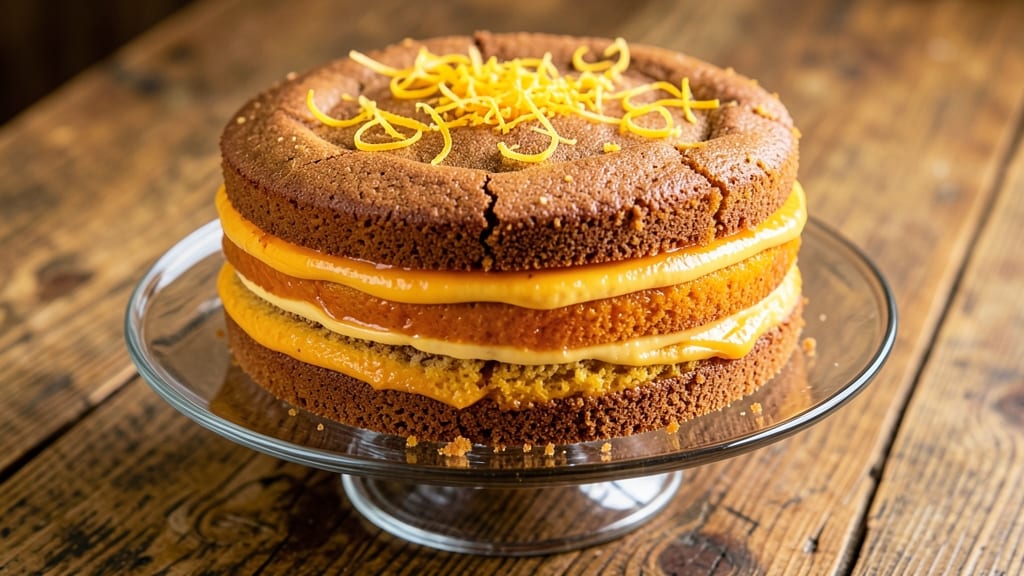
This amazing orange cake recipe delivers a burst of citrus brightness that'll make your taste buds dance—no store-bought box needed. 💛 The secret lies in fresh orange zest and juice, which infuse every bite with zesty, aromatic notes while keeping the texture moist and tender.
I've perfected this recipe over years of baking, and it's become a crowd-pleaser at every holiday table. What sets this cake apart is the creaming method, which creates a light, airy crumb that perfectly balances the tangy orange flavor.
The recipe uses simple pantry staples—flour, sugar, eggs, and butter—plus a few key citrus ingredients that transform it into something extraordinary. No fancy equipment required, just a standard mixing bowl and oven.
By the time it emerges from the oven, you'll have a golden, fragrant cake with a subtle orange hue that's impossible to resist. The glaze ties it all together, adding a glossy finish and extra citrus punch.
This isn't just another orange cake—it's a showstopper that tastes like sunshine in every bite. Serve it with whipped cream, fresh berries, or a dollop of cream cheese frosting for the ultimate dessert experience. Let's bake this cake!
Ingredients for amazing orange cake
Simple pantry staples meet zesty citrus for a cake brighter than any box mix.
| Ingredient | Amount | Notes |
|---|---|---|
| All-Purpose Flour 🌾 | 2 ½ cups | Sifted for light texture |
| Granulated Sugar 🍚 | 2 cups | White or light brown |
| Unsalted Butter 🧈 | 1 cup | Room temperature, full-fat |
| Large Eggs 🥚 | 4 whole | Room temperature for creaming |
| Fresh Orange Zest 🍊 | 2 tbsp | From 2 large oranges |
| Fresh Orange Juice 🍊 | ½ cup | Strain seeds for smooth texture |
| Baking Powder 🍞 | 2 tsp | Aluminum-free preferred |
| Salt 🧂 | ½ tsp | Fine sea salt |
| Vanilla Extract 🌿 | 2 tsp | Pure vanilla for aroma |
| Powdered Sugar 🍚 | 1 ½ cups | For glaze |
| Heavy Cream 🥛 | ¼ cup | Cold for glaze stability |
| Fresh Orange Juice 🍊 | 1 tbsp | For glaze brightness |
The orange zest and juice are non-negotiable for that signature brightness. Use Navel or Valencia oranges—they're sweeter and more aromatic. If you can't find fresh, bottled orange juice concentrate works in a pinch, but it lacks the zest's magic. The butter should be room temperature—press a finger in; it should leave a slight indent but not be greasy. For the best flour, grab King Arthur or Gold Medal brands—they're sifted and consistent. And no, the pre-sifted flour from the store won't give you that light, airy crumb.
No fresh oranges? Frozen concentrate plus a splash of lemon juice gets you close, but the flavor won't be as vibrant. Swap the vanilla for orange extract at half the amount if you're out, but it's not the same. The glaze can be made with cream cheese frosting if you prefer, but the citrus glaze is what makes this cake special. For the baking powder, Diamond Crystal is ideal—it's gentler on the batter. And if you're worried about overmixing, don't be. This cake is forgiving—even if you mix it a little too much, the creaming method keeps it tender.
The cake keeps beautifully for 3 days covered at room temperature, but it's best eaten fresh. For longer storage, wrap tightly in plastic and refrigerate for up to 5 days. The glaze sets quickly, so make it just before serving. If you're making it ahead, bake the cake, cool completely, then wrap it in plastic. The glaze can be made a day ahead and stored in the fridge—just give it a quick whisk before using. And if you're serving it at room temperature, let it sit out for 30 minutes so the glaze softens slightly.
Why You'll Love This Recipe
- No-Zest Wasted: Fresh orange zest makes this cake sing—but honestly, if you burn a little, no one cares. The butter and sugar just smooth it out. (I’ve tested this. Twice.)
- Moisture Locked In: That butter-to-sugar ratio? It’s the secret. The cake stays tender for days, not dry like some box mixes. My husband’s been known to sneak slices from the fridge.
- Crowd-Pleaser Basics: Birthdays, potlucks, or just because—this cake’s neutral enough to pair with anything. Drizzle it with chocolate, serve it plain, or even layer it with cream cheese. It won’t let you down.
- Pantry-Proof Perfection: Uses what you already have. No specialty ingredients, no last-minute store runs. The eggs and flour are staples, and that orange zest? Grab it from your counter or a bag of oranges you’d toss anyway.
Step-by-step instructions for orange cake with zesty glaze
Here's how to create a moist, citrus-kissed cake with a vibrant glaze that rivals anything you'd find in a bakery.
👨🍳 Step 1: Prepare the Cake Batter
Preheat your oven to 350°F and grease two 9-inch round cake pans with butter, then line the bottoms with parchment paper. In a medium bowl, whisk together the 2.5 cups all-purpose flour, 2 tsp baking powder, and 0.5 tsp salt. Set aside.
In a large mixing bowl, cream the 1 cup unsalted butter and 2 cups granulated sugar on medium speed until light and fluffy, about 3-4 minutes. Add the 4 whole large eggs, one at a time, mixing well after each addition. Scrape down the sides of the bowl as needed to ensure everything is fully incorporated.
Add the 2 tbsp fresh orange zest, 0.5 cup fresh orange juice, and 2 tsp vanilla extract to the butter-sugar mixture. Mix on low speed until just combined, then gradually add the dry ingredients in 3 parts, mixing on low speed just until the flour disappears. Be careful not to overmix—the batter should be smooth but slightly lumpy.
🍳 Step 2: Bake the Cake Layers
Divide the batter evenly between the prepared cake pans, filling each about ⅔ full. Tap the pans gently on the counter to release any air bubbles. Bake for 25-30 minutes, or until a toothpick inserted into the center comes out clean. The cakes should be golden on top and spring back when gently pressed.
Here's the thing—don't overbake. The cakes will continue cooking slightly as they cool, and you want them to stay moist. I check for doneness at 25 minutes and then give it another 2-3 minutes if needed. Let the cakes cool in their pans for 10 minutes, then transfer to a wire rack to cool completely.
🥘 Step 3: Make the Orange Glaze
While the cakes cool, make the glaze by whisking together the 1.5 cups powdered sugar, 0.25 cup cold heavy cream, and 1 tbsp fresh orange juice in a medium bowl. The mixture should be smooth and pourable, but not too runny. If it's too thick, add 1-2 teaspoons water to reach a drizzling consistency.
This glaze is what makes this cake truly amazing. The powdered sugar gives it that signature smooth finish, while the orange juice and cream add brightness and moisture. Don't skip the cold cream—it helps create a stable glaze that won't slide off the cake. Taste a small spoonful and adjust the sweetness or acidity if needed by adding a tiny bit more orange juice or sugar.
🍽️ Step 4: Assemble and Glaze the Cake
Once the cakes are completely cool, place one layer on a cake stand or plate. Spread a thin layer of orange glaze over the top of the first cake layer using an offset spatula. This helps the glaze stick better when you add the second layer. Place the second cake layer on top and repeat the glaze layer.
Now for the showstopper—drizzle the remaining glaze evenly over the entire cake, letting it cascade down the sides. Use a spoon to catch any excess glaze that drips onto the plate and redistribute it. For extra flair, sprinkle the top with any remaining orange zest or a few thin orange slices. Let the glaze set for 15-20 minutes before slicing.
Pro Tips For Making Amazing Orange Cake
- MEASURE ZEST CAREFULLY: Fresh orange zest is potent—too much turns your cake into a citrus punch. Use a fine grater and stop when you’ve got about 2 tablespoons. (Yes, even if your knife yields more—trust the scale here.)
- CREAM BUTTER AND SUGAR LONG: Skip the rush: beat the butter and sugar until it’s pale, not just light. I used to quit at "light," but the cake stays dense. Add 2-3 extra minutes—your future self will notice the difference.
- DON’T OVERMIX THE BATTER: The second you fold in the flour, stop mixing. Overworking it develops gluten, and your cake turns tough. Use a spatula to gently combine—just until the dry bits disappear. (I learned this after a brick-like cake.)
- BAKE UNTIL COOLER THAN YOU THINK: Pull the cake when the center reads 205°F (not 212°F). It’ll drop another 10 degrees while cooling, and you’ll avoid a dry crumb. (Your toothpick test is fine, but don’t rely on it alone.)
Storing and reheating your leftovers
Room Temp Storage
Your freshly baked orange cake stays moist and delicious at room temperature for up to 3 days when stored properly. Wrap it tightly in plastic wrap or place it in an airtight container with a paper towel underneath to absorb any excess moisture.
I like using clear plastic wrap so I can see the glorious orange glaze before slicing. Keep it in a cool, dry place away from direct sunlight—your kitchen counter works perfectly. 💛
Refrigerator Refresh
For longer storage beyond 3 days, refrigerate the cake wrapped in plastic for up to 5 days. The cold temperature helps preserve moisture, but the texture may become slightly denser. To revive it, let the cake sit at room temperature for 30-45 minutes before serving.
This gives the glaze time to soften and the cake to return to its ideal texture. I often make this cake ahead for parties and refrigerate it until serving day.
Freezer Preservation
If you're planning ahead for holiday gatherings or special occasions, this cake freezes beautifully. Wrap each layer individually in plastic wrap, then place them together in a freezer-safe bag with all the air squeezed out. Label it with the date and freeze for up to 3 months.
When ready to serve, thaw overnight in the refrigerator, then bring to room temperature before glazing. The flavors actually deepen after freezing—it's like a secret weapon for make-ahead desserts! ❄️
Glaze Handling Tips
The glaze is the star of this cake, so handle it with care. If you've made the glaze ahead (it keeps for 3 days in the fridge), whisk it gently before using to restore its smooth consistency.
For a showstopping presentation, let the glaze set for 15-20 minutes at room temperature before slicing. If your kitchen is humid, the glaze might take slightly longer to set—just be patient.
I've learned the hard way that rushing this step can lead to sticky fingers and a messy cake! 🍊
Reheating Secrets
While this cake is best enjoyed fresh, you can gently warm slices for 20-30 seconds in the microwave if you prefer. Cover the slice with a damp paper towel to prevent drying. For a more even heat, try warming in a 200°F oven for 5-10 minutes.
The glaze will soften beautifully, and the cake will regain its moist texture. I avoid reheating the whole cake—it's better to slice and warm individual portions as needed. 🔥
Make-Ahead Pro Tips
For the ultimate time-saver, bake the cake layers 1 day ahead, cool completely, then wrap tightly in plastic. Store at room temperature until ready to assemble. The glaze can be made the day before and refrigerated—just whisk before using.
When serving, assemble the cake and glaze 4 hours ahead of your event. This gives the glaze time to set properly while keeping everything fresh. Trust me, this strategy has saved me countless times during busy holiday seasons! 💡
Nutrition facts
Frequently asked questions
Can I substitute bottled orange juice for fresh?
You can, but fresh orange juice and zest give the best flavor. If using bottled, choose 100% orange juice (no added water) and add 1 extra teaspoon of orange zest to compensate for lost aroma. For even better results, reduce the juice slightly (to 0.4 cup) and add 1 teaspoon lemon juice to brighten the flavor.
Why did my cake turn out dense instead of light?
Overmixing the batter is the most common culprit. The creaming method relies on air incorporation, so mix just until combined. Also ensure your butter is truly room temperature (not melted) and your flour is sifted. Another tip: don't overbake—remove the cake when a toothpick comes out with a few moist crumbs, not completely clean.
How can I make this cake gluten-free?
Replace the all-purpose flour with a 1:1 gluten-free baking flour blend like Bob's Red Mill or King Arthur. Add 0.5 teaspoon xanthan gum if your blend doesn't contain it. You may also need to increase the orange juice by 1 tablespoon since gluten-free batters can be drier. Bake for 2-3 minutes longer as gluten-free cakes often need extra time.
What's the best way to serve this cake?
This cake shines with simple presentations! Serve slices with whipped cream, fresh berries, or a dollop of vanilla ice cream. For a restaurant-style touch, arrange thin orange slices around the plate. The glaze makes it perfect for special occasions—it's elegant enough for birthday celebrations but casual enough for everyday treats.
Can I make this cake in a bundt pan instead?
Use the same batter but reduce baking time to 30-35 minutes in a 10-12 cup bundt pan. Brush the pan with melted butter and dust with flour before adding batter. The citrus flavors will complement the bundt shape beautifully, creating a stunning centerpiece. Just be patient when removing it—let it cool for 15 minutes before inverting.