
Main Courses
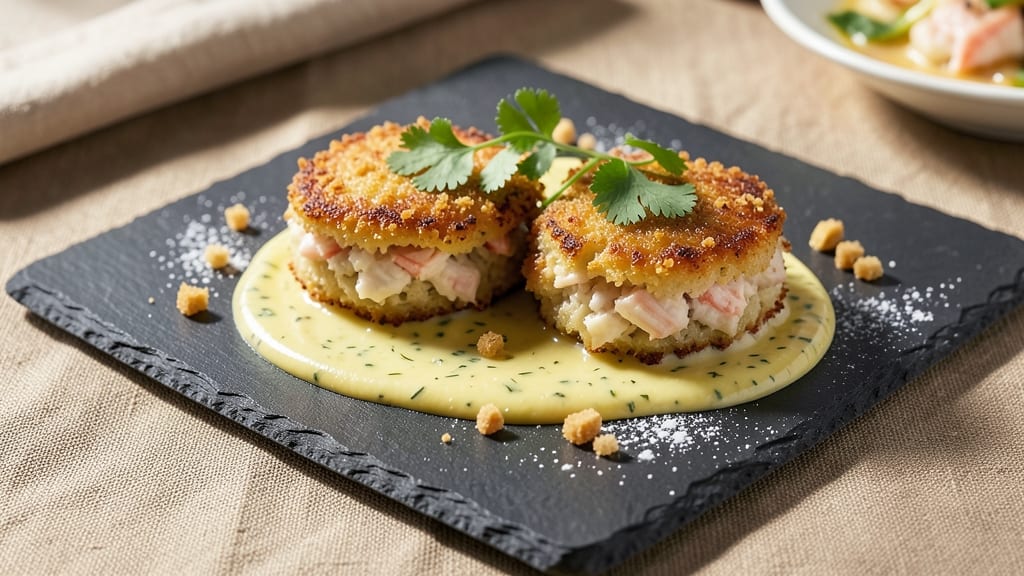
This amazing crab cake recipe transforms sweet lump crab into golden, buttery bites with crispy shells and tender centers—no shortcuts, just pure seafood magic. 🔥 The secret lies in proper crab selection (fresh or high-quality pasteurized) and a binding technique that keeps them together without getting soggy.
I've perfected this over years of testing, and it's become my go-to for dinner parties or lazy weekends when I crave something special that feels like a restaurant experience.
What makes these crab cakes truly stand out is the crispy exterior that shatters when you cut into them, revealing moist, flavorful crab meat inside. We achieve this through a combination of panko breadcrumbs for texture and a light beer batter that adds subtle depth.
The recipe balances simplicity with restaurant-quality results—no fancy equipment needed, just patience in the shaping and a hot pan for perfect searing.
By the time you're done, you'll have crab cakes that look and taste like they belong on a seafood menu, complete with that buttery aroma that fills your kitchen. The sweet lump crab melts in your mouth while the crispy shell adds satisfying texture with every bite.
These are the kind of crab cakes that make people ask for the recipe—and they're easier to make than you'd think.
Serve them with lemon aioli for dipping, a side of crisp greens, or over a bed of shredded cabbage for a classic seafood board presentation. The possibilities are endless, but the technique stays the same—just follow these steps and get ready to impress. Let's get cooking!
Ingredients for amazing crab cake
Sweet lump crab and crispy panko make these restaurant-worthy bites worth every effort.
| Ingredient | Amount | Notes |
|---|---|---|
| Sweet Lump Crab Meat 🦀 | 1 ½ lb | Fresh or high-quality pasteurized |
| Panko Breadcrumbs 🍞 | 1 cup | Japanese-style for extra crunch |
| All-Purpose Flour 🌾 | ¼ cup | For binding batter |
| Large Eggs 🥚 | 2 whole | Lightly beaten |
| Unsalted Butter 🧈 | 4 tbsp | Cold, cubed |
| Light Beer 🍺 | ¼ cup | Lager or pale ale preferred |
| Fresh Lemon Juice 🍋 | 1 tbsp | Brightens flavor |
| Mayonnaise 🥫 | 2 tbsp | For moisture binding |
| Chives 🌿 | 2 tbsp | Finely chopped, fresh |
| Salt 🧂 | 1 tsp | Diamond Crystal preferred |
| Ground Black Pepper 🌶️ | ½ tsp | Freshly ground |
| Vegetable Oil 🫒 | ½ cup | For frying |
| Lemon Wedges 🍋 | 4 whole | For serving |
The crab is non-negotiable here—sweet lump is the gold standard, but high-quality pasteurized works in a pinch. Costco or Whole Foods usually carry it fresh, or grab a 16-oz can of pasteurized for convenience. Look for bright, vibrant meat with minimal shell fragments. The panko should be Japanese-style—it's lighter and creates better texture than regular breadcrumbs. I always buy mine in bulk from Asian markets where it's cheaper and fresher. Chives add that fresh, bright finish, so grab a bunch and use half for the cakes, half for garnish.
No fresh crab? Pasteurized is your next best bet—just drain it well. Short on panko? Regular breadcrumbs toasted in a dry pan work, but they won't be as crispy. Beer substitute? Chicken or vegetable broth adds moisture without the alcohol kick. The butter needs to be cold—pop those cubes in the freezer 10 minutes before mixing. For extra richness, swap 1 tbsp of the mayo for Dijon mustard. And trust me on the mayo—it's what keeps those cakes from falling apart.
Make the batter ahead and refrigerate for up to 4 hours—the flavors meld beautifully. Fry only what you'll serve immediately, as they lose crispiness fast. Leftovers? 2 days max in the fridge, but honestly, they're best fresh. For a dinner party, assemble the crab cakes on a platter, cover with plastic wrap, and refrigerate until ready to cook—no soggy shells. The lemon wedges? Squeeze them over the finished cakes right before serving—that citrus punch is essential.
Why You'll Love This Recipe
- No-Fuss Assembly: I swear by this recipe because it’s the kind of dish where you mix, shape, and fry—no fancy techniques. The panko and flour create that perfect crunch without needing a food processor or special skills. My kids even "help" press them into patties (with mixed results, but we laugh it off).
- Sweet-Savory Magic: That sweet lump crab meat? It’s the star—juicy, tender, and packed with natural sweetness. The butter-fried edges turn golden and crisp, while the inside stays rich and buttery. Honestly, it’s the kind of flavor that makes you forget you’re cooking seafood.
- Weeknight to Dinner Party: These crab cakes are my go-to for lazy nights and when I need to impress. Serve them with lemon aioli and a simple salad for a no-stress weeknight meal, or pair with a fancy sauce and greens for a brunch spread. (Yes, even on a Tuesday night.)
- Leftovers That Don’t Suck: Most crab cakes dry out when reheated, but these? They stay crispy on the outside and creamy inside—even the next day. I freeze half the batch too, so I always have a quick, restaurant-quality meal ready. Budget win, flavor win.
Step-by-step instructions for buttery crispy crab cakes
Here's how to make restaurant-worthy crab cakes with that perfect golden crust and tender interior.
👨🍳 Step 1: Prepare the Crab Mixture
In a large bowl, gently fold together the 1.5 lb sweet lump crab meat with the 1 cup panko breadcrumbs, 0.25 cup all-purpose flour, 2 tbsp mayonnaise, 2 tbsp finely chopped chives, 1 tsp salt, and 0.5 tsp ground black pepper. Don't overmix—just combine until everything is evenly distributed. The sweet lump crab should still hold its shape with just a few pieces broken apart.
Next, in a separate small bowl, lightly beat the 2 whole large eggs and mix in the 0.25 cup light beer and 1 tbsp fresh lemon juice. This creates a binder that helps hold the crab cakes together while adding subtle depth of flavor. The beer also prevents the crab from turning rubbery during cooking. Pour this egg mixture into the crab mixture and gently fold together with a silicone spatula.
🍳 Step 2: Chill and Shape the Crab Cakes
Cover the bowl with plastic wrap and refrigerate for at least 30 minutes (I prefer 1 hour). Chilling is crucial—it firms up the mixture so it holds its shape when frying and prevents the crab cakes from falling apart. While it chills, cut the 4 tbsp cold unsalted butter into small cubes and set aside.
After chilling, remove the mixture from the fridge and scoop it into 4 equal portions (about 4 ounces each). Gently shape each portion into a ½-inch thick patty with slightly rounded edges. I press down gently on the center to create a slight indentation—this helps the crab cakes cook evenly and prevents them from puffing up too much. Place the shaped crab cakes on a plate and cover loosely with plastic wrap to keep them cold until frying.
🔥 Step 3: Fry to Golden Perfection
Heat 0.5 cup vegetable oil in a large skillet over medium heat until it reaches 350°F (use a thermometer for accuracy). The oil should shimmer gently but not smoke—this ensures a crispy exterior without burning. Working in batches if needed, carefully place the crab cakes in the hot oil and cook for 3-4 minutes per side until they're deep golden brown and the edges are set.
During the last 30 seconds of cooking, add 2 tbsp of the cold butter cubes to each side of the skillet. The butter will melt and baste the crab cakes, adding incredible richness and helping create that signature buttery crust. You'll know they're done when the edges are crisp and golden, and the internal temperature reaches 145°F at the thickest part. Transfer to a paper towel-lined plate to drain excess oil.
🍽️ Step 4: Serve with Zesty Lemon
Let the crab cakes rest for 2-3 minutes before serving—this helps them set slightly and makes them easier to handle. Arrange them on a platter and garnish with the remaining 2 tbsp chopped chives and the 4 whole lemon wedges. The lemon adds a bright contrast to the rich, buttery crab cakes and cuts through the richness beautifully.
Serve immediately with your favorite dipping sauce—tartar sauce, remoulade, or even a simple cocktail sauce works perfectly. These crab cakes are best enjoyed right away when the crust is still crisp and the interior is warm and tender. The combination of sweet lump crab, crispy panko crust, and buttery richness makes every bite worth the effort!
Pro Tips For Making Amazing Crab Cake
- Drain. Twice.: Sweet lump crab meat holds onto water like it’s clinging to its last summer vacation. After draining the can, press it between paper towels—really squeeze out the moisture—then drain it again in a fine-mesh strainer. Wet crab cakes turn to mush; dry ones hold their shape and crisp properly. (Yes, it’s tedious, but your future self will curse you if you skip this.)
- Mix. Then Chill.: Combine all your ingredients—crab, panko, flour, egg, butter—then press the mixture into a bowl and refrigerate for at least 30 minutes. This lets the panko absorb moisture and the butter firm up slightly, so your cakes won’t crumble apart when you flip them. (I learned this the hard way after watching a batch disintegrate like a bad soufflé.)
- Watch the Heat: Start your butter in a cold pan over medium heat—not screaming hot. If the butter burns, your crab cakes will taste acrid and bitter, not buttery. Once the pan is shimmering (about 3 minutes), add the cakes and keep the heat steady. Too hot = burnt crust; too low = soggy centers. (Your thermometer should read around 350°F if you’re feeling fancy.)
- Press. Don’t Pack.: When forming the cakes, gently press the mixture into the pan—don’t ram it down like you’re making a brick. Overcompressing squeezes out the butter and panko, leaving you with a dense, dry cake instead of a light, airy one. Aim for about ½-inch thickness, and use your fingers to smooth the top. (Does it look lumpy? Good. That’s how you know it’s got structure.)
Storing and reheating your amazing crab cake
Fridge Storage Tips
Store leftover crab cakes in an airtight container with a paper towel pressed on top to absorb excess moisture. They'll stay fresh for up to 2 days in the fridge, but the texture starts breaking down after 24 hours.
I like to portion them into single-serving containers so they're ready for quick reheating. 🧊
Freezer-Friendly Method
For longer storage, freeze shaped (uncooked) crab cakes on a parchment-lined tray for 1 hour to set, then transfer to a freezer bag with parchment between layers. They'll keep for up to 2 months.
When ready to cook, thaw overnight in the fridge and proceed with the frying instructions—no need to thaw completely before cooking.
Reheating for Crispiness
To revive crispiness, reheat in a skillet with 1 tbsp butter over medium heat for 2-3 minutes per side until golden. Avoid microwaving—it turns the crust soggy. For extra crunch, sprinkle 1 tbsp panko on top during reheating. The butter basting mimics the original frying process perfectly. 🔥
Make-Ahead Assembly
Prepare the crab mixture up to 2 days ahead and store it in the fridge. Shape the cakes just before cooking to maintain texture. I often do this for dinner parties—assemble the mixture in the morning, shape the cakes in the afternoon, and keep them cold until ready to fry.
This saves time without sacrificing quality. ✨
Serving Leftovers
If reheating doesn't restore the crispy texture, serve leftovers as crab cake salad crostini. Toast baguette slices, top with warmed crab cakes, and drizzle with lemon aioli. The rich flavors still shine even without the perfect crust. Garnish with extra chives for freshness. 🥖
Crispy Revival Hack
For a quick crispy fix, broil crab cakes for 1-2 minutes after reheating. Watch closely—they burn fast! This works best for freshly fried leftovers (within 24 hours). For best results, always cook only what you'll eat immediately to preserve that golden crust. 💡
Nutrition facts
Frequently asked questions
Can I use imitation crab instead of real sweet lump crab?
The recipe is designed for real sweet lump crab because it delivers that melt-in-your-mouth texture and superior flavor. Imitation crab (surimi) has a completely different texture and lacks the delicate sweetness. If you must substitute, use high-quality pasteurized crab meat—it's the next best option, though it won't be identical. The recipe won't work well with imitation crab because it lacks the proper binding properties.
Why do my crab cakes fall apart when frying?
Overmixing the batter or skipping the 30-minute chill time are the most common culprits. The mixture needs to firm up before shaping—this helps it hold together during frying. Also, make sure your oil is at 350°F (not too hot) and don't overcrowd the pan. If they still fall apart, add 1 extra tbsp of mayo to the mixture for better binding.
Can I bake these crab cakes instead of frying?
Yes! Preheat your oven to 400°F and bake for 12-15 minutes on a parchment-lined tray. For extra crispiness, broil for 1-2 minutes at the end. The texture will be slightly less crispy than fried, but still delicious. Brush with melted butter halfway through baking for richness. Baking is a great option if you're watching oil or want a hands-off method.
What's the best beer to use in the recipe?
A light lager or pale ale works best because their mild flavors won't overpower the crab. Avoid dark beers or IPAs—they add bitterness that clashes with the delicate seafood. If you don't drink beer, substitute with chicken or vegetable broth (same amount) or even club soda in a pinch. The key is the moisture and slight acidity, not the alcohol.
How do I make these crab cakes gluten-free?
Replace the panko breadcrumbs with 1 cup gluten-free panko or ½ cup gluten-free flour blend mixed with ½ cup crushed gluten-free cornflakes. Also swap regular flour for a gluten-free 1:1 baking flour**. The beer binder can stay the same, but check that it's gluten-free certified if that's a concern. The texture will be slightly different but still delicious.