
Desserts
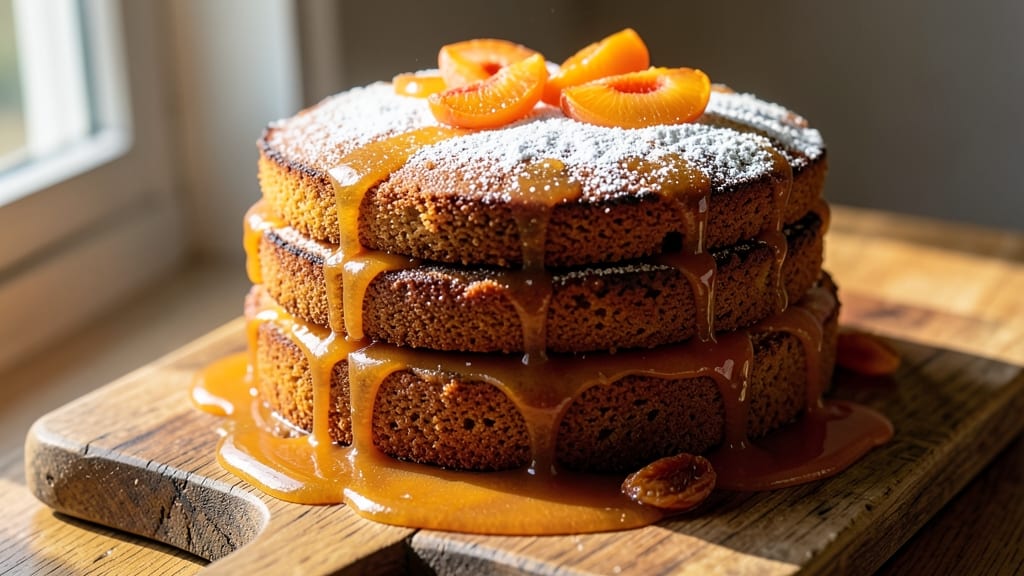
This apricot nectar pound cake delivers layers of moist, tender crumb infused with floral apricot sweetness and a subtle citrus brightness. ✨ The secret lies in folding the nectar into the batter at the last moment, preserving its vibrant flavor while ensuring every slice stays rich and velvety—not dry or crumbly.
I perfected this recipe after years of baking pound cakes that either turned out too dense or lost their fruity essence during baking.
The cake's magic comes from a precise balance of ingredients: butter for richness, eggs for structure, and apricot nectar for natural moisture and sweetness without overpowering.
Unlike traditional pound cakes that rely on heavy sugar, this version uses just enough to complement the fruit’s inherent sweetness, resulting in a dessert that’s elegant yet approachable.
The texture is what sets it apart—lightly crumbly on the outside, ultra-moist inside, with no need for frosting if you prefer it au naturel.
What makes this recipe stand out is its versatility. Serve it warm with a scoop of vanilla ice cream for a restaurant-worthy dessert, or enjoy it at room temperature with a dusting of powdered sugar and fresh berries.
The apricot nectar adds a delicate floral note that pairs beautifully with the cake’s buttery base, making it a showstopper for brunch, afternoon tea, or holiday gatherings. The best part? It bakes in one bowl with minimal effort, yet tastes like it took hours to perfect.
For those who love citrus, a hint of lemon zest in the batter enhances the apricot’s natural tartness, while a sprinkle of toasted almonds on top adds crunch. The cake keeps well for up to 5 days in an airtight container, making it ideal for meal prep or gifting.
Whether you’re baking for a special occasion or simply craving a slice of homemade goodness, this recipe delivers foolproof results every time.
Ingredients for apricot nectar pound cake
Butter, nectar, and citrus—this trio makes the cake's magic happen.
| Ingredient | Amount | Notes |
|---|---|---|
| Unsalted Butter 🧈 | 1 cup | Room temperature, full-fat for richness |
| Granulated Sugar 🍚 | 1 ½ cups | White or light brown preferred |
| Apricot Nectar 🍑 | 1 cup | Unsweetened, vibrant color |
| Large Eggs 🥚 | 4 whole | Room temperature, separated |
| All-Purpose Flour 🌾 | 2 ½ cups | Sifted, spooned not scooped |
| Baking Powder 🧂 | 2 tsp | Aluminum-free preferred |
| Salt 🧂 | ½ tsp | Fine sea salt |
| Lemon Zest 🍋 | 1 tbsp | Fresh, finely grated |
| Vanilla Extract 🌸 | 1 tsp | Pure, high-quality |
| Toasted Sliced Almonds 🌰 | ½ cup | For topping, lightly toasted |
| Powdered Sugar 🍚 | ¼ cup | For dusting, optional |
The butter is non-negotiable here. Plugrá or Land O'Lakes work perfectly, but if you've got a fancy brand like European-style unsalted, go for it. Room temperature is key—press it gently to check. Apricot nectar? Mott's is the gold standard, but any unsweetened version in the produce aisle will do. The lemon zest needs to be fresh—no bottled stuff. I always grab a Meyer lemon if I can find one, but regular lemons work too. The almonds? Toast them in a dry pan for 3-4 minutes until golden—that nutty aroma takes this cake to another level.
No apricot nectar? Mango nectar or peach nectar works in a pinch, but expect a slightly different flavor profile. Short on almonds? Toasted pecans or walnuts add a nice twist. The vanilla extract can be imitation, but pure Madagascar or Tahitian makes a world of difference. If you're watching sugar, you can reduce the granulated sugar by 2 tablespoons and add 2 tablespoons more nectar—the cake stays moist but slightly less sweet. For the flour, if you're gluten-free, use a 1:1 baking flour blend but add 1 teaspoon xanthan gum to the mix.
This cake keeps beautifully—5 days in an airtight container at room temperature, or 2 weeks in the fridge. For longer storage, wrap tightly and freeze for up to 3 months. I like to slice it thin and freeze individual portions for quick desserts. The almond topping stays crisp for about 3 days, so if you're making this ahead, toast them fresh before serving. The lemon zest loses potency over time, so if you're prepping ingredients, zest right before mixing everything together.
Why You'll Love This Recipe
- Fewer Ingredients, Same Magic: I swear by this recipe because it’s built on just five staples—no weird substitutions or specialty items. That apricot nectar? It’s the secret weapon, turning a basic pound cake into something bright and juicy without extra fuss.
- Butter-Soft Perfection: The moment you pull this cake from the oven, you’ll know why butter matters. It’s tender, rich, and just sweet enough—no dry crumbs here. Honestly, my husband asks for seconds before I even finish slicing.
- Weekday Hero: This cake keeps beautifully for days, so I bake one on Sunday and enjoy it through the week. Toast a slice with breakfast, pack it for lunch, or serve it at a last-minute gathering—it’s always a crowd-pleaser.
- Budget-Friendly Luxury: Apricot nectar is cheap, and you’re using it in a way that feels indulgent. No fancy syrups or pricey extracts—just a can of nectar turning a simple cake into something that tastes like a bakery treat. (Yes, even on a Tuesday night.)
Step-by-step instructions for apricot nectar pound cake
Here's how to bake layers of tender perfection with that signature apricot nectar flavor.
👨🍳 Step 1: Cream Butter and Sugars to Light and Fluffy
In a stand mixer fitted with the paddle attachment, beat the 1 cup unsalted butter and 1.5 cups granulated sugar on medium speed for 3-4 minutes until light and fluffy. You'll see the mixture nearly double in volume and become pale in color—this incorporates air that makes the cake tender.
Here's the thing—I press down on the butter mixture with a spatula every now and then to make sure everything's fully combined. The butter should be smooth with no visible streaks of sugar. If it looks grainy, beat for another minute until completely creamy.
👨🍳 Step 2: Add Eggs and Apricot Nectar
Add the 4 whole large eggs, one at a time, mixing on low speed for 30 seconds after each addition. After the last egg, add the 1 cup apricot nectar, the 1 tbsp lemon zest, and the 1 tsp vanilla extract. Mix on low speed for another 1 minute until fully incorporated.
The apricot nectar gives this cake its signature flavor, so don't substitute with juice—nectar has that perfect balance of sweetness and fruit intensity. The lemon zest adds a bright citrus note that cuts through the richness. You'll notice the batter becomes slightly thinner as you mix, but that's normal and actually helps create a moist crumb.
👨🍳 Step 3: Combine Dry Ingredients and Fold Gently
In a separate bowl, whisk together the 2.5 cups all-purpose flour, 2 tsp baking powder, and 0.5 tsp salt. With the mixer on low speed, gradually add the dry ingredients to the wet mixture, mixing just until combined—you should still see some flour streaks. This prevents overmixing which makes cakes tough.
I always use a silicone spatula to fold in any remaining dry ingredients along the sides of the bowl. The batter should be thick but pourable. Don't worry if it looks slightly curdled—the apricot nectar and eggs create a unique texture that's perfect for pound cake. The key here is to mix just until combined, no more.
🥘 Step 4: Divide and Bake the Layers
Preheat your oven to 350°F and grease three 9-inch round cake pans (or line with parchment rounds). Divide the batter evenly among the pans. Sprinkle 1/3 cup toasted sliced almonds evenly over each layer—this adds crunch and beautiful texture.
Bake for 25-30 minutes or until a toothpick inserted in the center comes out clean. I check at the 20-minute mark because ovens vary—you want the edges to be golden brown but the centers still slightly jiggly. Rotate the pans halfway through for even baking. The cake should pull away from the sides easily when done.
⏰ Step 5: Cool and Assemble with Powdered Sugar
Let the layers cool in their pans for 10 minutes, then transfer to a wire rack to cool completely. Once fully cooled, level the tops if needed and dust each layer generously with 0.25 cup powdered sugar—this gives that signature powdered sugar finish.
To assemble, place one layer on a plate, spread with apricot nectar glaze (if using), then add the next layer. Repeat with the final layer on top. The cake keeps well at room temperature for 3 days or can be frozen for up to 3 months. The powdered sugar topping makes it perfect for special occasions or a cozy afternoon treat.
Pro Tips For Making Apricot Nectar Pound Cake
- Whisk Eggs Until Ribbon Stage: Don’t just beat them—pull the whisk out and lift the batter. If it forms a thick, slow-moving ribbon that holds its shape for 2 full seconds, you’ve got emulsified eggs. I learned this the hard way when my first batch had a weird, dense texture because I stopped too soon.
- Reduce Nectar to Syrup: Simmer the apricot nectar in a small saucepan for 3–4 minutes until it thickens slightly. This concentrates the flavor and prevents a soggy cake. (Yes, even if you’re impatient like me—just set a timer.)
- Grease Pan with Butter, Dust with Flour: Skip the nonstick spray—rub the pan with softened butter, then coat it with flour. Tap out the excess so it’s just dusted, not piled. This guarantees a clean release and a golden crust, not a sticky mess.
- Bake at 325°F, Not Hotter: Pound cakes need slow, even baking to rise properly. Cranking the oven to 350°F risks a cracked top or dry crumb. My grandmother swore by 325°F—she was right: the center comes out tender, not gummy.
Common mistakes when making perfect results
Overmixing the Batter
I’ve ruined more cakes than I’d like to admit by overmixing the batter, especially when folding in the dry ingredients. The moment you see no flour streaks left, STOP mixing immediately. Overmixing develops gluten, which makes the cake tough instead of tender.
The apricot nectar and eggs create a slightly curdled texture—this is normal and actually helps create that moist crumb. If your batter looks too smooth, you’ve gone too far. 💫
Skipping Room-Temp Ingredients
Room-temperature butter and eggs are non-negotiable for this recipe. Cold butter won’t cream properly, leading to a dense cake. To test if your butter is ready, press a finger into it—if it leaves a slight indent, it’s perfect.
Eggs should be at room temperature too; if they’re cold, they won’t emulsify well with the butter, causing a greasy texture. I always take my eggs out of the fridge 20-30 minutes before baking.
Incorrect Oven Temperature
Pound cakes are forgiving, but 350°F is the sweet spot for this recipe. Too low, and the cake won’t rise properly; too high, and it’ll bake unevenly or even burn on the edges before the center is done.
I recommend using an oven thermometer to confirm your oven’s actual temperature—many ovens run 25°F hotter or colder than the set temperature. If your cake browns too quickly, tent it loosely with foil after 20 minutes.
Not Greasing Pans Properly
Greasing your pans is essential to prevent the cake from sticking, but most people don’t do it thoroughly enough. Use butter or baking spray (like Baker’s Joy) and coat the bottom and sides completely. For extra insurance, line the pans with parchment rounds cut to fit.
If your cake sticks, it’s a sure sign you skipped this step—or worse, used nonstick spray that leaves a residue. Trust me, a little extra effort here saves heartache later. 🧈
Using Subpar Apricot Nectar
The quality of your apricot nectar makes or breaks this cake. Cheap or overly sweetened nectar will make the cake taste artificial. Stick to unsweetened, vibrant-colored nectar—brands like Mott’s or Tree Top work well.
If your nectar is cloudy or has a strong artificial aftertaste, it’ll overpower the cake’s delicate flavor. For the best results, use nectar that’s fresh and has a bright, fruity aroma. If you’re in a pinch, mango nectar is a decent substitute, but the flavor will differ slightly.
Ignoring the Cooling Process
Rushing to slice into the cake too soon is a classic mistake. Letting the layers cool in the pans for 10 minutes before transferring to a wire rack prevents them from collapsing.
If you slice into the cake too early, the layers will fall apart, and the texture will be gummy. Patience is key here—wait until the cake is completely cool before assembling. This also helps the powdered sugar topping adhere properly for that classic finish. 💡
Nutrition facts
Frequently asked questions
Can I make this cake in a different pan size?
Yes, but adjust the baking time and temperature. For a 9x13-inch pan, bake at 325°F for 45-50 minutes instead of three 9-inch rounds. If using a 6-inch pan, bake at 350°F for 25-30 minutes—just be sure to grease thoroughly to prevent sticking. The key is to check for doneness with a toothpick, not the pan size.
What's the best way to store leftovers?
Wrap the cake tightly in plastic wrap or store in an airtight container at room temperature for up to 5 days. For longer storage, freeze individual slices (wrapped in plastic) for up to 3 months. Thaw overnight in the fridge—never at room temperature—to preserve texture. The powdered sugar topping stays fresh for 3 days if kept dry.
Can I substitute apricot nectar with something else?
For similar flavor, try mango nectar or peach nectar (1:1 ratio). For a citrus twist, replace with orange juice (add 1 tsp extra lemon zest to balance). Avoid apple juice—it lacks the fruity depth. If using fruit purée, reduce other liquids by 2 tbsp to maintain proper batter consistency. The nectar's natural sweetness keeps the cake moist without extra sugar.
Why does my cake taste bitter?
Bitterness usually comes from overbaking or using old ingredients. Check your baking powder (must be fresh) and butter (shouldn't smell rancid). Overbaking dries out the cake and intensifies flavors. Bake until a toothpick comes out clean but with a few moist crumbs—25-30 minutes max at 350°F. If using store-bought nectar, check for artificial additives that can cause off-flavors.
How do I make this gluten-free?
Replace the 2.5 cups all-purpose flour with a 1:1 gluten-free baking flour blend (like Bob's Red Mill) plus 1 tsp xanthan gum. Use the same measurements for other ingredients. Gluten-free cakes tend to be denser, so add 1 tbsp extra apricot nectar to maintain moisture. Bake 5-10 minutes longer and check doneness early—gluten-free batters set faster.