
Desserts
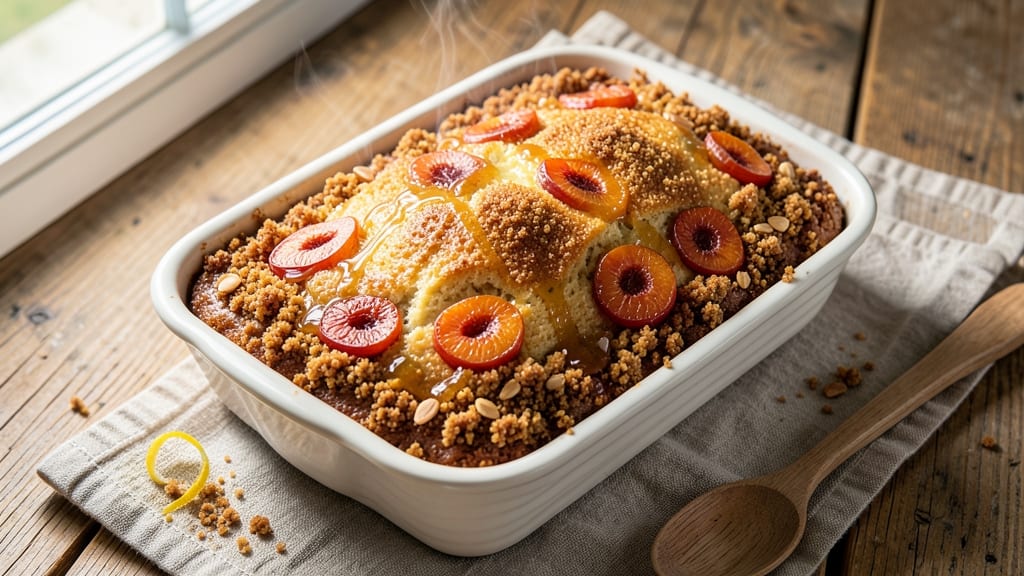
This apricot loaf cake recipe delivers layers of tender crumb and bursts of juicy apricot, crowned with a bright citrus glaze that cuts through the richness. The secret lies in a steam bath during baking—creating that signature moist, almost custard-like center while keeping the crust delicate.
I developed this version after years of testing, balancing traditional techniques with a quick apricot compote that saves time without sacrificing flavor.
The cake itself is simple yet sophisticated: all-purpose flour, brown sugar, and a touch of cinnamon form the base, while fresh apricots (or high-quality canned) provide that signature fruity depth.
Baking at 350°F for 40-50 minutes ensures even doneness, and the citrus glaze—made with lemon juice and powdered sugar—adds a zesty contrast that elevates every slice. No fancy equipment needed, just patience for the steam bath and a sharp knife for clean layers.
What you'll end up with is a loaf cake that's moist without being dense, with tender crumb and juicy fruit pockets in every bite. The citrus glaze adds a professional touch, making it perfect for brunch, afternoon tea, or holiday gifting.
The aroma alone will have everyone asking for seconds—this is the kind of dessert that feels special without being complicated.
Serve warm with whipped cream or a dollop of vanilla ice cream to enhance the apricot flavor. The glaze sets beautifully, so you can slice it immediately or let it rest for a few hours for cleaner cuts.
This recipe scales perfectly for gatherings, and leftovers keep well wrapped at room temperature for up to 3 days.
Ingredients for apricot loaf cake
Eight simple ingredients create this moist apricot loaf with citrus glaze that feels special without being complicated.
| Ingredient | Amount | Notes |
|---|---|---|
| All-Purpose Flour 🌾 | 2 ½ cups | Sifted for even texture |
| Light Brown Sugar 🍯 | 1 ½ cups | Packed firmly |
| Unsalted Butter 🧈 | 1 cup | Room temperature, full-fat |
| Large Eggs 🥚 | 2 whole | Room temperature |
| Vanilla Extract 🌸 | 1 tbsp | Pure, high-quality |
| Ground Cinnamon 🌿 | 1 ½ tsp | Freshly ground preferred |
| Baking Powder 🍞 | 2 tsp | Aluminum-free |
| Salt 🧂 | ½ tsp | Fine sea salt |
| Ripe Apricots 🍑 | 1 ½ cups | Pitted, diced small |
| Apricot Jam 🍯 | ¼ cup | High-quality, no seeds |
| Milk 🥛 | ½ cup | Whole milk preferred |
| Powdered Sugar 🍚 | 1 ½ cups | Sifted for smooth glaze |
| Fresh Lemon Juice 🍋 | 2 tbsp | Strained for clarity |
| Zest of 1 Lemon 🍋 | 1 tbsp | Finely grated |
The apricots are the star here. Fresh is ideal—look for plump, vibrant fruit at the grocery store's produce section, or grab a jar of high-quality canned apricots in their juice if fresh isn't available. The jam adds extra depth, so Mutter's or Bonne Maman are my go-tos for that restaurant-quality taste. For the flour, King Arthur or Gold Medal brands work perfectly—they're reliable for tender crumb. Don't skimp on the butter either; full-fat makes all the difference in that moist texture you're after.
No fresh apricots? Dried apricots soaked in warm water work in a pinch, but they'll add more moisture to the batter. Short on jam? Substitute with apricot preserves or even a little extra diced fruit. The lemon juice can be bottled, but fresh is brighter—Eureka lemons are my favorite for that extra zing. Want to skip the glaze? A dusting of powdered sugar still makes it look special. And if you're baking for a crowd, double the recipe—this loaf scales beautifully for gatherings.
This cake keeps well wrapped at room temperature for 3 days, but honestly, it's best enjoyed fresh. The glaze sets quickly, so slice it while still slightly warm for cleaner cuts. For make-ahead baking, prep the cake batter the night before and refrigerate—it's ready to bake in the morning. The glaze can be made a day ahead and reheated gently to drizzle. Store leftovers in an airtight container, and trust me, they'll disappear fast.
Why You'll Love This Recipe
- No Mixer Needed: I swear by this one—just cream butter and sugar, crack eggs, fold in flour. The butter’s rich enough to cut through the dry bits, and the brown sugar keeps it moist without extra fuss. My hands are always sticky, but the result? Worth every smudge.
- Apricot Magic: That caramelized sweetness from the dried apricots? It’s the star. The brown sugar deepens it, while vanilla ties everything together like a cozy hug. Honestly, I’ve made this for people who “don’t like apricots,” and they still ask for seconds.
- Weeknight or Guest Day: Slice it warm with coffee for a lazy morning, or serve it at room temp with tea when unexpected company drops by. The texture holds up—no soggy middle, no crumbly edges. Between us, it’s my go-to when I need something reliable but still feels special.
- Budget-Friendly Luxury: Flour, butter, eggs—these are pantry staples that won’t break the bank. The dried apricots stretch further than fresh, and leftovers? They actually taste better the next day, especially toasted. I’ve fed a crowd with half the cost of a bakery loaf, and no one’s complained.
Step-by-step instructions for apricot loaf cake
Here's how to bake a tender apricot loaf cake with a bright citrus glaze—every bite is juicy and fragrant.
Prep Apricots and Mix Dry Ingredients
Start by chopping the 1.5 cups ripe apricots into small, even pieces—about ¼-inch cubes. Toss them with 0.25 cup apricot jam and set aside. In a medium bowl, whisk together the 2.5 cups all-purpose flour, 2 tsp baking powder, 1.5 tsp ground cinnamon, and 0.5 tsp salt. Sift the dry ingredients once to remove any lumps—this ensures a light, even crumb.
I like to press the flour mixture through a fine-mesh sieve to break up any clumps completely. This step prevents dense pockets in the cake. Keep the apricot mixture nearby so you can fold it in later without making a mess.
Cream Butter and Sugar, Then Add Wet Ingredients
In a large mixing bowl, beat the 1 cup unsalted butter and 1.5 cups light brown sugar on medium speed until light and fluffy—about 3-4 minutes. The mixture should look pale and nearly double in volume. Scrape down the sides of the bowl with a spatula to ensure even mixing.
Add the 2 whole large eggs, one at a time, mixing well after each addition. Stir in the 1 tbsp vanilla extract and 0.5 cup milk until fully combined. The batter should be smooth but not overly thick—if it looks too stiff, add 1 tablespoon milk to loosen it slightly.
Combine Wet and Dry Ingredients
Gradually add the dry ingredients to the wet mixture, mixing on low speed just until combined. Avoid overmixing—stop as soon as the flour disappears. Gently fold in the apricot mixture with a spatula, being careful not to overwork the batter. The fruit should be evenly distributed throughout.
This is where the cake gets its signature moisture and flavor. If the batter seems too thick after folding in the apricots, add 1-2 tablespoons milk to help it flow more easily into the pan.
Bake Until Golden and Springy
Preheat your oven to 350°F and grease an 8x4-inch loaf pan thoroughly, then dust it with flour. Pour the batter into the prepared pan and smooth the top with a spatula. Bake for 50-55 minutes, or until a toothpick inserted in the center comes out clean and the top is golden brown.
Don’t open the oven door early—this can cause the cake to sink. If the top browns too quickly, loosely cover it with aluminum foil after 30 minutes to prevent over-browning while still allowing it to rise properly.
Make the Citrus Glaze and Finish
While the cake bakes, whisk together the 1.5 cups powdered sugar, 2 tbsp fresh lemon juice, and 1 tbsp lemon zest in a small bowl. The glaze should be smooth and pourable—if it’s too thick, add 1-2 teaspoons milk to thin it out.
Once the cake is done, let it cool in the pan for 10 minutes, then transfer it to a wire rack. Immediately pour the glaze over the warm cake, letting it drip down the sides. Allow the cake to cool completely before slicing—this ensures the glaze sets properly and doesn’t make the cake soggy.
Pro Tips For Making Apricot Loaf Cake
- Mix Butter and Sugar First: Don’t just toss everything in the bowl—whip the butter and brown sugar until it’s light and fluffy. I used to skip this, and the cake turned out dense. Five minutes with a mixer makes all the difference.
- Use Room-Temp Eggs: Cold eggs from the fridge won’t blend smoothly and can make the batter lumpy. Take them out 30 minutes before mixing—trust me, your cake will thank you.
- Check Doneness Early: This cake’s moist, so it won’t brown like a traditional loaf. Pull it when the center hits 205°F (210°F is too late). A toothpick should come out clean but slightly sticky.
- Fold in Apricots Gently: Dumping chopped apricots into the batter and stirring can break them up too much. Use a spatula to fold them in—just until distributed. Bigger chunks mean better texture and flavor.
Serving suggestions for this dish
Warm Serving Ideas
Serve slices of this apricot loaf cake warm with a scoop of vanilla bean ice cream—the contrast of cold and warm creates a luxurious texture. I like to dust the warm cake with a pinch of ground cinnamon and a sprinkle of toasted almonds for added crunch and depth.
The citrus glaze softens slightly when warm, making each bite even more decadent. 🍦
Classic Pairings
A cup of earl grey tea or chamomile tea complements the cake’s citrus notes beautifully. For coffee lovers, a light roast with hints of citrus (like a Brazilian Santos) balances the sweetness without overpowering the apricot.
I also enjoy pairing it with a small glass of sparkling wine—something crisp like a Prosecco or Cava to cleanse the palate between bites.
Garnish Upgrades
Add a dollop of whipped cream or crème fraîche to each slice for a creamy contrast. Fresh mint leaves or thin lemon slices on top add a pop of color and freshness.
For a rustic touch, drizzle with honey or caramel sauce before serving. These garnishes elevate the presentation while keeping the focus on the cake’s natural flavors.
Make-Ahead Presentation
If baking ahead, store the cake wrapped in parchment paper and plastic wrap to maintain moisture. Before serving, brush the top with a little warm apricot jam and sprinkle with crushed pistachios for a gourmet finish.
The glaze will look even more vibrant after resting, making it perfect for special occasions. 🌟
Dessert Board Styling
For a dessert board, arrange slices alongside fresh berries (like raspberries or blackberries) and sliced almonds. Add a small bowl of clotted cream or caramelized bananas for dipping.
The vibrant colors and textures create an inviting display that’s perfect for brunch or holiday gatherings. This presentation makes the cake feel even more special.
Leftovers Reinvented
Turn leftover cake into apricot trifles by layering crumbled cake with whipped cream and fresh fruit. For a quick dessert, toast slices with butter and cinnamon and serve with vanilla pudding.
The cake’s moisture holds up well in these reinvented forms, making it a versatile treat for days after baking. ✨
Nutrition facts
Frequently asked questions
Can I substitute fresh apricots with dried ones?
Yes, but you'll need to prepare them differently. Soak ½ cup dried apricots in warm water for 20 minutes to rehydrate, then chop them finely. Use ¼ cup of the soaking liquid in place of the milk called for in the recipe. Dried apricots add more moisture, so you might need to reduce the milk by 1-2 tablespoons to keep the batter balanced.
Why does my apricot loaf cake sink in the middle?
This usually happens from opening the oven door too early or overmixing the batter. Avoid checking the cake until 50 minutes have passed, and mix the dry ingredients just until combined—no need to beat them into oblivion. Also, ensure your oven is fully preheated to 350°F before baking. A steam bath (water bath) can also prevent sinking by creating a more even rise.
Can I make this cake without a steam bath?
You can, but the texture will be slightly drier. For a steam bath, place your loaf pan in a larger roasting pan and fill the bottom with 1 inch of hot water before baking. If skipping it, reduce the baking time by 5-10 minutes and check for doneness early. The cake will still be delicious, just less moist in the center.
How do I store leftovers to keep them fresh?
Wrap the cake tightly in plastic wrap or parchment paper and store at room temperature for up to 3 days. For longer storage, refrigerate for up to 5 days or freeze for 2 months. To reheat, warm slices in the oven at 300°F for 5-7 minutes or microwave for 10-15 seconds to restore moisture.
What's the best way to slice this cake for clean layers?
Let the cake cool completely at room temperature for at least 2 hours before slicing. Use a serrated knife and dip it in hot water between cuts to create clean, even layers. If the cake is too warm, the glaze might smear. For a rustic look, use a bread knife and serve with extra glaze drizzled on top.