
Desserts
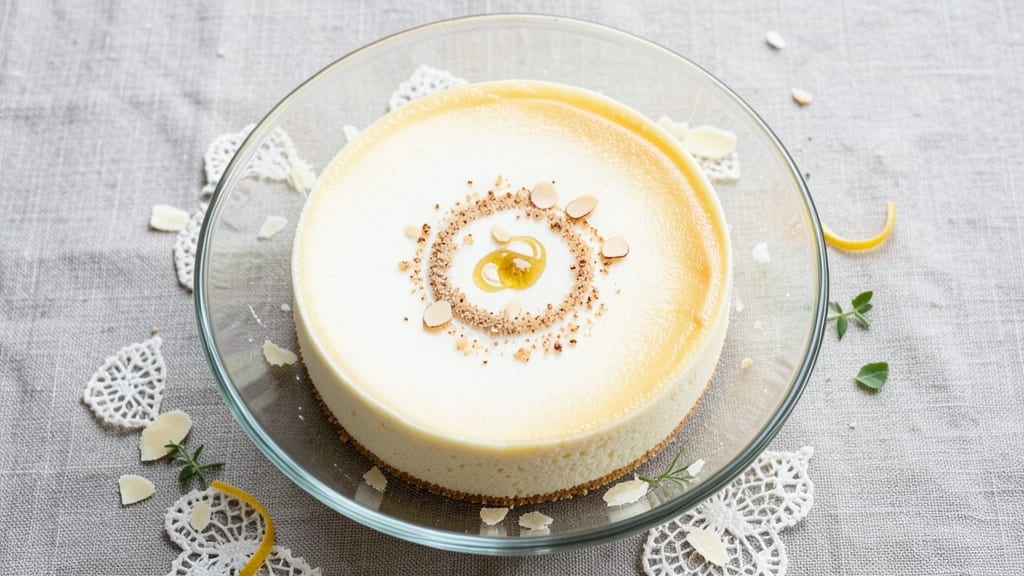
This almond sponge cake recipe delivers the perfect balance of delicate crumb and rich almond flavor—ideal for British tea parties or elegant desserts. The secret lies in properly whisked eggs and finely ground almonds, creating layers so light they practically melt on the tongue.
I've baked countless versions, and this one consistently rises to golden perfection with a tender crumb that holds up beautifully.
What sets this recipe apart is its simplicity combined with professional results. You'll need just five core ingredients—flour, almonds, eggs, butter, and sugar—plus a splash of almond extract for that signature nutty aroma.
The folding technique ensures maximum airiness, while baking at the right temperature prevents any risk of dryness. For UK bakers, I've included metric measurements and local ingredient swaps where helpful.
The result is a cake with buttery almond flavor that pairs wonderfully with whipped cream, fresh berries, or a dusting of icing sugar. Each slice offers that perfect contrast of crisp edges and moist interior, making it equally suitable for afternoon tea or special occasions.
The recipe scales easily for larger gatherings while maintaining its delicate texture.
For extra flair, consider adding a lemon glaze or layering with jam between the sponge layers—a classic British variation. The cake keeps well for 2-3 days in an airtight container, allowing you to bake ahead for gatherings. Let's create this elegant dessert that's sure to impress any guest.
Ingredients for almond sponge cake recipe uk
Five core ingredients plus a few finishing touches create this elegant British almond sponge cake.
| Ingredient | Amount | Notes |
|---|---|---|
| Self-Raising Flour 🌾 | 1 ½ cups | UK standard medium flour |
| Ground Almonds 🥜 | 1 cup | Finely ground, not almond flour blend |
| Large Eggs 🥚 | 6 whole | Room temperature, UK size 6 |
| Unsalted Butter 🧈 | 1 cup | Softened, 50% fat content |
| Granulated Sugar 🍚 | 1 ½ cups | UK white caster sugar |
| Almond Extract 🌿 | 1 tbsp | Pure, not imitation |
| Milk 🥛 | ¼ cup | Whole milk preferred |
| Vanilla Extract 🌸 | ½ tbsp | Pure vanilla preferred |
| Lemon Zest 🍋 | 1 tbsp | Fresh, organic preferred |
| Icing Sugar 🍬 | ½ cup | For dusting, optional |
The ground almonds make all the difference—Tesco or Sainsbury's own-brand work perfectly, but for extra smoothness, pulse whole almonds in a food processor. UK self-raising flour is essential here; don't substitute all-purpose. Eggs should be at room temperature for even whisking. I always buy free-range eggs from my local farm shop—they whip up lighter. The butter needs to be soft but not melted—press a finger into it, it should leave a slight indentation. For the almond extract, McCormick's is my go-to brand, but any pure extract will do.
No almond extract? A splash of apricot jam (about 1 tbsp) adds subtle almond notes. Running short on milk? Greek yogurt thinned with water works beautifully. The lemon zest can be swapped for orange zest if you prefer citrus over tartness. For a gluten-free version, replace the self-raising flour with a 1:1 gluten-free blend. The vanilla extract is non-negotiable though—it balances the almond flavor perfectly. If you're making this ahead, pre-whisk the eggs and store them separately to save time later.
This cake keeps beautifully for 2-3 days in an airtight container at room temperature. For longer storage, wrap tightly in cling film and freeze for up to 3 months. I always bake mine the night before—it develops even better overnight. The icing sugar dusting is optional but adds that classic British finish. Serve with whipped cream or fresh berries for an afternoon tea showstopper. Leftovers? Toast lightly for a delicious French toast variation.
Why You'll Love This Recipe
- No Fuss Mixing: I swear by the 5-minute mix-and-fold method—just fold those ground almonds and self-raising flour into the egg-butter foam. No sifting, no overworking, just one bowl and you’re done. The eggs do all the heavy lifting.
- Nutty Luxury: That buttery, almond-infused crumb? It’s like a cross between a Victoria sponge and a marzipan cake, but without the fuss. The ground almonds add this silky richness that makes it feel special—even when you’re eating it straight from the tin.
- Weekend or Weeknight: Slice it for breakfast with clotted cream, layer it with jam for a proper British tea-time treat, or serve it with a drizzle of honey for a lazy Sunday brunch. It’s the one cake that works for any mood—no need to overthink it.
- Leftover Goldmine: This cake actually improves the second day. Honestly, I make a double batch on Sundays just so I can have slices all week. The butter stays moist, the almond flavor deepens, and it’s still light enough to eat for dinner with a cup of tea. Budget-friendly perfection.
Step-by-step instructions for almond sponge cake
Here's the precise method for achieving that signature UK almond sponge texture—light, airy, and rich with nutty flavor.
Prepare the Almond Butter Base
In a medium heatproof bowl, combine the 1 cup unsalted butter and 1.5 cups granulated sugar. Place this bowl over a saucepan of simmering water, ensuring the bottom of the bowl doesn't touch the water. This gentle heat will soften the butter and dissolve the sugar into a smooth, translucent mixture. Stir occasionally with a wooden spoon until fully incorporated and the mixture reaches 110°F—it should look like pale golden syrup.
Remove from heat and let cool slightly for 2-3 minutes while you prepare the eggs. This warm mixture will help create the signature airy texture when combined with the eggs later. The reason for this step is to ensure the butter and sugar blend perfectly before adding the delicate egg whites—preventing any separation that could compromise the cake's structure.
Incorporate Eggs and Aromatics
Add the 6 whole large eggs, one at a time, whisking vigorously after each addition until fully incorporated. The mixture should thicken slightly and become pale yellow in color. Stir in the 1 tbsp almond extract, 0.5 tbsp vanilla extract, and 1 tbsp lemon zest, mixing until evenly distributed. The lemon zest adds a subtle brightness that balances the richness of the almonds and butter.
In a separate bowl, whisk together the 1.5 cups self-raising flour and 1 cup ground almonds. Sift this dry mixture over the wet ingredients, folding gently with a spatula to combine. Be careful not to overmix—just until the flour is incorporated and you see no more streaks of white. The self-raising flour contains baking powder, which will create the lift we want in this sponge.
Add Milk and Final Folding
Pour in the 0.25 cup milk and fold it into the batter using gentle, sweeping motions. This step ensures the batter maintains its airiness without deflating. You're looking for a smooth, thick batter that coats the back of a spoon but still holds its shape when lifted. If the batter appears too thick, add an extra tablespoon of milk to achieve the right consistency.
Here's the thing—this batter should be thick enough to hold its shape when dropped from a spoon, but not so thick that it's difficult to mix. The ideal consistency is similar to heavy cream. This thickness is crucial for achieving those signature light layers in the finished cake. Don't worry if it looks like too much batter; the oven will transform it into something magical.
Bake to Perfect Doneness
Preheat your oven to 350°F and grease two 8-inch round cake pans thoroughly with butter, then line the bottoms with parchment paper. Divide the batter evenly between the pans, smoothing the tops with a spatula. Bake for 25-30 minutes until a skewer inserted into the center comes out clean and the tops spring back when gently pressed.
Your oven might run hot, so start checking at the 20-minute mark. The cakes should be golden at the edges but not browned. Overbaking is the enemy here—it leads to dryness. As soon as they're done, remove from the oven and let cool in the pans for 5 minutes before transferring to a wire rack to cool completely. This gradual cooling prevents cracking.
Assemble and Dust with Icing Sugar
Once completely cool, place one cake layer on a serving plate and spread a thin layer of your favorite jam if using. Dust the top with 0.25 cup icing sugar and place the second layer on top. Dust the entire cake with the remaining 0.25 cup icing sugar using a fine sieve for that classic UK sponge finish. The icing sugar adds a delicate sweetness and creates that signature dusty finish that makes this cake look so elegant.
Slice with a serrated knife for clean cuts, and serve immediately. The cake should be light as air with a tender crumb and that wonderful almond flavor throughout. If you're serving guests, this cake will impress with its professional appearance and delicate texture. Store any leftovers in an airtight container for up to 3 days, though I doubt there will be any left!
Pro Tips For Making Almond Sponge Cake Recipe Uk
- Whisk Eggs Till Ribbon Stage: Stop when the egg mixture holds a slow ribbon—about 30 seconds after it first forms one. Overbeating adds air but can make the cake dense later, especially with ground almonds, which absorb moisture differently than flour. I used to push it to "fluffy" and ended up with a cake that collapsed like a sad soufflé.
- Toast Ground Almonds First: Dry-toast the ground almonds in a pan for 3-4 minutes until they smell nutty. This deepens their flavor and prevents the cake from tasting raw or overly sweet. Skip this, and you’ll just get a bland, flour-heavy sponge—trust me, I’ve made that mistake.
- Don’t Overmix Wet Ingredients: Fold the dry ingredients into the wet in two additions, using a spatula to cut through the batter. Overmixing activates the self-raising flour too much, and you’ll end up with a tough, chewy texture instead of the delicate crumb this cake deserves.
- Grease Tin And Dust with Flour: Butter the tin generously, then dust with flour—tap out any excess. The almonds make this cake stickier than a standard sponge, so the extra step keeps it from clinging to the sides like it’s auditioning for a horror movie. (Yes, I’ve seen it happen.)
Pro cooking tips for great almond sponge cake recipe uk
Egg Whisking Mastery
Properly whisked eggs are the foundation of this light-as-air sponge. Use a stand mixer with whisk attachment on medium-high speed for 5-7 minutes until the egg mixture is pale, thick, and forms soft peaks when the whisk is lifted.
I always use a KitchenAid 5-quart mixer—it's consistent and powerful enough to incorporate air without overmixing. If using a hand mixer, whisk for 8-10 minutes in a chilled metal bowl to prevent overheating.
For extra volume, whisk the eggs in a copper bowl—the metal conducts heat better and helps create more stable foam. Add the eggs to the warm butter-sugar mixture gradually, one at a time, to maintain that critical air incorporation.
The goal is to triple the volume of the eggs while keeping the mixture silky smooth. If you see any liquid separation, gently fold it back in with a spatula. 🔥
Batter Consistency Secrets
The perfect batter should be thick enough to hold its shape when dropped from a spoon but still flow smoothly. If your batter is too thin, add 1-2 tablespoons more ground almonds—they absorb excess moisture.
For a thicker batter, reduce the milk by 1 tablespoon. I test consistency by lifting a spoonful: it should ribbon back slowly rather than dripping immediately.
Never overmix after adding the dry ingredients—just fold until no flour streaks remain. Overmixing develops gluten, which makes the cake dense. Use a spatula with a flexible head to gently fold, cutting through the center and bringing batter from the bottom up.
This technique maintains air pockets while ensuring even distribution of ingredients. 💫
Oven Temperature Control
Your oven's accuracy makes all the difference. Use an oven thermometer to confirm it reaches 350°F—many home ovens run 25-50°F hotter than set. If your oven runs hot, reduce the temperature to 340°F and increase baking time by 2-3 minutes.
The cakes are done when a skewer comes out clean and the edges pull away slightly from the pan.
For even baking, place the cake pans on the middle rack and rotate them halfway through baking. If your oven has hot spots, switch the pans' positions. Avoid opening the oven door during the first 20 minutes—temperature fluctuations cause the cakes to sink.
Once golden, transfer to a wire rack immediately to prevent steam buildup, which can make the cakes gummy. ✨
Almond Flavor Boost
For an extra almond kick, toast the ground almonds in a dry 350°F oven for 5-7 minutes before mixing into the dry ingredients. This deepens their flavor and adds a subtle crunch to the crumb.
Alternatively, add 1 teaspoon almond meal to the dry ingredients for a more intense nutty aroma.
If you're using whole almonds instead of ground, pulse them in a food processor for 30-45 seconds until finely ground but not pasty. Over-grinding releases oils that can make the cake dense.
For a marzipan twist, replace ½ cup ground almonds with store-bought marzipan, finely chopped. This adds a luxurious texture and extra almond flavor. 🥜
Nutrition facts
Frequently asked questions
Can I make this almond sponge cake without almond extract?
Yes! Swap the 1 tablespoon almond extract with 1 tablespoon apricot jam or ½ teaspoon almond essence for a milder flavor. For extra depth, toast 1 tablespoon whole almonds until golden and blend into a powder. The cake will still taste delicious, though slightly less intense.
Why did my almond sponge cake turn out dense instead of light? Dense cakes usually result from overmixing the batter or under-whisked eggs.
How do I store leftovers to keep them fresh?
Wrap the cake tightly in cling film and store at room temperature in an airtight container for up to 3 days. For longer storage, freeze slices wrapped individually for up to 3 months. Thaw overnight in the fridge before serving. The cake actually improves overnight—its texture becomes even more tender!
Can I use this recipe for a single-layer cake?
Simply bake the batter in one 9-inch round pan for 30-35 minutes at 350°F. The single layer will be slightly thicker but still light and airy. For a rustic look, bake in a loaf pan instead—it makes a lovely breakfast cake when sliced. Dust with icing sugar or add a lemon glaze for extra flavor.
What's the best way to serve this almond sponge?
Classic British style: dust with icing sugar and serve with whipped cream or fresh berries. For afternoon tea, layer with raspberry jam and a dollop of clotted cream. Try it with a hot cup of Earl Grey tea for the perfect pairing. The cake also works beautifully as a base for trifle or tiramisu.