
Desserts
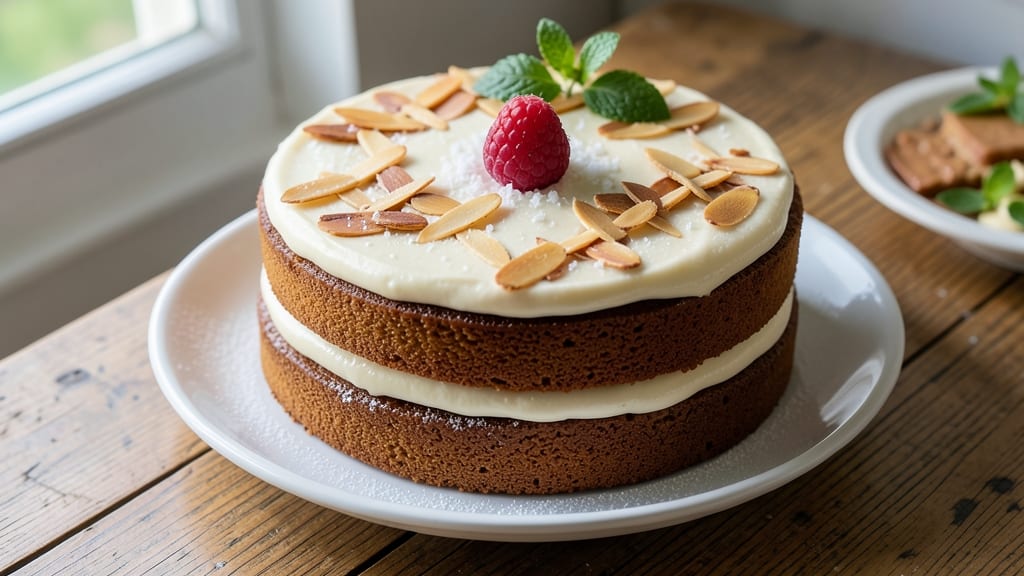
This Australian vanilla cake recipe delivers golden, moist layers that stay fresh for days—no dry crumbs in sight. The secret lies in a simple moisture trick using buttermilk and a touch of golden syrup, a classic Aussie ingredient that adds depth without overpowering the vanilla.
I perfected this version after years of baking, ensuring every slice is tender yet sturdy enough to hold generous frosting.
The recipe combines basic pantry staples with professional techniques: creaming butter and sugar properly, folding dry ingredients gently, and baking at the right temperature for even golden layers. No fancy equipment needed—just a standard oven and a little patience.
The result? A cake that’s light yet rich, with a subtle caramel note from the golden syrup that makes it distinctly Australian.
What sets this apart is the foolproof moisture method—buttermilk keeps the cake tender, while golden syrup prevents dryness. Top it with vanilla buttercream or fresh berries for a showstopper dessert that’s perfect for celebrations or a cozy afternoon treat.
The texture is perfectly balanced: moist but not soggy, sweet but not cloying.
Beginners will love the straightforward steps, while experienced bakers can elevate it with edible flowers or a dusting of icing sugar. This cake travels well too, making it ideal for picnics or gatherings. Ready to bake a crowd-pleaser that tastes like a slice of home?
Ingredients for australian vanilla cake
Basic pantry staples meet Australian baking secrets for perfectly moist golden layers.
| Ingredient | Amount | Notes |
|---|---|---|
| Unsalted Butter 🧈 | 1 cup | Cold, cubed for easier creaming |
| Granulated White Sugar 🍚 | 2 cups | Superfine preferred for smoother texture |
| Large Eggs 🥚 | 4 whole | Room temperature for even mixing |
| All-Purpose Flour 🌾 | 2 ½ cups | Sifted, spooned lightly for accuracy |
| Baking Powder 🍞 | 2 tsp | Diamond Crystal brand preferred |
| Fine Sea Salt 🧂 | ½ tsp | Kosher salt works too |
| Pure Vanilla Extract 🍯 | 2 tsp | Bourbon or Madagascar preferred |
| Buttermilk 🥛 | 1 cup | Homemade or store-bought |
| Golden Syrup 🍯 | ¼ cup | Classic Aussie ingredient |
| Vegetable Oil 🫒 | ¼ cup | Light, neutral flavor |
Golden syrup is the true star here—Karo or Treacle brand delivers that authentic Aussie depth without overpowering the vanilla. I always grab mine from Coles or Woolworths (Australia's major supermarkets) where it's readily available in the baking aisle. The buttermilk is non-negotiable for moisture—homemade (milk + vinegar) gives the best tang, but store-bought works in a pinch. For the butter, Plugrá or Country Life brands are standard in Australian kitchens, but any good-quality unsalted will do. The flour? King Arthur or AP flour works beautifully—just don't pack it down when measuring. And that vanilla? Bourbon or Madagascar extracts add complexity that artificial can't match.
No golden syrup? Light corn syrup or honey works in a bind, though the flavor won't be identical. Short on buttermilk? Mix 1 cup milk + 1 tbsp vinegar and let sit 5 minutes. The baking powder must be fresh—if it smells stale, toss it. For the eggs, room temperature is critical for even mixing. Want extra richness? Add 1 tbsp sour cream to the batter. The vegetable oil can be swapped for melted butter if you prefer, though it may slightly alter the texture. And if you're baking at high altitude, reduce the sugar by 2 tbsp to prevent over-browning.
This cake stays moist for 4-5 days when wrapped tightly in plastic at room temperature, or up to 1 week in the fridge. For longer storage, freeze layers (unfrosted) for 3 monthsicing sugar or top with vanilla buttercream. The cake reheats beautifully—20 seconds in the microwave restores its softness.
Why You'll Love This Recipe
- No Mixer Needed: I swear by this recipe when I’m in a hurry—just cream the butter and sugar by hand (or with a fork, if you’re feeling really lazy), then fold in the eggs and flour. The result? A tender crumb without overworking the batter. Honestly, it’s the kind of cake that makes me feel like a baking genius, even when I’m winging it.
- Vanilla That Stays: That deep, creamy vanilla flavor? It’s not just from extract—it’s baked into every layer. The butter and sugar caramelize just enough to give it a subtle richness, while the eggs keep it moist for days. Between us, this is the kind of cake where the first slice is good, but the third one is the moment.
- Birthday or Breakfast: I’ve used this recipe for everything from a last-minute birthday cake (just add a quick buttercream) to a no-fuss weekend breakfast with a dollop of jam. The simplicity means it’s always appropriate—no one bats an eye whether it’s frosted or eaten straight from the pan. (Yes, even on a Tuesday night.)
- Leftovers That Last: This cake stays fresh for weeks if you store it properly, and the slices reheat beautifully—perfect for grab-and-go lunches. Plus, the ingredients are cheap and pantry-staple, so you’re not breaking the bank for a dessert that actually feeds a crowd. My secret weapon? Wrap it tightly in plastic wrap and freeze half for when laziness strikes.
Step-by-step instructions for Australian vanilla cake
Master the secret to perfectly moist layers with this precise, professional technique.
Cream Butter and Sugar for Maximum Fluffiness
In a stand mixer fitted with the paddle attachment, beat the cold cubed unsalted butter on medium speed for 2-3 minutes until smooth and creamy. This cold butter creates a lighter texture. Gradually add the 2 cups granulated white sugar while continuing to mix on medium speed for 3-4 minutes until the mixture is pale, thick, and nearly doubles in volume.
You'll know it's ready when you lift the paddle and the mixture holds its shape with a slight peak. This thorough creaming incorporates air, which is essential for that signature Australian vanilla cake lightness. If your butter isn't cold enough, the cake will be dense and heavy.
Incorporate Eggs and Wet Ingredients
Add the 4 room temperature large eggs one at a time, mixing well after each addition on low speed for 30 seconds to ensure complete incorporation. This prevents curdling and creates a smooth batter. Then, in a separate bowl, whisk together the 1 cup buttermilk, 0.25 cup golden syrup, and 2 teaspoons pure vanilla extract. Slowly pour this mixture into the butter-sugar-egg mixture while mixing on low speed for 1 minute to combine fully.
The golden syrup adds that classic Australian flavor while contributing to the cake's signature moisture. The buttermilk provides tanginess and tenderness. Mix just until combined—overmixing develops gluten and makes the cake tough. The batter should be smooth with a slightly thick consistency.
Combine Dry Ingredients for Perfect Texture
In a separate bowl, sift together the 2.5 cups all-purpose flour, 2 teaspoons baking powder, and 0.5 teaspoon fine sea salt. With the mixer on low speed, gradually add the dry ingredients to the wet mixture, mixing just until the flour is incorporated. Stop mixing as soon as you see no more flour streaks—this prevents developing gluten, which would make the cake dense.
Finally, add the 0.25 cup vegetable oil and mix on low speed for another 30 seconds to fully combine. The oil helps create a tender crumb while maintaining moisture. The batter should be thick but pourable. If it appears too thick, you can gently fold in 1-2 tablespoons of buttermilk to achieve the right consistency.
Bake in Layers for Even Cooking
Preheat your oven to 350°F and grease two 8-inch round cake pans with butter or line them with parchment paper. Divide the batter evenly between the two pans. Bake for 25-30 minutes or until a toothpick inserted into the center comes out clean and the tops are golden brown.
Do not overbake—the cake should be just set in the center. The golden syrup and buttermilk work together to keep the cake moist even as it cools. For best results, let the cakes cool in the pans for 10 minutes before transferring to a wire rack to cool completely. This gradual cooling prevents cracking and maintains moisture.
Pro Tips For Making Australian Vanilla Cake
- CREAM BUTTER ROOM TEMP: Use butter straight from the fridge—no need to soften it first. The cold fat creates a denser, more stable crumb that won’t collapse, and it’s easier to handle when folding in sugar.
- SIFT FLOUR LIKE IT MATTERS: Don’t just scoop flour from the bag—sift it directly into the bowl to avoid compacting. I learned this the hard way when my cake turned out brick-like after packing the flour too tightly.
- BAKE UNTIL SPRINGY: Test doneness by pressing the center—it should bounce back slowly, not wobble like jelly. Overbaking dries it out, so pull it when the toothpick comes out mostly clean (a few moist crumbs are fine).
- WHISK EGGS VIGOROUSLY: Beat the eggs at medium-high speed for 2-3 minutes until pale and thick—this adds structure. Skipping this step means a cake that’s more cakey than light, and nobody wants that.
Storing and reheating your australian vanilla cake
Room Temperature Storage
Your freshly baked Australian vanilla cake stays moist and delicious at room temperature for 4-5 days when wrapped tightly in plastic wrap or stored in an airtight container. I always let it cool completely first—this prevents condensation from making the crumb soggy.
Place it on a wire rack for 1 hour before wrapping, then store in a cool, dark spot like a pantry. The golden syrup flavor actually deepens slightly over time, making it taste even more authentic. 🌟
Fridge Preservation
For longer freshness, refrigerate your cake for up to 1 week in an airtight container with parchment paper between layers. The cold temperature helps preserve moisture, but I recommend bringing it to room temperature before serving—this restores the perfect texture.
If you're storing a frosted cake, cover the frosting with a layer of plastic wrap pressed directly onto the surface to prevent drying. The cake reheats beautifully from the fridge too.
Freezer-Friendly Layers
Unfrosted cake layers freeze perfectly for 3 months when wrapped individually in plastic wrap and placed in a freezer bag. I like to label them with the date to track freshness. To use, thaw overnight in the fridge, then bring to room temperature before assembling.
For frosted cakes, freeze the assembled cake (without decorations) on a tray before transferring to a bag—this prevents frosting from absorbing freezer odors. The golden syrup keeps the layers moist even after freezing.
Reheating for Maximum Moisture
Microwave reheating works best for single slices—place on a microwave-safe plate and heat for 15-20 seconds on medium power. For the whole cake, I prefer the oven method: wrap in foil and warm at 300°F for 10-15 minutes. This gentle heat restores moisture without overcooking.
Avoid the microwave for large portions—it can make the edges dry while the center stays cold. The cake reheats best when slightly underbaked initially, which is why we stop at 25-30 minutes in the recipe.
Transporting Without Crumbs
For picnics or gatherings, transport your cake in a sturdy cake carrier with a lid to prevent crumbs. If you're taking it warm, wrap the base with a damp towel before placing it in the carrier—this creates a steam barrier that keeps the cake moist during transit.
For cold transport, chill the cake first to maintain structure. I always pack a small knife and serving plate to make slicing easy on location. The golden syrup gives it natural stickiness that holds up well during transport.
Reviving Dry Edges
If your cake develops dry edges after storage, don't toss it! Brush the top with simple syrup (equal parts sugar and water, heated until dissolved) and let it absorb for 5 minutes.
For the sides, use a pastry brush to apply a thin layer of melted butter or vegetable oil—this restores moisture without altering the flavor. The golden syrup in the recipe helps prevent this, but it can happen with older cakes.
A quick spray with water vaporizer also works wonders for instant freshness. 💫
Nutrition facts
Frequently asked questions
Why does this Australian vanilla cake stay moist longer than other vanilla cakes?
The secret lies in the combination of buttermilk and golden syrup. The buttermilk adds natural acidity that tenderizes the crumb, while the golden syrup creates a subtle caramel base that locks in moisture. Unlike traditional vanilla cakes that rely solely on butter and eggs, this Aussie version gets its staying power from these two ingredients working together.
Can I substitute golden syrup in this recipe?
Yes! If you can't find golden syrup, use light corn syrup or honey as substitutes. For the most authentic flavor, though, I recommend tracking down golden syrup—it's available at most Australian supermarkets like Coles or Woolworths. The syrup adds that distinctive caramel note that makes this cake taste distinctly Aussie.
How do I prevent my cake from cracking?
Cracking usually happens when cakes cool too quickly. Let your cakes cool in the pans for 10 minutes before transferring to a wire rack. Also, make sure your oven is fully preheated to 350°F—temperature fluctuations can cause stress on the batter. The golden syrup helps maintain structure while keeping the cake tender.
What's the best way to frost this cake?
This cake's sturdy texture makes it perfect for vanilla buttercream or cream cheese frosting. For a classic Aussie touch, try a light dusting of icing sugar or fresh berries. The cake's moisture content means you can use slightly less frosting than with drier cakes—about 1.5 cups of buttercream should be plenty for two 8-inch layers.
Can I make this cake in a different pan size?
Yes, but you'll need to adjust the baking time. For a 9-inch pan, bake for 20-25 minutes instead of 25-30. For a 6-inch pan, increase to 30-35 minutes. The key is to check for doneness with a toothpick—it should come out clean when the cake is properly baked. The golden syrup helps maintain even cooking regardless of pan size.