
Desserts
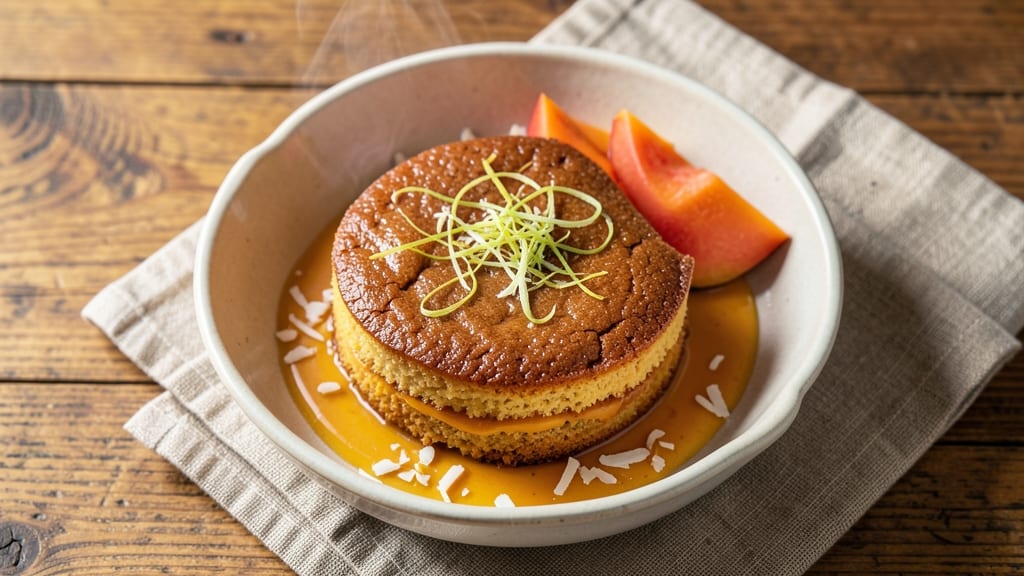
This Asian mango cake recipe transforms tropical flavors into layers of silky perfection, blending vibrant mango with delicate buttercream in every bite. The secret lies in a light, fluffy sponge infused with pandan and coconut milk, creating a texture that's both airy and rich.
Fresh mango purée and zests elevate the flavor profile, while the signature mango buttercream adds a velvety finish that melts effortlessly.
The cake's beauty comes from its elegant layers—each one infused with natural mango essence, ensuring that every slice delivers a burst of tropical sweetness. No artificial flavors here; just real fruit and carefully balanced spices like cardamom for warmth.
The buttercream isn't just sweet—it's creamy, tangy, and perfectly set, holding its shape while still feeling decadent.
What makes this recipe stand out is its versatility—serve it at room temperature for a sophisticated dessert or lightly chilled for a refreshing treat. The layers separate beautifully, allowing for creative plating with fresh mango slices or toasted coconut flakes.
Whether you're celebrating a special occasion or simply craving something extraordinary, this cake delivers restaurant-quality results at home.
Baking time is under an hour, with minimal prep—ideal for bakers of all levels. The key is patience during the cooling process, ensuring the layers set properly before frosting.
Once assembled, the cake keeps beautifully for 3-4 days in the refrigerator, making it perfect for gatherings. Let's create something truly memorable.
Ingredients for asian mango cake
Eighteen ingredients crafting tropical elegance—each plays a role in this layered masterpiece.
| Ingredient | Amount | Notes |
|---|---|---|
| All-Purpose Flour 🌾 | 2 ½ cups | Sifted for light texture |
| Unsalted Butter 🧈 | 1 ½ cups | Room temperature, European preferred |
| Granulated Sugar 🍚 | 2 cups | Superfine for smooth batter |
| Large Eggs 🥚 | 4 whole | Room temperature, separated |
| Ripe Mangoes 🍈 | 1 ½ cups | Puréeed, seeds removed |
| Mango Zest 🍈 | 1 tbsp | Freshly grated, vibrant color |
| Pandan Extract 🌿 | ½ tsp | Pure, food-grade extract |
| Coconut Milk 🥥 | ½ cup | Full-fat, canned for richness |
| Baking Powder 🍞 | 2 tsp | Aluminum-free for lightness |
| Ground Cardamom 🌶️ | ¼ tsp | Freshly ground for aroma |
| Salt 🧂 | ¼ tsp | Fine sea salt preferred |
| Heavy Cream 🥛 | 1 ½ cups | Cold for buttercream stability |
| Powdered Sugar 🍚 | 3 cups | Sifted for smooth texture |
| Lemon Juice 🍋 | 1 tbsp | Freshly squeezed, balanced acidity |
| Toasted Coconut Flakes 🥥 | ¼ cup | For garnish, lightly toasted |
The mango purée is the heart of this cake, so select ripe, vibrant fruit—the sweeter, the better. Trader Joe's often carries perfectly ripe mangoes year-round, or opt for frozen mango purée in a pinch (thaw and drain excess liquid). For the pandan extract, look for pure, food-grade versions—avoid the green food coloring often found in cheaper brands. The coconut milk should be full-fat for that rich, velvety texture; Thai Kitchen brand is a reliable choice. Cardamom is non-negotiable here—it balances the sweetness beautifully, but never skip the grinding step if using whole pods.
No ripe mangoes? Substitute with 1 cup of high-quality mango nectar (like Mango Nectar by Tropicana), but reduce other liquids slightly to compensate. Running low on powdered sugar? Blend granulated sugar in a high-speed blender for 10-15 seconds—it works in a bind. The buttercream can be made ahead; in fact, chilling it overnight intensifies the flavors. For a lighter texture, whip in an extra 2 tbsp of heavy cream. The coconut flakes should be toasted just until golden—watch closely to avoid burning, as they darken quickly.
Store the assembled cake in an airtight container between layers of parchment paper to maintain moisture. Keeps at room temperature for 2 days or in the refrigerator for 4-5 days. For longer storage, freeze the fully assembled cake (without coconut garnish) for up to 3 months. Bring to room temperature before serving. The buttercream can be refrigerated separately for up to 1 week—just rewhip briefly before using. Garnish with toasted coconut flakes just before serving to keep them crisp.
Why You'll Love This Recipe
- No Muffin Tin Needed: I swear by this trick—just grease a standard cake pan and pour the batter straight in. The mango chunks sink right to the bottom, creating layers of fruit and cake that taste like a tropical vacation without the extra dishes.
- Sweet Butter Magic: That rich, browned butter swirled into the batter? It’s what turns this from good to ridiculously good. The eggs add structure, but the butter? It makes every bite feel like a hug—especially when the mango’s natural sweetness cuts through.
- Crowd-Pleaser in Minutes: Between us, this is my go-to for potlucks or when my mom texts asking for dessert. The batter’s simple, the mango adds freshness, and it bakes fast enough that no one will question why you didn’t make it from scratch (even though you did).
- Budget-Friendly Luxury: I use whatever ripe mango I find at the store—no need for fancy varieties. The butter and sugar are pantry staples, and the leftovers? They last days, whether sliced for breakfast or reheated in a mug for a lazy afternoon. (Yes, even on a Tuesday night.)
Step-by-step instructions for tropical layers with silky mango buttercream
Follow this precise method for a cake with delicate layers and velvety mango buttercream.
Prepare the Mango Purée and Batter
Begin by puréeing the 1.5 cups ripe mangoes until completely smooth, then strain through a fine-mesh sieve to remove any fibers. In a separate bowl, whisk together the 2 cups granulated sugar, 0.5 tsp pandan extract, and 1 tbsp mango zest until fully dissolved. This aromatic sugar mixture will infuse the batter with tropical depth.
In a large mixing bowl, combine the 2.5 cups all-purpose flour, 2 tsp baking powder, 0.25 tsp ground cardamom, and 0.25 tsp salt. Sift the dry ingredients together to aerate the flour and ensure even distribution. In a separate bowl, beat the 1.5 cups unsalted butter and 2 cups granulated sugar until light and fluffy, about 3-4 minutes on medium speed. Add the 4 whole large eggs, one at a time, beating well after each addition.
Combine Wet and Dry Ingredients
Gradually add the dry ingredients to the butter mixture in three parts, alternating with the mango purée and 0.5 cup coconut milk. Begin and end with the dry ingredients to maintain a stable batter structure. Mix on low speed just until combined—overmixing develops gluten and can make the cake dense. The batter should be smooth and slightly thick, with no visible flour streaks.
Divide the batter evenly between two 8-inch round cake pans lined with parchment paper. Tap the pans gently on the counter to remove any air bubbles, then smooth the tops with a spatula. This ensures even baking and level layers later. Preheat your oven to 350°F and bake for 25-30 minutes, or until a toothpick inserted into the center comes out clean. Rotate the pans halfway through baking for even browning.
Prepare the Mango Buttercream
While the cakes cool, prepare the buttercream by beating the 1.5 cups heavy cream and 3 cups powdered sugar together until light and fluffy, about 2-3 minutes. Add the 1 tbsp lemon juice and the remaining mango purée (reserve a small amount for garnish) to brighten the flavor. Incorporate the 1.5 cups unsalted butter, softened but not melted, gradually while mixing on medium speed until fully combined.
The buttercream should be smooth and hold its shape when piped. If it’s too thick, add a splash of coconut milk to loosen it. Fold in the 1 tbsp mango zest and 0.5 tsp pandan extract for an aromatic finish. Chill the buttercream in the refrigerator for 15 minutes to firm up slightly before assembling the cake, ensuring clean layers and sharp edges.
Assemble and Garnish the Cake
Once the cakes have cooled completely, level the tops if necessary using a serrated knife. Place the first cake layer on a cake stand or plate, then spread a thin layer of buttercream evenly over the top. Repeat with the second layer, then cover the entire cake with a crumb coat of buttercream. Chill for 10 minutes to set, then apply the final layer of buttercream, smoothing with an offset spatula.
Pipe decorative swirls or rosettes around the edges for a professional finish. Sprinkle the 0.25 cup toasted coconut flakes evenly over the top and sides for texture and visual contrast. Serve at room temperature for the best texture—this cake is best enjoyed within 2-3 days for peak flavor and moisture.
Pro Tips For Making Asian Mango Cake
- Whisk Butter & Sugar First: I learned this the hard way—mixing dry ingredients into cold butter first leads to lumps that never dissolve, no matter how much you beat it. Cream the butter and sugar until it’s pale and fluffy (about 3-4 minutes with a hand mixer), then alternate with the flour. That’s when the cake actually gets light, not dense.
- Use Room-Temp Eggs: Cold eggs from the fridge won’t emulsify properly, and your batter will look curdled even if it rises. Pop the eggs out 30 minutes before mixing—just long enough to warm to about 70°F (21°C). Warm them too much, though, and they’ll cook before the cake does.
- Don’t Overmix the Batter: Once you fold in the mango purée, stop mixing the second everything’s combined. Overworking it turns the texture gummy, and the cake will sink in the middle. Use a spatula to gently fold—just until the streaks disappear—and then pour immediately.
- Bake Until Slightly Under: Asian mango cakes rely on moisture, so pull them out when the center still jiggles very slightly (a toothpick should come out with a few crumbs, not wet batter). Overbaking dries out the mango flavor, and the cake will taste sad by day two. Let it cool in the pan for 10 minutes first—this keeps it from cracking.
Flavor customization for this recipe
Spiced Variations
Add warmth with 1 tsp ground cinnamon and ½ tsp nutmeg to the batter for a Thai-inspired twist. These spices complement the mango beautifully while adding depth. I find Penzeys Spices ground cinnamon works best—it’s smoother than store brands.
Toast the spices lightly in a dry pan for 30 seconds to enhance their aroma before mixing into the batter. 🌶️
Citrus Zest Boost
Brighten the flavor profile by adding 1 tbsp lime zest alongside the mango zest. The citrus cuts through the sweetness and adds a refreshing contrast. Use organic limes for the best flavor—avoid pre-peeled limes, as their zest is often dull.
For extra zing, add 1 tsp lime juice to the buttercream as well. This works especially well with ripe but not overly sweet mangoes.
Coconut Milk Swap
Replace the ½ cup coconut milk with ½ cup Greek yogurt for a lighter texture and tangy note. The yogurt adds protein and moisture without overpowering the mango flavor. For a richer version, use full-fat coconut cream instead—just reduce the coconut milk to ¼ cup to maintain balance.
This swap is perfect if you’re avoiding dairy or want a less tropical taste.
Matcha Infusion
For a Japanese-inspired fusion, fold 1 tbsp matcha powder into the buttercream along with the pandan extract. This creates a vibrant green layer that pairs surprisingly well with mango.
Use culinary-grade matcha (like Ippodo Tea) for the best flavor—avoid ceremonial-grade matcha, as it’s too bitter. The matcha adds earthiness that balances the mango’s sweetness beautifully. 💚
Toasted Nuts Layer
Add crunch by pressing a layer of toasted macadamia nuts or pistachios between the cake layers. Toast the nuts in a dry pan over medium heat for 3-4 minutes until fragrant, then chop coarsely.
This adds texture contrast and a buttery richness that complements the mango. For extra flair, sprinkle extra nuts over the top before adding the coconut flakes.
Chocolate Mango Fusion
Create a decadent twist by adding ½ cup melted dark chocolate (60-70% cocoa) to the buttercream. Fold it in gently after adding the mango purée to maintain a smooth texture. The chocolate deepens the flavor while keeping the tropical essence.
Use Valrhona Guanaja chocolate for a rich, fruity cocoa note. This version works especially well when served with a dollop of whipped cream on top.
Nutrition facts
Frequently asked questions
Can I substitute fresh mango with canned or frozen mango?
Yes, but with adjustments! Use 1 cup of high-quality mango nectar (like Tropicana) for the purée, but reduce other liquids by 2 tbsp to maintain the right consistency. For frozen mango, thaw and drain excess liquid first. Fresh mango gives the best flavor, but these work in a pinch.
Why does my cake have a dense texture?
Overmixing the batter or using cold ingredients are common culprits. Make sure your butter and eggs are at room temperature, and mix just until combined—stop when no flour streaks remain. Also, don't overfill the pans (fill only ⅔ full) and bake at the correct 350°F for even rising.
How do I make this cake gluten-free?
Replace the all-purpose flour with a 1:1 gluten-free baking flour blend (like Bob's Red Mill) and add ½ tsp xanthan gum to the dry ingredients. Reduce the coconut milk to ¼ cup to prevent a gummy texture. Test the blend first to ensure proper rising. The flavor will be just as delicious!
Can I bake this cake in a different pan size?
Yes! For an 8-inch round pan, use the full recipe. For a 9-inch pan, reduce baking time by 3-5 minutes (check at 22 minutes). For a single 9x13-inch pan, divide the batter into two thin layers (bake at 325°F for 20-25 minutes each). Always use parchment paper to prevent sticking.
What's the best way to store leftovers?
Keep the cake in an airtight container between layers of parchment paper. At room temperature, it stays fresh for 2 days. For longer storage, refrigerate for up to 5 days or freeze the fully assembled cake (without coconut garnish) for 3 months. Bring to room temperature before serving for the best texture.