
Breakfast & Brunch
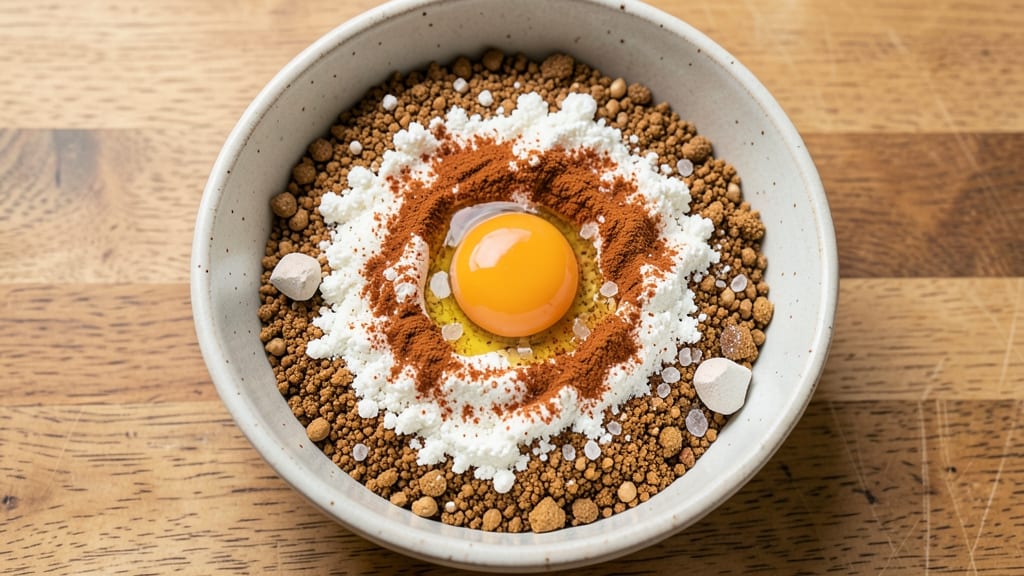
This arrowhead buckwheat pancake mix recipe transforms simple ingredients into fluffy stacks with a distinctive nutty, earthy flavor that sets them apart from traditional pancakes. The secret lies in arrowhead buckwheat flour, a nutrient-rich alternative that adds depth and a satisfying chewiness to every bite.
I developed this recipe after discovering how this ancient grain elevates breakfast into something truly special—perfect for those who appreciate both nutrition and flavor.
The beauty of this mix is its simplicity: just combine the dry ingredients, then whisk with wet components for a batter that's light yet substantial. Each pancake emerges golden brown with a tender interior, its buckwheat character shining through without overpowering the familiar pancake experience.
What makes these stand out is how the buckwheat flour creates a subtle heartiness that pairs beautifully with maple syrup, fresh berries, or even a dollop of whipped cream.
Arrowhead buckwheat flour isn't just about flavor—it's packed with protein and fiber, making these pancakes a satisfying way to start your day. The recipe yields about 12 pancakes, each with a delicate crispness at the edges and a fluffy center.
Whether you're serving them for a weekend brunch or a quick weekday breakfast, the nutty complexity adds a gourmet touch that will impress even the most discerning eaters.
For those with dietary preferences, this mix is naturally gluten-free and can be adapted for vegan diets by substituting plant-based milk and egg replacer. The pancakes freeze beautifully too, so you can make a batch ahead and enjoy them all week.
Let's get started on creating pancakes that are as nutritious as they are delicious.
Ingredients for arrowhead buckwheat pancake mix
Twelve ingredients for pancakes that taste like a gourmet breakfast upgrade.
| Ingredient | Amount | Notes |
|---|---|---|
| Arrowhead Buckwheat Flour 🌾 | 1 ½ cups | Nutrient-rich, gluten-free base |
| All-Purpose Flour 🌾 | ½ cup | For lightness and structure |
| Granulated Sugar 🍚 | ¼ cup | Balances buckwheat's earthiness |
| Baking Powder 🧂 | 1 tbsp | Aluminum-free for best flavor |
| Salt 🧂 | ½ tsp | Diamond Crystal preferred |
| Cinnamon 🌿 | 1 tsp | Ground, not cassia |
| Large Eggs 🥚 | 2 whole | Room temperature preferred |
| Unsalted Butter 🧈 | ½ cup | Cold, cubed for easier mixing |
| Milk 🥛 | 1 ¼ cups | Whole milk for creaminess |
| Pure Maple Syrup 🍯 | 1 tbsp | Grade A for authentic flavor |
| Vanilla Extract 🌸 | 1 tsp | Pure, not imitation |
| Fresh Blueberries 🫐 | ½ cup | Optional, for topping |
| Fresh Lemon Juice 🍋 | 1 tbsp | Brightens flavor profile |
Arrowhead buckwheat flour is the star here—Bob's Red Mill or Anthony's Goods are my go-tos, but any quality brand works. The buckwheat gives these pancakes their signature nutty depth, so don't skimp. For the flour blend, I use King Arthur all-purpose flour because it's reliable, but any good brand will do. If you can't find arrowhead buckwheat flour, regular buckwheat flour works in a pinch, though the flavor will be slightly less complex. The baking powder should be fresh—if it's over a year old, toast it in a dry pan for 10 minutes to revive it.
No fresh blueberries? Frozen work perfectly—just don't thaw them first. Want to make these vegan? Swap the eggs for 2 tbsp ground flaxseed + 6 tbsp water (let sit 5 minutes), and use unsweetened almond milk instead of dairy milk. The butter is non-negotiable for flakiness—Earth Balance vegan butter works if you're avoiding dairy. For extra richness, add 1 tbsp sour cream to the wet ingredients. The maple syrup should be Grade A for pancakes—it's worth the splurge. If you're out, agave nectar is a decent substitute, though it lacks the same depth.
Store the dry mix in an airtight container for up to 3 months—it keeps beautifully. Once mixed, the batter stays fresh in the fridge for 2 days, or you can freeze cooked pancakes for 1 month. I like to wrap them in parchment paper between layers of foil. For reheating, toaster or skillet is best—microwave makes them gummy. These pancakes reheat beautifully, so make a double batch on weekends. The buckwheat flavor actually improves after reheating, so leftovers are a bonus.
Why You'll Love This Recipe
- Five-Ingredient Mix: I keep this blend in my pantry—just add eggs and milk. No fancy tools, no measuring cups to lose, just stir and cook. Honestly, it’s the kind of recipe that makes me feel like I’ve won when I open the fridge at 7:30 AM.
- Earthy Sweet Crunch: That buckwheat flour gives these pancakes a nutty depth you won’t find in plain fluffy cakes. The sugar caramelizes just enough to make every bite feel like a little reward—no syrup needed, though I’ll never say no to it.
- Breakfast or Brunch: Weekday mornings? Check. Sunday brunch with guests? Still check. I’ve even used the leftover mix for savory fritters (swap sugar for cheese and herbs). It’s the kind of versatile that makes you wonder why you ever bought single-use mixes.
- No Waste, All Gain: A single batch lasts me nearly a week if I’m smart. Freeze the extra mix in bags—just scoop and go. And between us? The buckwheat flour is cheaper than most specialty flours, so I’m basically saving money while eating better. Win-win.
Step-by-step instructions for arrowhead buckwheat pancakes
Here's how to mix, cook, and stack these nutty, fluffy pancakes—no shortcuts, just perfect results.
Whisk Dry Ingredients Until Smooth
In a large mixing bowl, combine the 1.5 cups Arrowhead Buckwheat Flour, 0.5 cup All-Purpose Flour, 0.25 cup Granulated Sugar, 1 tbsp Baking Powder, 0.5 tsp Salt, and 1 tsp Cinnamon. Whisk vigorously for 30 seconds until no dry spots remain—this ensures even distribution of the baking powder and prevents dense pancakes.
I like to press the flour mixture through a fine-mesh sieve at this stage, especially the buckwheat flour, to break up any lumps. The buckwheat's earthy texture needs this extra attention to blend seamlessly with the all-purpose flour. Set the dry mixture aside while you prepare the wet ingredients.
Melt Butter and Mix Wet Ingredients
In a separate bowl, melt the 0.5 cup Unsalted Butter in the microwave in 20-second intervals, stirring between each, until fully liquid but not hot. Let it cool for 1 minute—too-hot butter will cook the eggs immediately and create a scrambled texture.
Add the 2 whole Large Eggs, 1.25 cups Milk, 1 tbsp Pure Maple Syrup, 1 tsp Vanilla Extract, and 1 tbsp Fresh Lemon Juice to the melted butter. Whisk until fully combined, then gradually pour the wet mixture into the dry ingredients. Stir gently with a spatula just until incorporated—overmixing develops gluten and makes pancakes tough.
Fold in Blueberries (If Using)
If you're using the 0.5 cup Fresh Blueberries, gently fold them into the batter with a rubber spatula, reserving a few for garnish. The lemon juice in the batter will make them pop with brightness, but don't overmix—they should stay whole for that classic pancake texture.
Let the batter rest for 5 minutes at room temperature. This gives the buckwheat flour time to hydrate fully, which prevents dry pancakes. The batter should be thick but pourable—if it's too stiff, add 1-2 tablespoons of milk to loosen it.
Cook Pancakes on Medium Heat
Heat a nonstick skillet or griddle over medium heat (around 350°F). Lightly grease with butter or oil—this prevents sticking, especially with buckwheat's dense texture. Pour ¼ cup batter per pancake onto the skillet, spreading slightly to form 4-inch circles. Wait until bubbles form on the surface (2-3 minutes), then flip carefully with a spatula.
Cook the second side for another 2 minutes until golden brown. The buckwheat gives these pancakes a distinct nutty flavor, so don't rush the cooking—you'll know they're done when the edges pull away cleanly from the pan. Keep cooked pancakes warm in a 200°F oven while you finish the batch.
Stack and Serve Warm
Transfer pancakes to a plate and stack them immediately while they're still warm. Brush the tops with a little maple syrup and garnish with the reserved blueberries. Serve with extra syrup, whipped cream, or fresh fruit to balance the buckwheat's earthy notes.
These pancakes hold their shape beautifully and stay fluffy for 15 minutes after cooking. If you're making them ahead, reheat in a 350°F oven for 5 minutes to restore crispiness. The lemon juice and cinnamon combo makes every bite taste bright and cozy—trust the process, and you'll have restaurant-quality stacks in no time.
Pro Tips For Making Arrowhead Buckwheat Pancake Mix
- SIFT THE FLOURS: Mix the arrowhead buckwheat flour and all-purpose flour separately first, then combine—this prevents the buckwheat’s grit from overpowering the batter. I learned this the hard way when my first batch turned out dense and uneven.
- MEASURE SUGAR ACCURATELY: Use a kitchen scale for the granulated sugar—buckwheat pancakes need just enough sweetness to balance the earthy flavor, and eyeballing it leads to either cloying or bland results. Trust me, your taste buds will notice.
- WATCH THE BUBBLES: Let the pancakes cook until you see small, tight bubbles on the surface before flipping—rushing it means undercooked centers, while waiting too long burns the outside. Medium-low heat is your friend here.
- PREP THE MIX AHEAD: Whisk the dry ingredients (flour, sugar, baking powder, salt) together in a bowl and store them in an airtight container for up to a week—this saves time on busy mornings. Just add wet ingredients when ready to cook.
Common mistakes when making this recipe
Overmixing the Batter
Buckwheat flour develops gluten faster than all-purpose flour, so resist the urge to stir vigorously after combining wet and dry ingredients. Overmixing creates tough, dense pancakes that lack fluffiness. Stir just until the batter comes together—about 10-12 strokes—then stop.
I often use a spatula to gently fold the batter rather than whisking it. The goal is to maintain the pancakes' delicate texture while incorporating all ingredients evenly. 🥄
Skipping the Rest
Letting the batter rest for 5 minutes before cooking is non-negotiable, especially with buckwheat flour. This allows the flour to fully hydrate, preventing dry, crumbly pancakes. I've made this mistake and ended up with pancakes that resembled dense crackers.
The rest also helps distribute the baking powder evenly, ensuring consistent rise. Don't rush this step—patience pays off with perfectly fluffy results.
Using Hot Butter
Microwaving butter in 20-second bursts is crucial—hot butter cooks the eggs immediately, creating scrambled egg bits in your batter. Always let melted butter cool for 1 minute before mixing with other wet ingredients.
I once forgot this and ended up with lumpy, scrambled-textured pancakes that were inedible. The butter should be liquid but not hot to the touch when you add it to the eggs.
Incorrect Heat Level
Medium heat (350°F) is ideal for buckwheat pancakes—too high, and they burn before cooking through; too low, and they become gummy. I learned this the hard way when my first batch turned out like hockey pucks.
Watch for bubbles on the surface before flipping, and use a nonstick skillet to prevent sticking. If your pancakes aren't browning, increase the heat slightly. A well-seasoned cast iron skillet works great too.
Flipping Too Early
Buckwheat pancakes need time to set before flipping—wait until you see 2-3 minutes of bubble formation on the surface. Flipping too soon results in broken pancakes that fall apart. I've had to salvage many a pancake by carefully pressing it back together with a spatula.
The edges should pull away cleanly from the pan when they're ready to flip. Patience here ensures perfect pancakes every time.
Ignoring the Buckwheat Flour
Don't treat buckwheat flour like all-purpose flour—it's denser and more absorbent. Skipping the sieve step or not accounting for its texture leads to uneven pancakes. I recommend pressing the flour mixture through a fine-mesh sieve to break up any lumps.
The buckwheat's earthy flavor is the star, so give it the attention it deserves. If you're new to buckwheat, start with 1 cup and adjust to taste—some people find it overpowering at first.
Nutrition facts
Frequently asked questions about arrowhead buckwheat pancakes
Why does buckwheat flour make pancakes denser than regular flour?
Arrowhead buckwheat flour has a higher protein content and more complex carbohydrates than all-purpose flour, which creates a denser texture. The nutty flavor also adds substance to each bite. To balance this, the recipe includes all-purpose flour for lightness and a 5-minute batter rest to fully hydrate the buckwheat. Think of it as trading fluffiness for hearty, satisfying texture!
Can I make this recipe without eggs for a vegan version?
Replace the 2 eggs with 2 tbsp ground flaxseed + 6 tbsp water (let sit 5 minutes to thicken). Use unsweetened almond milk instead of dairy milk, and vegan butter for richness. The pancakes will still be fluffy—just let the batter rest 10 minutes extra since flax "eggs" need time to gel.
How do I store leftover pancakes to keep them fresh?
Stack cooked pancakes between parchment paper, then wrap tightly in foil. Store in the fridge for 3 days or freeze for 1 month. To reheat, warm in a 350°F oven for 5 minutes or toast in a skillet with butter until crispy. The buckwheat flavor actually improves after reheating!
What's the best way to adjust sweetness for kids?
Reduce the granulated sugar to 0.125 cup and add 1 tbsp honey to the wet ingredients. Kids often prefer milder flavors, and the honey adds moisture while keeping the buckwheat's earthy notes subtle. For extra appeal, fold in 0.25 cup chocolate chips or mini marshmallows to the batter.
Can I substitute arrowhead buckwheat flour with regular buckwheat flour?
Yes, but expect slightly less complex flavor. Regular buckwheat flour lacks arrowhead's delicate sweetness, so you may want to add 0.5 tsp extra sugar to compensate. For best results, use a 1:1 ratio and sieve both flours thoroughly to prevent grittiness. The texture will be similar, though not identical.