
Desserts
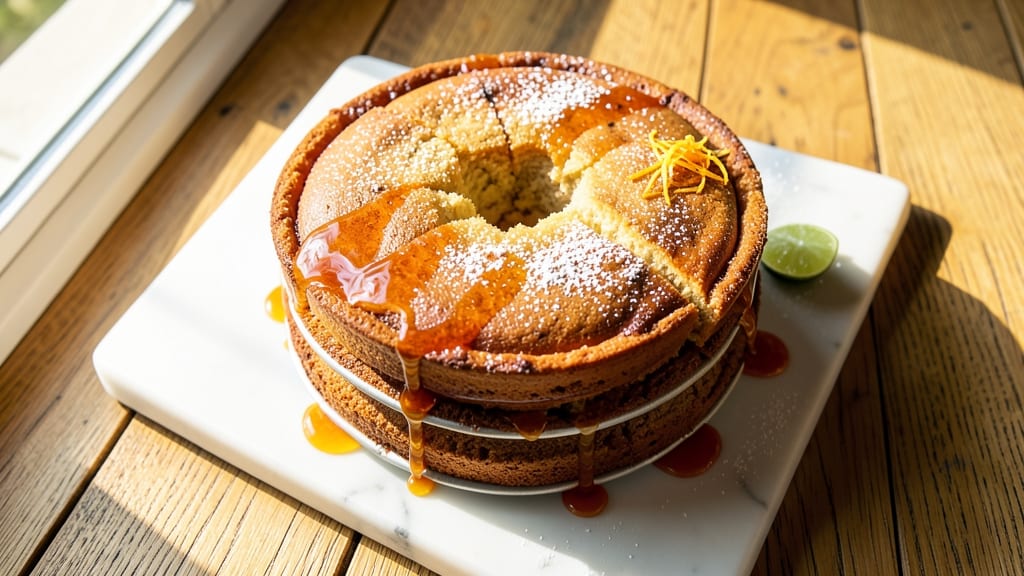
This Aperol cake recipe transforms a classic dessert into a vibrant, citrus-infused masterpiece that balances sweetness with Aperol’s signature bittersweet tang. The secret lies in infusing the batter with Aperol’s signature orange flavor, creating layers of moist, citrus-kissed cake with a bright glaze that’s impossible to resist.
What makes this recipe special is how the Aperol enhances the natural sweetness of the cake while adding a sophisticated depth that elevates it beyond ordinary vanilla or citrus cakes.
The cake itself is a foolproof bake—three simple layers of tender sponge cake, sandwiched with a velvety Aperol-infused cream cheese filling that ties the flavors together perfectly. The glaze, made with powdered sugar, Aperol, and a splash of orange juice, adds a glossy finish that’s both decorative and delicious.
Baking at 350°F for 25-30 minutes per layer ensures even cooking, while letting the cake cool completely before assembling guarantees clean, professional-looking layers.
What you’ll end up with is a stunning dessert that’s as beautiful as it is delicious—bright orange layers with a glossy glaze that shimmers under the light. The Aperol’s bittersweet notes cut through the richness of the cream cheese filling, creating a perfect balance that’s both refreshing and indulgent.
Serve it with a shot of espresso to enhance the citrus flavors or enjoy it as a standalone treat that’s sure to impress.
Perfect for special occasions or when you want to bring a little Italian flair to your dessert table, this cake is easier to make than you’d think.
The key is patience—letting the cake cool and the glaze set ensures every slice is as visually appealing as it is delicious. Let’s get baking!
Ingredients for aperol cake
Bright orange layers and citrus zing start with these 13 simple yet sophisticated ingredients.
| Ingredient | Amount | Notes |
|---|---|---|
| All-Purpose Flour 🌾 | 3 ½ cups | Sifted for light texture |
| Granulated Sugar 🍚 | 2 ½ cups | Superfine preferred for smoothness |
| Unsalted Butter 🧈 | 1 ½ cups | Room temperature, salted optional |
| Large Eggs 🥚 | 6 whole | Room temperature for even mixing |
| Aperol 🍊 | ½ cup | For infusion, not cooking |
| Orange Juice 🍊 | ¼ cup | Freshly squeezed, no pulp |
| Vanilla Extract 🌿 | 2 tsp | Pure, high-quality preferred |
| Baking Powder 🧂 | 2 tsp | Aluminum-free for stability |
| Salt 🧂 | ½ tsp | Fine sea salt preferred |
| Cream Cheese 🧀 | 16 oz | Room temperature, full-fat |
| Powdered Sugar 🍚 | 2 cups | For glaze and filling |
| Heavy Cream 🥛 | ½ cup | Cold for whipped filling |
| Orange Zest 🍊 | 1 tbsp | Fresh, finely grated |
The Aperol is the star here—grab a bottle from World Market or your local liquor store (the good stuff, not the cheap knockoffs). For the cream cheese, Philadelphia brand melts perfectly, but any full-fat block works if you grate it yourself. The flour? King Arthur or Gold Medal brands are my go-to—they bake consistently. Fresh orange juice is non-negotiable; bottled won’t cut it. Pro tip: Zest the orange right before using—it loses potency fast. If you can’t find Aperol, Cointreau or triple sec at half the amount works in a pinch, but you’ll lose that signature bittersweet depth.
No vanilla extract? Seeds from one vanilla bean steeped in warm water for 30 minutes does the trick. The baking powder must be fresh—if it smells like vinegar, toss it. For the glaze, powdered sugar from a canister. The heavy cream should be cold when whipping—room temp makes it grainy. Want extra citrus? Add another tablespoon of zest to the batter. This cake needs patience—don’t rush the cooling between layers, or the filling will slide. Trust me on the full-fat cream cheese; low-fat versions get rubbery when baked.
Store the cake layers separately in an airtight container for up to 3 days—they’ll stay moist but firm. The filling and glaze can be made 1 day ahead and kept refrigerated. Assemble right before serving so the glaze stays glossy. For a crowd, bake two batches and stack them—just double the filling. The glaze sets in 10 minutes, but if it gets too thick, add a splash of orange juice to loosen. Leftovers? Slice and freeze between parchment for 2 months—they thaw beautifully.
Why You'll Love This Recipe
- No-Fuss Mixing: I swear by this recipe because it’s basically a boxed cake mix with a grown-up twist—just fold in the Aperol, no fancy techniques. The butter and sugar are creamed smooth, eggs whipped in, and boom: you’re done. Honestly, my 10-year-old could help (and usually does).
- Bittersweet Magic: That Aperol isn’t just a splash—it’s the star. The orange notes brighten the richness of the butter, while the bitterness balances the sugar just enough to make every bite feel like a little Italian café. (Yes, even on a Tuesday night.)
- Crowd-Pleaser Any Day: This cake is my go-to for birthdays, book club gatherings, or when I need dessert without the fuss. Serve it warm with whipped cream or chilled with a dusting of powdered sugar—it’s that adaptable. Between us, it’s the only cake my picky dad won’t skip.
- Leftovers? No Problem: Bake one, eat it over three days. The texture stays moist (thank you, eggs and butter), and the Aperol flavor only gets better as it sits. I’ll be real: I’ve reheated slices in the microwave and pretended it was intentional. (It’s not, but it works.)
Step-by-step instructions for Aperol cake
This vibrant cake delivers layers of citrusy brightness and velvety cream cheese filling—here's how to assemble it perfectly.
Prepare the Cake Batter with Aperol Infusion
Preheat your oven to 350°F and grease three 8-inch round cake pans, lining the bottoms with parchment paper. In a medium bowl, whisk together the 3.5 cups all-purpose flour, 2.5 cups granulated sugar, 2 tsp baking powder, and 0.5 tsp salt. Sift the dry ingredients directly into the bowl to ensure even distribution of the baking powder.
In a separate large bowl, cream the 1.5 cups unsalted butter and the 6 whole large eggs on medium speed until light and fluffy, about 3-4 minutes. Gradually add the dry ingredients while mixing on low speed, alternating with the 0.25 cup orange juice and 2 tsp vanilla extract. Here's where the magic happens: slowly pour in the 0.5 cup Aperol—this adds that signature bittersweet citrus note without overpowering the batter.
Bake the Layers to Perfect Moisture
Divide the batter evenly among the prepared pans, filling each about two-thirds full. Bake for 25-30 minutes or until a toothpick inserted into the center comes out clean. The layers should be golden on top but still tender—overbaking will make them dry. Let the cakes cool in their pans for 10 minutes before transferring to a wire rack to cool completely.
I always tap the pans gently on the countertop before removing the cakes—this helps release them cleanly from the parchment. The Aperol-infused batter should yield cakes with a fine crumb and a subtle citrus aroma that lingers in the kitchen.
Create the Cream Cheese Filling
While the cakes cool, prepare the filling by beating the 16 oz cream cheese and 2 cups powdered sugar together in a stand mixer until smooth and creamy. Add the 0.5 cup heavy cream and mix until light and fluffy. Fold in the 1 tbsp orange zest and a splash of the remaining 0.25 cup orange juice if the mixture seems too thick—this balances the sweetness with a bright citrus tang.
The filling should be thick enough to hold its shape when piped but still spreadable. If it's too soft, chill it for 15 minutes before assembling. This step is where the cake's signature layers get their signature creaminess—don't rush it.
Assemble the Cake with Precision
Place the first cake layer on a serving plate and spread an even layer of the cream cheese filling, leaving a ½-inch border around the edges. Repeat with the second layer, then place the third layer on top. Dust the top layer lightly with powdered sugar to mimic the look of a classic Italian dessert.
For extra flair, you can pipe additional filling around the edges or create a decorative pattern on top. The key is to keep everything level—use a long serrated knife to trim any uneven edges if needed. Let the assembled cake rest in the refrigerator for at least 2 hours before serving to allow the filling to set properly.
Serve with Citrus Accents
Slice the cake with a hot, clean knife for clean edges. Serve each piece with a dusting of powdered sugar and a few fresh orange slices on the side. The contrast between the moist cake layers, tangy filling, and bright citrus garnish makes this dessert truly special.
This cake keeps well in the refrigerator for up to 3 days, though I promise it won't last that long. The Aperol infusion gives it a sophisticated depth that pairs beautifully with espresso or a glass of the same spirit that inspired it.
Pro Tips For Making Aperol Cake
- Chill the Batter First: Mixing the Aperol cake batter with cold eggs and butter—straight from the fridge—keeps the texture light and prevents a dense, gummy crumb. I learned this the hard way after baking a version where the eggs were room temp, and the cake turned out like a sad sponge.
- Use Room-Temp Butter: Cold butter creates pockets of air in the batter, but room-temp butter emulsifies better with the eggs and sugar, giving you a smoother, richer crumb. Take it out 30 minutes before mixing—no need to go full melted, just soft enough to press gently.
- Don’t Overmix the Batter: Once you fold in the flour, stop as soon as it’s just combined—any extra stirring develops gluten and makes the cake tough. I used to think more mixing meant better structure, but this cake thrives on its delicate, airy texture.
- Add Aperol Last: Pour the Aperol in at the very end, right after the dry ingredients, and fold it in gently to preserve its bright flavor and aroma. Adding it earlier lets the alcohol evaporate, turning your cake into a boring vanilla sponge. (Yes, even if you’re impatient like me.)
Troubleshooting this dish
Cake Too Dense
If your cake layers turn out dense instead of light and airy, the issue is likely overmixing the batter. The Aperol-infused batter needs gentle handling—mix just until combined after adding the dry ingredients. Also, ensure your butter and eggs are fully room temperature (about 70°F).
Cold ingredients can cause dense texture. I’ve found that sifting the flour and baking powder together first helps prevent lumps that contribute to density. 🌿
Filling Too Soft
A runny filling is usually caused by over-whipping the cream cheese mixture or using warm cream. Always chill the heavy cream in the fridge before whipping, and beat the cream cheese and powdered sugar on low speed until smooth before increasing to medium.
If the filling still feels too soft, transfer it to the fridge for 15-20 minutes before assembling. This trick saves me every time! ❄️
Glaze Too Thick
If your glaze is too thick to drizzle smoothly, it’s likely because the powdered sugar absorbed too much moisture from the Aperol. Thin it with 1-2 teaspoons of orange juice at a time until it reaches a pourable consistency.
For extra shine, strain the glaze through a fine-mesh sieve to remove any lumps. I always test the glaze on a small plate first—it should coat the back of a spoon but still flow easily. ✨
Layers Separating
Uneven layers or separation usually happen when the cake layers aren’t completely cool before assembly. Let each layer sit at room temperature for at least 1 hour after baking, then refrigerate for 10 minutes before spreading the filling.
This ensures the layers hold together. Also, use a serrated knife to level the tops—this prevents gaps where filling might ooze out. 🔪
Alcohol Smell Too Strong
The Aperol should add flavor, not an intoxicating aroma. If the cake smells too strong, reduce the Aperol to ¼ cup next time and increase the orange juice to ¼ cup for balance.
Baking at 350°F helps evaporate some of the alcohol, but the citrus notes should dominate. For a milder version, substitute 2 tablespoons of Cointreau (it’s sweeter and less bitter). 🍊
Cake Sticking to Pans
Even with greased pans and parchment paper, cakes sometimes stick. The Aperol’s moisture can make the batter extra clingy. Line the pans with parchment circles that extend up the sides, and grease the parchment too.
Tap the pans gently on the counter before removing the cakes—this helps release them cleanly. If they still stick, run a thin knife around the edges to loosen them before cooling. 🧈
Nutrition facts
Frequently asked questions
Can I substitute Aperol with another liqueur?
Yes, but you'll lose some of the signature bittersweet citrus flavor. For a similar effect, use 2 tablespoons of Cointreau or triple sec per 0.5 cup of Aperol. If you prefer a sweeter profile, orange liqueur works well too. Just remember that Aperol's unique balance of sweet and bitter is what makes this cake special!
How do I make this cake gluten-free?
Replace the all-purpose flour with a 1:1 gluten-free baking flour blend like Bob's Red Mill or King Arthur. You may need to add 1-2 teaspoons of xanthan gum to improve texture. Keep all other measurements the same, but expect the cake to be slightly denser. The Aperol infusion will still shine through!
Can I make this cake ahead of time?
Bake the cake layers 1 day ahead and store them separately in an airtight container. The filling and glaze can be made 1 day ahead too. Assemble the cake right before serving so the glaze stays glossy. This cake actually tastes better the next day as the flavors meld together.
Why does my cake have a strong alcohol smell?
The Aperol should add flavor, not an intoxicating aroma. If it smells too strong, reduce the Aperol to ¼ cup next time and increase the orange juice to ¼ cup for balance. Baking at 350°F helps evaporate some alcohol, but the citrus notes should dominate. For a milder version, substitute 2 tablespoons of Cointreau instead.
What's the best way to serve this cake?
Serve slices at room temperature with a dusting of powdered sugar and fresh orange slices. For an authentic Italian touch, pair with a shot of espresso to enhance the citrus flavors. You can also serve it with a glass of Aperol Spritz on the side for a fun presentation. The contrast between the moist cake, tangy filling, and bright citrus garnish makes it truly special!