
Desserts
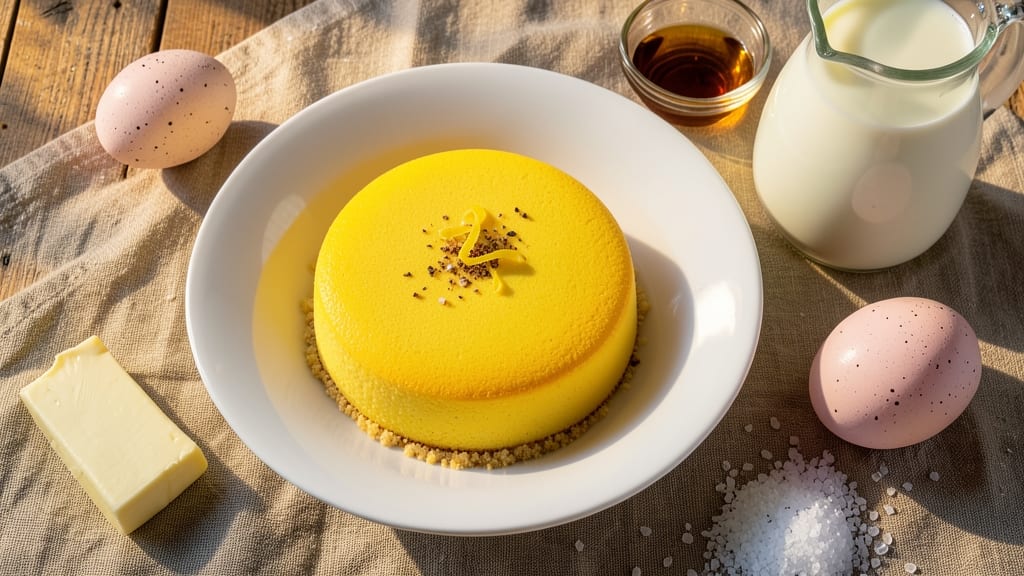
America's Test Kitchen's yellow cake recipe delivers the perfect balance of moist layers and vanilla infusion that bakes up tender yet sturdy—no dry crumbs or dense centers here. This isn't just another cake recipe; it's the result of meticulous testing to ensure every slice stays fresh-tasting for days.
The secret lies in precise measurements and a foolproof mixing method that incorporates air gently, creating that signature light texture.
What sets this recipe apart is its foolproof technique for achieving consistent results every time, whether you're baking for a celebration or just craving a classic slice. The cake's golden hue and delicate crumb are achieved through a specific ratio of ingredients—no guesswork, just science-backed perfection.
It bakes in a standard oven at 350°F for 25-30 minutes, yielding layers that cut cleanly and hold their shape.
By the time you pull it from the oven, you'll have a cake with moist, velvety layers that stay tender even after frosting. The vanilla infusion adds depth without overpowering, while the subtle sweetness ensures it's versatile for any occasion.
Whether you're layering it with buttercream or serving it plain, this cake delivers restaurant-quality results at home.
Ready to master this recipe? The instructions include troubleshooting tips for common baking challenges, so you can achieve success on your first try. Let's get started on creating the perfect yellow cake.
Ingredients for america's test kitchen yellow cake
Precision measurements and quality ingredients deliver the signature moist layers and vanilla infusion.
| Ingredient | Amount | Notes |
|---|---|---|
| All-Purpose Flour 🌾 | 2 ½ cups | Sifted for even texture |
| Granulated Sugar 🍚 | 1 ½ cups | White or light brown preferred |
| Unsalted Butter 🧈 | 1 cup | Room temperature, cubed |
| Pure Vanilla Extract 🌿 | 2 tbsp | High-quality, no imitation |
| Large Eggs 🥚 | 4 whole | Room temperature, separated |
| Whole Milk 🥛 | 1 cup | Room temperature |
| Baking Powder 🍃 | 2 tsp | Diamond Crystal preferred |
| Salt 🧂 | ½ tsp | Kosher or sea salt |
| Vegetable Oil 🫒 | ¼ cup | Light, neutral flavor |
| White Vinegar 🍶 | 1 tbsp | For tender crumb |
The flour and sugar ratio is critical for that signature tender crumb. King Arthur or Gold Medal flours yield the best results due to their protein balance, while Domino works in a pinch. Sugar should be fine granulated—lump-free for even distribution. Unsalted butter is essential; even a pinch of salt alters the delicate flavor balance. Plugrá or Land O'Lakes brands work well when stored properly. Room-temperature eggs and milk are non-negotiable—they emulsify better for that signature light texture. For the vanilla, McCormick Pure or Nielsen-Massey are industry standards, but avoid imitation extracts.
No baking powder? Baking soda plus cream of tartar at a 1:2 ratio works, but results may vary. Substituting vegetable oil with melted butter (same quantity) adds richness but may slightly alter the crumb. For a lighter texture, buttermilk can replace milk and vinegar (1 cup buttermilk = 1 cup milk + 1 tbsp vinegar). The vinegar here isn't for tang—it tenderizes the gluten for that signature clean slice. If you're using a stand mixer, use the paddle attachment to avoid over-developing the gluten. For hand mixers, mix on low speed to incorporate air gently, just as America's Test Kitchen recommends.
Store wrapped layers in an airtight container at room temperature for 2 days or refrigerate for 5 days to maintain moisture. For longer storage, freeze layers (unfrosted) for up to 3 months300°F for 10 minutes with a sprinkle of powdered sugar. For restaurant-quality results, always bring ingredients to room temperature before mixing. This ensures even distribution and prevents dense centers.
Why You'll Love This Recipe
- No-Fail Basics: I’ve made this cake so many times I’ve lost count—and it’s never let me down. Cream the butter and sugar until it’s light and airy, fold in the eggs one at a time, and boom. No overmixing, no guessing. The ATK method actually works like it’s supposed to.
- Butter-Sugar Magic: That creamed butter-sugar combo? It’s where the real flavor lives. The butter adds richness without being heavy, and the sugar dissolves just enough to keep it tender but not gummy. Honestly, I’ve tried other recipes where the cake tastes flat—this one’s got that depth that makes you go back for another slice.
- Layering Potential: This cake isn’t just for birthdays. Frost it with cream cheese for a breakfast casserole, stack it with lemon curd for a dessert, or even cube it for trifle. Between us, I’ve used it for everything from potlucks to last-minute gifts—it’s the blank canvas of cakes.
- Pantry Staple Power: Five ingredients, zero specialty items. You’re probably already looking at your flour and butter right now. And because it’s so simple, it’s also budget-friendly—no need to splurge on fancy add-ins. Plus, leftovers? They stay fresh for days, so you’re not stuck baking every weekend.
Step-by-step instructions for america's Test Kitchen yellow cake
This method delivers consistently moist layers with perfect vanilla infusion every time.
Prepare Your Mixing Tools and Ingredients
Begin by sifting the 2.5 cups all-purpose flour and 2 tsp baking powder together into a medium bowl. This sifting step ensures even distribution of leavening and eliminates any potential lumps, which is critical for a light, uniform crumb. Set this mixture aside temporarily.
In a separate large bowl, measure out the 1 cup unsalted butter and 0.25 cup vegetable oil. Let both ingredients sit at room temperature for 15-20 minutes before using—this ensures they blend smoothly without leaving greasy pockets in your cake. The butter should be soft enough to press gently with your finger but not melted. While these ingredients come to temperature, separate the 4 whole large eggs, placing the yolks in one bowl and whites in another.
Cream Butter, Sugar, and Egg Yolks
Using a stand mixer fitted with the paddle attachment, beat the 1 cup unsalted butter and 1.5 cups granulated sugar on medium speed for 3-4 minutes until the mixture is light, fluffy, and has nearly doubled in volume. You'll notice the color lighten from pale yellow to a nearly white hue—this indicates proper aeration. Scrape down the sides of the bowl with a rubber spatula to ensure even mixing.
Reduce the mixer speed to low and add the egg yolks, one at a time, mixing just until each is fully incorporated. This gradual addition prevents the eggs from cooking in the warm butter mixture. In a small bowl, whisk together the 1 cup whole milk, 2 tbsp pure vanilla extract, 0.5 tsp salt, and 1 tbsp white vinegar. The vinegar may seem unusual, but it tenderizes the gluten for a more delicate crumb.
Combine Wet and Dry Ingredients
With the mixer running on low speed, gradually add about one-third of the sifted dry ingredients to the butter mixture. Mix just until combined, then alternate adding the remaining dry ingredients and the milk mixture in three parts. Begin and end with the dry ingredients to ensure proper incorporation. Mix on low speed for 30-45 seconds after the final addition, just until the batter is smooth and no flour streaks remain.
This alternating method creates a tender crumb while ensuring even distribution of leavening. The batter should be thick but pourable—if it appears too stiff, add 1-2 tablespoons of milk to reach the proper consistency. Avoid overmixing at this stage, as it can develop gluten and result in a tough cake.
Whip Egg Whites and Fold Gently
In a clean, grease-free bowl, beat the egg whites on medium speed until soft peaks form. Gradually add 1 tbsp granulated sugar and continue beating until the meringue is glossy and holds stiff peaks. This step adds lightness to the cake while reinforcing its structure. Fold one-third of the meringue into the batter using a rubber spatula, then gently fold in the remaining meringue in two additions. Be careful not to deflate the batter—this is where precision matters most.
The goal is to create a marbled effect with the meringue while maintaining the airiness you've built. The final batter should be smooth with just a few streaks of white remaining. Don't worry if it looks slightly under-mixed—the gentle folding preserves the cake's delicate texture.
Bake to Golden Perfection
Preheat your oven to 350°F and grease two 8-inch round cake pans with vegetable oil, then line the bottoms with parchment paper. Divide the batter evenly between the pans and smooth the tops with a spatula. Bake for 25-30 minutes, or until a toothpick inserted into the center emerges clean. Rotate the pans halfway through baking for even heat distribution.
Watch for the edges to pull away from the pan and the tops to develop a golden hue. The cake should spring back slightly when gently pressed in the center. Remove from the oven immediately and let cool in the pans for 10 minutes, then transfer to a wire rack to cool completely. This cooling process prevents steam buildup, which can make the cake gummy.
Pro Tips For Making America'S Test Kitchen Yellow Cake
- Cream Butter and Sugar Slowly: I used to rush this step, thinking it didn’t matter, but the ATK recipe counts on that butter-sugar mix being light and airy. Take your time—about 3-4 minutes with a hand mixer—until the mixture looks like wet sand and is just starting to pale. That’s when the cake gets its signature tender crumb, not that dense, greasy texture.
- Sift the Flour Twice: This isn’t just about aeration—it’s about consistency. The ATK recipe relies on a smooth batter, and flour settles over time. Sift it into the bowl before mixing, then give it a quick whisk to break up any remaining lumps. I learned this the hard way when my cake turned out gummy—turns out, flour clumps hide in plain sight.
- Don’t Overmix the Batter: The second you see streaks of flour disappearing, stop. Overmixing develops gluten, and that’s how you end up with a cake that’s more like a dense pound cake than the light, fluffy ATK version. Fold in the dry ingredients just until combined—about 10-12 strokes max. Your future self will notice the difference.
- Use Room-Temp Eggs and Butter: Cold eggs and butter are the silent saboteurs of this recipe. Let them sit out for at least 1 hour before starting—yes, even if you’re impatient like me. Room temperature ensures even mixing and a consistent crumb. I skipped this once and ended up with a cake that baked unevenly and had a weird texture. Not worth the shortcut.
Regional styles of america's test kitchen yellow cake
Southern Classic Style
In the South, this yellow cake often becomes the star of pound cake variations, where it's baked in a loaf pan and sliced thick. Add ½ cup sour cream to the batter for extra moisture and richness—this Southern twist keeps the cake tender even after days.
Top with a vanilla bean glaze made from ½ cup powdered sugar and 2 tbsp milk, then brush with 1 tsp bourbon for depth. Serve with peach cobbler or whipped cream for a true Southern dessert experience. 🍑
Midwest German Influence
The Midwest adapts this cake with cardamom and rum, creating a spiced twist called "German Chocolate Cake" (though it's not actually German!). Add 1 tsp ground cardamom to the dry ingredients and replace 1 tbsp vanilla extract with 1 tbsp dark rum.
Top with a chocolate ganache and pecans for a nod to the classic Midwest dessert. This version pairs beautifully with black coffee or spiced apple cider. ☕
New England Layer Cake
New England bakers often use this cake as the base for layer cakes, especially for birthdays and holidays. After baking, brush the layers with a simple syrup (equal parts sugar and water) while still warm to lock in moisture.
Frost with New England-style buttercream—made with ½ cup softened butter, 2 cups powdered sugar, and 2 tbsp heavy cream—for a lighter, fluffier finish. Decorate with fresh berries or edible flowers for a charming, rustic touch. 🌸
Texas-Style Funfetti
In Texas, this cake transforms into a Funfetti version by folding in ¼ cup rainbow sprinkles into the batter after mixing. For extra flair, add ½ tsp lemon zest to the dry ingredients for brightness.
Serve with a creamy lemon curd frosting or a vanilla bean buttercream to balance the sweetness. This playful twist is perfect for birthday celebrations and picnics, where bold flavors shine. 🎉
Pacific Northwest Berry Twist
The Pacific Northwest elevates this cake with local berries, like blueberries or raspberries. Fold 1 cup fresh berries into the batter after mixing, or layer them between frosting.
For a berry compote, simmer 1 cup mixed berries with 2 tbsp sugar and 1 tbsp lemon juice until thickened, then spread between layers. Pair with whipped cream and toasted hazelnuts for a sophisticated dessert. 🫐
Modern Minimalist Version
For a sleek, modern take, skip the frosting entirely and serve the cake naked with a drizzle of honey or caramel. Add 1 tbsp espresso powder to the dry ingredients for a subtle coffee note that pairs well with dark chocolate shavings.
This minimalist style highlights the cake's natural vanilla flavor and is perfect for brunch or afternoon tea. ✨
Nutrition facts
Frequently asked questions
Why does this recipe use both butter and vegetable oil?
The combination creates the signature moist yet tender crumb. Butter adds richness and flavor while vegetable oil keeps the cake tender longer. The oil prevents dryness, especially when storing layers. Never substitute all butter with oil—it affects the cake's structure and flavor balance.
Can I bake this cake in a different pan size?
Yes, but adjust baking time accordingly. For 9-inch pans, reduce time by 3-5 minutes (check at 22 minutes). For 6-inch pans, increase by 5-7 minutes. Always use parchment paper and grease pans thoroughly to prevent sticking. The cake should spring back when gently pressed.
What's the best way to store leftover cake layers?
Wrap layers tightly in plastic wrap, then place in an airtight container at room temperature for 2 days. For longer storage, refrigerate for 5 days or freeze unfrosted layers for up to 3 months. Thaw at room temperature before assembling. Never freeze already-frosted cakes—the moisture causes sogginess.
Why did my cake turn out dense instead of light?
Overmixing develops gluten, making the cake tough. Mix only until combined—stop when no flour streaks remain. Also check these: cold eggs/butter (must be room temp), underbaked time (toothpick should come out clean), or expired baking powder. For extra insurance, sift dry ingredients together before mixing.
Can I make this cake gluten-free?
Yes, but results may vary. Replace the 2.5 cups all-purpose flour with a 1:1 gluten-free baking blend (like Bob's Red Mill) plus ½ tsp xanthan gum. Add 1 extra tbsp milk to compensate for reduced moisture in GF flours. Expect a slightly denser texture—this cake relies heavily on gluten structure for its signature lightness.