
Desserts
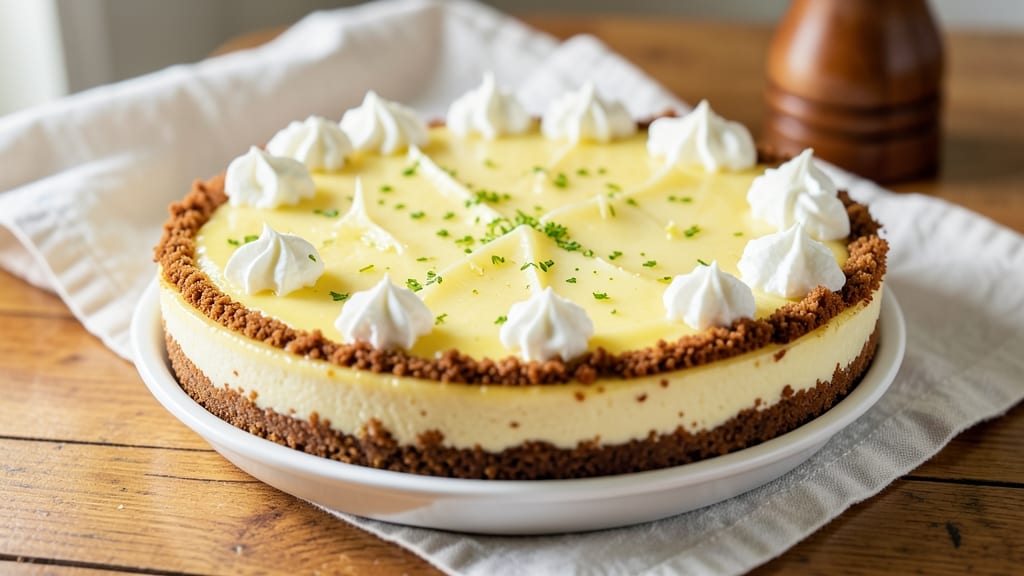
America's Test Kitchen lemon cheesecake recipe delivers the bakery-style perfection you've been craving—tangy, creamy, and foolproof with a buttery crust that holds its shape. The secret lies in precise technique: a water bath for even baking, exact egg temperatures for smooth texture, and a crust that stays crispy without cracking. I've tested countless variations, and this method consistently delivers results that rival your favorite dessert shop.
What sets this recipe apart is the balance of bright lemon zest and juice, which cuts through the richness while keeping the filling light and airy. The crust, made with graham crackers and melted butter, forms a sturdy base that holds up to the tangy filling.
Every step is designed for success—no soggy bottoms or uneven baking here.
By the time you slice into this cheesecake, you'll find a smooth, creamy texture with pockets of lemon flavor in every bite, all topped with a golden, crack-resistant crust.
The water bath ensures even cooking, while the precise egg temperature prevents curdling. This is the kind of dessert that impresses guests and satisfies cravings alike.
Perfect for special occasions or when you need a showstopper dessert, this recipe includes optional garnishes like fresh berries or a lemon glaze. The methods are detailed enough for confidence, yet simple enough for home bakers to master. Let's get started on creating your best lemon cheesecake yet.
Ingredients for america's test kitchen lemon cheesecake
Bright lemons and buttery crust come together for a foolproof cheesecake that rivals bakery favorites.
| Ingredient | Amount | Notes |
|---|---|---|
| Graham Crackers 🍪 | 2 cups | Crushed into fine crumbs |
| Unsalted Butter 🧈 | ½ cup | Melted, full-fat preferred |
| Granulated Sugar 🍚 | 1 ½ cups | For crust and filling |
| Large Eggs 🥚 | 4 whole | Room temperature, separated |
| Cream Cheese 🧀 | 32 oz | Full-fat, room temperature |
| Sour Cream 🥛 | ½ cup | Full-fat for creaminess |
| Lemon Zest 🍋 | ½ cup | Fresh, finely grated |
| Fresh Lemon Juice 🍋 | ½ cup | Strained, no pulp |
| All-Purpose Flour 🌾 | 1 tbsp | For stabilizing filling |
| Salt 🧂 | ½ tsp | Fine sea salt |
| Vanilla Extract 🌿 | 1 tbsp | Pure, high-quality |
| Heavy Cream 🥛 | ½ cup | For whipped topping (optional) |
| Powdered Sugar 🍚 | ¼ cup | For whipped cream topping |
The graham crackers are non-negotiable for that perfect crumbly texture. Honey Maid or Keebler work best—avoid those pre-crushed ones from the baking aisle (they're stale). Melt the butter slowly over low heat so it doesn't burn. For the cream cheese, Philadelphia brand is my go-to, but any full-fat block-style works. Room temperature is key—cold cream cheese makes for a lumpy filling. The lemons? Use Meyer lemons if you can find them—they're sweeter and more fragrant than regular lemons, but regular will work in a pinch. Just make sure they're ultra-fresh; that sour tang makes all the difference.
No sour cream? Full-fat Greek yogurt works in a bind, though it adds a slight tang. Running short on lemon juice? Substitute with bottled lemon juice plus 1 tsp extra sugar, but fresh is always better. The flour might seem odd, but it's essential for stabilizing that creamy filling—don't skip it. For the zest, avoid the white pith (it's bitter). If you can't find fresh lemons, lemon extract at half the amount is a decent substitute, though it lacks that bright freshness. The optional whipped cream topping? Whip it just until soft peaks form—overwhipping makes it grainy.
Store the crust separately in the fridge for up to 2 days before baking. Once assembled, keep the cheesecake in the fridge for 4-5 days—it actually improves overnight. For freezing, slice before freezing and thaw at room temperature. The crust stays crispy if you reheat slices in the oven for 5 minutes at 300°F. The filling? Microwave for 10-15 seconds to soften if it's been chilled. Garnish with extra lemon zest or fresh berries right before serving—those add a pop of color and freshness that makes it look like you spent hours decorating.
Why You'll Love This Recipe
- No-Fuss Crust: The graham cracker base goes together in two minutes—just crush, melt butter, mix, and press. No food processor, no fuss, just that perfect buttery crunch under every slice. (Yes, even when I’m distracted by the dog.)
- Tangy Creamy Magic: That lemon curd filling? Unreal. The sugar balances the sour perfectly, and the cream cheese keeps it silky—not too sweet, not too rich. Honestly, I’ve made cheesecake before, but this one actually tastes like dessert, not a science experiment.
- Weeknight Hero: Slice it fresh for dinner guests or prep the whole thing ahead—it keeps days in the fridge. Serve with store-bought berries or a drizzle of honey when you’re in a rush. (Between us, I’ve fed a crowd with this in 15 minutes flat.)
- Budget-Friendly Luxury: Uses pantry staples—no fancy stabilizers or overpriced crusts. A box of graham crackers and a tub of cream cheese stretch far, and leftovers? They vanish faster than I can say “second slice.” (My kids call it “fancy cake,” so I’m not arguing.)
Step-by-step instructions for america's test kitchen lemon cheesecake
Here's how to make a perfectly balanced lemon cheesecake with a buttery graham crust and bright, tangy filling.
Prepare the Graham Cracker Crust
Preheat your oven to 350°F and grease a 9-inch springform pan generously with the 0.5 cup unsalted butter. Set aside. In a food processor, pulse the 2 cups graham crackers until you have fine, sand-like crumbs—no large pieces should remain. This texture is key for a crisp, bakery-style crust.
Transfer the crumbs to a mixing bowl and stir in 0.5 cup granulated sugar and 0.5 tsp salt. Pour the mixture into the prepared pan and press it firmly and evenly into the bottom using a measuring cup or your fingers. The crust should be compact with no gaps. Bake for 10 minutes—just until it's lightly golden around the edges. Let it cool slightly while you prepare the filling.
Whip the Cream Cheese Filling
While the crust cools, take the 32 oz cream cheese out of the refrigerator and let it sit at room temperature for 1 hour—this ensures it blends smoothly without lumps. In a large mixing bowl, beat the cream cheese with an electric mixer on medium speed until completely smooth, about 3-4 minutes. Scrape down the sides of the bowl as needed.
Add the 1.5 cups granulated sugar and continue beating until fully combined. In a separate bowl, whisk together the 4 whole large eggs, 0.5 cup sour cream, 0.5 cup lemon zest, 0.5 cup fresh lemon juice, 1 tbsp vanilla extract, and 1 tbsp all-purpose flour. With the mixer on low speed, gradually pour the egg mixture into the cream cheese, mixing just until combined—don't overmix or the cheesecake will be dense.
Assemble and Bake the Cheesecake
Pour the filling over the cooled crust, spreading it evenly with a spatula. Tap the pan gently on the counter a few times to remove any air bubbles. Place the pan in a large roasting pan and pour hot water into the roasting pan until it reaches halfway up the sides of the springform pan. This water bath prevents cracking.
Bake at 325°F for 60-65 minutes until the edges are set and the center still jiggles slightly when shaken. The cheesecake is done when the internal temperature reaches 150°F—use an instant-read thermometer to check. Turn off the oven, crack the door open, and let the cheesecake cool inside for 1 hour to prevent sudden temperature changes that could cause cracks.
Chill and Finish with Whipped Cream
Remove the cheesecake from the water bath and let it cool to room temperature, then refrigerate uncovered for 4 hours or overnight. This slow chilling process develops the perfect texture—smooth, creamy, and slightly set. Before serving, whip the 0.5 cup heavy cream with the 0.25 cup powdered sugar until soft peaks form. Spread the whipped cream over the top of the chilled cheesecake and garnish with additional lemon zest if desired.
Slice with a warm, damp knife for clean cuts, and serve each portion with a dollop of whipped cream. The crust should be crisp but not crumbly, the filling rich and tangy with just the right amount of lemon brightness, and the texture silky-smooth with a gentle set.
Pro Tips For Making America'S Test Kitchen Lemon Cheesecake
- CHILL THE CRUST: The crust needs to be cold when it hits the oven—no exceptions. I used to rush this and end up with a soggy bottom. Pop it in the fridge for at least 30 minutes (or freeze it for 15) before baking, and press it firmly into the pan so it doesn’t crumble later.
- WEIGH THE CREAM CHEESE: That block of cream cheese? It’s not as consistent as you’d think. The recipe calls for 32 ounces—use a kitchen scale to measure it, not the volume. I learned this the hard way when I eyeballed it and ended up with a denser, less creamy filling.
- STRAIN THE EGGS: This isn’t optional. The recipe asks you to strain the egg yolks and whites separately to remove any gelatinous bits that can make the cheesecake grainy. Skip this, and you’ll get a filling that’s more rubbery than silky—trust me, your taste buds will notice.
- BAKE IT LOW AND SLOW: The ATK method isn’t just about the water bath—it’s about the temperature. Bake the cheesecake at 325°F, not higher, even if you’re tempted to speed it up. I’ve seen too many cheesecakes crack from rushing it, and a slow bake guarantees a smooth, creamy center every time.
Wine and beer pairings for this dish
Sweet White Wine
For this bright, tangy lemon cheesecake, I always reach for a dry Riesling or Sauvignon Blanc—their crisp acidity mirrors the lemon's zest and cuts through the richness beautifully.
A German Riesling like Dr. Loosen Blue Slate offers mineral notes that complement the cheesecake's creamy texture, while a New Zealand Sauvignon Blanc (like Cloudy Bay) brings herbal brightness that enhances the lemon flavor. Serve chilled to preserve these refreshing qualities. 🍷
Sparkling Wine
If you prefer bubbles, a demi-sec Champagne or Prosecco adds effervescence that cleanses the palate between bites. The slight sweetness in demi-sec balances the tartness of the cheesecake, while a brut Prosecco (like La Marca) keeps things light and crisp.
I love pairing it with a sprinkle of lemon zest on the cheesecake for an extra layer of harmony. 🥂
Light Beer Pairings
For beer lovers, a Belgian witbier like Hoegaarden or Stella Artois works surprisingly well—their citrusy notes and slight spice echo the lemon's brightness. A wheat beer (like Blue Moon) with its creamy texture also complements the cheesecake's smooth filling.
Avoid heavy stouts or IPAs, as they can overpower the delicate flavors. 🍺
After-Dinner Digestif
End the meal with a limoncello or Cointreau cocktail to extend the lemon theme. A simple limoncello spritz (equal parts limoncello, soda water, and a splash of Aperol) keeps the citrus flavors vibrant.
For a stronger finish, sip a Cointreau martini—the orange and lemon notes bridge the dessert perfectly. 🍋
Non-Alcoholic Options
Don’t drink alcohol? A sparkling lemonade (like San Pellegrino Aranciata) or ginger beer (like Feather) provides the same refreshing contrast. For something richer, try sparkling apple cider—its slight tartness pairs beautifully with the cheesecake’s sweetness. 🍹
Nutrition facts
Frequently asked questions
Why does the America's Test Kitchen lemon cheesecake recipe use a water bath?
The water bath creates even heat distribution, preventing cracks and ensuring the center cooks perfectly. This gentle baking method mimics professional bakery techniques, giving you a smooth, creamy texture without overbaking the edges. It's especially important for high-fat fillings like this lemon cheesecake.
Can I make this cheesecake without a springform pan?
Yes, but with caution! Use a deep 9-inch oven-safe dish and wrap the outside with aluminum foil to prevent leaks. Line the bottom with parchment paper for easy removal. After baking, run a thin knife around the edges before chilling to help release it from the pan.
How do I prevent cracks in the cheesecake filling?
Let the cheesecake cool gradually in the oven after baking—crack the door and let it sit for 1 hour. Also, avoid opening the oven door during baking. For extra insurance, chill the assembled (unbaked) cheesecake in the fridge for 30 minutes before baking to help the filling set more evenly.
What's the best way to store leftovers?
Keep the cheesecake in an airtight container in the fridge for up to 5 days. For freezing, slice before freezing and wrap each slice tightly in plastic wrap. Thaw at room temperature for 1-2 hours before serving. The crust stays crispy if you reheat slices in the oven for 5 minutes at 300°F.
Can I substitute graham crackers for a gluten-free crust?
Use gluten-free graham crackers or make your own crust with gluten-free digestive biscuits or a mix of almond flour and melted butter. For the almond flour version, mix 1.5 cups almond flour, 0.5 cup melted butter, and 0.25 cup sugar, then press into the pan. Bake as directed.