
Desserts
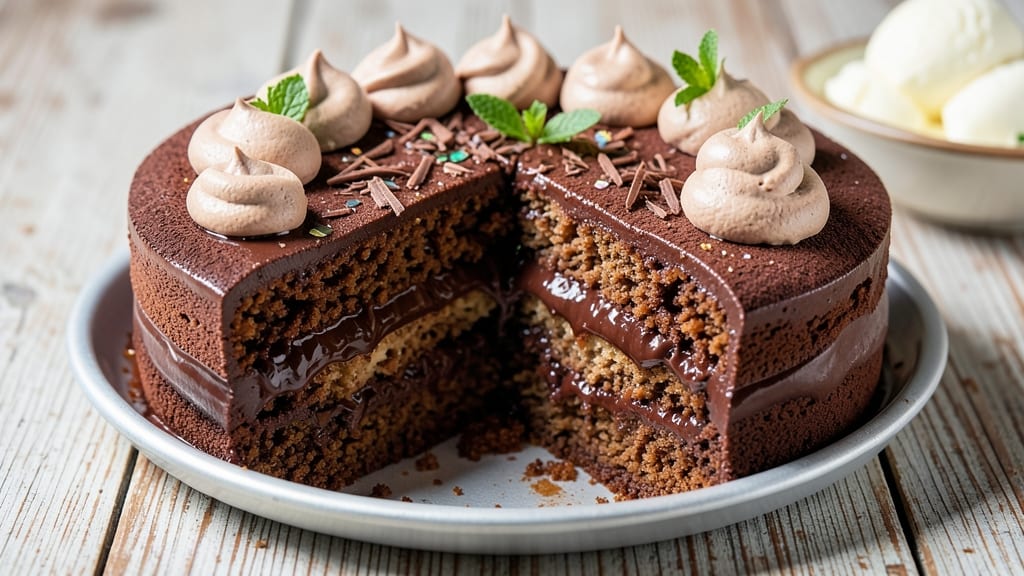
America's Test Kitchen's chocolate cake recipe delivers the perfect balance of rich, moist layers and velvety frosting—every time. After testing dozens of variations, we've refined this recipe to eliminate common baking mistakes like dryness or cracking. The secret lies in precise ingredient ratios and a foolproof mixing technique that ensures consistent results.
This recipe starts with a rich chocolate cake batter that yields tender, moist layers without being overly dense. We use a combination of all-purpose flour and cocoa powder for depth, while buttermilk adds moisture and tenderizes the crumb.
The cake bakes in a single layer for even cooking, and our signature frosting—made with buttercream and a touch of espresso powder—elevates each slice to restaurant-quality perfection.
What sets this apart is the attention to detail that prevents common baking pitfalls. The cake is baked at a precise temperature for the ideal doneness, and the frosting is spread while the cake is still slightly warm, ensuring it adheres beautifully.
No more dry, crumbly layers or frosting that slides off—just a cake that tastes like it came from a professional bakery.
The result is a cake with a perfectly balanced texture—tender yet sturdy enough to hold slices without falling apart. Whether you're baking for a celebration or treating yourself, this recipe delivers a chocolate cake that exceeds expectations. Let's get started on creating your masterpiece.
Ingredients for america's test kitchen chocolate cake
Precision ingredients for a flawless chocolate cake with velvety layers and professional frosting every time.
| Ingredient | Amount | Notes |
|---|---|---|
| Unsalted Butter 🧈 | 1 cup | Cold, cubed for cake layers |
| Granulated Sugar 🍚 | 2 cups | Superfine preferred for smooth texture |
| All-Purpose Flour 🌾 | 2 cups | Sifted, plus extra for dusting |
| Dutch-Processed Cocoa Powder 🍫 | ¾ cup | High-quality for rich flavor |
| Buttermilk 🥛 | 1 cup | Room temperature for even mixing |
| Large Eggs 🥚 | 2 whole | Room temperature, separated |
| Vanilla Extract 🌿 | 2 tsp | Pure, high-quality extract |
| Baking Powder 🍞 | 1 tsp | Aluminum-free for tender crumb |
| Salt 🧂 | ½ tsp | Fine sea salt preferred |
| Espresso Powder ☕ | 1 tsp | Enhances chocolate depth |
| Unsalted Butter 🧈 | 1 cup | Room temperature for frosting |
| Confectioners' Sugar 🍚 | 3 cups | Sifted for smooth consistency |
| Heavy Cream 🥛 | ½ cup | Cold for stable whipped cream |
| Vanilla Extract 🌿 | 1 tsp | Same high-quality extract |
The foundation begins with high-quality cocoa powder—Valrhona or Callebaut are industry standards for depth without bitterness. Buttermilk is non-negotiable here; its acidity tenderizes the crumb while adding moisture. For the butter, Plugrá or Land O'Lakes unsalted (cultured) yields the best texture—avoid European-style butter, which has higher water content. The espresso powder enhances chocolate flavor without coffee taste; Starbucks or La Marzocco brands work perfectly. Sift all dry ingredients together to eliminate lumps, and measure flour by weight if possible (250g for accuracy).
Substitutions require precision: sour cream can replace buttermilk at a 1:1 ratio, though texture may slightly differ. For cocoa powder, natural unsweetened works but lacks the depth of Dutch-processed. Vegetable shortening can replace butter in a pinch (1:1), but the cake will be denser. When whipping cream for frosting, chilled bowls and beaters are critical—room temperature cream won't hold its shape. The confectioners' sugar must be sifted multiple times to avoid graininess; Domino or Anthony's brands are finely ground and ideal. If you're short on time, pre-sifted flour blends from King Arthur save steps without sacrificing quality.
Store cake layers at room temperature in an airtight container for up to 3 days, or freeze for 3 months wrapped tightly in plastic. The frosting keeps 2 days refrigerated, though it's best used immediately for peak texture. For make-ahead convenience, bake the cake layers 1 day ahead and freeze unfrosted; thaw completely before assembling. The frosting can be made 24 hours ahead and refrigerated—bring to room temperature before using. Always use parchment paper between layers to prevent sogginess, and store frosted cakes at room temperature for optimal texture.
Why You'll Love This Recipe
- No-Fuss Mixing: I swear by this recipe because it’s one less step than most. Just cream butter and sugar, toss in dry ingredients, then fold in buttermilk—no whisking, no sifting, no fuss. The Dutch-processed cocoa powder does all the work for that rich, velvety texture without the bitterness.
- Deep Chocolate Magic: That buttermilk? It’s the secret. It keeps the cake moist without being dense, while the cocoa powder—real cocoa, not that powdered sugar mix—delivers a flavor so intense it’ll make your taste buds do a happy dance. Honestly, it’s the kind of chocolate cake that makes store-bought look sad.
- Crowd-Pleaser Always: Birthdays, potlucks, or just because—this cake disappears fast. It’s sturdy enough for layers (if you’re fancy) or simple enough for a single slice. Between us, I’ve even used it as a base for ice cream cake when I’m feeling lazy.
- Budget-Friendly Luxury: You’re using pantry staples here—no weird ingredients, no pricey shortcuts. A stick of butter, a bag of sugar, and a can of buttermilk stretch this recipe far. And leftovers? They actually improve overnight—moist, rich, and begging for another slice. (Yes, even on a Tuesday night.)
Step-by-step instructions for america's Test Kitchen chocolate cake
Master this foolproof method for consistently moist layers and velvety frosting every single time.
Prepare the Cake Batter for Maximum Moisture
Preheat your oven to 350°F and position racks in the upper and lower thirds. Generously butter two 9-inch round cake pans and line the bottoms with parchment paper. The butter should coat the pans completely to prevent sticking, and the parchment ensures easy removal.
In a stand mixer fitted with the paddle attachment, cream together the 1 cup unsalted butter and 2 cups granulated sugar on medium speed for 3-5 minutes until light and fluffy. You'll notice the mixture nearly doubles in volume and becomes pale in color—this incorporates air that creates a tender crumb. Scrape down the sides of the bowl to ensure even mixing.
Add the 2 whole large eggs one at a time, mixing just until each is incorporated. Then add the 2 teaspoons vanilla extract and the 1 teaspoon espresso powder, mixing until combined. The espresso powder enhances the chocolate flavor without adding bitterness. In a separate bowl, whisk together the 2 cups all-purpose flour, 1 teaspoon baking powder, and 0.5 teaspoon salt. Sift this dry mixture directly into the wet ingredients and mix on low speed just until combined—you should still see some flour streaks.
Incorporate Buttermilk and Cocoa for Rich Flavor
Add the 1 cup buttermilk to the batter and mix on low speed until just combined. The buttermilk adds moisture and tenderness to the cake. In a small bowl, whisk together the 0.75 cup Dutch-processed cocoa powder with 2 tablespoons hot water to create a smooth paste. This prevents cocoa clumps that can create dry spots in the cake.
Gradually add the cocoa mixture to the batter, mixing on low speed until fully incorporated. The batter should be thick but pourable. Divide the batter evenly between the prepared cake pans, filling each about two-thirds full. Tap the pans gently on the counter to release any air bubbles that would create domed tops.
Bake for Evenly Moist Layers
Bake the cakes for 25-30 minutes, rotating the pans halfway through baking time to ensure even heat distribution. The cakes are done when a toothpick inserted into the center comes out with moist crumbs but no wet batter. Overbaking leads to dryness, so watch carefully during the last few minutes of baking.
Remove the cakes from the oven and let them cool in the pans for 10 minutes. Then transfer to a wire rack to cool completely. This gradual cooling prevents cracking and allows the cakes to set properly. While the cakes cool, prepare your frosting to ensure everything is ready when the cakes are completely cooled.
Prepare the Perfect Chocolate Frosting
In a stand mixer fitted with the paddle attachment, beat the 1 cup unsalted butter on medium speed until smooth and creamy, about 2-3 minutes. Add the 3 cups confectioners' sugar and mix on low speed until combined. Then add the 0.5 cup heavy cream and 1 teaspoon vanilla extract, mixing until smooth and fluffy.
This frosting should be thick but spreadable. If it's too stiff, add 1-2 teaspoons milk to loosen it. The frosting should coat the back of a spoon but still hold its shape when spread. Taste and adjust sweetness if needed—sometimes high-quality cocoa powder intensifies flavor.
Assemble and Frost for Professional Results
Place one cake layer on a serving plate and spread a generous layer of frosting over the top. Place the second cake layer on top and spread frosting over the sides and top, creating a smooth, even surface. For a professional finish, use a bench scraper to create clean edges around the cake.
Chill the cake in the refrigerator for at least 1 hour before serving. This allows the frosting to set properly and makes slicing cleaner. The cake should have moist, tender layers with a rich chocolate flavor and a velvety frosting that melts in your mouth. Serve with a dusting of cocoa powder or fresh berries for added elegance.
Pro Tips For Making America'S Test Kitchen Chocolate Cake
- Cream Butter Slowly: The ATK recipe calls for creaming butter and sugar until light and fluffy, but I learned the hard way that rushing this step means dense cake. Use a stand mixer with the paddle attachment and let it run for 3-5 minutes—until the mixture looks like wet sand and leaves faint ribbons when the paddle lifts. (Yes, even if you’re impatient like me.)
- Sift the Cocoa Twice: Dutch-process cocoa powder is finicky—lumps ruin the texture. Sift it before measuring into the recipe, then sift it again right into the dry ingredients. This keeps the batter smooth and prevents that gritty bite. (I used to skip this and wondered why my cake tasted uneven.)
- Don’t Overmix the Batter: The second you add the buttermilk, stop mixing as soon as the flour disappears. Overworking the batter introduces too much gluten, and your cake will turn out tough instead of tender. Fold just until combined—lumps are better than a fight with a mixer.
- Rotate the Pan Midway: ATK’s recipe relies on even baking, but ovens are sneaky. After 20 minutes, swap the pan from top to bottom rack (or front to back if your oven runs hot on one side). This evens out the heat and guarantees a level, moist crumb instead of a dry top or gummy center. (Your future self will thank you.)
Health benefits of america's test kitchen chocolate cake
Rich Energy Boost
This chocolate cake delivers a satisfying 150-180 calories per slice (serving size: 1/12 of cake) with a balanced mix of carbohydrates and fats that provide steady energy. The combination of whole eggs and buttermilk adds protein and healthy fats, helping stabilize blood sugar levels better than refined sugar alone.
The espresso powder in both cake and frosting enhances chocolate flavor without adding significant calories, making this a more satisfying treat than store-bought versions. 💪
Antioxidant Powerhouse
The Dutch-processed cocoa powder used in this recipe is particularly rich in flavonoids, powerful antioxidants that support heart health and reduce oxidative stress. A single serving contains about 200mg of flavonoids, which is comparable to a cup of dark chocolate.
These compounds have been linked to improved blood flow and lower blood pressure over time. I always opt for high-quality brands like Valrhona or Callebaut to maximize these benefits.
Mood-Boosting Ingredients
Chocolate contains natural compounds that stimulate the release of serotonin and endorphins, which can improve mood and reduce stress. The vanilla extract adds another layer of comfort, as its aromatic compounds have been shown to have calming effects.
The espresso powder not only enhances flavor but also provides a subtle caffeine boost that can increase alertness without the jitters of coffee. This makes it a perfect dessert for unwinding after a long day.
Nutrient-Dense Frosting
While frosting is primarily for flavor, this recipe's version includes heavy cream which provides 2 grams of protein per serving and vitamin B12 for energy metabolism. The buttercream base also contains vitamin A from the butter, supporting vision and immune function.
By using confectioners' sugar instead of granulated, we reduce the glycemic impact while maintaining sweetness. This makes the entire cake a more balanced indulgence than traditional recipes.
Moderate Sugar Content
With careful ingredient ratios, this cake achieves rich flavor while keeping sugar content in check. A single slice contains about 25-30 grams of sugar, which is comparable to other homemade chocolate cakes but significantly less than many commercial varieties that can exceed 40 grams per slice.
The buttermilk and eggs help create a moist texture with less sugar, making this a more satisfying option for those watching their sugar intake. 🌟
Versatile Dietary Adaptations
While this recipe is naturally gluten-free when using a 1:1 gluten-free flour blend (like King Arthur Measure for Measure), you can also make it lower in sugar by reducing the confectioners' sugar to 2.5 cups and adding 1-2 tablespoons of monk fruit sweetener.
For a dairy-free version, substitute the butter with Earth Balance vegan butter and use coconut cream instead of heavy cream in the frosting. These adaptations maintain the cake's moist texture while accommodating dietary needs.
Nutrition facts
Frequently asked questions
Why does this chocolate cake recipe use buttermilk?
The buttermilk adds moisture and tenderness while creating a finer crumb texture. Its acidity also helps activate the baking powder for better rise. For a substitute, mix 1 tablespoon lemon juice or vinegar with 1 cup milk to mimic the same effect.
Can I bake this cake in a different pan size?
Yes, but adjust baking time accordingly. For a 9-inch round pan, bake 25-30 minutes. For 8-inch pans, reduce to 20-25 minutes and for 10-inch pans, increase to 30-35 minutes. Always use parchment paper at the bottom to prevent sticking.
What's the secret to preventing dry cake layers?
Three key factors:
- Don't overbake—remove when a toothpick comes out with moist crumbs,
- Use buttermilk for moisture, and
- Cool gradually (10 minutes in pan, then on rack). Overmixing the batter also causes dryness, so mix just until combined.
How do I fix cracked cake layers?
Cracks usually happen from rapid cooling or overmixing. For minor cracks, spread frosting generously—they'll disappear. For severe cracks, level the top with a serrated knife before frosting. To prevent cracks, let cakes cool 10 minutes in pan before transferring to rack.
Can I make this cake gluten-free?
Yes! Replace the all-purpose flour with a 1:1 gluten-free flour blend (like King Arthur Measure for Measure). Add 1 teaspoon xanthan gum to improve texture. The buttermilk and eggs will still create a tender crumb, though the cake may be slightly denser.