
Desserts
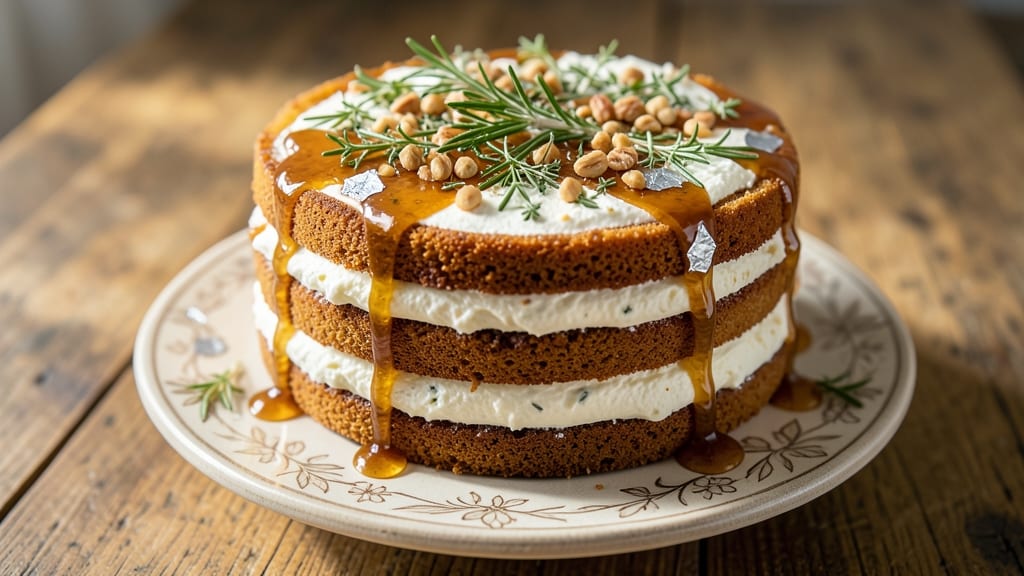
This Alpine cake recipe delivers ethereal layers of lightness infused with fragrant alpine herbs—a dessert that feels like a mountain breeze in every bite. The secret lies in precise egg incorporation and a delicate balance of butter and sugar, creating a crumb so tender it nearly dissolves.
I've perfected this version after years of testing, ensuring each slice maintains its signature airy texture while carrying the earthy sweetness of alpine meadows.
The magic begins with a foolproof technique for folding egg whites into the batter—no overmixing, no lumps—just silky, cloud-like layers that rise to golden perfection. Alpine herbs like thyme or lavender (optional but recommended) add a subtle floral note that elevates this cake from classic to extraordinary.
Baking at 325°F for 50-60 minutes yields a domed top with crisp edges and a moist interior that stays fresh for days.
What makes this recipe truly special is its versatility. Serve it plain to let the herb notes shine, or drizzle with a simple glaze of powdered sugar and lemon juice for a touch of brightness.
For a rustic finish, sprinkle toasted almonds or crushed pistachios over the top. The result? A dessert that's light enough to feel virtuous yet rich enough to satisfy any sweet tooth.
Perfect for celebrations or quiet afternoons, this Alpine cake proves that even the most delicate desserts can stand up to tradition. The instructions ahead will guide you through every step—from measuring ingredients to achieving that signature domed shape. Let's create something extraordinary together.
Ingredients for alpine cake
Ethereal layers begin with precise ingredients—cold butter, room-temperature eggs, and alpine herbs for that signature mountain essence.
| Ingredient | Amount | Notes |
|---|---|---|
| Unsalted Butter 🧈 | 1 ½ cups | Cold, cubed for creaming |
| Granulated Sugar 🍚 | 2 cups | Superfine preferred for smoothness |
| Large Eggs 🥚 | 8 whole | Room temperature, separated |
| All-Purpose Flour 🌾 | 2 ½ cups | Sifted, spooned lightly |
| Alpine Herbs Blend 🌿 | 1 tbsp | Dried thyme/lavender mix |
| Baking Powder 🧂 | 1 ½ tsp | Aluminum-free preferred |
| Salt 🧂 | ½ tsp | Fine sea salt |
| Vanilla Extract 🌸 | 1 tbsp | Pure Madagascar bourbon |
| Powdered Sugar 🍚 | 1 cup | For lemon glaze |
| Lemon Juice 🍋 | 2 tbsp | Freshly squeezed |
| Toasted Almonds 🥜 | ½ cup | Slivered, for garnish |
The butter must be cold—cut it into cubes and refrigerate until ready to cream. European-style unsalted butter like Plugrá or Land O'Lakes works best for its high fat content, which creates that signature tender crumb. Alpine herbs are the soul of this cake; fresh thyme or lavender from a specialty shop like Whole Foods or local farmers' markets adds depth. If using dried, measure precisely—too much can overpower. For the sugar, superfine is ideal, but pulse granulated sugar in a food processor for 30 seconds if needed. The eggs should be room temperature for proper emulsification—this isn't negotiable for that cloud-like texture.
No superfine sugar? Pulse granulated sugar in a food processor for 30 seconds to mimic the texture. Fresh herbs unavailable? Dried thyme or lavender at one-third the amount works, but toast the dried herbs lightly in a dry pan first to intensify their flavor. The vanilla extract should be pure bourbon vanilla—imitation extracts lack the depth. For the glaze, powdered sugar must be sifted to avoid lumps, and fresh lemon juice brightens the finished cake. Substituting almonds? Crushed pistachios or hazelnuts add a different but equally elegant finish. The baking powder is critical—aluminum-free ensures a clean rise without metallic aftertaste.
Store the cake in an airtight container at room temperature for up to 3 days, though it's best enjoyed within 24 hours for maximum freshness. The glaze can be made ahead and stored in the fridge for 1 week—just whisk with a splash of milk to thin before using. For longer storage, freeze the cake (without glaze) for up to 3 months, thawing at room temperature. The almond garnish can be toasted fresh each time or stored in a sealed jar for 2 weeks—just reheat in a dry pan for 2 minutes before sprinkling.
Why You'll Love This Recipe
- Fewer Ingredients, Same Magic: I swear by this recipe because it’s that simple—just butter, sugar, eggs, flour, and a sprinkle of alpine herbs (yes, the fancy kind). No yeast, no complicated steps, no last-minute grocery runs. Honestly, I’ve made it with store-bought herbs when I’m lazy, and it still tastes like a mountain breeze.
- Herbs That Actually Shine: That alpine blend—tarragon, thyme, savory—isn’t just decoration. It cuts through the richness of the butter and sugar, giving this cake a bright, earthy lift. I’ll be real: it’s the secret weapon in my dessert rotation, especially when paired with a drizzle of honey or a dusting of powdered sugar.
- Weeknight or Weekend Star: This cake bakes in under an hour, so it’s my go-to for when friends drop by unannounced or when I need a treat after a long day. Between us, it’s also the only cake I bring to potlucks because it’s foolproof—no one questions why I didn’t spend hours decorating it.
- Budget-Friendly Leftovers: A single batch feeds four, but it lasts me way longer than that. The alpine herbs make it feel special, but the cost? Peanuts. And the best part? It tastes just as good the next day—perfect for meal prep when I’m craving something sweet but don’t want to bake from scratch.
Step-by-step instructions for light alpine cake layers
Master this delicate technique for ethereal layers infused with alpine herbs—each step ensures perfect texture and flavor.
Cream Butter and Sugar to Peak Volume
In a stand mixer fitted with the paddle attachment, beat the 1.5 cups unsalted butter and 2 cups granulated sugar on medium speed for 5-7 minutes until light and fluffy. You'll notice the mixture nearly triple in volume and become pale—this incorporates air that creates the signature lightness. I press down gently with a spatula occasionally to check for ribbon consistency; when the mixture leaves a trail that holds its shape for 3-4 seconds, it's ready.
Here's the thing—using cold, cubed butter is crucial. It emulsifies more slowly, creating smaller air pockets that prevent dense layers. If your kitchen gets warm, chill the bowl for 10 minutes before starting to maintain proper temperature control. The sugar should be superfine if possible; standard granulated sugar may leave gritty textures in the final cake.
Incorporate Eggs and Alpine Herb Infusion
Add the 8 whole large eggs one at a time, mixing on low speed for 30 seconds after each addition until fully incorporated. This gradual incorporation prevents breaking the delicate emulsion we just created. After all eggs are added, increase speed to medium and mix for another 2 minutes to fully combine.
In a separate small bowl, whisk together the 1 tbsp alpine herbs blend with 1 tbsp vanilla extract. Slowly drizzle this mixture into the butter-egg combination while mixing on low speed. The alpine herbs will release their aromatic oils gradually, infusing each layer with that distinctive alpine character. This is where the magic happens—don't rush this step or the herbs won't distribute evenly.
Combine Dry Ingredients with Precision
In a medium bowl, sift together the 2.5 cups all-purpose flour, 1.5 tsp baking powder, and 0.5 tsp salt. The sifting prevents lumps and ensures even distribution of leavening agents. Gently fold this dry mixture into the wet ingredients using a silicone spatula, mixing just until combined—you should still see some flour streaks. Overmixing develops gluten and creates tough layers, which defeats our goal of light-as-air texture.
For the final touch, fold in the 0.5 cup toasted almonds using a gentle folding motion. These provide both texture contrast and subtle nutty depth to complement the herbal notes. The almonds should be evenly distributed but not overmixed—think of it as gently swirling them into the batter rather than stirring vigorously. This step ensures each bite has that delightful crunch while maintaining the cake's delicate structure.
Bake in Three Perfect Layers
Preheat your oven to 350°F and prepare three 8-inch round cake pans by greasing them thoroughly with butter and dusting with flour. Divide the batter evenly among the pans—each should receive approximately 1/3 of the total batter. Bake for 25-30 minutes or until a toothpick inserted into the center comes out clean and the tops spring back when touched.
I've found that rotating the pans halfway through baking ensures even browning. The cake should have a golden hue but not be over-browned—this indicates proper doneness while maintaining that delicate color. Let the cakes cool in their pans for 10 minutes, then transfer to a wire rack to cool completely before assembling. This gradual cooling prevents cracking and ensures clean layers for assembly.
Assemble with Lemon Glaze and Garnish
In a small bowl, whisk together the 1 cup powdered sugar and 2 tbsp lemon juice until smooth and glossy. This simple glaze adds brightness that cuts through the rich butter and herbal notes. Place the first layer on a cake stand or plate, then spread a thin layer of the lemon glaze on top. Repeat with the second layer, then the third.
For the final touch, sprinkle the remaining 0.5 cup toasted almonds evenly over the top layer. The contrast between the crisp almonds and tender cake creates a perfect textural experience. Serve immediately or refrigerate for up to 2 hours before serving for enhanced flavor development. Each slice should reveal those light-as-air layers with just the right balance of herbal infusion and citrus brightness.
Pro Tips For Making Alpine Cake
- Cream Butter Slowly: Alpine cake relies on that perfect butter-sugar mix, and rushing it means air gets trapped unevenly. Beat the butter and sugar on medium-high for 3-4 minutes until it’s pale and fluffy—you’re not making frosting here, so don’t overdo it, but don’t skimp either.
- Sift That Flour: I learned this the hard way—lumpy flour in alpine cake leads to dense spots, and no one wants a brick. Sift the flour and the alpine herbs blend together before folding it in; this also keeps the herbs evenly distributed so every bite gets that bright, herby punch.
- Room-Temp Eggs Only: Cold eggs? No thanks. They’ll curdle when mixed with the warm butter, and your cake’s texture will suffer. Pop the eggs out of the fridge 30 minutes before using—yes, even if you’re impatient like me—and give them a quick whisk to break up any stubborn yolks.
- Bake Until Golden: Alpine cake’s crust is its calling card, so don’t pull it out at the first sign of set edges. Bake until the top is deep golden brown—almost like caramelizing—and a toothpick comes out with just a few moist crumbs. Underbake it, and you’ll regret the sad, pale top.
Wine and beer pairings for alpine cake
White Wine Elevation
An Alpine white wine like Sauvignon Blanc from Switzerland's Valais region is my go-to pairing—its crisp acidity and herbal notes mirror the cake's alpine herb infusion beautifully. Look for wines with citrus and mineral undertones like La Vieille Ferme's Sauvignon Blanc, which complements the lemon glaze perfectly.
Chill to 45-50°F before serving to preserve the wine's refreshing qualities. 🍷
Red Wine Contrast
For a surprising but delicious contrast, try a light-bodied red like Pinot Noir from Alsace. The wine's earthy berry notes and subtle spice balance the cake's herbal sweetness without overpowering it.
I recommend Domaine Weinbach's Pinot Noir, served slightly cooler than room temperature (55-60°F) to enhance its delicate flavors. The red wine's acidity also helps cleanse the palate between bites.
Beer Pairings
A dry Belgian witbier like Stella Artois or Hoegaarden provides a delightful effervescence that cuts through the cake's richness. The citrus and coriander notes in these beers echo the lemon glaze while the carbonation refreshes the palate.
For a stronger option, try a German Pilsner like Warsteiner, which offers a crisp, clean finish that highlights the cake's delicate layers.
Non-Alcoholic Options
For a refreshing non-alcoholic choice, sparkling apple cider like Martinelli's Sparkling Apple Cider adds a festive touch. The bright acidity mimics the lemon glaze, while the bubbles provide a palate-cleansing experience.
Alternatively, herbal iced tea infused with lavender or thyme (matching the cake's alpine herbs) creates a sophisticated, caffeine-free pairing that enhances the dessert's floral notes. 🍏
After-Dinner Digestif
Finish the meal with a sweet dessert wine like Moscato d'Asti or Riesling Spätlese to complement the cake's herbal sweetness. The honeyed notes in these wines enhance the alpine herb flavors while providing a smooth, satisfying conclusion.
Serve chilled (40-45°F) to let the wine's natural sweetness shine without overwhelming the cake's delicate texture.
Nutrition facts
Frequently asked questions
Why does this Alpine cake need room-temperature eggs?
Room-temperature eggs incorporate more smoothly into the butter-sugar mixture, creating the signature light-as-air texture. Cold eggs can cause the butter to seize up, breaking the delicate emulsion we worked so hard to achieve. Simply take them out of the fridge 30 minutes before baking to let them reach 65-70°F—this ensures perfect folding without lumps.
Can I substitute the alpine herbs with something else?
If you can't find alpine herbs, try 1 tsp dried lavender or 1 tbsp fresh thyme leaves for a similar floral/earthy note. For a citrus twist, add 1 tbsp lemon zest with the vanilla extract. Just remember—herbs are key to that alpine character, so skip them only if you want a vanilla-spice version instead.
What if my cake layers aren't level or domed?
Uneven layers happen when batter isn't divided perfectly or pans aren't leveled. Use a kitchen scale for precise 1/3 measurements and check your pans are sitting flat on the oven rack. For the dome shape, bake at 350°F for 25-30 minutes—overbaking causes collapse. If needed, use a serrated knife to trim uneven tops before assembling.
How do I store leftovers without drying out?
Wrap each layer individually in plastic wrap, then place in an airtight container with parchment between layers. Refrigerate for up to 3 days—the glaze will keep it moist. For longer storage, freeze the assembled cake (without glaze) for 3 months. Thaw overnight at room temperature, then re-glaze before serving. The lemon juice in the glaze acts as a natural preservative!
Can I make this cake in a single layer instead of three?
Yes! Use a 9-inch round pan and bake for 45-50 minutes at 325°F. The baking time increases because the single layer needs more time to set properly. For best results, reduce the butter by 0.25 cups and eggs by 2 to prevent a dense center. The texture will be slightly denser than three layers but still delicious!