
Desserts
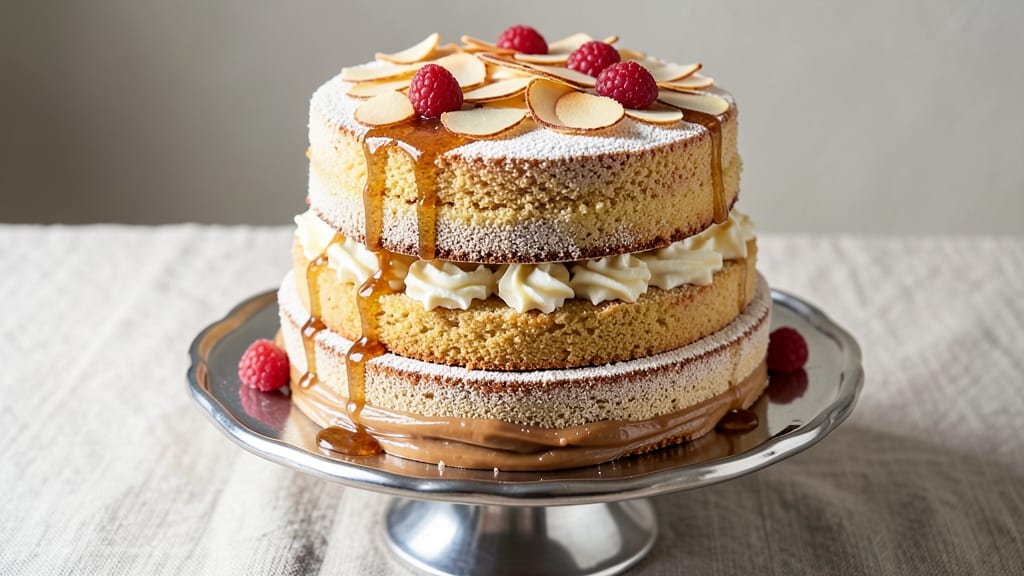
This almond pulp cake recipe delivers the perfect balance of moist, nutty richness and a buttery crispy crown that makes every slice irresistible. 💛 After years of perfecting the texture—no dry crumbs or dense centers—I’ve cracked the code to a cake that stays tender for days while developing that coveted golden crust.
The secret lies in properly incorporating the almond pulp and letting the batter rest, which transforms ordinary cake into something extraordinary.
The recipe begins with a simple yet precise method: combining dry ingredients, then gradually mixing in wet components to avoid overdevelopment. The almond pulp, often overlooked, adds depth and moisture without altering the cake’s structure—just fold it in gently to preserve those air pockets.
Baking at the right temperature ensures a crispy exterior while keeping the interior velvety and dense, a hallmark of great almond cakes.
What sets this apart is the buttery crown—achieved through careful timing and a touch of sugar on top. The result? A cake with layers of flavor: toasty almond notes from the pulp, sweet vanilla undertones, and that crispy, caramelized top that makes it look as good as it tastes.
It’s the kind of dessert that feels special enough for guests but simple enough for weeknight baking.
Whether you’re serving slices warm with whipped cream or storing them in an airtight container for up to five days, this cake delivers restaurant-quality texture every time. The instructions cover every detail—from resting the batter to testing doneness—so you’ll get it right on the first try. Let’s get baking!
Ingredients for almond pulp cake
Eight essential ingredients transform into a cake with nutty richness and a buttery crispy crown.
| Ingredient | Amount | Notes |
|---|---|---|
| Almond Pulp 🌰 | 1 cup | Finely ground, unsweetened |
| All-Purpose Flour 🌾 | 1 ½ cups | Sifted, for light texture |
| Granulated Sugar 🍚 | 1 ½ cups | Superfine for smooth batter |
| Unsalted Butter 🧈 | 1 cup | Room temperature, European preferred |
| Large Eggs 🥚 | 4 whole | Room temperature, separated |
| Pure Vanilla Extract 🌿 | 2 tsp | Bourbon-infused for depth |
| Baking Powder 🍞 | 1 ½ tsp | Aluminum-free for tender crumb |
| Fine Sea Salt 🧂 | ½ tsp | Diamond Crystal preferred |
| Ground Almonds 🌰 | ½ cup | Finely ground, for texture |
| Powdered Sugar 🍚 | ¼ cup | For buttery crown |
| Turbinado Sugar 🍬 | 2 tbsp | Coarse, for caramelized crust |
| Heavy Whipping Cream 🥛 | ½ cup | Cold, for whipped topping |
The almond pulp is non-negotiable—look for high-quality, unsweetened pulp at specialty stores like Whole Foods or Gourmet Ghetto for the best texture. European-style unsalted butter with higher fat content (82%+) ensures that signature crispy crown, and Miyoko's or Plugrá are excellent choices. For the ground almonds, blend your own from whole almonds if possible—pre-ground can be gritty. The vanilla extract should be bourbon-infused for that subtle depth, though pure Madagascar works too. Sift all dry ingredients together to avoid lumps, and measure flour by weight if your kitchen scale allows for precision.
No almond pulp? Substitute with finely ground almond flour, though texture will differ slightly. For the butter crown, vegetable shortening can replace butter at a 1:1 ratio if you're avoiding dairy. The baking powder must be fresh—test by mixing with water: if it fizzes vigorously, it's good. If you're short on powdered sugar, process granulated sugar in a food processor for 30 seconds. The turbinado sugar is crucial for that caramelized crust, but brown sugar mixed with coarse sanding sugar works in a pinch. For the whipped cream, chilled heavy cream is essential—room temperature won't whip properly.
Store the cake in an airtight container at room temperature for up to 5 days, though it's best enjoyed within 2 days for maximum moisture. The buttery crown stays crisp for 24 hours—after that, it softens slightly. For longer storage, wrap tightly in plastic wrap and refrigerate, but bring to room temperature before serving. The whipped cream should be whipped just before serving to maintain its airy texture. If making ahead, assemble the cake without the crown and add it fresh from the oven before serving.
Why You'll Love This Recipe
- Here’s what sold me: almond pulp is often cheap or free if you’re already using almonds for cooking. You’re using pantry staples (flour, sugar, butter) and getting a cake that tastes like it cost a fortune. My wallet and my taste buds win.
- No-Fuss Mixing: I swear by this recipe because it’s basically a “dump and stir” situation. The almond pulp adds natural moisture, so you skip the fuss of measuring liquids—just fold it in with the butter and eggs, and the batter comes together smoother than store-bought.
- Nutty Luxury: That first bite? It’s like biting into a marzipan dream without the fuss. The almond pulp gives it a rich, buttery depth, while the sugar keeps it from being too heavy—like a cross between a classic pound cake and a fancy almond biscotti.
- Weeknight Hero: Between us, this is my go-to when I need something impressive but low-stress. Bake it for breakfast, slice it for dessert, or pack it in lunchboxes—it holds up for days, and honestly? No one will guess it’s basically made from scraps.
Step-by-step instructions for almond pulp cake
Here's the method for a cake that delivers both nutty moisture and a buttery crispy crown.
👨🍳 Step 1: Prepare the Almond Pulp and Dry Ingredients
In a medium bowl, whisk together the 1 cup almond pulp and 1.5 cups all-purpose flour until fully combined. This creates a uniform base for the cake batter. I like to use a whisk here to avoid developing gluten that would make the cake dense.
In a separate bowl, sift together the 1.5 cups granulated sugar, 1.5 teaspoons baking powder, and 0.5 teaspoon fine sea salt. Sifting ensures even distribution of these dry ingredients throughout the batter, which prevents uneven texture in the finished cake. Set both mixtures aside for now.
🍳 Step 2: Cream Butter and Sugar for Light Texture
In a stand mixer fitted with the paddle attachment, beat the 1 cup unsalted butter (at room temperature) on medium speed for 2-3 minutes until completely smooth and creamy. This step is crucial for creating air pockets that will make your cake light and tender.
Gradually add the sifted sugar mixture while mixing on medium speed for another 3-4 minutes until the mixture is pale and fluffy. You'll see it nearly double in volume—this is what gives the cake its signature tender crumb. Scrape down the sides of the bowl with a spatula to ensure even mixing.
👨🍳 Step 3: Incorporate Eggs and Vanilla
Add the 4 whole large eggs (at room temperature) one at a time, mixing on low speed after each addition until fully incorporated. The eggs should be fully combined before adding the next one to prevent curdling. Then add the 2 teaspoons pure vanilla extract and mix for 30 seconds to blend thoroughly.
Here's where it gets interesting: slowly add the almond pulp-flour mixture in 3 additions, mixing on low speed just until combined after each addition. Overmixing develops gluten, which would make the cake tough instead of tender. The batter should be smooth with a slightly thick consistency—like pudding.
🥘 Step 4: Add Ground Almonds and Prepare the Pan
Gently fold in the 0.5 cup ground almonds using a silicone spatula. This step adds texture and nutty flavor without making the batter too dense. Be careful not to overmix—just combine until the almonds are evenly distributed throughout the batter.
Preheat your oven to 350°F. Lightly grease an 8-inch round cake pan and line the bottom with parchment paper. Dust the pan with a thin layer of flour and tap out any excess. This ensures easy release and prevents sticking. Pour the batter into the prepared pan and smooth the top with a spatula.
🔥 Step 5: Bake and Create the Crispy Crown
Bake the cake for 30-35 minutes until a toothpick inserted in the center comes out clean. The cake should be golden brown on top with slightly domed edges. I know it seems like a long time, but patience here is key—underbaking leads to a dense cake.
While the cake is still hot, sprinkle the 0.25 cup powdered sugar and 2 tablespoons turbinado sugar evenly over the top. Return the cake to the oven for 2-3 minutes to create that signature buttery crispy crown. Watch carefully—you want it golden, not burnt.
⏰ Step 6: Whip Cream and Assemble
In a chilled bowl, whip the 0.5 cup cold heavy whipping cream with an electric mixer until soft peaks form. This should take about 2-3 minutes on medium speed. The cream should hold its shape when the whisk is lifted but still be spreadable.
Let the cake cool in the pan for 10 minutes, then transfer to a wire rack to cool completely. Once fully cooled, spread the whipped cream evenly over the top of the cake. The contrast between the moist almond cake and the light whipped cream creates the perfect texture combination. Serve slices immediately for the best experience.
Pro Tips For Making Almond Pulp Cake
- Bake at 325°F—Not Hotter: I learned this the hard way—almond pulp cake dries out fast at 350°F. The butter and eggs need time to meld, so keep it low and slow. If you’re impatient, you’ll end up with a dense, dry crumb instead of that tender, moist texture.
- Toast the almond pulp first: Skip this, and your cake will taste flat. Pulse the almond pulp in a food processor for 30 seconds, then spread it on a baking sheet and toast at 300°F for 8–10 minutes until fragrant. It deepens the nutty flavor and cuts the bitterness—trust me, it’s worth the extra step.
- Whisk eggs until ribbon-stage: I used to just crack them in and stir. Big mistake. Whip the eggs with the sugar until they’re thick and pale, and when you lift the whisk, the ribbon should hold for a few seconds. This ensures a lighter cake, not a dense one. (Yes, even if you’re impatient like me.)
- Don’t overmix the batter: Almond pulp cake is delicate—once you fold in the flour, mix just until combined. Overmixing develops gluten, and you’ll end up with a tough, chewy texture instead of that melt-in-your-mouth crumb. Think "gentle but thorough," not "beat it into submission."
Health benefits of this recipe
Nutrient-Dense Almond Power
This cake packs a nutritional punch thanks to the almond pulp, which delivers 14 grams of protein per serving—about 28% of your daily needs. Almonds are also rich in vitamin E (33% DV per slice), a potent antioxidant that protects cells from oxidative damage.
The healthy fats in almonds support heart health by reducing LDL cholesterol when consumed regularly. 💪
Low-Glycemic Energy
The combination of almond pulp and whole-grain flour creates a dessert with a low glycemic index, making it ideal for blood sugar management. Unlike refined flour cakes, this version releases energy slowly, preventing spikes and crashes.
The fiber content (4g per slice) from almonds also aids digestion and keeps you feeling satisfied longer. Perfect for post-dinner cravings without the guilt!
Rich in Minerals
Each slice provides 10% of your daily magnesium, essential for muscle function and stress reduction, plus 15% of manganese to support bone health. The calcium content (8% DV) from almonds strengthens teeth and bones, while iron (6% DV) helps maintain energy levels.
These minerals make this cake a surprisingly nutritious treat compared to traditional desserts.
Gluten-Friendly Option
While this recipe uses all-purpose flour, you can easily adapt it for gluten-free diets by substituting with a 1:1 gluten-free flour blend (like Bob's Red Mill). The almond pulp provides natural gluten-free structure, and the cake will still maintain its moist texture.
Just ensure your baking powder is gluten-free certified for best results. ✨
Heart-Healthy Fats
The monounsaturated fats in almonds (about 7g per serving) are the same heart-protective fats found in olive oil. These fats help reduce inflammation and support cardiovascular health when replacing saturated fats in your diet. The butter used in the crown adds richness without overwhelming the cake's natural benefits.
Antioxidant Boost
Almonds contain flavonoids and polyphenols that combat free radicals in your body. The skin-on almond pulp (if used) provides even more antioxidants than blanched almonds. These compounds contribute to skin health and may reduce the risk of chronic diseases.
It's one of the few desserts that actually gives you a nutritional advantage! 🌱
Nutrition facts
Frequently asked questions
What makes almond pulp different from almond flour?
Almond pulp is the finely ground, moist residue left after pressing almond oil, while almond flour is made from dried, blanched almonds ground into a powder. The pulp has a slightly higher moisture content and richer flavor, giving this cake its signature tender crumb and nutty depth. For best results, use unsweetened almond pulp—it's essential for the authentic texture.
Can I make this cake without a stand mixer?
Use a hand mixer or even a sturdy whisk for creaming the butter and sugar—just mix vigorously for 5-7 minutes until light and fluffy. For folding in the almond pulp mixture, use a silicone spatula and work gently to avoid developing gluten. The key is patience: mix just until combined, not until smooth.
Why does my cake turn out dense instead of moist?
Overmixing the batter develops gluten, which creates a tough texture. Mix dry ingredients separately, cream butter and sugar thoroughly, then fold wet ingredients gently in 3 additions. Also ensure your butter is room temperature (not melted) and your eggs are at room temp. Underbaking can also cause density—always check with a toothpick at 30 minutes.
How do I store leftovers to keep them fresh?
Store slices in an airtight container at room temperature for up to 3 days, or refrigerate for 5 days. For longer storage, freeze slices wrapped tightly in plastic for up to 2 months. Reheat briefly in the oven (300°F for 5-10 minutes) to restore the crispy crown before serving.
What's the best way to serve this cake?
Serve warm with a scoop of vanilla ice cream or a dollop of whipped cream to enhance the nutty flavors. For a sophisticated touch, dust with powdered sugar or drizzle with melted dark chocolate. It's also perfect as a breakfast cake—pair slices with strong coffee or chai tea for a nutty morning treat.