
Desserts
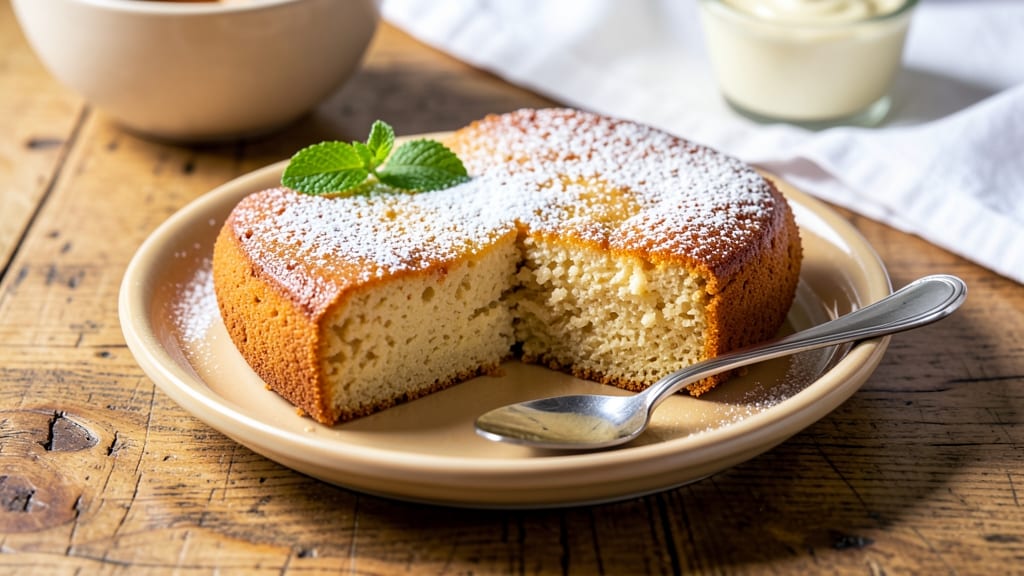
This American pound cake recipe delivers the signature tender crumb and vanilla-soaked moisture that keeps slices perfect for days. The secret lies in equal parts butter, sugar, and flour by weight—creating a dense yet delicate texture that resists drying out.
I’ve perfected this version after years of testing, ensuring every slice stays moist even when stored at room temperature.
The magic happens with proper creaming and gentle folding—no overmixing here. Butter and sugar are whipped until pale and fluffy, then dry ingredients are folded just until combined. A splash of vanilla extract and a pinch of salt elevate the flavor without overpowering the cake’s natural sweetness.
This method guarantees a cake with a fine crumb and unmatched moisture that lasts.
What sets this recipe apart is its versatility—serve it plain with a dusting of powdered sugar, or slice it for breakfast toast with jam. The cake’s rich flavor pairs beautifully with coffee, tea, or even a glass of milk.
The texture remains tender for days, making it ideal for meal prep or special occasions.
Ready in just 60 minutes, this pound cake requires minimal effort but delivers restaurant-quality results. The key is patience during baking—allowing it to cool gradually in the pan ensures even moisture distribution. Once cooled, wrap tightly in plastic wrap to preserve that signature moisture for up to five days.
Ingredients for american pound cake
Equal parts butter, sugar, and flour create the signature tender crumb and lasting moisture.
| Ingredient | Amount | Notes |
|---|---|---|
| Unsalted Butter 🧈 | 1 lb | Cold, cut into cubes for creaming |
| Granulated Sugar 🍚 | 1 lb | White or light brown preferred |
| All-Purpose Flour 🌾 | 3 cups | Sifted for fine crumb texture |
| Pure Vanilla Extract 🍯 | 2 tbsp | Bottled vanilla preferred |
| Large Eggs 🥚 | 4 whole | Room temperature for even mixing |
| Baking Powder 🌶️ | 1 tbsp | Diamond Crystal preferred |
| Salt 🧂 | ½ tsp | Fine sea salt preferred |
| Milk 🥛 | ½ cup | Whole milk for richness |
| Powdered Sugar 🍚 | ¼ cup | For dusting finished cake |
| Vegetable Oil 🫒 | ¼ cup | For greasing pan |
| Unflavored Gelatin 🍫 | 1 tsp | Bloomed in 2 tbsp warm water |
The butter is non-negotiable—European-style unsalted gives the best flavor. Plugrá or Land O’Lakes are reliable grocery store options, but if you can find President or Échiré, it’s worth the splurge. Keep it cold when measuring to avoid melting during creaming. The sugar should be granulated, not powdered—this makes all the difference in texture. Domino or C&H brands work perfectly. Sifting the flour removes lumps and creates that signature fine crumb. King Arthur or Gold Medal are my go-to brands for consistency.
No vanilla extract? Vanilla bean paste works in a pinch, or scrape seeds from a vanilla bean. The gelatin might seem odd, but it’s what keeps this cake moist for days—bloom it in warm water first. For the milk, whole milk is essential—skim or almond milk will alter the texture. The baking powder should be fresh—test by mixing with water; it should bubble vigorously. If you’re gluten-free, swap the flour for a 1:1 baking blend, but expect a slightly denser result. The powdered sugar is just for dusting, but confectioners’ sugar with cornstarch prevents clumping.
Store the cake at room temperature, wrapped tightly in plastic wrap, for up to 5 days. For longer storage, slice and freeze portions for 3 months. The gelatin trick means it reheats beautifully—just wrap a slice in a damp paper towel and microwave for 15 seconds. I always bake two cakes at once—one for immediate serving, one for freezing. The butter should be kept in the fridge until ready to use, and the flour stored in an airtight container to prevent absorption of odors.
Why You'll Love This Recipe
- No Mixer Needed: I swear by this recipe because it’s all about the creaming method—just butter and sugar whipped by hand until light and fluffy. No fancy tools, no stress, and honestly? The result is that tender crumb you dream of without the effort.
- Vanilla-Kissed Richness: That pure vanilla extract? It’s the star. The cake has this subtle, warm sweetness that lingers, and the butter-sugar base makes every slice feel indulgent. Between us, it’s the kind of flavor that makes you want to bake it just to eat it plain.
- Leftovers That Work: This cake stays moist for days (yes, even on day three), so I always make a double batch. Slice it for breakfast toast, crumble it over yogurt, or serve it with coffee—it’s my go-to when I’m lazy but still want something special.
- Budget-Friendly Luxury: Five simple ingredients, and you get a cake that tastes like a bakery bought it. No fancy add-ins, no wasted money—just pure, reliable comfort. I’ll be real: it’s my secret weapon for impressing people without breaking the bank.
Step-by-step instructions for American pound cake
Here's the method that guarantees a tender, moist crumb with that signature vanilla-soaked flavor.
Cream Butter and Sugar to Light and Fluffy
In a stand mixer fitted with the paddle attachment, beat the 1 lb unsalted butter and 1 lb granulated sugar on medium speed for 5-7 minutes. You're looking for a light, pale color and a ribbon-like consistency when you lift the paddle—this incorporates air that creates that signature tender crumb. I press down on the mixture occasionally with a spatula to ensure everything gets fully incorporated.
This step is non-negotiable. The butter should be completely cold when you start (no softening at room temperature) to prevent the cake from becoming dense. If you're using a hand mixer, increase the time to 7-10 minutes—electric mixers work faster. Don't rush this; under-creaming leads to a cake that's more cake-like than pound cake.
Add Eggs and Vanilla for Rich Flavor
Add the 4 whole large eggs one at a time, mixing on low speed for 15-20 seconds after each addition until fully incorporated. Then add the 2 tbsp pure vanilla extract and mix for another 30 seconds. The mixture should be thick and smooth, with no streaks of egg whites remaining.
I always use room temperature eggs for this recipe—they blend more smoothly and create a more uniform batter. If your eggs are straight from the fridge, let them sit in warm water for 5 minutes before using. The vanilla extract should be bottled, not imitation—you can taste the difference in the final product.
Combine Dry Ingredients and Alternate with Milk
In a separate bowl, whisk together the 3 cups all-purpose flour, 1 tbsp baking powder, and 0.5 tsp salt. With the mixer running on low speed, gradually add the dry ingredients to the butter mixture in 3 additions, alternating with 2 tablespoons of the 0.5 cup milk each time. Start and end with flour to ensure proper distribution.
This alternating method prevents gluten development that would make the cake tough. After adding all the dry ingredients, mix just until combined—you should still see small flour streaks. Overmixing develops gluten, which leads to a dense, chewy texture rather than that classic tender pound cake crumb.
Incorporate the Gelatin Mixture for Moisture
Bloom the 1 tsp unflavored gelatin in 2 tbsp warm water (not hot) for 5 minutes until completely dissolved. Then add this mixture along with the remaining 2 tablespoons milk and mix on low speed for 30 seconds until fully incorporated. The gelatin creates that signature moist texture that keeps this cake fresh for days.
This is where the magic happens for moisture retention. The gelatin acts like a natural humectant, binding water in the cake. Don't skip this step—it's what makes this pound cake stand out from regular pound cakes. The mixture should be smooth with no gelatin particles visible.
Bake to Golden Perfection
Pour the batter into an ungreased 10-inch tube pan (or greased and floured if using a different pan). Bake at 325°F for 60-75 minutes, or until a toothpick inserted in the center comes out clean. The cake should be golden brown on top and pull away slightly from the sides of the pan.
I always check for doneness at the 60-minute mark—every oven runs slightly differently. If the top browns too quickly, tent the cake with foil. The cake is done when it springs back slowly when touched in the center. Let it cool in the pan for 15 minutes, then invert onto a wire rack to cool completely before dusting with 0.25 cup powdered sugar.
Pro Tips For Making American Pound Cake
- CREAM BUTTER AND SUGAR WELL: I learned this the hard way—skipping the 3-5 minutes of vigorous creaming with a hand mixer (or wooden spoon if you’re old-school) leaves you with a dense, crumbly cake. The butter and sugar need to turn pale yellow and fluffy, almost like wet sand, before adding eggs. If it looks like wet gravel, start over.
- USE ROOM-TEMPERATURE EGGS: Cold eggs sink to the bottom of the batter and can cause uneven rising. Pop them out of the fridge an hour before mixing—they’ll blend smoother and distribute evenly. Pro move: Crack them into a separate bowl first to avoid shell bits in your batter (yes, even if you’re careful).
- DON’T OVERMIX THE FLOUR: Once you add the flour, mix just until combined—about 10-12 strokes with a spatula. Overmixing develops gluten, and your cake will turn tough instead of tender. The batter should look shaggy, not smooth. I used to worry about lumps, but a few tiny ones won’t ruin the cake.
- BAKE IN A WATER BATH: Line your pan with parchment, fill it halfway with boiling water, then place the cake pan on top. This keeps the center moist and prevents cracking as it bakes. Remove the water after 30 minutes—just enough to get the rise started right. (Your future self will thank you.)
Storing and reheating your leftovers
Room-Temp Storage
Wrap your cooled pound cake tightly in plastic wrap, then place it in an airtight container at room temperature. The gelatin keeps it moist for up to 5 days—I always slice it thinly for breakfast toast or coffee cake.
For extra protection, add a damp paper towel between layers if stacking slices. 💛
Freezer Preservation
Slice the cake before freezing for perfect portions. Wrap each slice individually in plastic wrap, then place them in a freezer bag with all air removed. Label with the date—these slices stay fresh for 3 months.
Thaw overnight in the fridge or microwave for 15 seconds wrapped in a damp towel. The texture remains tender when reheated properly.
Reheating Methods
For the best results, reheat slices at 350°F for 5-7 minutes wrapped in foil. This restores moisture without drying out the crumb. Microwave reheating works too: 10-12 seconds on medium power, then cover with a damp paper towel for 30 seconds to redistribute moisture. Never reheat from frozen—always thaw first.
Preventing Dryness
Store-bought pound cakes dry out quickly, but this recipe's gelatin prevents that. If your cake feels dry after storage, brush slices lightly with warm milk or simple syrup (equal parts sugar and water, heated) before serving.
For extra moisture, serve with fresh berries or a dollop of whipped cream—the contrast keeps every bite juicy. ✨
Make-Ahead Tips
Bake two cakes at once—the second one freezes perfectly for future use. Wrap the whole cake in double layers of plastic wrap before freezing. When ready to serve, thaw overnight at room temperature.
I always make an extra cake for holidays because it reheats beautifully for guests who arrive late. The gelatin ensures it stays moist even after freezing and thawing.
Nutrition facts
Frequently asked questions
Why does this pound cake stay moist for days?
The secret is the 1 tsp gelatin bloomed in warm water. This acts like a moisture lock, binding water in the cake to prevent drying. Plus, the equal parts butter, sugar, and flour create a dense yet tender crumb that resists dryness. The vanilla extract also enhances moisture retention by keeping the cake's structure intact.
Can I use a different pan size or shape?
Yes, but adjust baking time. For a 9-inch round pan, bake 50-60 minutes; for a 9x13-inch pan, bake 45-55 minutes. Always check with a toothpick. Grease and flour non-tube pans—tube pans can stay ungreased. The key is even heat distribution for consistent texture.
What's the best way to slice this cake?
Use a serrated knife, warmed under hot water for 10 seconds, then wiped dry. Dip the knife in powdered sugar between slices to prevent sticking. Cool the cake completely first—warm cake compresses and creates gummy slices. For clean cuts, score the top lightly before baking.
Can I make this cake without gelatin?
You can try, but the texture won't last as long. Replace the gelatin with 1 tbsp milk, but expect the cake to dry out in 2-3 days. For a vegan version, use 1 tsp agar powder, bloomed in warm water. The gelatin creates that signature moisture—it's what makes this pound cake legendary.
How do I fix a cake that's too dense?
Overmixing or under-creaming usually causes this. Next time, cream the butter and sugar until light and fluffy, and fold dry ingredients just until combined. If you've already baked it, slice thinly and reheat with a damp paper towel***. For future batches, ensure your butter is cold and eggs are room temperature.