
Desserts
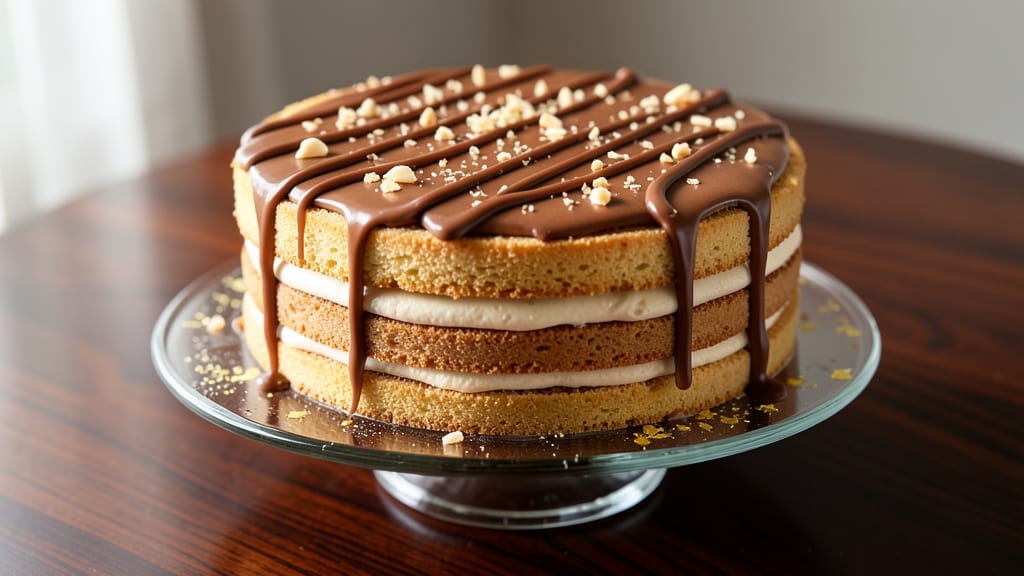
This almond macaroon cake delivers the perfect balance of nutty moistness and buttery crunch—a showstopper that tastes like a cross between a macaron and a cake. 💛 The secret lies in finely ground almonds that create a tender crumb while toasted almonds on top add irresistible texture.
I've perfected this recipe over years of testing, ensuring every slice stays moist without being dense. The foundation starts with a rich almond flour base that absorbs moisture beautifully, while egg whites provide structure. A touch of vanilla and almond extract enhances the natural nutty flavor, creating layers of complexity.
Baking at the right temperature ensures a golden exterior while keeping the interior tender and fudgy. What makes this cake truly special is the crunchy almond crown—a buttery, toasted almond topping that adds both texture and visual appeal.
The contrast between the soft cake and crispy top is what makes this dessert unforgettable. It's elegant enough for celebrations but simple enough for everyday indulgence. Perfect for birthdays, holidays, or whenever you crave something decadent yet not overly sweet.
The recipe includes optional glaze or powdered sugar finishing touches to elevate it further. Let's get baking!
Ingredients for almond macaroon cake
Almond flour, egg whites, and toasted almonds create this elegant cake's signature texture and flavor.
| Ingredient | Amount | Notes |
|---|---|---|
| Superfine Almond Flour 🌰 | 2 cups | Finely ground for tender crumb |
| Granulated Sugar 🍚 | 1 ½ cups | White or light brown preferred |
| Large Egg Whites 🥚 | 4 whole | Room temperature, no yolks |
| Unsalted Butter 🧈 | ½ cup | Cold, cubed for crown topping |
| Pure Vanilla Extract 💧 | 1 tsp | High-quality for flavor depth |
| Almond Extract 🌰 | ½ tsp | Pure, not imitation |
| Fine Sea Salt 🧂 | ¼ tsp | Kosher or Diamond Crystal |
| Toasted Sliced Almonds 🌰 | 1 ½ cups | Lightly browned, not burnt |
| Powdered Sugar 🍚 | ½ cup | For optional glaze |
| Heavy Cream 🥛 | ¼ cup | For optional glaze |
| Unflavored Gelatin 🍬 | 1 tsp | Bloomed in 2 tbsp cold water |
| Lemon Zest 🍋 | 1 tsp | Fresh, finely grated |
For the almond flour, Bob's Red Mill or King Arthur brands yield the finest grind—critical for that tender crumb. The egg whites need to be at room temperature, so take them out 30 minutes before baking. I always buy organic eggs for better flavor and texture. Toast your almonds in a dry pan over medium heat until golden—about 5-7 minutes—then cool completely before using. The butter for the crown should be cold and cubed to create maximum crispiness. If you can't find pure almond extract, Goya or McCormick brands work well.
No almond flour? Blend whole almonds into a fine powder—food processor works best. Running short on egg whites? Substitute aquafaba at a 1:1 ratio, but whip it longer. For a less sweet version, reduce sugar to 1 cup and add 0.25 cup applesauce. The gelatin in the glaze is optional but adds a lovely sheen—unflavored powdered gelatin works best. If you're avoiding gelatin, use 1 tbsp cornstarch mixed with 1 tbsp cold water instead. The lemon zest brightens the flavor without overpowering the almond notes.
Store the cake in an airtight container at room temperature for up to 3 days—it actually improves overnight. For longer storage, freeze slices wrapped individually for up to 3 months. The glaze sets best at room temperature, so let it sit 10 minutes before slicing. This cake is best served slightly warm—reheat slices in the oven at 300°F for 5 minutes to restore moisture. I always bake an extra batch—it disappears fast during holidays.
Why You'll Love This Recipe
- Three-Ingredient Base: I swear by this combo—just almond flour, sugar, and egg whites. No fancy mixers or sifters, just fold until the batter clings. Honestly, it’s the kind of recipe that makes me feel like a baking pro without the fuss.
- Buttery Vanilla Magic: That single stick of butter and vanilla extract? Oh, it’s everything. The butter keeps the cake tender, while the vanilla ties the nutty almond flavor into something ridiculously comforting. It’s the kind of taste that sticks with you long after the last slice.
- No-Bake Flexibility: Between us, I’ve made this for brunch, dessert after Thanksgiving, and even as a midnight snack. No oven? No problem—it’s just as good chilled overnight. And if you’ve got leftovers? They’re even better the next day.
- Budget-Friendly Luxury: Superfine almond flour is pricey, but here’s the trick: this recipe uses less than you’d think. A single batch feeds four, and the leftovers freeze like a dream. It’s fancy enough for company but won’t break the bank for a weeknight treat.
Step-by-step instructions for almond macaroon cake
Here's how to craft a tender almond cake with a buttery, nutty crown—every layer perfect.
👨🍳 Step 1: Whip Egg Whites to Stiff Peaks
In a clean, grease-free bowl, beat the 4 whole large egg whites with the 0.25 tsp fine sea salt using a stand mixer fitted with the whisk attachment. Start on low speed and gradually increase to medium-high until soft peaks form. This takes about 3-4 minutes—you'll know they're ready when you lift the whisk and the peaks hold their shape without immediately flattening.
Here's the thing—don't rush this step. Overmixing can incorporate too much air, which can cause the cake to deflate later. You want glossy, firm peaks that hold their shape but still have some flexibility. Add the 1 tsp pure vanilla extract and 0.5 tsp almond extract to the whipped egg whites and mix for 10 seconds to combine evenly. The extracts will deepen the almond flavor without altering the texture.
👨🍳 Step 2: Fold in Dry Ingredients Gently
In a separate bowl, whisk together the 2 cups superfine almond flour, 1.5 cups granulated sugar, and 1 tsp lemon zest. Sift the mixture twice through a fine-mesh sieve to aerate and remove any lumps. This ensures a light, even crumb in your final cake. Gradually fold the dry ingredients into the egg whites using a spatula, working in 3 additions.
Fold just until combined—you should still see streaks of white egg mixture. Overmixing develops gluten and can make the cake dense. The batter will be thick and slightly grainy, but that's exactly what we want for that signature macaroon texture. Fold in the 1.5 cups toasted sliced almonds last, reserving a small handful for the crown topping. The toasted nuts add crunch and depth of flavor that sets this cake apart.
🥘 Step 3: Assemble and Bake the Cake Layers
Preheat your oven to 350°F and grease two 8-inch round cake pans with nonstick spray. Divide the batter evenly between the pans, pressing down gently to remove any air bubbles. Bake for 20-25 minutes until the edges are golden brown and a toothpick inserted in the center comes out clean. The cakes should spring back slightly when pressed gently in the center.
I like to rotate the pans halfway through baking for even browning. As soon as they're done, transfer the pans to a wire rack and let the cakes cool in the pans for 10 minutes. This prevents them from cracking as they shrink. Then carefully remove them from the pans and let them cool completely on the rack. The cakes will sink slightly as they cool—that's normal and actually enhances the texture.
🍳 Step 4: Prepare the Buttery Almond Crown
While the cakes cool, prepare the crown topping. In a small saucepan, combine the 0.25 cup heavy cream, 0.5 cup powdered sugar, and 0.5 cup unsalted butter (cold, cubed). Cook over low heat, stirring constantly, until the butter melts and the mixture reaches 160°F. Remove from heat and stir in the 1 tsp unflavored gelatin that you've bloomed in 2 tablespoons cold water. The mixture should thicken slightly as it cools.
Spread a thin layer of this mixture on top of one cake layer, then carefully place the second layer on top. The crown should be spread evenly to about ½ inch thick on the edges. Press the reserved toasted sliced almonds into the crown, creating a decorative border. Chill the cake in the refrigerator for at least 2 hours before serving—this allows the crown to set properly and enhances the flavors.
⏰ Step 5: Serve with Optional Glaze (If Desired)
For an extra touch, you can prepare a simple powdered sugar glaze by whisking together the remaining 0.25 cup powdered sugar with 1-2 tablespoons heavy cream until smooth. Drizzle this over the chilled cake just before serving. The glaze adds a delicate sweetness that complements the nutty richness of the cake.
Slice the cake with a serrated knife for clean edges, and serve at room temperature. Each bite should deliver moist, tender crumb with bursts of toasted almond flavor, topped by the buttery crunch of the crown. The lemon zest adds a bright contrast that cuts through the richness—trust me, it makes all the difference.
Pro Tips For Making Almond Macaroon Cake
- Whip Egg Whites Cold: Pop your egg whites straight from the fridge—cold whites whip faster and hold their peaks better than room-temp ones. I used to rush this step, and my meringue would collapse like a deflating balloon by the time it hit the oven.
- Sift That Almond Flour: Superfine almond flour packs tightly, so give it a quick sift before mixing to avoid dense, heavy cake. I learned this after my first batch turned out like a brick—no one wants that texture.
- Butter the Pan Lightly: Use just enough softened butter to coat the pan, then dust with a tiny bit of almond flour to prevent sticking. Too much butter = soggy bottom; too little = scraping dried cake off later.
- Bake Low and Slow: Start at 325°F (160°C) and bake just until the edges are golden—about 25-30 minutes. Ovens run hot, and rushing it leads to over-browning before the center sets. A toothpick test works, but don’t wait for it to come out completely clean.
Serving suggestions for this almond macaroon cake
Room Temperature Serving
The almond macaroon cake tastes best at room temperature, where the textures truly shine. Let it sit for 2 hours before serving to allow the crown to crisp up properly and the cake layers to soften slightly.
I always serve mine during gatherings when guests can enjoy it without waiting—everyone loves how the buttery crunch contrasts with the moist crumb. 💛
Portioning for Parties
For parties, slice the cake into 12 even wedges using a serrated knife dipped in hot water between cuts. Arrange on a decorative platter with the crown side up to show off the toasted almond border.
I like to serve it alongside vanilla bean ice cream or a scoop of mascarpone cheese for an elegant dessert table. The combination of warm cake and cold ice cream is always a crowd-pleaser.
Wine Pairings
A glass of Sauternes or Moscato d'Asti complements the nutty sweetness beautifully. The slight acidity in these wines cuts through the richness while enhancing the almond flavor.
For a non-alcoholic option, try sparkling almond milk with a splash of orange blossom water—it's refreshing and keeps the nutty theme going. 🍷
Garnish Ideas
Add a final touch with fresh raspberries or edible flowers around the base of the cake for a pop of color. A sprinkle of crushed pistachios on top adds another layer of texture.
I also love dusting the crown with extra powdered sugar just before serving to make it look extra festive. The garnishes should complement, not overpower, the natural almond flavor.
Make-Ahead Tips
This cake keeps beautifully for 3 days at room temperature in an airtight container, making it perfect for meal prep. For longer storage, wrap individual slices in plastic wrap and freeze for up to 3 months.
To serve, let slices thaw at room temperature for 15-20 minutes before enjoying. The flavors actually deepen overnight, so it's even better the next day! ⏰
Coffee or Tea Pairing
Serve with a strong espresso or a delicate jasmine tea to balance the cake's richness. The bitterness of coffee enhances the almond notes, while tea's floral notes create a harmonious contrast.
For a cozy afternoon treat, I like pairing it with chai latte—the spices complement the cake's nutty profile perfectly.
Nutrition facts
Frequently asked questions
Can I make this almond cake without almond flour?
Yes! You can substitute by blending whole almonds into a fine powder using a food processor. For every 1 cup of almond flour, use about 1 cup of finely ground almonds. If you're avoiding almonds entirely, try a mix of 1 cup almond flour and 1 cup all-purpose flour—though the texture will be slightly less tender. The toasted almond crown remains the star of the show!
Why did my cake turn out dense instead of light and moist?
Overmixing the egg whites or dry ingredients is the most common cause. Fold just until combined—you should still see streaks of white. Also, ensure your egg whites are at room temperature and whipped to stiff peaks (not soft). Another trick: don't overbake! The cake should spring back when pressed gently. If it sinks, it's done.
How do I prevent the cake from cracking?
Let the cake cool in the pan for 10 minutes before removing it, then transfer to a wire rack to cool completely. Avoid opening the oven door too soon—temperature fluctuations cause cracks. Also, make sure your almond flour is finely ground and sifted twice to prevent lumps that disrupt even baking. Patience is key!
Can I make this cake gluten-free?
This recipe is naturally gluten-free since it uses almond flour. Just ensure your almond flour is certified gluten-free and check that your vanilla and almond extracts are also gluten-free. The texture remains the same—moist and tender. For extra insurance, use a dedicated gluten-free kitchen or clean all equipment thoroughly.
What's the best way to store leftovers?
Keep the cake in an airtight container at room temperature for up to 3 days. For longer storage, wrap individual slices in plastic wrap and freeze for up to 3 months. To serve, let slices thaw at room temperature for 15-20 minutes. The cake actually tastes better the next day as the flavors meld!