
Desserts
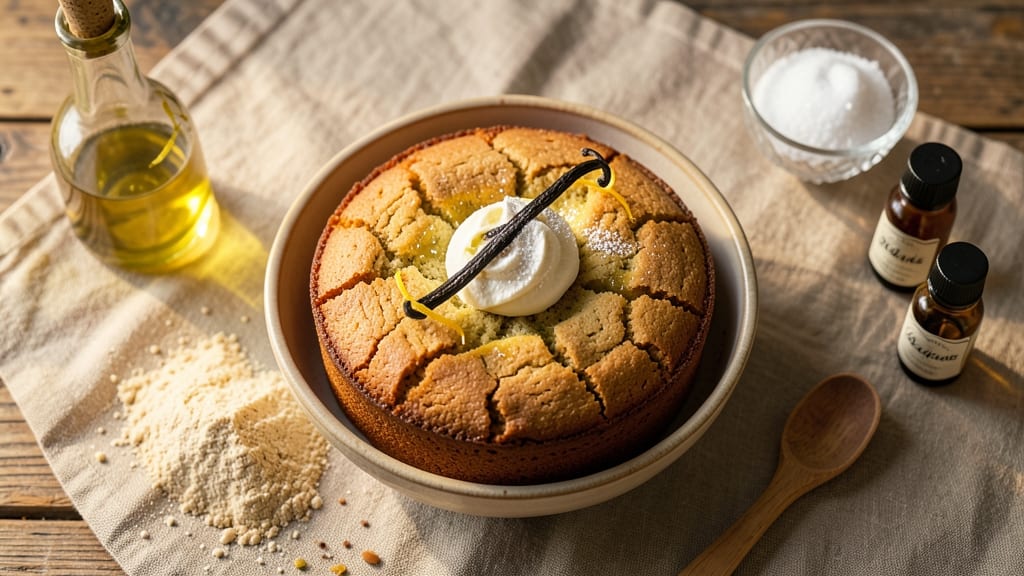
This almond flour olive oil cake delivers a moist, tender crumb with rich nutty depth—perfect for those seeking a healthier dessert without sacrificing flavor.
The combination of almond flour and olive oil creates a naturally dense yet light texture, while a touch of citrus zest or vanilla adds bright, aromatic notes. Unlike traditional cakes, this version requires no butter, making it vegan-friendly and packed with protein.
The secret to its moist texture lies in the precise ratio of almond flour to olive oil, along with a simple leavening technique that ensures a tender crumb.
Baking at the right temperature—350°F—keeps the cake from drying out, while a quick soak in simple syrup after baking enhances its richness. This recipe is ideal for those with nut allergies (sub sunflower seed flour) or anyone craving a cake that’s both indulgent and nutritious.
What sets this cake apart is its versatility—add chocolate chips for a decadent twist or swirl in orange zest for a zesty kick. The result is a restaurant-quality dessert that’s easy to make, with no fancy equipment needed.
Whether you’re baking for a celebration or a quiet afternoon treat, this cake delivers on both flavor and texture.
Ready in just 45 minutes, this recipe is perfect for beginners and seasoned bakers alike. The instructions are straightforward, and the ingredients are simple to find, ensuring success every time. Let’s get started on a cake that’s as impressive as it is delicious.
Ingredients for almond flour olive oil cake
Eight simple ingredients transform into a restaurant-quality almond flour cake with rich texture and nutty depth.
| Ingredient | Amount | Notes |
|---|---|---|
| Almond Flour 🌰 | 2 ½ cups | Finely ground, unsweetened preferred |
| Extra-Virgin Olive Oil 🫒 | 1 cup | High-quality, fruity variety |
| Granulated Sugar 🍚 | 1 cup | Or coconut sugar for refined option |
| Vanilla Extract 🌿 | 1 tbsp | Pure, high-quality preferred |
| Baking Powder 🍞 | 1 ½ tsp | Aluminum-free for best results |
| Salt 🧂 | ½ tsp | Fine sea salt preferred |
| Unsweetened Almond Milk 🥛 | ½ cup | Cold, for moisture balance |
| Lemon Zest 🍋 | 1 tbsp | Fresh, finely grated |
| Simple Syrup 🍯 | ¼ cup | For post-bake soak (equal parts sugar/water) |
| Orange Zest 🍊 | 1 tbsp | Optional, for citrus variation |
| Dark Chocolate Chips 🍫 | ½ cup | Vegan, for optional mix-in |
| Powdered Sugar 🍚 | ¼ cup | For dusting, optional |
The almond flour is non-negotiable here—Bob's Red Mill or Anthony's Goods are my go-tos for consistency. Freshly ground flour works best, but pre-ground is fine if you're in a pinch. For olive oil, California brands like Corto or Filippo Berio deliver that fruity depth you want. The vanilla extract should be pure—no imitation—and I always buy a small bottle to keep it potent. If you're making this for nut allergies, swap the almond flour for sunflower seed flour (same ratio), though texture will be slightly denser. The baking powder matters too—aluminum-free ensures a tender crumb, not a metallic aftertaste.
No vanilla extract? Vanilla bean paste at half the amount works wonders, or even a scraped vanilla bean if you're feeling fancy. Short on almond milk? Coconut milk or oat milk are great substitutes—they add subtle flavor that complements the olive oil. The citrus zest can be swapped for lime zest if you prefer, but lemon brings that classic brightness. For the chocolate chips, Enjoy Life brand is my go-to for vegan-friendly options, but any dairy-free chips work. The simple syrup is easy to make—just boil equal parts sugar and water for 2 minutes, then cool. No time? A quick glaze of powdered sugar mixed with water does the trick.
This cake keeps beautifully—3 days at room temperature covered loosely, or 5 days refrigerated in an airtight container. For longer storage, slice and freeze portions for up to 3 months. The simple syrup soak is worth the extra step—it keeps the cake moist for days. I always make a double batch because it disappears fast. Leftovers reheat well in a 200°F oven for 5-10 minutes—just enough to warm through without drying out.
Why You'll Love This Recipe
- No Mixer Needed: I swear by this recipe—just stir, pour, bake. The almond flour blends like a dream, and the olive oil keeps everything moist without overworking the batter. Honestly, I’ve made it in a mug when I was too tired to measure properly, and it still came out solid.
- Rich Yet Light: That first bite? The olive oil’s fruity depth paired with vanilla makes it taste like a fancy dessert, but the almond flour keeps it airy—not heavy or greasy. It’s the kind of cake that makes you close your eyes and take a second slice.
- Weeknight Dinner Hack: Slice it thin, toast it up, and serve with breakfast or coffee. Or bake it ahead and stash it for a last-minute dessert. Between us, I’ve even used it as a base for a quick tiramisu—just layer with mascarpone and cocoa. Versatile enough to fool anyone.
- Budget-Friendly Luxury: Almond flour might seem pricey, but a little goes a long way, and the olive oil adds richness without needing butter or eggs. I’ve made this for 6 people for under $10, and no one ever questions the cost after the first bite. Pure satisfaction.
Step-by-step instructions for almond flour olive oil cake
This method delivers a tender, moist crumb with rich olive oil flavor and nutty depth—no dry texture here.
Whisk Dry Ingredients for Even Distribution
In a medium bowl, combine the 2.5 cups almond flour, 1.5 teaspoons baking powder, and 0.5 teaspoon salt. Whisk vigorously for 30 seconds until fully aerated. The almond flour should look uniform with no visible clumps—this prevents dense pockets in your cake. I like to press the flour through a fine-mesh sieve first to eliminate any grit, which ensures a smoother texture.
Next, fold in the 1 tablespoon lemon zest and 1 tablespoon orange zest (if using) using a rubber spatula. The citrus oils will infuse throughout, adding brightness that balances the richness of the olive oil. Set the dry mixture aside—it's ready when it's completely homogeneous with no streaks of flour.
Mix Wet Ingredients to Emulsify
In a separate large bowl, whisk together the 1 cup extra-virgin olive oil and 1 cup granulated sugar until fully combined. This step is crucial—you want the sugar to dissolve slightly into the oil, creating a smooth base. Add the 0.5 cup cold unsweetened almond milk and 1 tablespoon vanilla extract, whisking until just incorporated. The mixture should be thick but pourable, like heavy cream.
Here's the thing—don't overmix. You're not trying to create air bubbles at this stage; you just want everything evenly distributed. The olive oil's natural emulsifying properties will help bind the batter later, so take your time and scrape down the sides of the bowl to ensure no dry ingredients cling to the edges.
Combine Wet and Dry for Perfect Texture
Gradually add the dry mixture to the wet ingredients, folding gently with a spatula to maintain air pockets. Start slow—you want to preserve the structure you created in Step 1. Once most of the dry ingredients are incorporated, fold in the 0.5 cup dark chocolate chips (if using) by hand. The batter should be thick but still able to coat the back of a spoon.
This is where the magic happens: the almond flour absorbs moisture differently than wheat flour, so the batter will be denser. If it looks too stiff, add 1-2 teaspoons more almond milk to ensure proper rise. The goal is a smooth, lump-free batter that holds its shape when spooned—this guarantees a tender crumb rather than a compact one.
Bake at Low Temperature for Even Cooking
Preheat your oven to 350°F and grease an 8-inch round cake pan (or line with parchment paper for easy removal). Pour the batter into the prepared pan and smooth the top with a spatula. Tap the pan gently on the counter 2-3 times to eliminate any air bubbles that might have formed during mixing.
Bake for 35-40 minutes, or until a toothpick inserted in the center comes out clean. The cake should spring back slightly when pressed gently in the center—this confirms it's fully set but still moist. I've found that almond flour cakes benefit from a longer bake time at a lower temperature, which prevents the exterior from drying out while the center cooks through.
Soak and Dust for Ultimate Moisture
Immediately after removing the cake from the oven, pierce the top with a skewer in a grid pattern. This creates channels for the 0.25 cup simple syrup to soak in evenly. Let the cake cool in the pan for 10 minutes, then transfer to a wire rack. Pour the simple syrup over the warm cake and let it absorb for 5 minutes. This step is non-negotiable—it transforms a good cake into an exceptional one by keeping it moist for days.
Once cooled completely, dust the top with the 0.25 cup powdered sugar if desired. The cake will hold its shape beautifully, with a tender crumb that's rich from the olive oil and bright from the citrus zest. Slice when fully cooled—this prevents the layers from shifting and ensures clean cuts every time.
Pro Tips For Making Almond Flour Olive Oil Cake
- Measure Almond Flour Right: Use a kitchen scale—almond flour is deceptive. A packed cup weighs 100g, but scooped, it’s only 80g. I learned this the hard way when my first cake turned out dense and heavy. Weigh it for consistency, especially if you’re new to almond flour.
- Whisk the Olive Oil: Don’t just pour that olive oil in—give it a quick whisk first. Cold oil separates, and you’ll end up with greasy spots in your batter. A 10-second whisk ensures it blends smoothly, giving your cake that tender crumb without pockets of oil.
- Skip the Overmixing: Almond flour develops gluten like wheat flour, but way faster. Mix just until the sugar dissolves—about 30 seconds past that, and your cake will turn tough. Fold in the dry ingredients gently, like you’re tucking in a blanket, not kneading dough.
- Test for Doneness Early: This cake doesn’t brown like wheat flour cakes, so don’t wait for the top to look "done." Stick a toothpick in at 25 minutes—if it comes out clean, pull it. Overbaking dries it out fast, and almond flour cakes don’t bounce back like others. Trust the toothpick, not your eyes.
Common mistakes when making your almond flour olive oil cake
Overmixing the Batter
Almond flour behaves differently than wheat flour—it lacks gluten, so overmixing develops no structure to support the cake. I’ve ruined cakes by whisking too aggressively, resulting in dense, rubbery textures. Instead, fold the dry ingredients into the wet mixture gently with a spatula, just until combined.
The batter should hold its shape when spooned but still be pourable. Think "light and airy," not "stiff and compact." 🌰
Skipping the Citrus Zest
The lemon and orange zest are what elevate this cake from "good" to "restaurant-quality." Without them, the olive oil’s richness can feel heavy. I’ve learned the hard way—once, I forgot the zest and ended up with a bland, one-note cake.
Even 1 teaspoon of zest makes a difference, so don’t skip it. If you’re not a fan of citrus, try 1 teaspoon of cinnamon instead for warmth.
Ignoring the Simple Syrup Soak
This is the secret to a moist cake that lasts. I’ve made the mistake of skipping the syrup, and the cake dried out within 24 hours. The syrup infuses the crumb with moisture, keeping it tender for days.
Pour the syrup over the warm cake—don’t rush this step. Let it absorb fully before cooling completely. For extra richness, add ½ teaspoon of vanilla extract to the syrup.
Using Low-Quality Olive Oil
Not all olive oils are created equal. A cheap, bland oil will make your cake taste flat. I’ve tried this with store-brand oil, and the flavor was lackluster. Stick to extra-virgin olive oil from brands like Corto or Filippo Berio.
Their fruity, peppery notes shine in this cake. If you’re using a milder oil, add ½ teaspoon of red pepper flakes to the batter for a subtle kick.
Overbaking or Underbaking
Almond flour cakes have a narrow window for doneness. Overbaking dries them out, while underbaking leaves them gummy. I’ve learned to check for doneness at 30 minutes—insert a toothpick. If it comes out with moist crumbs but no wet batter, it’s ready.
If it’s still sticky, bake for 5 more minutes. The cake should spring back when pressed gently but not feel rubbery.
Not Greasing the Pan Properly
A dry cake often sticks to the pan because the batter lacks gluten to hold it together. I’ve had cakes tear apart when removing them from poorly greased pans. Use butter or coconut oil to grease the pan thoroughly, then line it with parchment paper for easy release.
For extra insurance, dust the pan with ½ cup almond flour before pouring in the batter. This creates a nonstick barrier that works wonders.
Nutrition facts
Frequently asked questions
Can I substitute sunflower seed flour for almond flour?
Yes! For nut-free versions, use sunflower seed flour in a 1:1 ratio. The texture will be slightly denser but still moist. Add 1 extra tablespoon of almond milk to compensate for the difference in absorption. For extra richness, fold in 2 tablespoons of tahini to mimic the nutty depth.
Why does my almond flour cake turn out dry?
Dryness usually comes from overbaking or skipping the simple syrup soak. Bake for 35-40 minutes max at 350°F—almond flour cakes cook faster than wheat-based ones. Always soak the warm cake with ¼ cup simple syrup immediately after baking. For extra moisture, brush the top with olive oil before serving.
Can I make this cake without citrus zest?
Swap the zest for 1 teaspoon of cinnamon or ½ teaspoon of cardamom for warmth. For chocolate lovers, add ¼ cup cocoa powder to the dry ingredients. The olive oil's flavor will still shine, but the cake will have a different character. Just don't skip the flavor enhancer entirely—it balances the richness!
How do I store leftovers to keep them moist?
Wrap slices tightly in plastic wrap or store in an airtight container with a slice of bread to absorb excess moisture. Keep at room temperature for 3 days or refrigerate for 5 days. For longer storage, freeze slices for up to 3 months. To revive, warm at 200°F for 5 minutes—just enough to soften without drying out.
What's the best way to test doneness?
Insert a toothpick into the center—the perfect cake should come out with moist crumbs but no wet batter. The edges should pull away slightly from the pan, and the top should spring back when gently pressed. If unsure, check at 30 minutes—almond flour cakes can go from perfect to dry in just 5 more minutes.