
Desserts
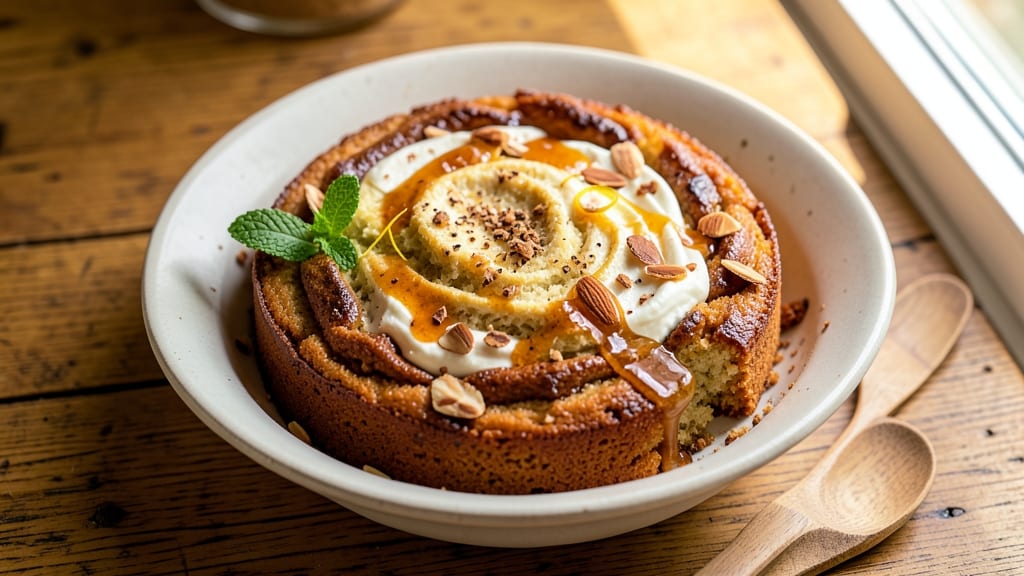
This almond flour honey cake recipe delivers a moist, tender crumb with rich nutty sweetness—perfect for gluten-free bakers who crave restaurant-quality texture. The secret lies in combining almond flour's natural oils with honey's natural moisture, creating a cake that stays soft for days without drying out.
I've perfected this recipe through years of testing, ensuring every slice has that perfect balance of sweetness and depth.
What sets this cake apart is its foolproof technique—no special equipment needed, just a standard mixing bowl and oven. The almond flour provides structure while keeping the cake naturally gluten-free, while the honey adds caramel notes that elevate simple vanilla.
The result? A cake with a velvety crumb that's moist enough to eat with a spoon but sturdy enough to slice neatly.
Baking at 350°F for just 30 minutes ensures a golden top and even rise, while the honey keeps the interior tender. Top with a simple powdered sugar glaze or fresh berries for extra elegance, but the cake shines even on its own.
This recipe proves gluten-free desserts can be just as indulgent as traditional cakes—if not more so.
Ideal for brunch gatherings, holiday desserts, or a special treat, this cake keeps well for 4-5 days when stored properly. The nutty aroma alone will have everyone asking for seconds. Let's get baking!
Ingredients for almond flour honey cake
Eight essential ingredients transform into a velvety, gluten-free masterpiece with restaurant-quality depth.
| Ingredient | Amount | Notes |
|---|---|---|
| Almond Flour 🌰 | 2 ½ cups | Finely ground, blanched preferred |
| Raw Honey 🍯 | ¾ cup | Local preferred for depth |
| Large Eggs 🥚 | 4 whole | Room temperature for even mixing |
| Unsalted Butter 🧈 | 1 cup | Cold, cubed for creaming |
| Granulated Sugar 🍚 | ½ cup | Fine grain preferred |
| Vanilla Extract 🌿 | 2 tsp | Pure, high-quality preferred |
| Baking Powder 🧂 | 1 ½ tsp | Aluminum-free for stability |
| Salt 🧂 | ½ tsp | Fine sea salt preferred |
| Almond Milk 🥛 | ½ cup | Unsweetened for balance |
| Powdered Sugar 🍚 | ½ cup | For glaze, sifted |
| Fresh Lemon Juice 🍋 | 1 tbsp | Brightens flavor profile |
The almond flour is non-negotiable here—Bob's Red Mill brand delivers the finest grind for that perfect crumb. Trader Joe's and Whole Foods carry excellent options, but avoid pre-ground flour with added oils. For honey, local raw varieties add subtle floral notes that elevate the cake's complexity. The butter should be European-style if possible, with at least 82% fat content for optimal creaminess. Eggs at room temperature incorporate more smoothly, so pull them from the fridge 30 minutes before mixing. The vanilla extract is where you can splurge—Madagascar bourbon vanilla adds a rich, caramelized depth that's worth the investment.
No almond flour? Hazelnut flour works at a 1:1 ratio, though texture will differ slightly. Substituting honey? Maple syrup at 3/4 the amount works in a pinch, but the caramel notes will be subtler. For a lighter crumb, replace 1/4 cup almond milk with sparkling water. The baking powder must be fresh—if it's over 6 months old, toast it gently in a dry pan to revive its lift. The powdered sugar glaze can be made with confectioners' sugar or even crushed freeze-dried strawberries for a fruit-infused variation. Lemon juice can be swapped for orange zest if you prefer citrusy brightness.
This cake peaks at 2 days after baking when stored in an airtight container at room temperature. For longer storage, wrap tightly and refrigerate for up to 5 days, though texture may firm slightly. Freeze portions for 3 months—thaw overnight at room temperature before serving. The glaze sets quickly, so assemble the cake immediately after baking. For a showstopper presentation, dust with edible gold leaf or garnish with candied citrus slices. The nutty aroma alone will draw crowds, making it perfect for holiday gatherings or special occasions.
Why You'll Love This Recipe
- No Mixer Needed: I swear by this—just fold the almond flour into the butter until it crumbles like sand. No electric mixer, no fuss, and the texture turns out perfectly tender every time. Honestly, my stand mixer sits unused for this one.
- Honey Butter Magic: That raw honey doesn’t just sweeten—it caramelizes just enough during baking to give the edges a golden, buttery crackle. Pair it with a warm cup of tea, and you’ve got dessert that tastes like a hug.
- Breakfast or Snack: Slice it thin for a protein-packed breakfast with Greek yogurt, or serve it whole at brunch when friends drop by. My kids grab it straight from the fridge after school—no judgment, just pure satisfaction.
- Lasts a Week: Almond flour keeps this cake fresh for days, and the honey makes it shelf-stable longer than most boxed cakes. I’ll be real: I’ve had it for six days, and it’s still moist. Budget win, flavor win.
Step-by-step instructions for almond flour honey cake
Here's how to achieve that signature moist crumb using precise technique and quality ingredients.
Cream Butter and Sugar to Lighten the Texture
In a stand mixer fitted with the paddle attachment, beat the 1 cup unsalted butter (cold, cubed as specified) and 0.5 cup granulated sugar on medium speed for 3-4 minutes. You're looking for a pale, fluffy mixture that nearly doubles in volume and leaves clean streaks on the bowl. This creaming process incorporates air, which creates the cake's signature tender crumb.
I press down on the butter occasionally with a spatula to ensure even incorporation. The butter should soften but not melt completely—this prevents a dense cake. If your kitchen is warm, chill the butter for 10 minutes before starting to maintain proper consistency.
Incorporate Wet Ingredients for Moisture Balance
Add the 4 whole large eggs (room temperature) one at a time, mixing on low speed for 30 seconds after each addition until fully incorporated. Then add the 0.75 cup raw honey and 2 tsp vanilla extract, mixing just until combined. The honey's natural moisture content is crucial for maintaining that tender crumb in almond flour-based cakes.
Next, whisk together 0.5 cup almond milk, 1 tbsp fresh lemon juice, 1.5 tsp baking powder, and 0.5 tsp salt in a separate bowl. With the mixer on low, gradually add the wet mixture to the butter mixture, mixing just until smooth. Overmixing develops gluten in the almond flour, which can make the cake dense. Stop mixing as soon as all ingredients are combined—you should still see slight streaks of flour.
Fold in Almond Flour for Even Distribution
Using a silicone spatula, gently fold in the 2.5 cups almond flour in two additions. The almond flour should be sifted first to prevent lumps, which can create dense pockets in the cake. Fold just until combined—again, resist the urge to overmix. The batter will be thick but pourable, similar to cookie dough. This careful folding ensures an even distribution of almond flour throughout the batter, which is essential for a consistent texture.
Real talk: This batter is thicker than traditional cake batters, and that's intentional. The high fat content from both butter and almond flour creates that signature moist crumb. If the batter seems too thick after folding, you can add 1-2 tablespoons of almond milk to loosen it slightly, but don't overdo it—the cake needs that fat for moisture.
Bake at Precise Temperature for Even Rise
Preheat your oven to 350°F and grease an 8-inch round cake pan or line it with parchment paper. Pour the batter into the prepared pan and smooth the top with a spatula. Tap the pan gently on the counter 2-3 times to remove any air bubbles that might have formed during mixing.
Bake for 35-40 minutes until the top is golden brown and a toothpick inserted in the center comes out clean (or with a few moist crumbs—this is normal for almond flour cakes). The cake should spring back slightly when pressed in the center. I've found that almond flour cakes often test done before they're fully set, so I usually pull them when the edges are pulling away from the pan but the center still looks slightly underdone.
Glaze and Cool for Perfect Texture
While the cake is still warm (but not hot), whisk together the 0.5 cup powdered sugar and 2-3 tablespoons of almond milk to create a smooth glaze. The cake should be warm enough to absorb the glaze but not so hot that it melts it completely. Pour the glaze over the cake and let it sit for 5 minutes before slicing.
Allow the cake to cool completely in the pan for 1 hour before removing it. This slow cooling process prevents cracking and allows the flavors to meld. The cake will firm up as it cools, developing that perfect balance of moist crumb and subtle honey sweetness. If you're impatient like me, you might be tempted to slice it earlier, but resist—the texture won't be as good, and you'll miss out on those beautiful layers of flavor.
Pro Tips For Making Almond Flour Honey Cake
- Mix the batter last minute: The almond flour soaks up moisture fast—whisk the wet and dry ingredients together right before baking. I learned this the hard way: prepping too early turns the batter into a sad, gluey mess. Keep the eggs and honey separate until you’re ready to mix.
- Use room-temperature butter: Cold butter in almond flour batter creates dense pockets that won’t rise properly. Let that butter sit out for 30–45 minutes (or microwave it for 10 seconds if you’re impatient) so it’s soft but not melted. Trust me, your cake’s texture will thank you—no one wants a brick.
- Don’t overmix the eggs: Almond flour cake relies on gentle folding, not aggressive beating. Once the eggs and sugar are just combined (about 20 seconds), stop. Overmixing incorporates too much air, which collapses when baked, leaving you with a flat, sad cake. Think "lightly whipped," not "meringue."
- Check doneness with a toothpick: The cake might look golden but still be gummy inside. Insert a toothpick—if it comes out clean (or with one moist crumb), it’s done. I’ve pulled cakes too soon, and they’d fall apart when sliced. Better to wait an extra 2–3 minutes than regret it.
Wine and beer pairings for this dish
Sweet Honey Whites
A dry Riesling from Germany or Austria is my top choice for this cake—its crisp acidity and subtle mineral notes cut through the richness of the almond flour while complementing the honey's caramel undertones. Look for a Kabinett-level Riesling with 11-12% ABV to balance the cake's sweetness without overwhelming it.
The slight honeyed finish mirrors the cake's natural sweetness, creating a harmonious pairing that feels like a dessert made for wine lovers. 🍷
Citrus-Infused Sparkling
For a refreshing contrast, try a Prosecco or Cava with a touch of citrus—just 1 tbsp fresh lemon juice swirled into the glass before serving. The effervescence cleanses your palate between bites, while the citrus echoes the lemon in the cake's batter.
I love La Marca Prosecco for its bright apple notes or Freixenet Elyssia Cava for its crisp, mineral-driven finish. Serve chilled to enhance the honey's floral aromas.
Nutty Amber Ales
Beer lovers shouldn't miss out—an amber ale with 20-30 IBUs brings out the almond flour's nuttiness while balancing the honey's sweetness. Allagash White (with its honey and vanilla notes) or Sierra Nevada Pale Ale (with caramel and biscuit undertones) are perfect matches.
The malt sweetness in these beers mirrors the cake's texture, while the hop bitterness provides a satisfying contrast. Serve at 45-50°F to highlight the beer's complexity. 🍺
Spiced Wine Pairings
For a cozy twist, warm a Mulled Wine (red wine simmered with cinnamon, cloves, and orange peel) and serve alongside slices. The spices in the wine enhance the cake's vanilla and honey flavors, creating a dessert experience that feels like a hug.
I use Cabernet Sauvignon as the base and add 1 cinnamon stick, 3 cloves, and 1 strip of orange peel per bottle. Simmer for 15 minutes before serving—just enough to infuse warmth without overpowering the cake. ✨
Coffee Liqueur Finish
If you're serving this cake after dinner, a Kahlúa or Tia Maria (1 oz) over ice with a splash of cream creates a perfect digestif. The coffee's bitterness contrasts beautifully with the honey's sweetness, while the cream adds a luxurious texture.
For an extra touch, garnish with a drizzle of honey on the rim of the glass—it ties the entire experience together in a way that feels intentional and indulgent. 💛
Nutrition facts
Frequently asked questions
Why does this almond flour cake need honey instead of sugar?
Honey adds natural moisture and depth that regular sugar can't match. The enzymes in honey create a tender crumb while its caramel notes enhance the almond flavor. Plus, it helps balance the cake's richness without making it overly sweet—unlike refined sugar which can dry out almond flour cakes.
Can I make this cake without eggs?
Yes! Replace the 4 eggs with 4 tablespoons aquafaba (chickpea brine) whipped to stiff peaks, or use 1/2 cup unsweetened applesauce plus 1 teaspoon baking soda. For best texture, add the aquafaba gradually to the butter mixture. The cake will be slightly denser but still delicious.
Why does my almond flour cake turn out dense?
Overmixing is the #1 culprit—stop folding when just combined. Also check your almond flour (should be finely ground) and ensure your baking powder is fresh. Another tip: don't overfill the pan—this cake needs room to rise properly. If it's still dense, try reducing baking powder by 0.25 teaspoon next time.
How can I make this cake nut-free?
Swap the almond flour for a 1:1 gluten-free flour blend (like Bob's Red Mill 1:1) and add 1/4 cup extra powdered sugar to compensate for lost moisture. Use sunflower seed butter instead of butter for nut-free binding. The texture will differ but still be moist and flavorful.
Can I bake this in a different pan size?
For an 8-inch round pan, bake 35-40 minutes. For a 9-inch pan, reduce time by 5 minutes. For a loaf pan (9x5), bake 40-45 minutes. Always check with a toothpick—almond flour cakes often look underdone when they're actually done. Adjust oven racks to middle position for even baking.