
Desserts
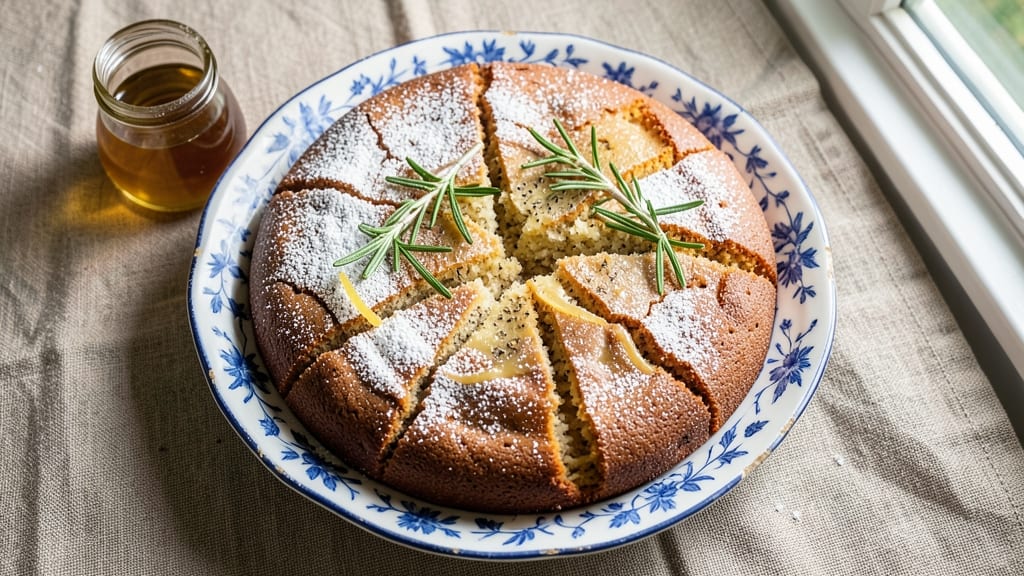
This Australian tea cake recipe delivers the perfect balance of buttery richness and aromatic aniseed—just like the ones you’d find at a traditional afternoon tea. The secret lies in the crumbly texture and subtle sweetness that makes these bite-sized treats irresistible.
I’ve perfected this version to stay true to classic flavors while ensuring foolproof results every time.
The magic begins with a simple yet precise combination of flour, butter, and sugar, all folded together until the dough reaches that signature light, crumbly consistency. Aniseed adds a distinctive warmth that’s quintessentially Australian, while a touch of vanilla enhances the depth of flavor.
Baking at the right temperature ensures golden edges without losing that tender crumb.
What you’ll end up with are delicate, melt-in-your-mouth tea cakes that pair beautifully with a cup of tea or coffee. The aroma alone will transport you to a cozy Australian kitchen, where these treats have been a staple for generations.
Whether you’re serving them at a gathering or enjoying them with a quiet afternoon break, they’re guaranteed to impress.
For an extra touch, dust with powdered sugar or drizzle with a simple glaze—though many purists swear the classic version, with just a sprinkle of flour, is the best. Let’s get baking!
Ingredients for australian tea cake
Twelve simple ingredients transform into delicate, aniseed-kissed tea cakes perfect for afternoon tea.
| Ingredient | Amount | Notes |
|---|---|---|
| All-Purpose Flour 🌾 | 3 cups | Sifted for light texture |
| Unsalted Butter 🧈 | 1 cup | Cold, cubed for even baking |
| Granulated Sugar 🍚 | ¾ cup | Superfine preferred for smooth texture |
| Ground Aniseed 🌿 | 2 tbsp | Pure, not anise extract |
| Pure Vanilla Extract 🍯 | 1 tsp | High-quality for depth of flavor |
| Large Eggs 🥚 | 1 whole | Room temperature for even mixing |
| Powdered Sugar 🍚 | ½ cup | For dusting, optional |
| Diamond Crystal Kosher Salt 🧂 | ½ tsp | Fine grain for delicate flavor |
| Baking Powder 🍞 | 1 tsp | Fresh for proper rise |
| Heavy Cream 🥛 | ¼ cup | Cold for stability |
| Lemon Zest 🍋 | 1 tbsp | Brightens the flavor |
The butter and flour are the heart of these tea cakes—European-style butter like Plugrá or Kerrygold gives the richest flavor, but any good-quality unsalted butter works. Aniseed is non-negotiable here; Whole Foods or specialty spice shops carry the best ground version. I always grab extra because the aroma alone makes the kitchen feel like an Australian afternoon tea parlor. For the flour, King Arthur or Gold Medal brands are my go-to—they’re sifted for consistency, which matters for that signature crumbly texture.
No aniseed? Star anise powder at half the amount works in a pinch, though it’s not quite the same. Superfine sugar unavailable? Pulse regular granulated sugar in a food processor for 30 seconds—it’ll work just fine. Short on heavy cream? Substitute with half-and-half or whole milk, though the texture will be slightly denser. The vanilla extract should be pure—Nestlé or McCormick are reliable brands. And if you’re feeling fancy, add a pinch of cardamom (about 0.25 tsp) for an extra layer of warmth, though it’s not traditional.
The dough keeps best in the fridge for up to 2 days, wrapped tightly in plastic. For longer storage, shape the cakes and freeze them on a tray before transferring to a bag—they’ll keep for 3 months. Once baked, store in an airtight container at room temperature for 5 days. These are best enjoyed fresh, but they’ll still taste amazing if revived with a quick warm in the oven. The powdered sugar dusting? Optional, but it adds that final touch of elegance—just a light sprinkle over the cooled cakes.
Why You'll Love This Recipe
- No-Mess Mixing: That butter-and-sugar creaming? It’s almost foolproof—just beat until it’s light and fluffy, no food processor required. I’ve made it with a wooden spoon in a bowl (yes, really) and still got that perfect crumb.
- Aniseed Magic: Honestly, the ground aniseed is the star—it’s warm, slightly licorice-y, and pairs so well with vanilla. One teaspoon transforms this from basic sponge to something special without overpowering.
- Tea Time Anywhere: Between us, these cakes are my go-to for picnics, office treats, or even a lazy Sunday with a cuppa. They travel well, stay fresh for days, and I’ve even sliced them thin for fancy finger sandwiches.
- Budget Baking: Flour, butter, sugar—those are pantry staples most of us already have. No fancy ingredients, no last-minute grocery runs. Plus, the leftovers? I freeze them in slices and toast them straight from frozen for a quick breakfast.
Step-by-step instructions for buttery aniseed tea cakes
Here's how to craft these iconic Australian treats with perfect crumb and aromatic aniseed flavor.
Create the Dough Foundation
In a large mixing bowl, combine the 3 cups all-purpose flour, 0.5 tsp diamond crystal kosher salt, 1 tsp baking powder, and 2 tbsp ground aniseed. Whisk gently to distribute the aniseed evenly throughout the flour mixture. This step ensures every bite carries that signature licorice-like warmth without any clumps.
Cut in the 1 cup cold unsalted butter using a pastry cutter or your fingers until the mixture resembles coarse crumbs with pea-sized butter pieces remaining. The cold butter creates flaky layers that give these tea cakes their signature melt-in-your-mouth texture. If the butter starts to melt too quickly, chill the bowl for 5 minutes before continuing.
Build the Wet Ingredients
In a separate bowl, whisk together the 1 whole large egg, 0.25 cup heavy cream, 1 tsp pure vanilla extract, and 1 tbsp lemon zest until smooth and fully combined. The lemon zest adds a subtle brightness that balances the richness of the butter and aniseed. Let this mixture sit at room temperature for 5 minutes to ensure it's fully emulsified.
Gradually pour the wet ingredients into the flour mixture while stirring with a wooden spoon. Mix just until the dough comes together - you should have a soft, slightly sticky dough that holds its shape when pressed. Avoid overmixing, as this develops gluten and can make the finished tea cakes tough rather than tender and crumbly.
Shape and Chill the Dough
Turn the dough onto a lightly floured surface and gently knead it 2-3 times just to bring it together. Divide the dough into 24 equal portions (about 1.5 tablespoons each) and roll each portion into a ball. The dough will be soft, so handle it gently to maintain its structure. Place the dough balls on a parchment-lined baking sheet and cover with plastic wrap.
Refrigerate the dough for at least 30 minutes or up to 24 hours. This chilling step is crucial - it firms up the dough so it holds its shape during baking and prevents excessive spreading. The longer you chill, the more pronounced the flavor development will be, but even 30 minutes makes a noticeable difference in texture.
Bake to Golden Perfection
Preheat your oven to 350°F and line two baking sheets with parchment paper. Arrange the chilled dough balls on the prepared sheets, spacing them about 1 inch apart to allow for expansion. Bake for 15-18 minutes until the edges are golden brown and the tops appear slightly cracked. The centers should still look slightly underbaked - they'll continue cooking as they cool.
Remove the tea cakes from the oven and let them cool on the baking sheets for 5 minutes before transferring to a wire rack. While still warm, dust the tops generously with 0.5 cup powdered sugar using a fine-mesh sieve. This creates that signature powdered sugar coating that's essential to authentic Australian tea cakes. The sugar should melt slightly from the residual heat, creating a delicate glaze.
Pro Tips For Making Australian Tea Cake
- CREAM BUTTER UNTIL LIGHT: I learned this the hard way—mixing cold butter and sugar until the dough looks like wet sand is a recipe for dense cake. Beat the butter and sugar on medium-high until it’s pale, fluffy, and holds a ribbon when you lift the beaters. This isn’t just about aeration; it’s how you get that signature tender crumb.
- SIFT THE ANISEED: Ground aniseed is sneaky—it clumps like a stubborn guest at a party. Sift it directly into the dry ingredients before mixing, then give the whole batch a quick whisk. This guarantees even distribution so every bite has that subtle licorice warmth without any gritty surprises.
- DON’T OVERMIX THE DOUGH: Once you fold in the flour, stop when the dough just comes together. Overmixing develops gluten, and that’s how you end up with a chewy, dense brick instead of a light, moist tea cake. Two turns of a spatula after the flour disappears is all you need—promise.
- BAKE UNTIL COOLER THAN YOU THINK: The cake will look done when the top springs back, but pull it out when the center still has a slight give—like pressing a jelly donut. It’ll keep rising as it cools, and that’s when you get the perfect domed shape. Let it rest 10 minutes before slicing, or it’ll crumble like a biscuit gone wrong.
Flavor customization for this dish
Classic Aniseed Twist
The signature flavor here comes from 2 tbsp ground aniseed, which gives these tea cakes their distinctive licorice-like warmth. For a more intense aroma, I recommend toasting the aniseed seeds in a dry pan for 1 minute before grinding them fresh—this enhances their flavor significantly.
If you prefer a milder taste, reduce to 1 tbsp while still keeping that classic Australian character. 🌿
Citrus Variations
Brighten the flavor profile with lemon or orange zest—I love adding 1 tbsp lemon zest as called for, but you can swap for orange zest (about the same amount) for a sweeter, subtler twist.
For a tropical touch, try lime zest (½ tsp) alongside the lemon, though it pairs best with a slightly reduced sugar content (0.6 cup granulated sugar). Always use fresh zest for maximum impact.
Spiced Enhancements
For a cozy, autumnal version, add ½ tsp ground cinnamon or ¼ tsp cardamom to the dry ingredients. These spices complement the aniseed beautifully while adding warmth.
If you're feeling adventurous, a pinch of black pepper (about ⅛ tsp) can add an unexpected depth—just be sure to taste the dough before baking to balance the flavors. 🌶️
Sweetness Adjustments
The recipe calls for 0.75 cup granulated sugar, but you can easily adjust based on preference. For a lighter texture, reduce to 0.6 cup and add 1 tbsp honey to the wet ingredients.
If you love extra-sweet treats, increase to 1 cup—just remember these are delicate cakes, so don’t overdo it. The powdered sugar dusting at the end also adds sweetness, so taste before finalizing your sugar amount.
Richness Variations
Swap the heavy cream for Greek yogurt (¼ cup) to make these tea cakes slightly lighter and tangier. For extra richness, replace ½ cup of the butter with ½ cup cream cheese, softened—this adds a velvety texture that pairs perfectly with the aniseed.
If you're using cream cheese, reduce the sugar slightly (0.6 cup) to balance the added fat content.
Gluten-Free Adaptation
For a gluten-free version, replace the all-purpose flour with a 1:1 gluten-free baking flour blend (like Bob’s Red Mill or King Arthur). Add ½ tsp xanthan gum to help bind the dough, and increase the heavy cream to ⅓ cup to compensate for the drier texture.
These will be slightly denser but still delicious—just bake for 1-2 extra minutes to ensure they’re fully set.
Nutrition facts
Frequently asked questions
What makes Australian tea cakes different from regular tea cakes?
The key difference is the aniseed—these delicate treats feature a signature licorice-like warmth that’s quintessentially Australian. The dough is also lighter and more crumbly, with a perfect balance of butter and sugar. Traditional versions often skip frosting, relying instead on a dusting of powdered sugar for that iconic finish.
Can I make these tea cakes without aniseed? Yes! If you can't find aniseed, substitute with 1 tbsp star anise powder or ½ tsp fennel seeds (finely ground). For a completely different flavor, try ½ tsp cinnamon or cardamom instead. The texture will remain the same, but the aroma will change. Just
How do I store leftover tea cakes?
Store them in an airtight container at room temperature for up to 5 days. For longer storage, freeze the baked cakes (before dusting with powdered sugar) for up to 3 months. To revive, warm in a 300°F oven for 3-5 minutes until slightly crisp. The powdered sugar coating will need to be reapplied after reheating.
Why did my tea cakes spread too much during baking?
This usually happens when the dough isn't chilled long enough or the butter melts too quickly. Always refrigerate the dough balls for at least 30 minutes before baking, and use cold butter (not softened). Bake at 350°F—higher temps cause spreading. For extra insurance, place the baking sheet on the middle rack where heat is most even.
Can I make these gluten-free?
Replace the all-purpose flour with a 1:1 gluten-free baking flour blend and add ½ tsp xanthan gum. Increase the heavy cream to ⅓ cup to compensate for the drier texture. These will be slightly denser but still delicious—bake for 1-2 extra minutes to ensure they're fully set. The crumbly texture will be slightly different but still delightful.