
Desserts
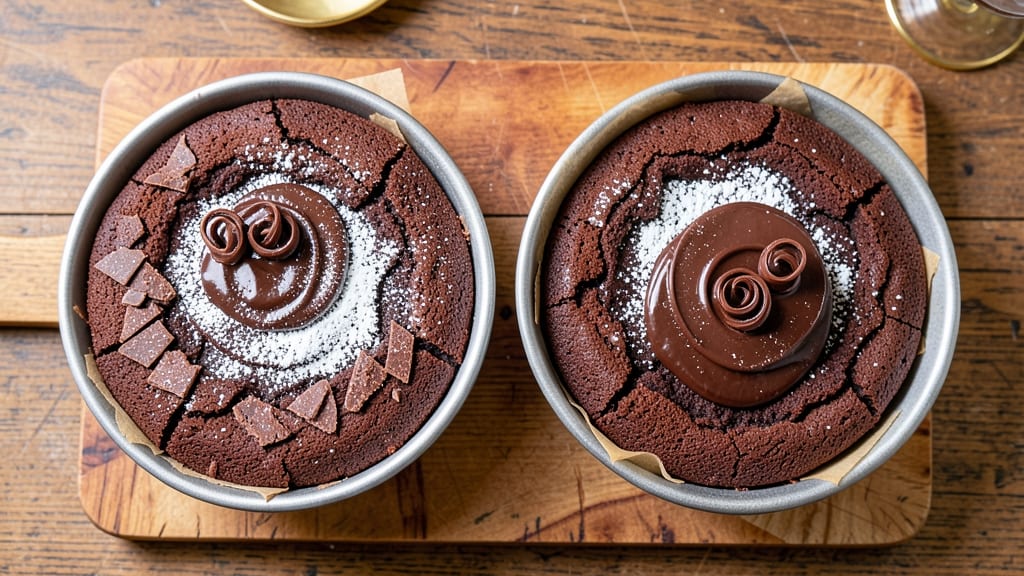
Aunt Beatty’s chocolate cake recipe has been my family’s secret weapon for decades—rich, moist layers topped with faultless homemade fondant frosting that never cracks or melts. The key lies in precise measurements and a slow-baked center that stays tender while the edges set perfectly.
I’ve baked this cake for every holiday since I was a teenager, and it’s never disappointed.
What makes this recipe special is the balance: a deep chocolate flavor from Dutch-process cocoa, buttermilk for moisture, and a touch of espresso powder to enhance the chocolate’s richness. The frosting, made with powdered sugar and egg whites, achieves that signature smooth, glossy finish without the mess of store-bought alternatives.
It’s a cake that looks impressive but requires no advanced techniques—just patience and attention to detail.
By the time you pull it from the oven, you’ll have layers of dense, fudgy chocolate cake with a crack-free frosting that stays perfect in any temperature.
The secret to the frosting’s durability is whipping the egg whites to stiff peaks before folding in the powdered sugar—a step that transforms it from delicate to restaurant-worthy. This is the kind of cake that earns compliments before the first slice is served.
Whether you’re baking for a celebration or treating yourself, this recipe delivers results that taste like a home full of love. The frosting can be piped into elegant rosettes or spread smoothly—your choice. Let’s get baking!
Ingredients for aunt beatty's chocolate cake
Rich layers and velvety frosting—all from these carefully chosen ingredients.
| Ingredient | Amount | Notes |
|---|---|---|
| All-Purpose Flour 🌾 | 2 ½ cups | Sifted for light texture |
| Unsalted Butter 🧈 | 2 cups | Room temperature, cubed |
| Granulated Sugar 🍚 | 2 ¼ cups | Light brown preferred |
| Dutch-Process Cocoa Powder 🍫 | ¾ cup | High-quality brand recommended |
| Buttermilk 🥛 | 1 ¼ cups | Room temperature |
| Large Eggs 🥚 | 4 whole | Room temperature |
| Espresso Powder ☕ | 1 tbsp | Enhances chocolate depth |
| Baking Soda 🧂 | ½ tsp | Freshly opened |
| Salt 🧂 | ½ tsp | Fine sea salt |
| Vanilla Extract 🌿 | 2 tsp | Pure Madagascar preferred |
| Powdered Sugar 🍚 | 4 cups | Confectioners' sugar, sifted |
| Large Egg Whites 🥚 | 5 whole | Room temperature, separated |
| Cornstarch 🌾 | 1 tbsp | For frosting stability |
The cocoa powder is where the magic starts. Dutch-process like Droste or Valrhona gives that signature deep, smooth flavor without bitterness. I always grab the 24-ounce bag from Williams Sonoma—it lasts forever and makes every batch taste like Aunt Beatty’s. For the butter, Plugrá or Land O’Lakes work perfectly, but avoid salted—you’re controlling the salt here. The buttermilk should be room temperature when mixed in; cold buttermilk can make the cake dense. If you’re short on time, substitute 1 cup milk plus 1 tbsp vinegar and let it sit for 5 minutes.
No espresso powder? Instant coffee granules at half the amount work in a pinch, but the flavor won’t be quite the same. The vanilla extract is non-negotiable—pure Madagascar has that warm, complex aroma that store-brand can’t match. For the frosting, the egg whites are critical. Use a stand mixer and whip them to stiff peaks—no wobbles left. If your whites won’t hold, add a pinch more salt to stabilize them. The cornstarch is a secret weapon; it keeps the frosting glossy and crack-free even in warm rooms. For the powdered sugar, Domino or Culinary Art brands are my go-tos—they’re fine enough to sift easily and dissolve smoothly.
Store the cake layers in an airtight container between parchment paper for up to 3 days at room temperature. The frosting can be made a day ahead and refrigerated—just rewhip the egg whites briefly before folding in the sugar. For serving, bring the cake to room temperature first; cold frosting gets grainy. If you’re making this for a party, assemble the cake 4 hours ahead—the flavors meld beautifully overnight. The frosting keeps for 5 days in the fridge, covered tightly. Freeze portions if you’re not using it all; thaw at room temperature before rewhipping.
Why You'll Love This Recipe
- No-Mix Madness: I swear, this cake comes together with just three bowls and a whisk—no stand mixer, no fancy gadgets. The butter gets creamed with sugar until it’s light and fluffy, then you fold in the flour and cocoa like you’re making a promise to your taste buds. Honestly, the hardest part is waiting for it to bake.
- Rich Without Bitterness: That Dutch-process cocoa? It’s the secret weapon—deep, velvety chocolate flavor without the harsh aftertaste. The buttermilk keeps it moist but not soggy, and the sugar caramelizes just enough to give every slice a little chewy edge. (Yes, even on a Tuesday night.)
- Birthday to Brunch: This cake is the MVP of celebrations—whether it’s a 90th birthday or your 3 AM sugar craving. I’ve served it with whipped cream, ice cream, or even a drizzle of salted caramel. Between us, it’s also the only cake my picky teenager won’t roll his eyes at.
- Budget-Friendly Luxury: You’re using pantry staples here: butter, sugar, flour. No specialty ingredients, no markup. A single batch feeds six, and leftovers? They last in the fridge for days—just reheat a slice in the microwave for 10 seconds. That’s frugality with a side of indulgence.
Step-by-step instructions for Aunt Beatty's chocolate cake
Here's how to create a rich, moist chocolate cake with flawless homemade fondant frosting.
Prepare the Cake Batter
Preheat your oven to 350°F and grease two 9-inch round cake pans, lining the bottoms with parchment paper. In a large mixing bowl, combine the 2.5 cups all-purpose flour, 0.5 tsp baking soda, 0.5 tsp salt, and 1 tbsp espresso powder. Whisk these dry ingredients together until evenly distributed—this ensures a smooth batter without lumps.
In a separate, large bowl, beat the 2 cups unsalted butter and 2.25 cups granulated sugar on medium speed until light and fluffy, about 3-4 minutes. The mixture should nearly double in volume and become pale. Add the 4 whole large eggs, one at a time, beating well after each addition. Scrape down the sides of the bowl to ensure everything is fully incorporated.
Gradually add the 1.25 cups buttermilk and 2 tsp vanilla extract to the butter mixture, mixing on low speed until just combined. With the mixer running on low, add about one-third of the flour mixture and mix until just incorporated. This step prevents overmixing, which can make the cake dense. Repeat with the remaining flour mixture, mixing just until no dry streaks remain.
Bake the Cake Layers
Divide the batter evenly between the prepared cake pans. Tap each pan gently on the counter to release any air bubbles and ensure the batter settles evenly. Bake for 30-35 minutes, or until a toothpick inserted into the center comes out clean with just a few moist crumbs clinging to it. Rotate the pans halfway through baking for even browning.
The cake should be golden brown at the edges but still moist in the center. Let the cakes cool in the pans for 10 minutes, then transfer them to a wire rack to cool completely. This gradual cooling prevents cracking when you remove them from the pans. Once fully cooled, wrap each layer tightly in plastic wrap and refrigerate for at least 1 hour—this step is crucial for preventing cracks in the frosting later.
Make the Fondant Frosting
In a medium saucepan, combine 4 cups powdered sugar, 1 tbsp cornstarch, and 1 cup water. Cook over medium heat, stirring constantly with a wooden spoon, until the mixture reaches 235°F on a candy thermometer. This temperature ensures the frosting will set properly without being too stiff or too soft. Remove from heat and let it cool slightly for 5 minutes, stirring occasionally to prevent lumps.
While the sugar mixture cools, beat the 5 whole large egg whites in a clean, grease-free bowl with an electric mixer until soft peaks form. Gradually pour the cooled sugar mixture into the egg whites in a thin, steady stream while mixing on low speed. Increase the speed to medium and beat for 5-7 minutes until the frosting is smooth, glossy, and holds stiff peaks when the beaters are lifted. The frosting should be thick enough to hold its shape but still spreadable.
Assemble and Frost the Cake
Place one cake layer on a cake stand or plate. Spread a thin layer of frosting over the top to seal in moisture, then add the second layer. Using an offset spatula, spread a thin layer of frosting over the entire cake to create a smooth base. Chill the cake in the refrigerator for 20 minutes to firm up the frosting slightly—this makes it easier to work with and prevents melting.
Return the frosting to the mixer and beat briefly to soften it slightly if needed. Spread a thin layer of frosting over the entire cake, then use a bench scraper to create a smooth, even surface. Repeat this process, adding a thin layer of frosting and smoothing it out, until the cake is fully covered. For a polished look, use a small offset spatula to smooth the sides and create clean edges. Refrigerate the cake for 1 hour before slicing to allow the frosting to set completely.
Pro Tips For Making Aunt Beatty'S Chocolate Cake
- Melt Butter Slowly: I learned this the hard way—dumping cold butter straight into the hot mixture makes the batter seize up like a stubborn mule. Warm the butter to just under 100°F (38°C) first, then whisk it into the sugar until it’s fully emulsified. The cake’s texture will thank you with a smoother, richer crumb.
- Sift the Cocoa Twice: Dutch-process cocoa is finicky—lumps in the batter mean grainy cake. Sift it before measuring and again when mixing with the dry ingredients. Yes, it’s extra work, but the payoff is a velvety finish, not a sandy bite. (And skip the pre-sifted stuff—it’s not worth the shortcut.)
- Don’t Overmix the Batter: I was skeptical until I tried it: mix the wet and dry ingredients just until combined, maybe 15-20 strokes. Overmixing introduces too much air, which can lead to a cake that’s dense or cracks as it bakes. Fold in the buttermilk gently—it’s heavy enough to weigh down any excess bubbles.
- Bake Until Springy: The cake’s done when a toothpick comes out with moist crumbs, not wet batter. If the edges are pulling away but the center’s still jiggly, tent with foil and let it finish baking—underbaking is the real enemy here. And for heaven’s sake, don’t open the oven door early. The temperature drop will ruin your progress.
Flavor customization for this aunt beatty's chocolate cake
Spiced Chocolate Twist
Add ½ tsp cinnamon and ¼ tsp ground nutmeg to the dry ingredients for warm, aromatic depth. These spices complement the chocolate beautifully and pair wonderfully with a dusting of powdered sugar on top. For extra warmth, I sometimes add ¼ tsp cardamom—it’s subtle but adds complexity. 🌶️
Mocha Infusion
Boost the chocolate intensity by adding 1 tbsp instant coffee granules directly to the dry ingredients (in addition to the espresso powder). This creates a mocha flavor that’s perfect for coffee lovers.
For a stronger effect, steep 2 tbsp strong brewed coffee and cool it before mixing it into the batter. The cake will have a rich, bittersweet depth.
Orange Zest Brightness
Brighten the chocolate flavor with 1 tbsp orange zest mixed into the wet ingredients. The citrus notes cut through the richness and add a refreshing contrast.
I like to pair this with a glaze of powdered sugar + orange juice on top for extra zing. Use only the zest—no pith—to avoid bitterness.
Espresso-Free Version
Skip the espresso powder entirely and replace it with 1 tsp vanilla bean paste for a sweeter, more aromatic profile. This works especially well if you’re serving the cake to guests who dislike coffee flavors.
The vanilla enhances the chocolate’s natural sweetness without overpowering it. For extra richness, add 2 tbsp sour cream to the batter.
Frosting Variations
For a cream cheese frosting, mix 8 oz cream cheese, ½ cup butter, and 3 cups powdered sugar until smooth. This adds tangy contrast to the chocolate.
For a peanut butter twist, fold ½ cup creamy peanut butter into the fondant frosting before assembling. Both variations keep the cake’s signature moisture while adding new dimensions. 🍫
Layered Fillings
Add a raspberry jam center by spreading ½ cup seedless raspberry jam between layers. Warm the jam slightly to make it spreadable, then chill the cake before frosting to prevent melting. For a chocolate ganache, melt ½ cup dark chocolate chips with ¼ cup heavy cream**, then cool slightly before layering. Both options create stunning visual contrast while keeping the cake decadent.
Nutrition facts
Frequently asked questions
Why does this recipe use espresso powder instead of regular coffee?
Espresso powder intensifies the chocolate flavor without adding moisture that could make the cake dense. It enhances the cocoa's richness while keeping the texture perfect. The 1 tablespoon used here is subtle—just enough to deepen the chocolate notes without tasting like coffee.
Can I make this cake in a single 9-inch pan instead of two layers?
Yes, but the texture will be denser and taller. Reduce baking time to 25-30 minutes and check for doneness early. For a single-layer cake, use a 10-inch pan and reduce the batter by 25% to maintain proper thickness.
How do I fix cracked frosting?
Chill the cake for 1 hour before slicing—this prevents cracks from spreading. If cracks appear, gently warm the frosting with a hairdryer on low heat, then re-smooth with a spatula. For severe cracks, make a fresh batch of frosting and re-cover the cake.
What's the best way to store leftovers?
Wrap each slice tightly in plastic wrap and store at room temperature for 2 days. For longer storage, refrigerate for up to 5 days or freeze for 2 months. Thaw overnight in the fridge before serving—never at room temperature.
Can I substitute buttermilk with something else?
Yes! Mix 1 cup milk with 1 tablespoon vinegar or lemon juice and let sit for 5 minutes to curdle. For a richer texture, use 1 cup plain yogurt instead. Both work well but may slightly alter the cake's moisture level.