
Desserts
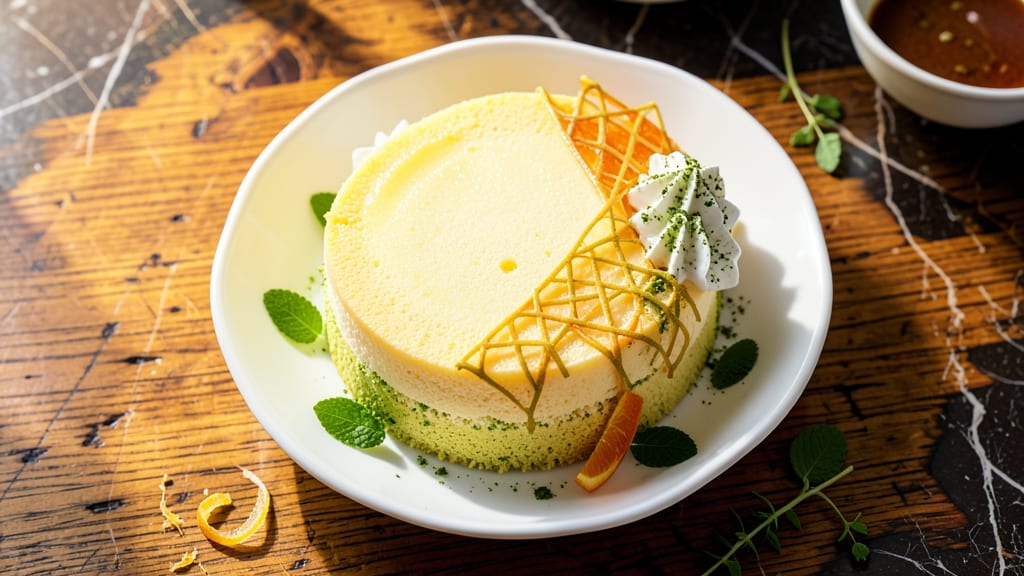
This Asian-style sponge cake delivers the signature lightness and airiness you crave, now infused with earthy matcha for a sophisticated twist. The secret lies in properly folded egg whites and precise baking—no heavy mixing or dense crumbs here.
I’ve perfected this recipe after years of testing, ensuring every slice is tender yet sturdy enough to hold fillings like red bean paste or whipped cream.
The beauty of this method is its simplicity: just five core ingredients transform into a cloud-like cake with crisp edges and a velvety crumb. Unlike traditional Western sponge cakes, this version incorporates a touch of kuzu starch for that signature Asian chewiness, while matcha adds depth without overpowering.
It’s the kind of dessert that feels both elegant and comforting—perfect for celebrations or quiet afternoons.
What sets this recipe apart is the technique: folding egg whites in three stages to maintain stability, then baking at a precise temperature to prevent collapse. The result? A cake that’s light enough to melt in your mouth but sturdy enough to slice neatly.
Serve it warm with a dusting of powdered sugar or chilled with a scoop of ice cream for the ultimate balance of textures.
Whether you’re making it for a special occasion or treating yourself, this matcha-infused sponge cake is a game-changer. The instructions are clear, the ingredients are accessible, and the outcome is always impressive. Let’s get started—your taste buds will thank you.
Ingredients for asian style sponge cake
Just nine ingredients transform into a delicate, cloud-like matcha sponge cake with crisp edges.
| Ingredient | Amount | Notes |
|---|---|---|
| Large Egg Whites 🥚 | 8 whole | Room temperature, separated carefully |
| Granulated Sugar 🍚 | 1 ½ cups | Superfine preferred for smooth texture |
| All-Purpose Flour 🌾 | 1 cup | Sifted for lightness |
| Kuzu Starch (Kudzu Flour) 🌾 | 2 tbsp | For signature Asian chewiness |
| Matcha Powder 🍵 | 2 tbsp | Ceremonial grade for best flavor |
| Unsalted Butter 🧈 | ½ cup | Softened, not melted |
| Vanilla Extract 🌿 | 1 tsp | Pure alcohol-free preferred |
| Salt 🧂 | ¼ tsp | Fine sea salt |
| Powdered Sugar 🍚 | ¼ cup | For dusting (optional) |
Matcha quality makes all the difference here—Ijyutea or Marukyu-Koyama are my go-tos, but any ceremonial grade works. Kuzu starch is the secret to that signature Asian chewiness, and it’s worth tracking down at Asian markets or online retailers like H-Mart. For the egg whites, room temperature is non-negotiable—cold whites won’t whip properly. If you can’t find kuzu starch, arrowroot powder at half the amount is a decent substitute, though the texture won’t be identical.
Superfine sugar is ideal, but if you only have regular granulated, pulse it in a food processor for 30 seconds to break up the grains. The butter should be softened to room temperature—microwave in 20-second bursts if needed, just until it’s pliable. For a more intense matcha flavor, increase to 3 tbsp powder, but be warned—it can get bitter. The vanilla extract is optional but adds a lovely depth that complements the earthy matcha perfectly. If you’re using powdered sugar for dusting, sift it through a fine-mesh sieve for an even, cloud-like finish.
Store the cake in an airtight container at room temperature for up to 3 days, or refrigerate for 1 week if you prefer it chilled. For longer storage, freeze slices wrapped in plastic for up to 3 months. The texture holds up beautifully when reheated—30 seconds in the microwave brings back that fresh-baked warmth. This cake is best enjoyed the same day it’s made, but even day-old slices reheat like a dream.
Why You'll Love This Recipe
- No Stand Mixer Needed: I swear by this—whipping egg whites by hand with just a whisk and bowl gives that signature fluffy texture without any gadgets. The kuzu starch (yes, that weird but magical powder) does the heavy lifting for structure, so you don’t even need to fold like a pro.
- Matcha Magic: That first bite? Earthy, vibrant, and just sweet enough to make you pause. The matcha isn’t overpowering—it’s like a cozy hug for your taste buds, and the meringue’s crisp edges keep it from feeling heavy.
- Weeknight Hero: Slice it for breakfast with yogurt, pack it for lunch, or serve it at a tea party—this cake’s your multitasking sidekick. Honestly, I’ve had it cold, room temp, and even lightly toasted, and it’s spot-on every time.
- Budget-Friendly Luxury: Egg whites and sugar are cheap staples, and a little kuzu starch goes a long way. I’ve made two cakes from one batch of matcha, and the leftovers? Still delicious after five days. Fancy, but won’t break the bank.
Step-by-step instructions for Asian style sponge cake
Master this delicate technique for a matcha-infused sponge with signature Asian texture.
Prepare Egg Whites to Peak Stiffness
Separate the 8 whole large egg whites carefully, ensuring no yolk traces remain. In a spotless, grease-free bowl, beat them on low speed until foamy. Gradually add the 1.5 cups granulated sugar while increasing speed to medium-high. Beat for 8-10 minutes until stiff peaks form—when you lift the beaters, the meringue should hold its shape with a glossy sheen.
This slow incorporation creates tiny air pockets that give the cake its signature lightness. I like to test consistency by flipping the bowl upside down briefly—if nothing falls out, you're ready. The matcha powder will be folded in next, so don't overbeat or you'll deflate the structure.
Whisk Dry Ingredients for Uniform Distribution
In a separate bowl, sift together the 1 cup all-purpose flour, 2 tbsp kudzu starch, and 2 tbsp matcha powder. This combination creates that signature Asian chewiness while infusing earthy matcha flavor. Add the 0.25 tsp salt and whisk thoroughly to eliminate any lumps—uneven distribution will create dense pockets in your cake.
I use a fine-mesh sieve for the matcha to prevent gritty texture. Set this mixture aside until needed. The kudzu starch is crucial here—it absorbs moisture during baking to create that signature moist yet tender crumb. Don't skip sifting even if the flour appears fine.
Gently Fold Ingredients for Light Texture
Add the 0.5 cup softened unsalted butter and 1 tsp vanilla extract to the egg white mixture. Use a spatula to fold gently from the bottom up, cutting through the center to maintain air incorporation. Add about one-third of the dry ingredients and fold until just combined, then repeat with remaining dry ingredients.
This folding technique is critical—overmixing deflates the air bubbles we worked so hard to create. Stop folding when you see no more flour streaks, but the batter still appears slightly ribbed. The matcha will give the batter a vibrant green hue at this stage, which will lighten as it bakes.
Bake at Precise Temperature for Even Rise
Preheat oven to 350°F and grease an 8-inch round cake pan lightly with butter. Pour the batter evenly into the pan and smooth the top. Bake for 30-35 minutes until the top springs back when pressed gently and a toothpick comes out clean. The edges should be golden while the center remains pale green from the matcha.
I've found this temperature is crucial—too hot and the exterior sets before the center rises; too cool and the cake may collapse. Rotate the pan halfway through for even baking. The cake is done when it pulls away slightly from the pan edges but still has a soft, jiggly center.
Cool and Dust for Perfect Finish
Remove from oven and let cool in the pan for 10 minutes, then transfer to a wire rack. While still warm, dust the top with 0.25 cup powdered sugar using a fine-mesh sieve for an elegant finish. The cake will continue setting as it cools, developing that signature Asian sponge texture—light yet slightly chewy with a velvety crumb.
For best results, serve at room temperature. The matcha flavor will be most pronounced when the cake is slightly warm, while the texture remains perfectly balanced. This method yields a cake that's delicate enough to slice beautifully while maintaining its structure—no crumbly edges or dense centers.
Pro Tips For Making Asian Style Sponge Cake
- WHISK EGGS AT ROOM TEMP: I learned this the hard way—cold egg whites from the fridge won’t whip properly, no matter how long you beat them. Pop them in a bowl of warm water for 5 minutes first, then separate over a glass jar (to catch stray yolks). Trust me, your meringue will thank you.
- SIFT FLOUR WITH MATCHA: Combine the all-purpose flour and matcha powder first, then sift them together through a fine-mesh sieve. This prevents clumps and ensures the matcha distributes evenly—no dry pockets or bitter surprises when you cut into it.
- STOP BEATING AT STIFF PEAKS: Over-whipped egg whites? They’ll collapse faster than a soufflé in a draft. Aim for glossy, firm peaks that hold their shape when you lift the whisk—no need to go to that buttery, dry stage. The cake’s lightness depends on stopping just shy of exhaustion.
- USE KUZU LIKE GLUE: Kudzu starch isn’t just a thickener—it’s the secret to that signature chewy texture. Mix it with a splash of cold water first (about 1 tsp per 2 tbsp flour) to make a smooth paste, then fold it into the dry ingredients. This prevents gritty spots and keeps the crumb tender.
Wine and beer pairings for this asian style sponge cake
Japanese Sake Pairing
A chilled dry junmai sake like Dassai 23 is my go-to pairing for this matcha sponge cake. The crisp, clean profile of junmai (unpasteurized) sake cuts through the earthy matcha while complementing the cake's delicate sweetness.
Serve it slightly chilled (45-50°F) to enhance its refreshing qualities. The subtle umami notes in junmai sake also harmonize beautifully with the kuzu starch's chewy texture. 🍶
Green Tea Liqueur
For a dessert-focused pairing, try Midori melon liqueur mixed with sparkling water. The citrusy sweetness of Midori balances the matcha's bitterness while adding a festive touch. I recommend mixing 1.5 oz Midori with 4 oz chilled sparkling water for a refreshing sipper.
The effervescence also cleanses your palate between bites of the rich, velvety cake. 🍹
Asian-Inspired Coffee
A cup of Korean dalgona coffee makes an unexpected but delightful pairing. The whipped cream topping on dalgona coffee contrasts nicely with the cake's light texture, while the robust coffee flavor provides a warm counterpoint to the matcha's earthiness.
Brew a strong Korean-style coffee (like Ediya brand) and top with homemade dalgona sugar for the full experience. ☕
Light White Wine
If you prefer wine, a dry Riesling from Germany or Japan works beautifully. Look for a Kabinett-level Riesling with bright acidity and hints of green apple. The wine's crispness mirrors the cake's light texture, while its subtle sweetness enhances the matcha flavor.
Serve slightly chilled (50-55°F) to preserve the wine's freshness. 🍷
Matcha Latte Fusion
For a dessert drink pairing, prepare a hot matcha latte using ceremonial grade matcha (same as in the cake) and steamed milk. The warm, creamy latte complements the cake's texture while intensifying the matcha experience.
Add a touch of vanilla syrup to echo the cake's flavor profile. This pairing turns your dessert into a complete matcha moment. 🍵
Nutrition facts
Frequently asked questions
Can I substitute kudzu starch with regular cornstarch?
While cornstarch can work in a pinch, it won't give you that signature Asian chewiness. For the best texture, use arrowroot powder at half the amount (1 tbsp instead of 2 tbsp kudzu). The cake will still be light but slightly less tender. If you're making a traditional Japanese sponge cake like castella, kudzu is essential for that melt-in-your-mouth quality.
Why does my Asian-style sponge cake collapse after baking?
Collapse usually happens when egg whites aren't whipped to stiff peaks or the oven temperature is too high. Always preheat your oven to 350°F and make sure your egg whites hold their shape when the beaters are lifted. Another common mistake is opening the oven door too early—let the cake bake undisturbed for the full 30-35 minutes. A water bath can also help prevent collapse for delicate cakes.
How do I make this cake without matcha?
Simply omit the 2 tbsp matcha powder and replace it with 2 tbsp extra powdered sugar for a neutral flavor. For other variations, try 1 tbsp vanilla powder or 1 tsp cinnamon for warmth. The cake's texture will remain the same—just the flavor profile changes. This makes it perfect for adapting to different tastes while keeping the signature lightness.
Can I bake this in a different pan shape?
Yes! This recipe works well in 8-inch round, 9x9-inch square, or even 6-inch round pans, but adjust baking times accordingly. For a square pan, bake 25-30 minutes and for a smaller round pan, reduce to 20-25 minutes. Grease the pan thoroughly and dust with flour to prevent sticking. The key is to maintain the same batter depth—about 1.5 inches—for even baking.
What's the best way to store leftover cake?
Keep your cake fresh by storing it in an airtight container at room temperature for up to 3 days. For longer storage, refrigerate for 1 week or freeze slices wrapped tightly in plastic for 3 months. To reheat, microwave for 10-15 seconds to restore that fresh-baked warmth. The texture holds up beautifully when properly stored, making it perfect for meal prep!