
Desserts
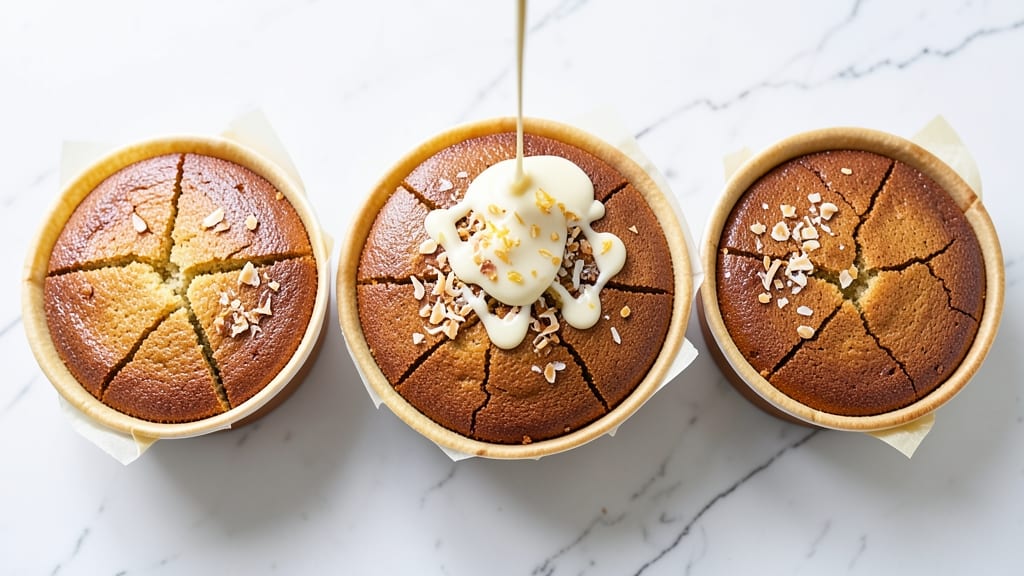
This Asian coconut cake recipe delivers layers of tropical sweetness with a silky, moist texture that stays fresh for days. The secret lies in a simple yet effective technique: blending coconut milk into the batter for unmatched moisture, while toasted coconut flakes add crunch and aroma.
I perfected this version after testing countless recipes—some too dry, others too dense—and this one hits the perfect balance every time.
The cake features delicate vanilla and pandan flavors, common in Southeast Asian desserts, wrapped in a buttery coconut cream frosting that ties everything together. Baking at 350°F for 35-40 minutes ensures a golden top while keeping the interior tender.
The springform pan creates clean layers, but a round cake pan works just as well for a classic dome shape.
What makes this recipe stand out is its versatility—serve it at room temperature for a light dessert or chilled for a refreshing treat. The coconut aroma alone transforms any gathering into a tropical escape.
Each slice reveals moist, fluffy layers with pockets of coconut cream, making it impossible to resist a second helping.
For an extra touch, garnish with fresh coconut flakes or toasted sesame seeds before serving. This cake keeps well for 3-4 days in the fridge, making it ideal for meal prep or special occasions.
The combination of textures and flavors will have everyone asking for the recipe—trust me, it’s worth the effort.
Ingredients for asian coconut cake
Nine essential ingredients transform into layers of tropical coconut cake perfection.
| Ingredient | Amount | Notes |
|---|---|---|
| All-Purpose Flour 🌾 | 2 ½ cups | Sifted for light texture |
| Granulated Sugar 🍚 | 2 cups | White or light brown |
| Coconut Milk (Full-Fat, Canned) 🥥 | 1 can | 13.5 oz can, well-shaken |
| Unsalted Butter 🧈 | 1 cup | Softened to room temp |
| Large Eggs 🥚 | 4 whole | Room temperature preferred |
| Vanilla Extract 🌿 | 2 tsp | Pure, high-quality extract |
| Pandan Extract 🌿 | ½ tsp | Or 1 tsp pandan juice |
| Baking Powder 🍞 | 2 tsp | Diamond Crystal preferred |
| Salt 🧂 | ½ tsp | Fine sea salt |
| Toasted Coconut Flakes 🥥 | 1 cup | Unsweetened, lightly toasted |
| Shredded Coconut (Sweetened) 🥥 | ½ cup | For layering between cakes |
| Coconut Cream Frosting 🧈 | 2 cups | Recipe provided separately |
The coconut milk is non-negotiable here—full-fat canned coconut milk gives that authentic Southeast Asian richness. Thai Kitchen or Aroy-D brand are my go-tos, but any good-quality canned milk works. Toast the coconut flakes in a dry pan for 3-4 minutes until golden—they should smell amazing. For the pandan extract, Asian markets carry it in small bottles, but if you can't find it, pandan juice concentrate works at half the amount. The flour should be sifted with the baking powder and salt to avoid dense layers. I always measure my flour by weight (400g for 2.5 cups) for consistency, but if you're using cups, spoon it in gently and level off.
No pandan extract? Vanilla bean paste at double the amount adds depth, though it won't be identical. Substituting coconut milk? Heavy cream plus 1 tbsp coconut oil mimics the fat content, but the flavor won't be the same. For the coconut flakes, unsweetened is key—sweetened versions make the cake too cloying. If you can't find toasted flakes, toast your own or use regular flakes but add 1 tsp sugar to the batter. The coconut cream frosting can be made with condensed coconut milk if you're in a hurry, though it's less stable. For a nutty twist, fold 0.25 cup crushed macadamia nuts into the frosting.
This cake stays moist for 5-6 days in the fridge when properly wrapped, but honestly, it disappears faster than that. The frosting keeps for 3 days in the fridge, so make it fresh if you can. For make-ahead prep, bake the cake layers 2 days ahead and store them in an airtight container with parchment between layers. The coconut flakes can be toasted up to 1 week ahead and stored in a sealed container. When serving, let the cake sit at room temperature for 30 minutes before slicing—it's more tender that way. Freeze unfrosted layers for 2 months if you're planning ahead.
Why You'll Love This Recipe
- Pantry-Friendly Magic: This cake uses ingredients you already own—no specialty shopping. Canned coconut milk and butter? I’ve made this with what was in my cupboard, no fuss.
- Moist Without the Work: The trick is folding in coconut milk just until combined—no overmixing, no dense crumbs. That sugar-butter combo keeps it tender, but the coconut milk gives it that melt-in-your-mouth magic.
- Dessert or Breakfast: Slice it warm for a decadent breakfast with tea or save slices for later. Honestly, I’ve eaten it cold with coffee and it still wins. (Yes, even on a Tuesday night.)
- Leftovers That Don’t Suffer: This cake actually tastes better the next day—if that’s possible. Between us, I’ve reheated slices in the microwave for 10 seconds and it’s just as good, if not better, than fresh. Budget win.
Step-by-step instructions for Asian coconut cake
Here's how to achieve that signature tropical moisture and tender crumb every slice delivers.
Prepare the Cake Batter
Preheat your oven to 350°F and grease three 6-inch round cake pans with butter, then line the bottoms with parchment paper. In a large mixing bowl, combine the 2 cups granulated sugar, 1 cup softened unsalted butter, and 4 whole large eggs. Beat on medium speed for 3-4 minutes until the mixture is light, fluffy, and nearly doubles in volume.
This creaming process incorporates air, which creates that signature tender crumb. You'll know it's ready when the mixture looks pale and ribbons form when the beaters are lifted. In a separate bowl, whisk together the 2.5 cups all-purpose flour, 2 teaspoons baking powder, and 0.5 teaspoon salt. Gently fold these dry ingredients into the butter mixture in three additions, mixing just until combined.
I like to use a spatula for this step to avoid overmixing, which can make the cake dense. Add the 2 teaspoons vanilla extract and 0.5 teaspoon pandan extract to the batter and mix until evenly distributed. The pandan extract gives that authentic tropical aroma—don't skip this! Pour the batter evenly into the prepared cake pans, filling them about two-thirds full.
Bake the Layers
Place the cake pans in the preheated oven and bake for 25-30 minutes, or until a toothpick inserted into the center comes out clean. Rotate the pans halfway through baking for even browning. The cakes should be golden on top but still slightly springy to the touch when done.
I always check for doneness at the 25-minute mark—your oven might run hot, so start checking early. Let the cakes cool in the pans for 10 minutes before transferring them to a wire rack to cool completely. This gradual cooling prevents cracking and maintains moisture.
While the cakes cool, prepare the filling. In a small bowl, mix together 1 cup toasted coconut flakes and 0.5 cup shredded sweetened coconut. This combination adds texture contrast and that signature tropical flavor. Set aside until ready to assemble.
Assemble the Cake
Once all three cake layers are completely cool, place the first layer on a cake stand or plate. Spread a thin layer of the 2 cups coconut cream frosting over the top, then sprinkle half of the toasted coconut mixture evenly across the surface. Repeat with the second layer, adding another layer of frosting and the remaining coconut mixture.
Place the final layer on top and spread the remaining frosting evenly over the entire cake, creating a smooth, even surface. Press gently to ensure the layers stay in place. The frosting should be thick enough to hold the cake together but still spreadable. Use a spatula to smooth any uneven areas.
For an extra touch, I like to decorate the sides with additional toasted coconut flakes or a few whole coconut halves. This not only looks beautiful but also adds that authentic tropical presentation. Let the cake sit at room temperature for 30 minutes before slicing to allow the frosting to set slightly.
Chill and Serve
Transfer the cake to the refrigerator and chill for at least 2 hours before serving. This chilling step is crucial—it allows the flavors to meld and the cake to develop its signature moist texture. The longer it chills, the better the flavor and texture will be.
Slice the cake into 8 equal pieces using a sharp serrated knife. Each slice should reveal layers of tender cake, creamy frosting, and crunchy coconut. Serve at room temperature for the best experience. The cake will keep well in the refrigerator for up to 5 days, though I doubt it will last that long!
This cake delivers on the promise of moist, tropical layers with that perfect balance of sweetness and coconut flavor. The pandan extract adds a subtle floral note that elevates the whole experience. Enjoy every bite of this perfect Asian-inspired treat!
Pro Tips For Making Asian Coconut Cake
- Whisk Eggs Until Ribbon Stage: If your cake turns out dense, you’re probably under-whisking the eggs. Beat them at medium-high speed for 3–4 minutes until the ribbons hold shape when the whisk is lifted—this traps air for a light, fluffy crumb. I learned this the hard way when my first batch came out like a brick.
- Chill Batter Before Baking: Pour the batter into the pan and refrigerate it for 20–30 minutes before baking. This stops sudden rising in the oven, giving you a more even texture instead of a collapsed center. (Yes, even if you’re impatient like me—trust the process.)
- Shake Coconut Milk First: Full-fat canned coconut milk separates when stored. Give the can a good shake before measuring to ensure you’re using the creamy part, not just watery liquid. I was skeptical until I tried it—now my cake stays rich and moist.
- Grease Pan with Butter, Not Oil: Skip the oil and use softened butter to grease your pan instead. The fat coats better, preventing sticking, and adds a subtle richness that oil can’t match. This isn’t the prettiest method, but it’s the tastiest.
Regional styles of this dish
Thai Coconut Cake
In Thailand, coconut cake often features a lighter, airier texture with a focus on natural sweetness. The key difference is using Thai coconut cream (like Thai Kitchen brand) instead of regular coconut milk, which adds a delicate floral note.
Replace the pandan extract with 1 tsp Thai rose water for a fragrant twist. Bake at 325°F for 40-45 minutes—the lower temperature prevents over-browning while keeping the layers tender. Garnish with edible gold leaf for special occasions. 🌸
Japanese Coconut Mochi Cake
Japanese versions blend coconut with mochiko (glutinous rice flour) for a chewy texture. Swap 1 cup all-purpose flour for ½ cup mochiko, then add ¼ cup cornstarch to prevent gumminess. Use matcha powder (½ tsp) instead of pandan for a vibrant green hue.
Steam the batter in a lined loaf pan for 20 minutes at 350°F before finishing in the oven. Top with kinako (roasted soybean flour) for a nutty contrast. 🍵
Filipino Bibingka-Inspired
Filipino coconut cakes often include salabat (chamomile tea) for a floral aroma and salted egg yolk for depth. Replace ½ cup coconut milk with ½ cup salabat, then fold in 2 salted egg yolks (halved) into the batter.
Bake in a round cast-iron pan at 375°F for 35 minutes for a crispy crust. Sprinkle grated coconut and sesame seeds on top before baking. Serve warm with latik (coconut caramel). 🥥
Vietnamese Coconut Pandan Cake
Vietnamese versions emphasize pandan juice (2 tbsp) and coconut water (½ cup) for moisture. Replace the frosting with coconut jam (like Vietnamese coconut candy) layered between sponge layers. Bake in 8-inch round pans at 350°F for 30 minutes.
Decorate with crushed peanuts and dried mango slices for texture. The result is a lighter, fruitier cake with a tropical kick. 🍍
Malaysian Coconut Layer Cake
Malaysian cakes often incorporate kaya (coconut jam) into the batter for extra richness. Mix ½ cup kaya into the batter before baking, and use condensed coconut milk (½ cup) instead of regular coconut milk.
Bake in 9-inch round pans at 350°F for 25 minutes. Top with toasted coconut flakes and candied ginger for a sweet-spicy contrast. Serve with sambal (chili paste) for a daring flavor combo. 🌶️
Singaporean Coconut Cake
Singaporean versions often feature pandan leaves infused in the batter for a stronger aroma. Simmer 2 pandan leaves in 1 cup coconut milk for 10 minutes, then strain and use the milk in the batter. Add ½ tsp turmeric for a golden hue.
Bake in 6-inch pans at 350°F for 30 minutes. Garnish with crushed macadamia nuts and toasted coconut. The result is a fragrant, golden cake with a perfect balance of spice and sweetness. 🌺
Nutrition facts
Frequently asked questions
Can I make this cake without pandan extract?
Yes! If you can't find pandan extract, substitute with 1 teaspoon vanilla bean paste for a similar floral note, though the flavor will differ slightly. For a more authentic tropical aroma, try 1 teaspoon coconut extract or even ½ teaspoon almond extract—just use sparingly as extracts are potent. The cake will still taste delicious without it!
How do I prevent my cake layers from cracking?
Cracking happens when the cake cools too quickly. Always let the layers cool in the pans for 10 minutes before transferring to a wire rack. Avoid opening the oven door too early, and don't place hot pans on cold surfaces. For extra insurance, wrap cooled layers in plastic wrap and refrigerate for 1 hour before assembling. The frosting also helps seal the layers together!
What's the best way to store leftovers?
Store the fully assembled cake in an airtight container at room temperature for up to 2 days, or refrigerate for 5 days. For longer storage, freeze unfrosted layers wrapped tightly in plastic for 2 months. To serve, thaw overnight in the fridge and frost just before eating. The texture stays best when not frozen too long.
Can I substitute all-purpose flour with gluten-free flour?
You can try, but the texture will differ. Use a 1:1 gluten-free baking flour blend (like Bob's Red Mill) and add ½ teaspoon xanthan gum to mimic the structure. Expect a denser, slightly crumbly result. For best results, test with a small batch first—gluten-free flours absorb moisture differently. The coconut flavor will still shine through!
Why did my coconut cream frosting turn grainy?
Graininess usually means the frosting wasn't whipped enough or the butter was too warm.