
Desserts
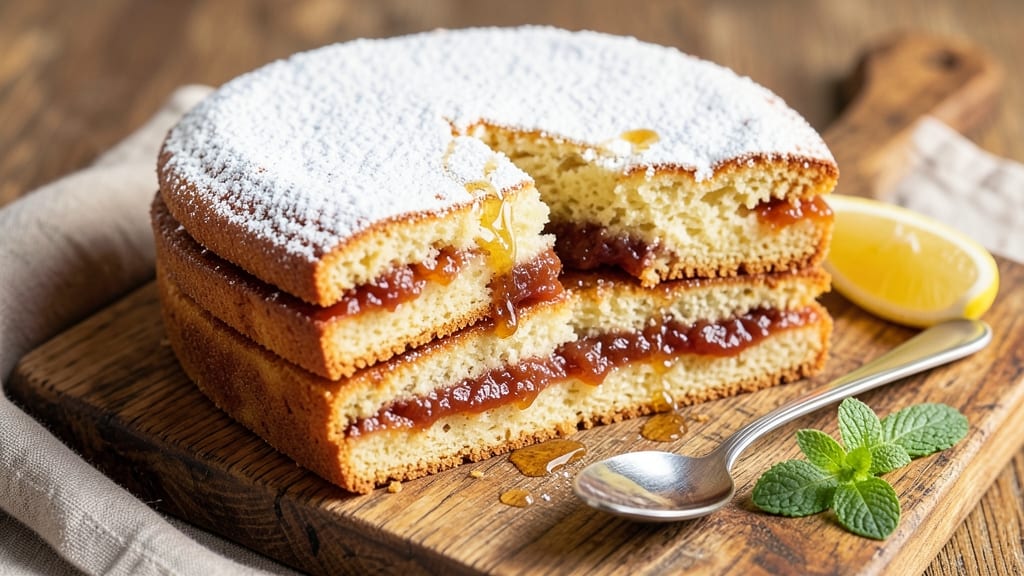
This Armenian cake recipe brings layers of walnut-studded sweetness and bright citrus zest to your kitchen, a tradition that bridges generations. 🌟 The secret lies in its delicate, flaky layers and the perfect balance of ground walnuts and lemon zest—both staples in Armenian baking that create a texture unlike any other dessert.
What sets this cake apart is its foolproof technique for achieving tender layers without cracking, combined with a simple syrup infusion that keeps it moist for days. The walnuts add nutty richness while the citrus zest lifts every bite, making it ideal for celebrations or quiet afternoons.
By the time you pull it from the oven, you'll have a golden, fragrant cake with crisp edges and a melt-in-your-mouth center, studded with toasted walnuts that add both texture and depth.
The aroma alone will transport you to an Armenian kitchen, where this dessert is a symbol of warmth and tradition.
Perfect for holidays, gifts, or simply treating yourself, this recipe delivers restaurant-quality results with minimal fuss. Let's get baking!
Ingredients for armenian cake
Eight essential ingredients create layers of walnut-studded sweetness with bright citrus notes.
| Ingredient | Amount | Notes |
|---|---|---|
| All-Purpose Flour 🌾 | 3 cups | Sifted for light texture |
| Granulated Sugar 🍚 | 2 cups | White or light brown |
| Unsalted Butter 🧈 | 1 ½ cups | Room temperature, cubed |
| Large Eggs 🥚 | 4 whole | Room temperature |
| Vanilla Extract 🌿 | 2 tsp | Pure, not imitation |
| Baking Powder 🧂 | 2 tsp | Aluminum-free preferred |
| Salt 🧂 | ½ tsp | Fine sea salt |
| Lemon Zest 🍋 | 2 tbsp | From 2 large lemons |
| Lemon Juice 🍋 | 3 tbsp | Freshly squeezed |
| English Walnuts 🥜 | 1 ½ cups | Chopped, toasted lightly |
| Simple Syrup 🍯 | ½ cup | Equal parts sugar/water |
| Powdered Sugar 🍚 | 1 cup | For dusting |
The walnuts are non-negotiable here—English walnuts have that perfect balance of crunch and nuttiness. Toast them lightly in a dry pan for 3-4 minutes until fragrant, then chop them coarsely. Trader Joe's and bulk bins at natural markets usually have the best quality. For the lemon zest, grab two large lemons—organic if possible—and use a fine grater. The zest should be vibrant yellow, not bitter. If you can't find English walnuts, pecans work in a pinch, but they'll change the texture slightly.
No vanilla extract? Vanilla bean paste or even a scraped vanilla bean will add depth. The simple syrup can be made ahead—just boil equal parts sugar and water for 5 minutes, then cool. For a shortcut, store-bought lemon curd spread between layers adds extra zing. The butter needs to be room temperature—microwave 40 seconds to just melt it if it's too cold. And if you're worried about cracking, don't overmix the batter. Just fold the dry ingredients into the wet until combined.
This cake keeps beautifully—3-4 days at room temperature wrapped in plastic, or 1 week in the fridge. For extra moisture, brush the top with simple syrup every other day. The walnuts can be toasted fresh the day you bake, or toast a big batch ahead and store in an airtight container for up to 2 weeks. Slice it thick—1.5 inches—for the best texture. Leftovers? Toss them in a container with a dusting of powdered sugar for easy grab-and-go slices.
Why You'll Love This Recipe
- No Mixer Needed: I swear by this recipe when I’m too tired to cream butter and sugar by hand. Just rub the cold butter into the flour until it looks like coarse sand—no electric whirring, no sticky mess, just a few minutes of elbow grease that pays off in a tender crumb.
- Vanilla Butter Bliss: That single teaspoon of vanilla extract? It’s the star. The cake has this subtle, warm sweetness that lingers without being cloying, and the butter—oh, the butter—makes every bite rich and satisfying. Honestly, I’ve made it without vanilla before, and I immediately regretted it.
- Party or Snack: Between us, this cake is my go-to for birthdays, potlucks, or just a 3 p.m. sugar craving. Slice it thick for a decadent dessert or cut it into squares for a lunchbox treat. It even freezes beautifully, so I bake a double batch when I know I’ll be busy.
- Budget-Friendly Staples: Flour, sugar, butter, eggs—these are ingredients I already have in my pantry. No fancy add-ins, no last-minute grocery runs. And because it keeps well for days (if it lasts that long), I’m always covered without breaking the bank. Plus, the leftovers? Still delicious reheated with a sprinkle of powdered sugar.
Step-by-step instructions for Armenian cake
Here's how to create layers of tender cake studded with walnuts and brightened by citrus notes.
👨🍳 Step 1: Prepare the Simple Syrup and Toast Walnuts
In a small saucepan, combine ½ cup water and ½ cup granulated sugar from the ingredients list. Bring to a gentle boil over medium heat, then reduce to a simmer for 3-4 minutes until the sugar dissolves completely. Let this cool completely before using—it should thicken slightly as it sits.
While the syrup cools, toast the 1.5 cups English walnuts in a dry skillet over medium-low heat for 5-6 minutes, stirring constantly until fragrant and golden. Watch them closely—they go from raw to toasted in seconds. Let them cool completely before chopping coarsely with a knife. This toasting enhances their nutty flavor and prevents them from becoming soggy in the cake.
🍳 Step 2: Cream Butter and Sugars
In a stand mixer fitted with the paddle attachment, beat the 1.5 cups unsalted butter (room temperature) and 2 cups granulated sugar on medium speed for 3-4 minutes. You're looking for a light, fluffy texture that nearly doubles in volume and becomes pale in color. This step is crucial—it incorporates air that will create that signature tender crumb.
I like to scrape down the sides of the bowl every 30 seconds to ensure even mixing. The butter should be completely smooth with no visible lumps. If it feels too soft, chill the bowl in the freezer for 5 minutes to firm it up slightly before proceeding. This ensures proper texture when we add the eggs next.
👨🍳 Step 3: Add Eggs and Citrus Infusion
Add the 4 whole large eggs (room temperature) one at a time, mixing on low speed for 30 seconds after each addition until fully incorporated. Then add the 2 tsp vanilla extract, 2 tbsp lemon zest, and 3 tbsp lemon juice from the ingredients list, mixing just until combined.
The lemon zest and juice add that signature bright citrus flavor that balances the richness of the butter. I press the lemon zest directly into the mixture to maximize its flavor—don't just sprinkle it on top. Here's the thing—the mixture might look slightly curdled after adding the eggs, but that's normal. The flour will smooth everything out in the next step.
🍳 Step 4: Combine Dry Ingredients and Fold in Walnuts
In a separate bowl, whisk together the 3 cups all-purpose flour, 2 tsp baking powder, and ½ tsp salt until evenly distributed. With the mixer on low speed, gradually add the dry ingredients to the butter mixture, mixing just until combined—you should still see some flour streaks. This prevents overmixing which creates tough cakes.
Remove the bowl from the mixer and gently fold in the 1.5 cups toasted walnuts using a silicone spatula. Make sure they're evenly distributed throughout the batter. I like to press the walnuts into the batter slightly so they're not all concentrated on top. This ensures each bite has that perfect walnut surprise.
🥘 Step 5: Layer and Bake the Cake
Preheat your oven to 350°F and grease two 9-inch round cake pans (or line with parchment rounds). Divide the batter evenly between the pans. Pour ¼ cup simple syrup over each layer of batter before baking—this creates that signature moist texture.
Bake for 25-30 minutes or until a toothpick inserted in the center comes out clean. I check at the 20-minute mark since ovens vary—you want the top to be golden brown but not over-browned. Let the cakes cool in the pans for 10 minutes, then transfer to a wire rack to cool completely before assembling.
🍽️ Step 6: Assemble and Serve
Once completely cool, level the tops of the cakes if needed. Place one layer on a serving plate and spread 2 tablespoons simple syrup over the top. Dust generously with 1 cup powdered sugar (sifted for even coverage), then place the second layer on top. The powdered sugar gives that signature Armenian cake look and adds a delicate sweetness.
Slice into wedges and serve at room temperature. This cake keeps well for 3-4 days covered at room temperature, though I promise it won't last that long. The combination of tender crumb, toasted walnuts, and bright citrus flavor makes it irresistible. For extra presentation, you can dust with more powdered sugar between layers or decorate with fresh berries.
Pro Tips For Making Armenian Cake
- CREAM BUTTER TO ROOM TEMP: Mixing cold butter into flour creates lumps—no one wants that. Let your unsalted butter sit out for 30-45 minutes until it’s soft enough to press with your finger but still holds shape. (Yes, even if you’re impatient like me.)
- WHISK EGGS UNTIL TRIPLE VOLUME: Overbeaten eggs? No. Underbeaten? Worse. Whisk the eggs until they’re pale, thick, and triple their original volume—about 3-5 minutes with a hand mixer. This lightens the cake and prevents a dense, gummy crumb. (I learned this the hard way after a cake that tasted like a sad sponge.)
- STOP WHEN FLOUR JUST COVERS: Dumping all the flour at once makes gluten, and you don’t want that in Armenian cake. Sift it in gradually, stopping when the dough looks like wet sand—just enough to coat the butter and sugar without turning it into playdough. (Your future self will thank you.)
- BAKE UNTIL GOLDEN, NOT DONE: The cake’s edges pull away from the pan, and a toothpick comes out clean—but it’s still slightly underbaked. Let it sit 5 minutes in the pan, then transfer to a wire rack. This ensures the center stays moist without turning gummy. (I was skeptical until I tried it.)
Regional styles of this recipe
Armenian Gata
This traditional Armenian cake, known as Gata, is the most iconic version of this dessert. It's typically made with layers of tender, citrus-infused cake studded with walnuts, creating a delicate crumb that's both moist and slightly crisp.
The key difference from other regional styles is the lack of frosting—instead, it's dusted with powdered sugar between layers for a light, airy finish. 🥜
In Armenia, Gata is often served during holidays and family gatherings, symbolizing warmth and celebration. The walnuts represent abundance, while the lemon zest adds a refreshing balance to the rich batter. For authenticity, use English walnuts and toast them lightly to enhance their natural flavor without burning.
Turkish Baklava Twist
For a fusion take, incorporate elements of Turkish baklava by adding a layer of phyllo dough between the cake layers. Spread a thin layer of walnut-pistachio paste (blend toasted walnuts with pistachios) on the phyllo before assembling.
This creates a nutty, crunchy contrast that's still true to Armenian roots but with Middle Eastern flair.
Use store-bought phyllo dough for convenience, but brush each layer with melted butter before stacking. Bake at 325°F for 15 minutes after assembling to ensure the phyllo crisps without burning.
Serve with a drizzle of honey syrup (mix ½ cup honey with ¼ cup water and 1 tsp lemon juice) for extra moisture.
Lebanese Kata
The Kata is a Lebanese cousin of Armenian cake, often made with semolina instead of flour for a denser texture. Replace 1 cup of the all-purpose flour with semolina flour to mimic this style. The result is a chewier, rustic cake with a nuttier bite. 🌾
For extra authenticity, add 1 tsp ground cardamom to the batter—it pairs beautifully with the walnuts and citrus. Bake in a loaf pan instead of round pans for a more traditional shape. Serve warm with a sprinkle of toasted sesame seeds on top for a Middle Eastern touch.
Modern Layer Cake
Transform this into a showstopping layer cake by baking three 8-inch layers instead of two. Fill each layer with walnut buttercream (mix ½ cup softened butter, 1 cup powdered sugar, and ½ cup finely chopped walnuts) and top with toasted walnut crumbs for texture. 🍰
Use a Wilton 8-inch round pan for even baking. For extra flair, pipe walnut buttercream rosettes between layers and decorate the top with fresh figs or raspberries. This version is perfect for birthday celebrations or special occasions.
Spiced Walnut Version
Add warmth with cinnamon and nutmeg—stir 1 tsp ground cinnamon and ½ tsp ground nutmeg into the dry ingredients. For deeper flavor, toast the walnuts with ½ tsp cinnamon while they cook. This spiced variation is a cozy fall favorite and pairs well with chai tea.
Enhance the syrup by adding 1 cinnamon stick while boiling—simmer for 5 minutes, then strain before using. The spices complement the citrus beautifully, creating a complex, aromatic cake that feels like a hug in dessert form.
Nutrition facts
Frequently asked questions
What makes this Armenian cake different from other nut cakes?
The signature elements are the toasted walnuts and bright lemon zest infusion that create a unique balance of nutty richness and citrus freshness. Unlike many nut cakes that rely solely on frosting, this version uses a powdered sugar dusting between layers for a light, airy finish. The simple syrup infusion also keeps it moist for days without needing extra toppings.
Can I substitute walnuts for another nut?
Yes, but the texture and flavor will change slightly. Pecans work best as a substitute since they have a similar texture when toasted. For a different flavor profile, try hazelnuts (toasted and skinned) or almonds, but reduce the quantity by 20% as they're less dense. The key is toasting them first—this enhances their natural oils and prevents a soggy cake.
Why does the recipe call for room temperature butter and eggs?
Room temperature ingredients mix more evenly, creating a lighter texture. Cold butter creates lumps that don't incorporate air properly, while cold eggs can cause the batter to curdle. For butter, let it sit at room temperature for 1-2 hours or microwave for 40 seconds (just until soft). Eggs should be at 70°F—remove them from the fridge 30 minutes before baking.
How do I prevent the cake from cracking?
Cracking usually happens from overmixing or opening the oven door too early. Mix the batter just until combined (you should still see flour streaks), and avoid overbaking. Let the cake cool in the pan for 10 minutes before transferring to a rack. For extra insurance, brush the tops with simple syrup immediately after baking to help set the crust.
Can I make this cake ahead of time?
This cake actually tastes better the next day as the flavors meld. Bake it 1 day ahead and store it at room temperature in an airtight container. For 3-4 days, wrap it tightly in plastic wrap. To refresh, brush the top with simple syrup 1 hour before serving. The walnuts stay crisp and the citrus notes become more pronounced over time.