
Desserts
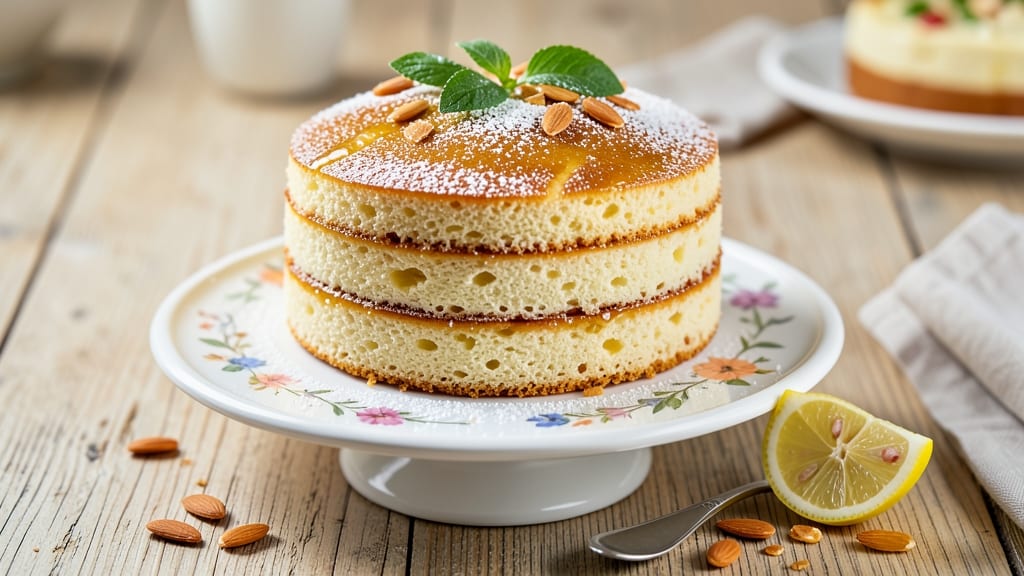
This Armenian bird milk cake recipe brings a taste of Armenia’s dairy traditions to your kitchen with its uniquely crispy top and silky citrus-infused layers. 🌟 The secret lies in the traditional method of baking milk-based custards, where flour, eggs, and butter create a delicate balance between crispness and creaminess.
What makes this dessert truly special is its cultural heritage—a dessert so beloved in Armenia that it’s often served at celebrations and family gatherings.
The recipe begins with a simple yet precise mixture of milk, flour, eggs, and butter, baked until the top develops that signature crispy texture while the inside remains tender.
The addition of citrus zest—whether lemon, orange, or even bergamot—elevates the flavor profile, adding a bright, refreshing contrast to the rich dairy base. This dessert is traditionally served chilled, making it perfect for warm gatherings or as a comforting treat after a meal.
What you’ll achieve is a dessert that’s both visually stunning and irresistibly flavorful—a crispy, golden top that gives way to a soft, creamy interior infused with citrus notes. The texture is what makes this cake unforgettable, and the process is straightforward enough for home bakers to master.
Once baked, it’s best enjoyed fresh, but leftovers keep well in the refrigerator for a few days.
Serve it as a standalone dessert or pair it with a drizzle of honey or a dusting of powdered sugar for an extra touch of elegance. This recipe is a beautiful way to bring a piece of Armenian culture into your kitchen, offering a taste of tradition with every bite.
Let’s get started!
Ingredients for armenian bird milk cake
Eight simple ingredients transform into Armenia's beloved crispy-topped citrus milk cake.
| Ingredient | Amount | Notes |
|---|---|---|
| Whole Milk 🥛 | 4 cups | Full-fat for creaminess |
| All-Purpose Flour 🌾 | 1 ½ cups | Sifted for smooth batter |
| Large Eggs 🥚 | 6 whole | Room temperature preferred |
| Unsalted Butter 🧈 | ¾ cup | Cold, cubed for crispy top |
| Granulated Sugar 🍚 | 1 cup | White or light brown |
| Lemon Zest 🍋 | 1 tbsp | Freshly grated lemon |
| Orange Zest 🍊 | 1 tbsp | Freshly grated orange |
| Baking Powder 🍞 | 1 tsp | Aluminum-free preferred |
| Salt 🧂 | ½ tsp | Fine sea salt |
| Vanilla Extract 🌸 | 1 tsp | Pure vanilla preferred |
| Powdered Sugar 🍚 | ½ cup | For dusting (optional) |
| Honey 🍯 | 2 tbsp | For drizzling (optional) |
The milk and butter are the heart of this recipe—full-fat dairy makes all the difference for that signature crispy top. Store-brand butter works fine, but European-style unsalted (like Plugrá) adds extra richness. For the citrus zest, organic lemons and oranges from the produce section have the brightest flavor, but conventional works too. The flour should be sifted before measuring to avoid lumps, which can disrupt that delicate texture. Eggs should be room temperature—cold eggs can cause the batter to curdle.
No full-fat milk? Heavy cream mixed with skim works in a pinch, though the texture won't be quite as crisp. Substituting butter with vegetable shortening gives a similar result, but the flavor suffers. For zest, bergamot (if you can find it) adds a unique floral note, but lemon or orange are perfect stand-ins. The baking powder is crucial—aluminum-free ensures a lighter texture. If you're avoiding sugar, monk fruit sweetener can replace up to half the granulated sugar, though the cake may be slightly less tender.
This cake keeps beautifully in the fridge for up to 5 days, though it's best enjoyed within 2 days of baking for peak crispness. To reheat, wrap tightly in foil and warm at 300°F for 10 minutes. The powdered sugar and honey are optional but elevate presentation—drizzle honey just before serving for an elegant finish. Store leftovers in an airtight container with parchment between layers to maintain crispness.
Why You'll Love This Recipe
- No Whisking Required: I swear by this one—just fold the flour into the milk, fold in the eggs, and you’re done. No overmixing, no stressing over lumps. The butter and sugar do all the heavy lifting while you stir for two minutes flat.
- Buttery Vanilla Hug: That whisper of vanilla in the butter? It’s like a warm embrace in cake form. The whole milk keeps it rich without being greasy, and the eggs bind it so smoothly—every bite feels like a little dessert moment, even at breakfast.
- Pantry Staple Magic: You’re already using these ingredients—flour, eggs, butter, sugar—so why not turn them into something special? No weird spices or hard-to-find items. Just good, honest cake that doesn’t break the bank or the rules.
Step-by-step instructions for Armenian bird milk cake
Here's how to create that signature crispy top and silky citrus-infused texture—every layer perfect.
🍳 Step 1: Whisk Milk and Infuse with Citrus
In a medium saucepan, combine the 4 cups whole milk and 1 tbsp lemon zest with 1 tbsp orange zest. Heat over medium-low heat until the mixture reaches 160°F—just before it begins to simmer. You'll see the citrus oils infuse into the milk, creating that signature bright flavor. Remove from heat immediately and let steep for 10 minutes covered, then strain through a fine-mesh sieve to remove zest particles. This infusion is what gives the cake its distinctive citrus brightness.
While the milk cools to room temperature, whisk the 6 whole large eggs in a separate bowl until just combined. The eggs should be at room temperature for best results—this prevents curdling when mixed with the warm milk later. I like to let them sit out for 30 minutes before starting if they're straight from the fridge.
👨🍳 Step 2: Cream Butter and Sugar for Structure
In a stand mixer fitted with the paddle attachment, beat the 0.75 cup unsalted butter (cold and cubed) with the 1 cup granulated sugar on medium speed for 3-4 minutes. You're looking for a light, fluffy texture that nearly doubles in volume—this creates the perfect airy foundation for the cake. The butter should be fully incorporated but still hold its shape when you press the mixture between your fingers.
With the mixer running on low speed, gradually add the infused milk in a slow, steady stream. This prevents the eggs from scrambling when they come into contact with the warm liquid. Mix just until combined, about 1 minute, then add the 1 tsp vanilla extract and mix for another 10 seconds. The batter should be smooth with no visible streaks of flour or butter.
👨🍳 Step 3: Fold in Dry Ingredients Gently
In a separate bowl, whisk together the 1.5 cups all-purpose flour, 1 tsp baking powder, and 0.5 tsp salt. Sift the mixture directly into the wet ingredients, then use a silicone spatula to gently fold everything together. The key here is to mix just until combined—overmixing develops gluten and makes the cake dense. You should still see small flour streaks when you lift the spatula. This step is crucial for maintaining that signature tender crumb.
For the crispy top, press the 0.5 cup powdered sugar into the bottom of a 9-inch round cake pan (or your preferred size). This creates a sweet barrier between the cake and pan that promotes browning. Pour the batter into the prepared pan and smooth the top with a spatula. The batter will be thick but pourable—don't worry if it looks uneven at this stage.
🔥 Step 4: Bake Until Golden and Set
Preheat your oven to 350°F. Place the cake pan in the center rack and bake for 50-55 minutes. The cake is done when the top is deep golden brown with a crispy texture, and a toothpick inserted in the center comes out clean. Here's the thing—don't open the oven door during the first 40 minutes of baking. The sudden temperature change can cause the cake to sink in the middle.
For that signature crispy top, I like to increase the oven temperature to 375°F for the last 5 minutes of baking. This creates the contrast between the soft interior and crispy exterior that makes this cake special. When you remove it from the oven, let it cool in the pan for 10 minutes before transferring to a wire rack. This resting period helps set the texture.
🍯 Step 5: Finish with Honey Drizzle (Optional)
While the cake cools completely, heat the 2 tbsp honey in a small saucepan over low heat until it becomes slightly runny, about 1-2 minutes. Use a pastry brush to drizzle the warm honey evenly over the top of the cooled cake. The honey will soak into the crispy top slightly, adding another layer of flavor and a beautiful sheen. For extra presentation, dust with additional powdered sugar just before serving.
Slice when completely cool—the contrast between the crispy top and silky interior is what makes this Armenian classic so special. Each piece should have that perfect balance of texture and citrus brightness. Serve with a cup of strong Armenian coffee for the full experience.
Pro Tips For Making Armenian Bird Milk Cake
- Whisk Eggs Like Mad: Beat those eggs until they’re pale and triple in volume—no streaks, no lumps. I used to rush this, and the cake turned out dense. Take the extra 30 seconds; it’s the difference between a fluffy cloud and a brick.
- Sift the Flour Twice: Armenian bird milk cake relies on lightness, so skip the measuring cups and sift that flour before mixing, then sift it again when combining. Less gluten = more air. Yes, it’s extra work, but your cake will rise higher.
- Butter Must Be Cold: Cut that unsalted butter into cubes and chill it for 30 minutes before creaming. Warm butter = greasy cake. I learned this after a batch turned out oily and sad—now I never skip it.
- Milk Should Be Room Temp: Cold milk curdles when mixed with butter, and that’s a nightmare to fix. Let it sit out for 10 minutes before adding. Trust me, your batter will be smoother, and the texture will be perfect—not gummy or heavy.
Essential equipment for armenian bird milk cake
Essential Mixing Tools
The stand mixer is your best friend for this recipe—I swear by my KitchenAid Artisan Series with the paddle attachment for creaming butter and sugar. The paddle creates the light, airy texture needed for that perfect crispy top.
If you don’t have a mixer, a hand mixer works, but be prepared for more elbow grease—whisk vigorously for 5-6 minutes to achieve the same fluffiness. 💛
Precision Baking Pan
Use a 9-inch round cake pan with a lightly greased bottom (I use Baker’s Joy Non-Stick Spray) to prevent sticking. The pan should have low sides—this helps create that signature crispy top.
For even baking, choose a pan made of heavy metal like aluminum or stainless steel. If you’re baking multiple cakes, use the same size pan for consistent results.
Citrus Zester Matters
A microplane zester is ideal for extracting fine citrus zest without the bitter pith. I prefer OXO Good Grips for its precision—it gives you just the right amount of zest for that bright, aromatic flavor.
Avoid using a box grater, as it can introduce unwanted bitterness and disrupt the cake’s delicate texture. Fresh zest makes all the difference!
Oven Thermometer Check
Your oven’s temperature gauge can be off by 25°F or more, which affects baking time and texture. I always use an infrared thermometer (like Thermoworks Thermapen) to confirm my oven reaches 350°F before baking.
If your oven runs hot, reduce the temperature by 15°F to prevent over-browning. The crispy top depends on precise heat control!
Cooling Rack & Parchment
Let the cake cool in the pan for 10 minutes before transferring to a wire cooling rack—this prevents the crispy top from cracking. Line the rack with parchment paper to catch any crumbs.
For storage, wrap leftovers in plastic wrap or place in an airtight container with a slice of bread to absorb moisture and keep the texture perfect for days. ✨
Optional: Honey Brush
If you’re drizzling honey, a pastry brush with soft bristles (like Westbloc Silicone Brush) works best. It distributes the honey evenly without saturating the cake. Warm the honey slightly to 110°F for easier application—just enough to make it pourable but not boiling hot.
This step isn’t mandatory, but it adds that restaurant-quality finish! 🍯
Nutrition facts
Frequently asked questions about Armenian bird milk cake
Why does Armenian bird milk cake have a crispy top?
The signature crispy top comes from the combination of powdered sugar pressed into the pan and the baking technique. The sugar caramelizes during baking, creating a golden, crackly exterior while the interior stays soft. This contrast is what makes the cake so special!
Can I make this cake without citrus zest?
Yes, but you'll miss the authentic flavor! If you're out of citrus, try 1 tsp vanilla bean paste or 1/2 tsp cardamom for warmth. The zest is what gives this Armenian dessert its bright, refreshing character—it's worth finding fresh lemons or oranges for the best results.
How do I know when the cake is fully baked?
The cake is done when the top is deep golden brown and a toothpick inserted in the center comes out clean. For that perfect crispy top, increase the oven temperature to 375°F for the last 5 minutes of baking. The cake should also pull away slightly from the edges of the pan.
What's the best way to store leftovers?
Keep the cake in an airtight container at room temperature for up to 2 days, or refrigerate for 5 days. To maintain crispness, store with a slice of bread on top to absorb moisture. For reheating, wrap in foil and warm at 300°F for 10 minutes—just enough to soften the top slightly.
Can I substitute whole milk with something else?
For best results, use whole milk—it creates the rich, creamy texture this cake needs. In a pinch, you can use heavy cream mixed with skim milk (1:1 ratio), but the top won't be quite as crispy. Avoid non-dairy milks as they won't replicate the traditional flavor and texture.