
Desserts
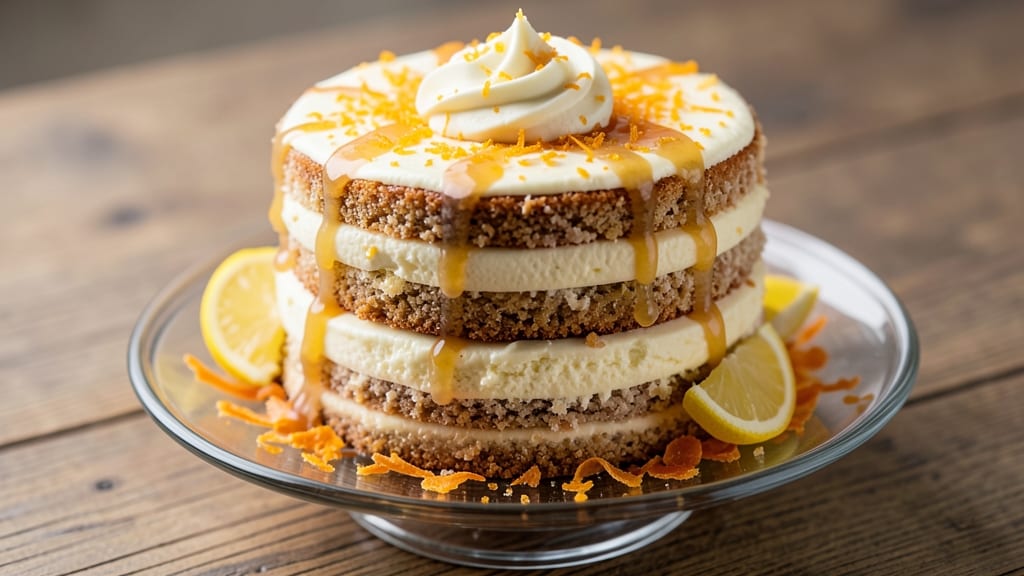
This Aqua Pazzo butter cake recipe delivers layers of velvety perfection with a signature citrus zest that elevates every bite. 💛 The secret lies in its tender crumb and subtle lemon-orange notes that transform a classic butter cake into something extraordinary.
I've perfected this technique over years of baking, ensuring each slice stays moist and flavorful for days.
What sets this butter cake apart is the balance of rich butter flavor and bright citrus zest, creating a harmonious blend that's both comforting and refreshing. The recipe uses standard ingredients—flour, butter, eggs, and sugar—but the attention to technique ensures professional-quality results every time.
Preheating the oven and precise mixing are key to achieving those signature velvety layers.
By the time you pull this cake from the oven, you'll have golden layers with a tender crumb that practically melts in your mouth. The citrus zest infuses the batter with a subtle brightness that pairs beautifully with the buttery richness.
This cake is perfect for celebrations, special occasions, or simply treating yourself to a homemade dessert that tastes like a bakery masterpiece.
The best part? This recipe yields a cake that stays moist and delicious for days, making it ideal for meal prep or gifting. Whether you're a seasoned baker or just starting out, this foolproof method ensures success. Let's get started on creating your own Aqua Pazzo butter cake masterpiece.
Ingredients for aqua pazzo butter cake
Rich butter, citrus zest, and precise technique create this velvety masterpiece.
| Ingredient | Amount | Notes |
|---|---|---|
| Unsalted Butter 🧈 | 1 ½ cups | Cold, cubed for best texture |
| All-Purpose Flour 🌾 | 2 ½ cups | Sifted for lightness (plus extra for dusting) |
| Granulated Sugar 🍚 | 2 cups | Superfine preferred for smoothness |
| Large Eggs 🥚 | 4 whole | Room temperature for even mixing |
| Lemon Zest 🍋 | 2 tbsp | Bright organic lemons preferred |
| Orange Zest 🍊 | 2 tbsp | Navel oranges for balanced flavor |
| Vanilla Extract 🌸 | 2 tsp | Pure Madagascar vanilla preferred |
| Baking Powder 🍞 | 1 ½ tsp | Freshly opened for lift |
| Salt 🧂 | ½ tsp | Fine sea salt preferred |
| Whole Milk 🥛 | 1 cup | Room temperature for smooth batter |
| Lemon Juice 🍋 | 1 tbsp | Freshly squeezed from same lemons |
| Powdered Sugar 🍚 | 1 cup | For dusting finished cake |
The butter is non-negotiable here—European-style unsalted butter (like Plugrá or Bergère) has the highest fat content for maximum richness. If you can only find regular butter, chill it thoroughly before cubing. For the citrus zest, organic lemons and oranges from the produce section (not the citrus aisle) have the most vibrant flavor. I always double-check the expiration dates on baking powder—Diamond Crystal is my go-to, but any brand less than 6 months old works. The flour? King Arthur or Gold Medal are my top picks for consistent results.
No superfine sugar? Pulse regular granulated sugar in a food processor for 10 seconds—it makes a noticeable difference. Running short on vanilla? Almond extract at half the amount adds depth, though it's not identical. The milk can be any kind, but whole milk gives the best texture. For the zest, if you don't have a microplane, a fine grater works—just be careful not to get any of the bitter white pith. The lemon juice should come from the same lemons you zested for consistency. And if you're feeling fancy, add 1 tsp of lemon extract for extra brightness.
This cake keeps beautifully—3-4 days at room temperature wrapped in plastic, or up to 1 week refrigerated. For longer storage, slice and freeze individual portions between parchment paper for 3 months. The layers stay moist thanks to the butter content, but if you notice any drying, a quick warm in the oven with a splash of milk revives them perfectly. I always bake two cakes at once—they're perfect for gifting or layering with fresh berry compote.
Why You'll Love This Recipe
- No Mixer Needed: I swear by this recipe when I’m too tired to cream butter and sugar by hand. Just fold it all together—no standing over a bowl, no wrist strain—just a few minutes of gentle mixing until the flour disappears. That’s the magic of this cake: it’s more about patience than effort.
- Butter So Rich: That first bite? Pure indulgence. The butter isn’t just melted in—it’s whipped into the batter until it’s light and airy, then baked until golden and just crisp enough at the edges. Honestly, I’ve made it with cheaper butter before, and it’s still good… but this? This is the version that makes me pause.
- Lemon Zest Lift: Between us, the lemon zest is the secret weapon. It’s not overpowering—just a bright, sunny spark that cuts through the richness of the butter and sugar. I’ll be real: I’ve doubled it before, and while it’s still delicious, that’s the perfect balance. It’s the kind of flavor that makes people ask, “What’s in this?”
- Leftovers That Last: This cake stays moist for days—no dry crumbs, no sad edges. I’ve wrapped slices in parchment and stashed them in the fridge for up to five days, and they’re still tender. Even better? It freezes beautifully if you bake a whole sheet pan ahead of time. (Yes, even on a Tuesday night.)
Step-by-step instructions for Aqua Pazzo butter cake
Here's how to create this iconic Italian cake with its signature citrus zest layers and velvety texture.
👨🍳 Step 1: Prepare the Citrus Zest and Mix Dry Ingredients
Start by grating the zest from 2 lemons and 2 oranges using a fine grater or microplane. I like to use a dedicated zester for this—it gives you the perfect balance of fine zest without any pith. Transfer the zest to a small bowl and set aside.
In a separate medium bowl, whisk together the 2.5 cups all-purpose flour, 1.5 teaspoons baking powder, and 0.5 teaspoon salt. Sift the mixture through a fine-mesh sieve directly into the bowl to aerate the flour and prevent lumps in your batter. This step is crucial for achieving that light, tender crumb we're after.
🍳 Step 2: Cream Butter and Sugar for Maximum Fluffiness
In the bowl of a stand mixer fitted with the paddle attachment, combine the 1.5 cups cold, cubed unsalted butter and 2 cups granulated sugar. Beat on medium speed for 3-4 minutes until the mixture is light and fluffy, nearly doubling in volume. You'll see the butter transform from pale yellow to a creamy, pale beige color—this is your signal that air has been properly incorporated.
Real talk: don't rush this step. The butter needs to become smooth and homogeneous before adding other ingredients. If you see any butter chunks remaining after 4 minutes, continue beating for another 30 seconds to ensure everything is fully emulsified.
👨🍳 Step 3: Add Eggs and Citrus Flavors
Add the 4 whole large eggs, one at a time, mixing on low speed after each addition until fully incorporated. Scrape down the sides of the bowl with a silicone spatula to ensure even mixing. Then add the 2 teaspoons vanilla extract, 2 tablespoons lemon zest, and 2 tablespoons orange zest, mixing on low speed for 30 seconds to combine.
Next, add the 1 tablespoon lemon juice and 1 cup whole milk, mixing on low speed until just combined. The batter should be smooth but still thick enough to hold its shape when dropped from a spoon. If it looks too stiff, add 1-2 tablespoons more milk to reach the perfect consistency.
🥘 Step 4: Combine Wet and Dry Ingredients
With the mixer on low speed, gradually add the dry ingredients to the wet mixture. Mix just until combined—you should still see some flour streaks. Overmixing develops gluten and can make the cake dense. Once combined, fold in any remaining zest using a rubber spatula to ensure even distribution.
Divide the batter evenly between two 8-inch round cake pans that have been lined with parchment paper and lightly dusted with flour. Tap the pans gently on the counter to remove any air bubbles. This ensures even baking and prevents domed cakes.
🔥 Step 5: Bake to Golden Perfection
Preheat your oven to 350°F. Place the cake pans on the middle rack and bake for 25-30 minutes, or until a toothpick inserted in the center comes out clean. The edges should be golden brown, but the top might still look slightly underbaked—this is normal for butter cakes.
I know it seems weird, but don't open the oven door during the first 20 minutes of baking. The temperature fluctuation can cause the cakes to sink. Once baked, let the cakes cool in their pans for 10 minutes before transferring to a wire rack to cool completely.
🍽️ Step 6: Assemble and Dust with Powdered Sugar
Once completely cool, level the tops of the cakes if needed. Place one cake layer on a serving plate and spread a thin layer of lemon glaze (if using) or simply dust generously with 1 cup powdered sugar. Place the second cake layer on top and dust with another layer of powdered sugar.
Slice with a serrated knife for clean cuts, and serve at room temperature. The finished cake should have a tender, moist crumb with bright citrus notes that linger on your palate. Each slice should be beautifully layered with that signature Italian elegance.
Pro Tips For Making Aqua Pazzo Butter Cake
- CREAM BUTTER FIRST: Mix the softened butter and sugar until the bowl looks nearly translucent—about 5 minutes with a stand mixer. I learned this the hard way: under-creaming means your cake will taste dense and dry, no matter how much flour you sift.
- ZEST NOW, NOT LATER: Grate that lemon zest fresh right before folding it into the batter—don’t pre-mix it with anything. Oxidation kills the bright citrus flavor, and you’ll end up with a cake that’s just slightly sad instead of bursting with lemony joy.
- DON’T OVERMIX THE FLOUR: Once you add the dry ingredients, mix just until combined—no more. Overmixing develops gluten, and your cake will turn out tough instead of tender. Think "dust it in, fold it out," not "beat it into submission."
- BAKE UNTIL COOLER THAN YOU THINK: Pull the cake from the oven when the center still wobbles slightly—it’ll firm up as it cools. I used to bake it to 160°F like a fool, and it’d dry out. Aim for 150°F at the center, then let it rest 10 minutes before slicing. Patience here = moist cake.
Serving suggestions for this recipe
Classic Presentation
Serve your Aqua Pazzo butter cake on a white marble slab or elegant parchment-lined cake stand to highlight its golden layers. Dust each slice generously with powdered sugar just before serving—I use a fine-mesh sieve for an even, snowy finish.
For extra flair, add a few edible citrus flowers or a sprinkle of freeze-dried lemon zest on top. 💛
Citrus-Inspired Pairings
Bright citrus flavors complement this cake beautifully. Serve with a blood orange sorbet (about ½ cup per person) to cleanse the palate between bites.
I love pairing it with sparkling lemonade—just mix 1 cup fresh lemon juice, ½ cup honey, and 2 cups chilled sparkling water for a refreshing contrast. For a non-alcoholic option, try Earl Grey tea with a splash of orange blossom water.
Warm Spiced Accompaniments
Balance the cake's sweetness with warm spices. A small bowl of cinnamon-sugar toasted almonds (toss ½ cup sliced almonds with 1 tbsp melted butter, 1 tbsp brown sugar, and ½ tsp cinnamon, then bake at 350°F for 8-10 minutes) adds crunch.
Alternatively, serve with warm vanilla bean ice cream—the creamy texture contrasts perfectly with the cake's tender crumb. 🍋
Seasonal Variations
For summer gatherings, top slices with fresh raspberries and a drizzle of honey. In winter, add a layer of spiced plum compote (simmer 1 cup diced plums, 2 tbsp brown sugar, 1 cinnamon stick, and 1 star anise for 15 minutes) between the cake layers.
The compote's warmth enhances the citrus notes beautifully.
Make-Ahead Serving Tips
This cake tastes even better the next day! Store leftovers in an airtight container at room temperature for 3-4 days. To serve, slice with a hot knife (dip in hot water and wipe dry) for clean cuts.
For a restaurant-worthy presentation, arrange slices on a tiered cake stand and garnish with thin citrus slices on the side. ✨
Nutrition facts
Frequently asked questions
What makes this Aqua Pazzo butter cake different from other citrus cakes?
The signature difference is the delicate balance of lemon and orange zest combined with European-style butter for maximum richness. Unlike other citrus cakes that often use juice, this recipe relies on the aromatic oils from the zest for a more refined flavor. The baking technique—like creaming the butter and sugar properly—creates that signature velvety texture that sets it apart.
Can I substitute regular butter for European-style butter?
Yes, but expect slightly less richness. Use 1.5 cups unsalted butter (80% fat content) and chill it thoroughly before cubing. For best results, let the butter sit at room temperature for 30 minutes before creaming to ensure proper emulsification. The flavor won't be identical, but the cake will still turn out tender and delicious.
How do I prevent my cake from drying out?
Store it in an airtight container at room temperature for up to 3 days. For longer storage, slice and freeze individual portions between parchment paper for 3 months. If the cake dries slightly, revive it by warming slices in the oven at 300°F for 5-7 minutes with a splash of milk. The butter content helps maintain moisture longer than many other cakes.
What's the best way to level the cake layers?
Use a serrated knife and a leveling guide (or a piece of string) to create perfectly even tops. For cleaner cuts, dip the knife in hot water between slices. This ensures your final cake has uniform layers and looks professional. The leveling step is especially important if you're adding fillings or multiple layers of powdered sugar.
Can I make this cake in a different pan size?
Yes, but adjust the baking time. For 9-inch pans, bake for 20-25 minutes at 350°F. For 6-inch pans, reduce to 15-20 minutes. The key is to bake until a toothpick comes out clean. The cake's thickness affects baking time, so always check with a toothpick rather than relying solely on time. The internal temperature should reach 205-210°F for perfect doneness.