
Desserts
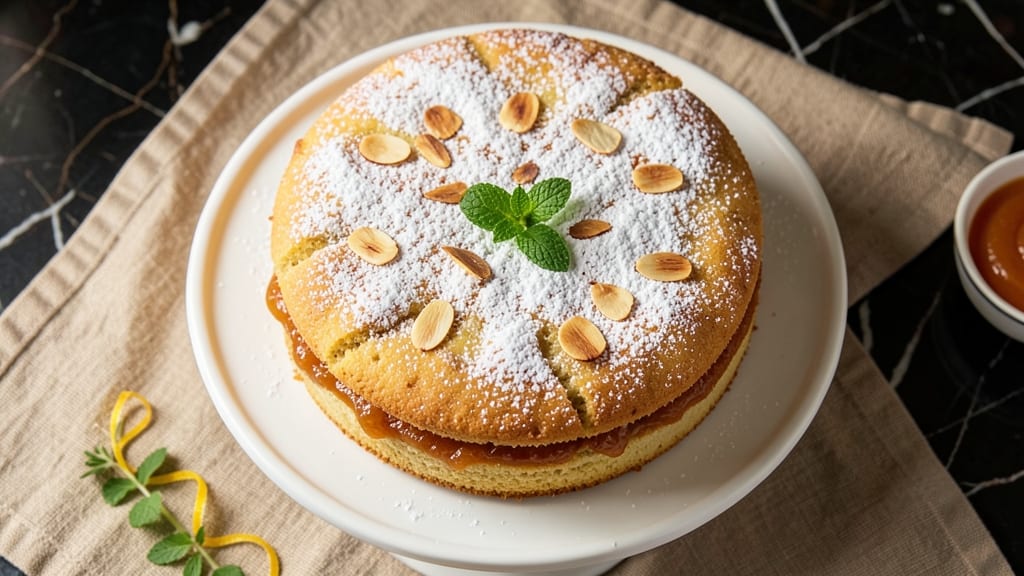
This apricot tea cake recipe delivers the perfect balance of buttery layers and vibrant apricot swirls, infused with subtle tea notes for depth. The secret lies in steeping black tea leaves directly into the batter, creating a delicate floral aroma that pairs beautifully with the sweet-tart jam.
I developed this recipe after years of perfecting the art of layering—each tender crumb should hold just enough moisture to stay soft while maintaining its structure.
The process begins with a classic shortbread-like base, enriched with melted butter and a touch of almond extract for warmth. As the cake bakes, swirls of apricot jam create pockets of fruity brightness that cut through the richness.
The key technique is spreading the jam before the final layer of batter, ensuring those signature ribbons of fruit weave through every slice. This isn’t just dessert—it’s a sensory experience, where every bite reveals layers of texture and flavor.
What makes this recipe stand out is its versatility. Serve it warm with a dusting of powdered sugar for a rustic tea-time treat, or add a lemon glaze for extra zing. The tea-infused batter keeps the cake moist for days, making it ideal for gifting or meal prep.
Whether you’re baking for a special occasion or simply craving something comforting, this cake delivers restaurant-quality results with minimal fuss.
For best results, use high-quality apricot jam and let the cake cool completely before slicing—this ensures clean, professional-looking layers. The tea leaves can be any black variety, but Earl Grey adds a subtle bergamot note that elevates the flavor.
Once you try this, you’ll never settle for a store-bought version again.
Ingredients for apricot tea cake
Buttery layers, floral tea notes, and vibrant apricot swirls—this cake delivers restaurant-quality results with minimal fuss.
| Ingredient | Amount | Notes |
|---|---|---|
| All-Purpose Flour 🌾 | 2 ½ cups | Sifted for light texture |
| Unsalted Butter 🧈 | 1 cup | Melted, cooled slightly |
| Granulated Sugar 🍚 | 1 ½ cups | Superfine for smooth batter |
| Black Tea Leaves ☕ | 2 tbsp | Loose-leaf preferred (Earl Grey ideal) |
| Almond Extract 🌿 | ½ tsp | Pure, not imitation |
| Large Eggs 🥚 | 2 whole | Room temperature |
| Apricot Jam 🍑 | 1 cup | High-quality, seedless |
| Powdered Sugar 🍚 | 1 cup | For dusting |
| Baking Powder 🧂 | 1 tsp | Aluminum-free |
| Salt 🧂 | ½ tsp | Fine sea salt |
| Heavy Cream 🥛 | ½ cup | Cold, for swirling |
| Vanilla Extract 🌸 | 1 tsp | Pure vanilla |
The tea leaves are non-negotiable for that delicate floral aroma. Earl Grey adds bergamot notes that elevate the flavor, but any loose-leaf black tea works—just avoid tea bags (they won’t infuse properly). For the jam, high-quality apricot preserves make all the difference—avoid the sugary, watery brands. Wegmans or local farmers' markets often carry excellent options. The butter should be European-style if possible (like Plugrá), but unsalted works too. Melt it just until fluid, then cool slightly before mixing—this prevents the batter from becoming too warm.
No almond extract? Vanilla extract at double the amount works in a pinch, though the flavor will differ slightly. Running short on jam? Mango or peach preserves create a lovely variation. For a lighter texture, whisk the eggs until frothy before adding—this incorporates air for a tender crumb. The baking powder is essential; don’t substitute with baking soda unless you add an acid (like lemon juice). If you’re gluten-sensitive, swap the flour for a 1:1 gluten-free blend, but expect a slightly denser result. The heavy cream can be omitted for a lighter cake, but the swirls will be less pronounced.
This cake keeps beautifully for 5 days in an airtight container at room temperature, though the layers stay moist for up to 3 days. For longer storage, wrap tightly in plastic and refrigerate for 1 week or freeze for 2 months. To serve, dust generously with powdered sugar—this isn’t just decoration, it adds a subtle crunch. The tea-infused batter means it reheats wonderfully; wrap a slice in foil and warm in a 300°F oven for 5 minutes to restore its softness.
Why You'll Love This Recipe
- No-Fuss Baking: I swear, this cake comes together faster than a grocery run. Just cream butter and sugar, fold in flour, steep tea leaves in warm milk, and you’re halfway there—no whisking until your arm falls off.
- Tea-Infused Magic: That first bite? Warm, buttery layers with a whisper of almond and the faintest earthy tea kiss—like dessert and a cozy afternoon in one forkful. Honestly, the almond extract makes it taste like you slaved over it.
- Weekend or Weeknight: Slice it for breakfast with jam, pack it for lunch, or serve it at a brunch where no one will guess it’s this simple. (Yes, even on a Tuesday night.)
- Pantry Staple Power: You’re already using what’s in your cupboard—flour, butter, sugar—and that tea bag? The one collecting dust. No fancy ingredients, no wasted money, just pure, reliable comfort.
Step-by-step instructions for apricot tea cake
Here's how to create layers of buttery richness with vibrant apricot swirls that balance floral tea notes perfectly.
Prepare the Tea-Infused Dry Ingredients
Preheat your oven to 350°F and grease two 9-inch round cake pans. In a small bowl, steep the 2 tablespoons black tea leaves in ½ cup hot water for 5 minutes, then strain and discard the leaves. Let the tea cool completely to room temperature.
In a separate bowl, whisk together the 2.5 cups all-purpose flour, 1 teaspoon baking powder, and ½ teaspoon salt. Add the cooled tea to this mixture and stir until evenly distributed. This infusion creates the signature floral depth that distinguishes this cake.
Cream Butter and Sugar for Light Texture
In a stand mixer fitted with the paddle attachment, beat the 1 cup unsalted butter and 1.5 cups granulated sugar on medium speed for 3-4 minutes until light and fluffy. The mixture should nearly triple in volume and become pale in color.
Add the 2 whole large eggs, one at a time, mixing well after each addition. Scrape down the sides of the bowl as needed. Stir in the ½ teaspoon almond extract and 1 teaspoon vanilla extract until fully incorporated. This step ensures a tender crumb that won't be dense or heavy.
Combine Wet and Dry Ingredients
Gradually add the tea-infused dry ingredients to the butter mixture in three additions, mixing on low speed just until combined after each addition. Avoid overmixing—you should still see small flour streaks. Gently fold in the 1 cup apricot jam using a silicone spatula until evenly distributed throughout the batter.
Divide the batter evenly between the prepared cake pans, spreading it out to create even layers. The jam will create beautiful swirls as it bakes, so don't worry about perfect distribution at this stage. Place the pans on a baking sheet to catch any potential overflow.
Bake the Layers
Bake for 25-30 minutes or until a toothpick inserted into the center comes out clean. The cakes should be golden brown on top and slightly domed in the center. Rotate the pans halfway through baking for even browning.
Remove from the oven and let cool in the pans for 10 minutes. Then transfer to a wire rack to cool completely. While the cakes cool, prepare the cream filling by whipping the ½ cup heavy cream with the 1 cup powdered sugar until soft peaks form.
Assemble and Dust with Powdered Sugar
Place one cake layer on a serving plate and spread half of the whipped cream evenly over the top. Add the second cake layer and spread the remaining cream over the top and sides. Gently press down to create a clean edge.
Dust the entire cake generously with the remaining powdered sugar using a fine-mesh sieve. This creates that signature dusted finish that makes this cake look so elegant. Serve at room temperature with a cup of freshly brewed tea for the perfect pairing.
Pro Tips For Making Apricot Tea Cake
- STEEP THE TEA FIRST: Don’t just toss in dry tea leaves—brew a strong cup (1-2 tbsp loose black tea in ½ cup hot water) and let it cool completely before mixing into the batter. The flavor develops deeper this way, and you’ll avoid that weird "dusty" aftertaste from powdered leaves. I learned this after my first batch tasted like a tea bag had been left in the flour bin.
- CREAM BUTTER AND SUGAR UNTIL PALE: Beat the butter and sugar until it’s not just light, but actual pale yellow—about 3-4 minutes with a mixer. This incorporates air, which makes the cake tender and helps it rise properly. I used to stop at "light," and my cakes always came out dense. Sounds tedious, but it’s the thing that matters most for that classic tea cake crumb.
- SIFT THE FLOUR TWICE: Tea cakes rely on a fine, airy texture, so sift the flour before mixing and again after adding the tea-infused liquid. The second sift cuts through any clumps and guarantees a smoother batter. Yes, it’s extra work, but your future self will notice the difference in how the cake bakes up—no heavy spots or uneven texture.
- USE ALMOND EXTRACT SPARINGLY: Almond extract is potent—start with just ½ tsp (not the full teaspoon some recipes suggest) and taste the batter. Too much turns the cake into a dessert version of a marzipan headache. I was skeptical until I tried it: the right amount adds warmth without overpowering the apricot and tea. If you’re nervous, skip it entirely and boost the vanilla instead.
Regional styles of this apricot tea cake
British Afternoon Tea
In the UK, this cake is a staple of afternoon tea gatherings, where it’s often served with Earl Grey tea and clotted cream.
The British version traditionally uses scones alongside cakes, but this apricot tea cake stands out for its jam swirls—a nod to the classic Victoria sponge.
I’ve seen it served in tiered stands with finger sandwiches and petit fours at London’s The Ritz, where the tea-infused batter pairs beautifully with Darjeeling tea. 🍵
French Patisserie Twist
French bakeries elevate this cake by adding a light lemon glaze and almond tuile on top, inspired by their tarte aux abricots. The buttery layers here mirror their financiers, but the tea infusion is a modern twist.
In Paris, you’ll find this cake at Ladurée or Du Pain et des Idées, where they dust it with edible gold leaf for special occasions. The French also love serving it with crème fraîche instead of whipped cream. 🥖
German Kuchen Adaptation
German Kuchen traditions bring a spiced twist to this cake, often incorporating cardamom or cinnamon into the batter alongside the tea. In Bavaria, it’s served with Apfelstrudel during autumn festivals, and the apricot jam swirls resemble the Dampfnudel’s fruit filling.
I’ve tasted versions at Café Frischhut in Munich where they add a caramel drizzle for extra richness. The tea leaves are sometimes replaced with rooibos for a caffeine-free option. 🍂
American Southern Style
Southern bakers often double the apricot jam and add pecans for crunch, creating a Mississippi-style tea cake with deeper fruit pockets. At The French Market in New Orleans, vendors sell this cake with a bourbon-infused glaze—a bold local adaptation.
The tea infusion here is often chamomile for a floral note, and it’s paired with sweet tea instead of black tea. A sprinkle of crushed graham crackers on top adds texture. 🍯
Japanese Matcha Fusion
Japanese patisseries take this cake to another level by swapping black tea for matcha powder, creating a green tea-apricot fusion that’s all the rage in Tokyo’s Tsukiji Outer Market. The matcha adds a grassy, umami depth that balances the apricot’s sweetness.
Bakers like Suzukien use white chocolate ganache between layers and dust with kinako (roasted soybean flour) for a nutty finish. Serve with sencha tea for a harmonious match. 🍵✨
Scandinavian Cardamom Tea
In Sweden and Norway, this cake is often made with cardamom-infused tea instead of black tea, reflecting their love for spiced buns like kanelbullar. The apricot jam swirls are sometimes replaced with lingonberry jam for a tart contrast.
At Vete-Katten in Stockholm, they serve it with glögg (mulled wine) during the holidays. The cake’s layers are slightly denser, almost like a cardamom cake, but the tea infusion keeps it light. ❄️
Nutrition facts
Frequently asked questions
Can I substitute the apricot jam with another fruit preserve?
Peach or mango preserves work beautifully for a similar texture, while raspberry or blackberry add a tart contrast. For a citrus twist, try orange marmalade—just reduce the sugar in the cake slightly since preserves vary in sweetness. The key is using high-quality preserves without excess water to maintain those signature swirls.
Why does the cake need to cool completely before slicing?
Cooling prevents the layers from shifting or falling apart when you cut it. The jam swirls need time to set, and the tea-infused batter continues to release moisture as it cools. Slicing too soon can make the layers gummy or crumbly. For clean slices, let it rest for at least 2 hours at room temperature—or overnight in the fridge for even better texture.
What’s the best tea to use for the infusion?
Earl Grey is ideal for its bergamot notes, but any loose-leaf black tea works—Assam or Ceylon add boldness, while green tea (like sencha) gives a lighter flavor. Avoid tea bags (they don’t infuse well) and steep the leaves in hot water for 5 minutes to extract maximum flavor. For a caffeine-free option, use rooibos or herbal chamomile.
Can I make this cake in a single layer instead of two?
Yes! For a single-layer cake, use one 9-inch pan and bake for 35-40 minutes until a toothpick comes out clean. Reduce the batter by 25% (about 1.5 cups) and omit the whipped cream filling. The jam swirls will still form beautifully, and you’ll save time on assembly. This version works well for small gatherings or as a dessert bar cake.
How do I store leftovers to keep them fresh?
Wrap the cake tightly in plastic wrap or place it in an airtight container at room temperature for up to 3 days. For longer storage, refrigerate for 5 days or freeze for 2 months. To reheat, wrap a slice in foil and warm in a 300°F oven for 5 minutes—this restores the softness without drying it out. The tea infusion helps preserve moisture, but avoid exposing it to air for too long.