
Desserts
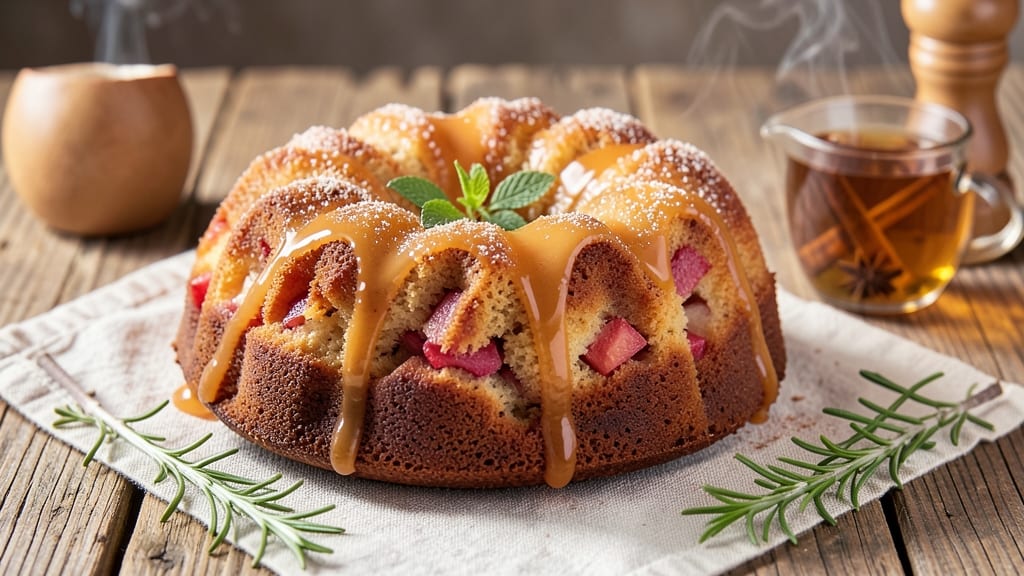
This apple cider mini bundt cake recipe transforms cozy fall flavors into elegant, bite-sized desserts with a spiced caramelized top and moist apple layers. The secret lies in using apple cider—not just for flavor, but as a natural tenderizer that keeps the crumb soft while deepening the warm, autumnal notes.
I developed this recipe after years of testing bundt cakes, and the mini format makes it perfect for parties, gifts, or a single indulgent serving.
The recipe balances simplicity with professional results: a buttery cake base infused with cinnamon and nutmeg, layers of moist apple cider-soaked cake, and a caramelized sugar crust that crackles with every bite.
Unlike traditional bundt cakes, these mini versions bake in just 25-30 minutes at 350°F, making them ideal for busy bakers who still want restaurant-quality dessert. The apple cider adds subtle tartness that cuts through the richness, creating harmony in every forkful.
What sets these apart is the texture—moist throughout with a crisp, caramelized exterior that's impossible to resist. The mini bundt shape ensures even baking and a perfect rise, while the spiced caramel top adds visual appeal and extra flavor.
This dessert bridges traditional baking and modern convenience, delivering the taste of fall in a portable, shareable format.
Serve warm with vanilla ice cream or dusted with powdered sugar for a touch of elegance. The recipe also includes tips for bundt pan prep and variations like adding chopped apples or walnuts. Let's bake these crowd-pleasing treats that taste like autumn in every bite.
Ingredients for apple cider mini bundt cake
Twelve ingredients for twelve perfect mini bundt cakes—moist, spiced, and caramelized to perfection.
| Ingredient | Amount | Notes |
|---|---|---|
| All-Purpose Flour 🌾 | 2 ½ cups | Sifted for even texture |
| Granulated Sugar 🍚 | 1 ½ cups | White or light brown |
| Light Brown Sugar 🍚 | ½ cup | Packed firmly |
| Unsalted Butter 🧈 | 1 cup | Cold, cubed for mixing |
| Apple Cider 🍎 | 1 cup | Unfiltered for best flavor |
| Large Eggs 🥚 | 2 whole | Room temperature |
| Vanilla Extract 🌿 | 1 tbsp | Pure, not imitation |
| Ground Cinnamon 🌶️ | 2 tsp | Freshly ground preferred |
| Ground Nutmeg 🌶️ | ½ tsp | Freshly grated |
| Ground Allspice 🌶️ | ¼ tsp | For warmth |
| Salt 🧂 | ½ tsp | Fine sea salt |
| Turbinado Sugar 🍚 | ½ cup | For caramelized top |
| Powdered Sugar 🍚 | ¼ cup | For dusting |
The apple cider is non-negotiable here—unfiltered, preferably local for the deepest flavor. Trader Joe's and Whole Foods often carry great options, but any quality cider will work. For the spices, Penzeys or bulk bins at specialty stores ensure freshness. The turbinado sugar? Domino or Florida Crystals are my go-tos—they caramelize beautifully. If you can't find turbinado, light brown sugar in a pinch, but the texture won't be quite as crisp. And always use unsalted butter—the salt content in salted butter can throw off the delicate balance of flavors in this delicate cake.
No vanilla extract? Vanilla bean paste works in a pinch, or even a scraped vanilla bean. The spices can be adjusted—double the cinnamon if you love it, or swap allspice for a pinch of cloves. For the sugar crust, if turbinado isn't available, white sugar mixed with 1 tbsp water mimics the caramelization. The eggs should be at room temperature—cold eggs can cause the batter to curdle. If you're prepping ahead, whisk the dry ingredients first and store them separately from the wet ingredients for up to 3 days to prevent the batter from overmixing.
Store the baked mini bundt cakes in an airtight container at room temperature for up to 3 days—they actually taste better the next day as the flavors meld. For longer storage, freeze them unfrosted for 1 month. Reheat in a 350°F oven for 5-7 minutes to restore that crisp caramelized top. If you're making these ahead for a party, bake them the day before and reheat before serving. The powdered sugar dusting? Do it right before serving—it keeps best when the cakes are fresh.
Why You'll Love This Recipe
- No Fuss Mixing: I swear by the 5-minute prep here—just toss the dry ingredients in one bowl, melt the butter with the sugars, then fold in that warm apple cider. The cider cuts through the richness of the butter, so you don’t even need to cream it like some fussy recipes demand. Honestly, my hands are usually sticky from the brown sugar, but that’s the only mess you’ll make.
- Spiced Autumn Magic: That brown sugar and apple cider combo? It’s like fall in a bite—warm, slightly caramelized, with just enough moisture to keep it tender. I’ll be real: the first time I made this, I nearly licked the bowl. The crust has this perfect snap, while the inside stays soft, almost custardy, thanks to the butter and cider.
- Party in a Pan: These mini bundts are my secret weapon for gatherings—no one can resist grabbing one. Serve them warm with a drizzle of caramel or a dollop of whipped cream, and suddenly you’re the host with the most. Between us, they’re also great for breakfast the next day, toasted lightly with a sprinkle of cinnamon.
- Budget-Friendly Batch: A single batch gives you 12 perfect little cakes, and the ingredients won’t break the bank. Apple cider’s cheap this time of year, and you’re using basic pantry staples—no weird specialty items. Plus, they freeze beautifully, so I always make a double batch. Leftovers? More like never leftovers.
Step-by-step instructions for apple cider mini bundt cakes
A perfect balance of spiced apple cider flavor with a caramelized top—here's how to achieve it every time.
Cream Butter and Sugars Together
In a stand mixer fitted with the paddle attachment, combine the 1 cup unsalted butter (cold and cubed) with the 1.5 cups granulated sugar and 0.5 cup light brown sugar. Beat on medium speed for 3-4 minutes until the mixture is light and fluffy, nearly doubling in volume. This step incorporates air, which creates that tender crumb we're after.
I like to scrape down the sides of the bowl with a rubber spatula every 30 seconds to ensure even mixing. The butter should be fully incorporated with no visible lumps, and the mixture should look pale and thick. If it feels too soft, chill the bowl in the refrigerator for 10 minutes before proceeding—this helps maintain structure in the final cake.
Add Eggs and Apple Cider
Reduce the mixer speed to low and add the 2 whole large eggs one at a time, mixing just until each is fully incorporated. After the second egg, add the 1 tablespoon vanilla extract and the 1 cup apple cider. Mix on low speed for another 30 seconds until completely combined.
The apple cider adds moisture and depth of flavor, but it's crucial to mix gently at this stage. Overmixing can develop gluten in the flour later, leading to a tougher cake. If the mixture looks slightly curdled after adding the cider, don't worry—it will smooth out once we incorporate the dry ingredients.
Combine Dry Ingredients and Fold Gently
In a separate bowl, whisk together the 2.5 cups all-purpose flour, 2 teaspoons ground cinnamon, 0.5 teaspoon ground nutmeg, 0.25 teaspoon ground allspice, and 0.5 teaspoon salt. Gradually add this dry mixture to the wet ingredients in the mixer, mixing on low speed just until combined—about 30-45 seconds. You should still see small flour streaks; overmixing develops gluten and makes the cake dense.
Real talk: This is where many home bakers go wrong. The moment the flour disappears completely, stop mixing. The cake batter should be thick but pourable. If it's too stiff, you can gently fold in 1 tablespoon of apple cider to loosen it slightly.
Prepare Bundt Pans and Bake
Preheat your oven to 350°F. Generously grease 12 mini Bundt pan cavities with butter or baking spray, then dust each with powdered sugar to prevent sticking. Divide the batter evenly among the prepared pans, filling each about ¾ full. Sprinkle 0.5 cup turbinado sugar evenly over the tops of all cakes.
Bake for 18-22 minutes until a toothpick inserted into the center comes out clean and the tops are golden brown with a caramelized crust. The exact time depends on your oven—start checking at 18 minutes. If the tops brown too quickly, tent the pans with foil after 15 minutes to prevent over-browning while the centers finish baking.
Cool and Serve
Remove the cakes from the oven and let them cool in the pans for 5 minutes. Then carefully invert each onto a wire rack to cool completely. The caramelized sugar topping will harden as it cools, creating that beautiful crackly crust we love.
Once completely cooled, dust the tops with an additional 1 tablespoon powdered sugar if desired. These mini Bundt cakes are best served at room temperature, allowing the flavors to meld fully. Store leftovers in an airtight container at room temperature for up to 3 days, or refrigerate for up to 5 days. The moist texture holds up well, though they're best enjoyed fresh from the oven.
Pro Tips For Making Apple Cider Mini Bundt Cake
- Warm the Cider First: Pour your apple cider into a small saucepan and heat it gently—just until it’s warm to the touch, not boiling. Cold cider will make the butter seize when you mix it, and you’ll end up with a lumpy batter that fights you the whole way. Trust me, your cake will thank you for the smooth start.
- Whisk the Dry Ingredients: Don’t just dump the flour and sugars into the bowl and stir. Use a whisk to combine them first—especially that brown sugar, which clumps like a stubborn guest who won’t leave. Sifting isn’t necessary, but breaking up those lumps ensures your cake batter is even and your mini bundts rise properly.
- Grease with Butter, Dust with Flour: Skip the spray oil—it’s too slick. Instead, rub a mini bundt pan with softened butter (yes, even the tiny crevices), then dust it with flour, tapping out the excess. This guarantees your cake won’t stick, and you’ll get that perfect pull-apart texture that makes these mini bundts irresistible.
- Check at 25 Minutes: Mini bundts bake fast, but they’re tricky—overbake them, and they turn dry. Start checking for doneness at 25 minutes (or when the edges pull away from the pan). If the center’s still jiggly, give it 2 more minutes, then let it cool completely before unmolding. Patience here keeps your cake from crumbling like a sad soufflé.
Health benefits of this dish
Apple Cider's Nutritional Perks
Apple cider isn't just flavor—it's packed with antioxidants like quercetin and catechins that fight inflammation. A 1-cup serving provides about 14% of your daily vitamin C, boosting immunity and skin health. The natural sugars in cider also provide quick energy without the crash of refined sweets. 🍎
Unlike processed juices, unfiltered apple cider retains fiber and polyphenols when used in baking. These compounds support gut health and may even help regulate blood sugar. The spices in this recipe—cinnamon and nutmeg—add their own benefits: cinnamon helps stabilize blood sugar, while nutmeg contains manganese for bone health.
Low-Sugar Dessert Option
This recipe uses 1.5 cups sugar total, making it a more balanced treat compared to traditional bundt cakes that often contain 2-3 cups. The apple cider's natural sweetness reduces the need for extra sugar while keeping the cake moist.
For a lighter version, replace ¼ cup granulated sugar with apple cider reduction (simmer ½ cup cider until thickened).
The caramelized turbinado sugar topping adds depth without significant calories—just 20 calories per 1-tbsp serving. This makes the cake feel indulgent while being more nutritious than most desserts. The powdered sugar dusting is optional but adds a festive touch without extra calories.
Spice Benefits Beyond Flavor
Cinnamon isn't just for taste—it contains manganese and iron, supporting metabolism and energy levels. Nutmeg adds warmth with magnesium for muscle function. Allspice brings earthy notes while providing antioxidant-rich compounds. Together, these spices create a flavor profile that's both comforting and health-supportive.
For an extra boost, add ½ tsp ground flaxseed to the dry ingredients. Flaxseed provides omega-3s and fiber, turning this dessert into a mini nutritional powerhouse. The texture remains unchanged, but the health benefits multiply—perfect for guilt-free indulgence. ✨
Portion Control Made Easy
Mini bundt cakes are naturally portion-controlled—each 2-inch cake serves as a single portion, making them ideal for mindful eating. The small size prevents overeating while delivering satisfying sweetness. This makes them perfect for gatherings where you want dessert without the post-meal slump.
Pair with a dollop of Greek yogurt (instead of heavy cream) to add protein and probiotics. The yogurt's tanginess balances the cake's sweetness while adding nutritional value. For an extra boost, top with chopped walnuts—they provide healthy fats and crunch without excessive calories.
Nutrition facts
Frequently asked questions
Can I substitute apple cider with apple juice?
While apple juice works in a pinch, it lacks the depth of flavor and natural acidity that apple cider provides. For the best results, stick with unfiltered apple cider—its sediment adds subtle complexity. If you must use juice, reduce it by 2 tablespoons to compensate for its higher water content and add 1 teaspoon lemon juice to mimic the cider's tang.
Why do my mini bundt cakes stick to the pan?
This usually happens if the pan isn't properly greased or dusted. Always use butter or baking spray followed by a generous dusting of powdered sugar—this creates a nonstick barrier. For extra insurance, chill the prepared pans in the freezer for 10 minutes before baking to set the grease. Never skip this step, even with nonstick pans.
How can I make these cakes gluten-free?
Replace the 2.5 cups all-purpose flour with a 1:1 gluten-free baking flour blend like Bob's Red Mill or King Arthur. Add ½ teaspoon xanthan gum to improve texture, and reduce the apple cider by 2 tablespoons—gluten-free batters often need slightly less liquid. The cakes may be slightly denser but will still be delicious.
Can I bake these in a regular bundt pan?
Yes, but you'll need to adjust the batter quantity. A standard bundt pan holds about 3 times the volume of mini pans, so scale the recipe up to 3 cups flour and 2 cups sugar total. Bake at 325°F for 45-55 minutes—the larger size requires lower heat and longer time to bake evenly. The caramelized topping will be more dramatic in a full-sized cake.
What's the best way to reheat these cakes?
For that perfect caramelized top, reheat individual cakes in a 350°F oven for 5-7 minutes on a wire rack. Alternatively, warm them in a 200°F oven for 3-4 minutes to gently revive the texture without over-browning. Microwaving can make the cake gummy—always use oven heat for best results.