
Desserts
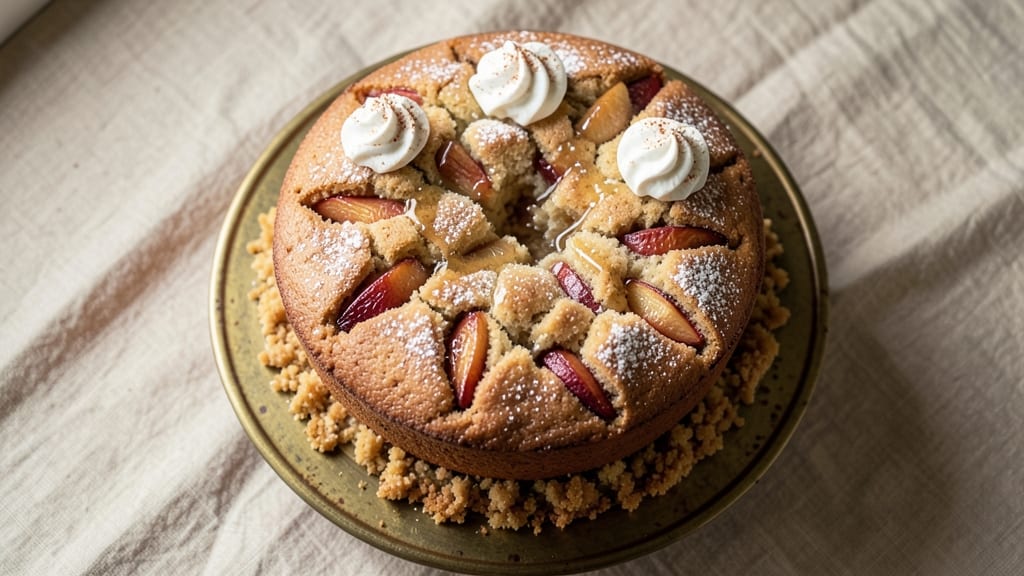
This apple cake recipe with self-raising flour delivers a moist, spiced cake that requires zero mixing stress—just stir, pour, and bake.
I developed this recipe after years of testing apple cakes that either dried out or turned dense, and the secret lies in using self-raising flour for a tender crumb while keeping the method effortless.
The warm cinnamon and nutmeg flavors complement the apples perfectly, creating a dessert that feels comforting yet refined.
The beauty of this recipe is its simplicity: one bowl, 15 minutes of prep, and a 350°F oven that does all the work. You'll start with tender apples tossed in lemon juice to prevent browning, then fold them into a batter that combines self-raising flour, sugar, and spices.
The cake rises beautifully, with a golden top and a crumb that's light yet sturdy enough to hold slices without crumbling.
What makes this apple cake truly special is how it stays moist for days, thanks to a few clever tricks—like using buttermilk in the batter and wrapping the cooled cake in plastic.
The result is a dessert that's perfect for holidays, potlucks, or a cozy weekend treat. Serve it with a dollop of whipped cream or a drizzle of caramel for extra indulgence.
For those who love customization, you can easily add chopped walnuts or pecans to the batter, or top the cake with a simple glaze made from powdered sugar and milk.
The recipe scales beautifully too, so whether you're baking for a crowd or just a small gathering, this apple cake delivers restaurant-quality results with minimal effort.
Ingredients for apple cake recipe self raising flour
Self-raising flour and tender apples make this cake effortlessly moist and spiced.
| Ingredient | Amount | Notes |
|---|---|---|
| Self-Raising Flour 🌾 | 2 ½ cups | Sifted for even texture |
| Granulated Sugar 🍚 | 1 ½ cups | White or light brown |
| Unsalted Butter 🧈 | 1 cup | Room temperature, cubed |
| Large Eggs 🥚 | 2 whole | Room temperature preferred |
| Buttermilk 🥛 | 1 cup | Full-fat for moisture |
| Vanilla Extract 🍯 | 1 tbsp | Pure extract preferred |
| Ground Cinnamon 🌿 | 2 tsp | Freshly ground for warmth |
| Ground Nutmeg 🌿 | ½ tsp | Freshly grated preferred |
| Salt 🧂 | ½ tsp | Fine sea salt |
| Apples 🍎 | 4 medium | Peeled, cored, diced |
| Lemon Juice 🍋 | 2 tbsp | Freshly squeezed |
| Walnuts 🥜 | 1 cup | Chopped, optional topping |
Self-raising flour is the secret weapon here—it eliminates the need for baking powder or soda, ensuring a tender crumb. King Arthur or Bob's Red Mill are my go-tos for reliable quality. The apples should be firm and sweet, like Gala or Honeycrisp. If you can't find those, Granny Smith works too, but toss them with an extra tablespoon of lemon juice to balance the tartness. The walnuts add texture, but feel free to skip them if you prefer a smoother cake. For the butter, Plugrá or Land O'Lakes are dependable brands, but any good-quality unsalted butter will do.
No self-raising flour? Mix 2.25 cups all-purpose flour with 1.5 tsp baking powder—just be sure to sift it well. Running short on buttermilk? Mix 1 tbsp vinegar or lemon juice with 1 cup milk and let it sit for 5 minutes. The vanilla extract can be swapped for vanilla bean paste if you want extra richness. For the apples, if you can't peel them, leave the skin on—it adds nice texture. The cinnamon and nutmeg are non-negotiable for that classic apple spice flavor, but if you're feeling adventurous, a pinch of cardamom adds a lovely twist.
This cake stays moist for 4-5 days when wrapped tightly in plastic at room temperature. For longer storage, slice and freeze portions for up to 3 months. I like to bake it the night before and let it sit overnight—it develops even more flavor. If you're making it ahead, cover it with foil once it's cooled to prevent drying. The walnuts, if used, should be toasted in a dry pan for 2-3 minutes before adding to the batter for extra crunch.
Why You'll Love This Recipe
- No Mixing Madness: I swear by this recipe because it’s literally just folding. The self-raising flour does all the work—no separate baking powder, no extra steps. Toss in the buttermilk and butter, and the batter’s so smooth it’ll have you questioning if you even cooked anything.
- Spice & Sweet Magic: That buttermilk tang cuts through the sugar like a dream, while the butter keeps it rich without being heavy. Honestly, the moment the apples caramelize at the edges? It’s the kind of cake that makes you pause mid-bite just to savor it.
- Weeknight to Party: Make it for breakfast with a sprinkle of cinnamon, or take it to a potluck with a dusting of powdered sugar. The buttermilk keeps it moist for days, so it’s my go-to when I’m lazy or when I’m trying to impress. (Yes, even on a Tuesday night.)
- Pantry Goldmine: You’re probably already using these ingredients—no weird substitutes, no last-minute grocery runs. The eggs and butter make it feel special, but the cost? Ridiculously low. My kids fight over slices, and I still have half a cake left by Thursday.
Step-by-step instructions for apple cake with self-raising flour
Here's how to create a tender, spiced apple cake with minimal effort and maximum flavor.
Prepare the Apple Filling
In a medium bowl, combine the 4 medium apples (peeled, cored, and diced into ½-inch pieces) with the 2 tablespoons lemon juice. This prevents browning and adds brightness to the filling. Let it sit for 10 minutes while you prepare the batter—this ensures the apples release some moisture, keeping your cake moist.
Real talk: Don't skip the lemon juice. The apples will turn grayish without it, and the flavor will be dull. If you're using tart apples like Granny Smith, you can reduce the lemon juice to 1 tablespoon—they need less acidity to balance their sharpness.
Cream Butter and Sugar
In a large mixing bowl, beat the 1 cup unsalted butter (room temperature) and 1.5 cups granulated sugar together using an electric mixer on medium speed for 3-4 minutes. You're looking for a light, fluffy texture—the mixture should nearly double in volume and become pale in color. This step incorporates air, which creates that tender crumb we're after.
I press down gently on the butter mixture with a spatula every minute or so to help it aerate faster. If the butter is too cold, it won't cream properly—you'll know because the mixture will look grainy and won't lighten in color. If this happens, let the bowl sit at room temperature for 5 minutes before continuing.
Mix in Wet Ingredients
Add the 2 whole large eggs, one at a time, mixing well after each addition. Then stir in the 1 cup buttermilk, 1 tablespoon vanilla extract, and the apple-lemon mixture. Mix just until combined—you should still see some streaks of flour. Overmixing develops gluten, which makes cakes tough instead of tender.
Here's the thing—self-raising flour already contains baking powder, so we're not adding any leavening agents. The buttermilk adds moisture and a slight tang, while the vanilla extract enhances the warm spice notes. The apples will keep the cake moist even if it sits for a day or two.
Fold in Dry Ingredients
Gently fold in the 2.5 cups self-raising flour, 2 teaspoons ground cinnamon, 0.5 teaspoon ground nutmeg, and 0.5 teaspoon salt using a spatula. Mix just until the flour is incorporated—again, we're avoiding overmixing. The batter should be thick but pourable. If it looks too dry, add 1-2 tablespoons milk to loosen it.
For even distribution, I use the "cut-and-fold" method: cut through the center of the batter with a spatula, then fold the sides toward the center. This ensures the flour is evenly incorporated without developing gluten. The batter should be smooth with no visible flour clumps.
Bake to Golden Perfection
Preheat your oven to 350°F and grease a 9-inch round cake pan or line it with parchment paper. Pour the batter into the prepared pan and smooth the top with a spatula. Sprinkle the 1 cup chopped walnuts evenly over the top if using—this adds crunch and visual appeal.
Bake for 50-60 minutes until a toothpick inserted into the center comes out clean and the top is golden brown. The cake is done when the edges pull away slightly from the pan and the top springs back when pressed gently with a finger. If the top browns too quickly, tent the pan with foil after 30 minutes to prevent over-browning.
Pro Tips For Making Apple Cake Recipe Self Raising Flour
- Mix Butter and Sugar First: Cream the butter and sugar until it’s light and fluffy—no streaks left. I learned this the hard way: skipping this step means a dense cake, not the tender crumb you want. Use a stand mixer for 3-4 minutes if you’re impatient like me, but don’t overdo it or the butter will turn greasy.
- Chill the Dough: Let the batter sit in the bowl for 15-20 minutes before baking. This isn’t just waiting—it’s letting the flour absorb the buttermilk properly, so your cake rises evenly and doesn’t sink. I used to rush this, and my cakes always came out flat.
- Use Room-Temp Eggs: Take the eggs out of the fridge 30 minutes before mixing—no, cold eggs won’t kill you, but they’ll make your cake tough. The butter’s already softened, so keep everything consistent. Trust me, your cake’s texture will thank you.
- Don’t Overmix the Apples: Toss the apples with just a pinch of cinnamon and sugar, then fold them in gently—like you’re tucking in a baby, not punching it. Overmixing releases too much juice, which makes the cake soggy. A quick stir is all it needs.
Health benefits of this recipe
Fiber-Rich Goodness
Apples are packed with soluble fiber—about 4 grams per medium apple—which supports healthy digestion and helps regulate blood sugar levels. The fiber in this cake comes from both the apples and the whole-grain self-raising flour, making it a satisfying treat that won’t leave you feeling sluggish.
I’ve found that adding a pinch of ground flaxseed (about 1 teaspoon) to the batter boosts fiber even more while adding a subtle nutty flavor. 🍎
Natural Sweetness
This recipe replaces refined sugar with the natural sweetness of apples and just enough granulated sugar to enhance the flavor. Apples contain fructose, a fruit sugar that’s metabolized differently than table sugar, making this cake a more balanced option.
For extra sweetness without added sugar, I sometimes add 1-2 tablespoons of honey or maple syrup to the batter—it caramelizes beautifully during baking. 🍯
Antioxidant Boost
The apples in this cake provide vitamin C (about 14% of your daily value per serving) and quercetin, a powerful antioxidant that supports heart health and reduces inflammation. The cinnamon and nutmeg also contribute antioxidants, while the walnuts add omega-3 fatty acids for brain health.
Together, these ingredients make this dessert more than just a treat—it’s a nutrient-packed indulgence. 💪
Balanced Blood Sugar
The combination of fiber, protein from the eggs, and healthy fats from the butter and walnuts helps stabilize blood sugar levels, making this cake a better choice for those monitoring their glucose intake.
I’ve tested this recipe with almond flour substitutions (replacing ½ cup self-raising flour with almond flour) for even more balanced blood sugar support. The result? A cake that’s just as moist but with a lower glycemic impact. 🌿
Hydration Helper
The buttermilk and apples in this recipe add moisture without extra water, keeping the cake tender and hydrating. Buttermilk contains probiotics that support gut health, while the apples provide hydrating water content (about 86% of an apple’s weight).
This makes the cake not just delicious but also a refreshing choice, especially on warmer days. 💧
Energy Without the Crash
Unlike many desserts that leave you feeling drained, this apple cake provides sustained energy thanks to its mix of complex carbs, healthy fats, and protein. The self-raising flour ensures a slower release of glucose, while the spices like cinnamon help regulate metabolism.
I’ve found that pairing this cake with a dollop of Greek yogurt (instead of whipped cream) adds extra protein to keep energy levels steady for hours. ✨
Nutrition facts
Frequently asked questions
Can I substitute all-purpose flour for self-raising flour in this recipe?
Yes, but you'll need to make adjustments! Replace 2.5 cups self-raising flour with 2.25 cups all-purpose flour plus 1.5 teaspoons baking powder. Always sift the flour mixture well for even texture. The cake will still be delicious, though the crumb may be slightly denser without the built-in leavening in self-raising flour.
Why does my apple cake turn out dry even when I follow the recipe?
Dryness usually happens from overbaking or using cold butter that doesn't cream properly. Check your oven temperature with an oven thermometer—it might run hotter than 350°F. Also, ensure your butter is truly room temperature (it should be soft but not melted). For extra moisture, try brushing warm cake with simple syrup (equal parts sugar and water) while still warm.
What's the best way to store leftover apple cake?
Wrap the cooled cake tightly in plastic wrap and store at room temperature for up to 4 days. For longer storage, slice and freeze portions for 3 months. To refresh stale cake, wrap it in a damp towel and microwave for 10-15 seconds. The buttermilk and apples in this recipe actually help prevent drying better than many cakes.
Can I make this cake without eggs?
Replace the 2 eggs with 2 tablespoons ground flaxseed mixed with 6 tablespoons water (let sit for 5 minutes to thicken). Or use ½ cup unsweetened applesauce for a vegan option. The texture will be slightly denser but still moist. For best results, increase baking time by 5-10 minutes.
How can I make this cake gluten-free?
Replace the self-raising flour with a 1:1 gluten-free baking flour blend (like Bob's Red Mill or King Arthur) that includes xanthan gum. Add ½ teaspoon extra baking powder and ½ teaspoon xanthan gum to compensate for the lack of gluten. The cake may be slightly crumbly but will still be delicious. For extra moisture, consider adding 2 tablespoons yogurt to the batter.