
Desserts
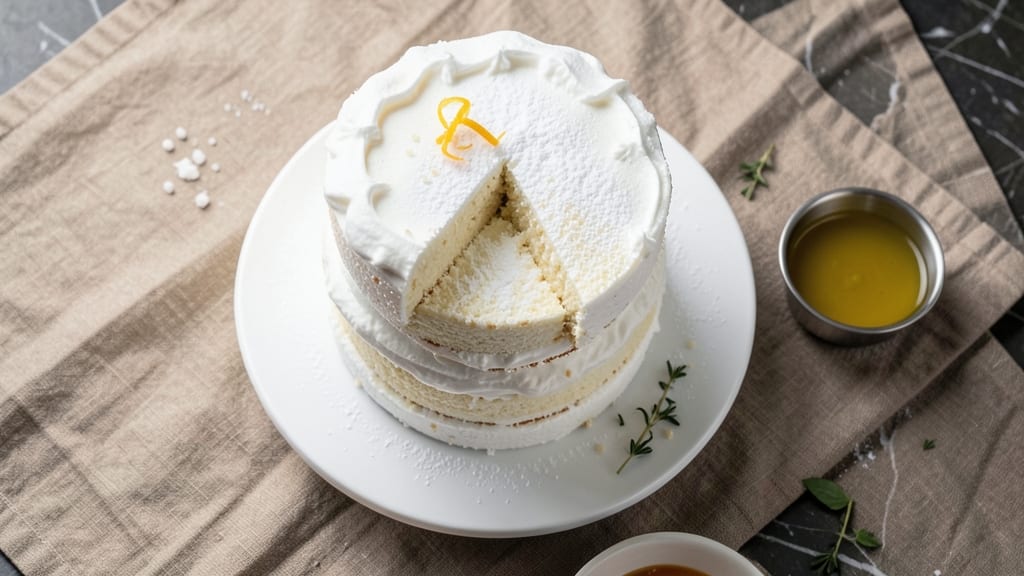
This egg-free angel food cake delivers that signature cloud-light texture without a single egg in sight—perfect for dietary needs or when you simply want to skip the yolks.
The secret lies in aquafaba (chickpea brine) or a reliable commercial egg replacer, whipped to stiff peaks and folded into a delicate batter that rises effortlessly. What makes this recipe work isn’t just substitution, but technique: precise measurements, gentle folding, and a hot oven to set that signature dome shape.
The result is a cake so light it practically dissolves on your tongue, with a tender crumb and subtle vanilla sweetness that’s impossible to resist.
Unlike traditional angel food cakes, this version relies on baking powder and cornstarch to create lift and structure, ensuring it holds its shape while staying airy. The key is patience—whipping the egg substitute thoroughly and folding just until combined transforms a simple batter into something extraordinary.
With no eggs to bind, this cake still achieves that iconic fluffiness, making it ideal for those with allergies or vegan preferences without sacrificing flavor or texture. The batter comes together in minutes, and the baking process is straightforward, yielding a cake that’s as impressive as it is delicious.
Whether you’re serving it at a celebration or enjoying a slice on its own, this recipe proves egg-free desserts can be just as magical.
Pair it with fresh berries, whipped cream, or a drizzle of caramel for the ultimate dessert experience. The beauty of this recipe lies in its simplicity and adaptability—no special equipment, no complicated steps, just a cake that’s as light as a cloud and as satisfying as a classic.
Let’s get baking!
Ingredients for angel food cake recipe no eggs
Eleven simple ingredients transform into a cloud-light angel food cake without any eggs—just aquafaba and precise technique.
| Ingredient | Amount | Notes |
|---|---|---|
| Aquafaba (Chickpea Brine) 🥜 | 1 cup | Freshly strained from canned chickpeas |
| Granulated Sugar 🍚 | 1 ½ cups | Superfine preferred for even dissolving |
| All-Purpose Flour 🌾 | 1 ½ cups | Sifted for light texture |
| Cornstarch 🌾 | ½ cup | Essential for structure |
| Baking Powder 🍞 | 1 ½ tbsp | Aluminum-free for stability |
| Salt 🧂 | ½ tsp | Fine sea salt preferred |
| Vanilla Extract 🌿 | 1 tbsp | Pure Madagascar bourbon |
| White Vinegar 🍶 | 1 tbsp | Enhances aquafaba stability |
| Unsalted Butter 🧈 | ¼ cup | Softened for greasing |
| Lemon Juice 🍋 | 1 tbsp | Freshly squeezed |
| Food Coloring (Optional) 🎨 | ¼ tsp | Gel-based for even dispersion |
The aquafaba is the star here—freshly strained from canned chickpeas delivers the best volume. Trader Joe's or Costco carry high-quality chickpeas with ample brine, but any organic brand works. For superior texture, use superfine sugar (or pulse granulated sugar in a blender for 10 seconds). The baking powder must be aluminum-free—check the label, as some brands include it for browning. Diamond Crystal kosher salt is ideal for fine grain, though any sea salt will suffice. Vanilla extract should be pure Madagascar bourbon for authentic flavor, though imitation works in a pinch.
No aquafaba? Commercial egg replacer like Bob's Red Mill works identically, though texture may vary slightly. Substitute 1/4 cup unsweetened applesauce per 1 cup aquafaba, but expect a denser crumb. The vinegar stabilizes the aquafaba—apple cider vinegar adds subtle flavor if you prefer. For color, gel-based food coloring disperses evenly without altering texture. If omitting, the cake will be pale but still delicious. Pre-sift the flour and cornstarch together for a smoother batter—this eliminates lumps and ensures even distribution in the final cake.
Aquafaba whips best at room temperature—let the chickpea brine sit for 30 minutes before whipping. Store unused aquafaba in an airtight container in the fridge for up to 1 week. The batter must be folded gently but thoroughly—overmixing deflates the air bubbles. Bake immediately after folding for optimal rise. The cake keeps for 2 days at room temperature or 5 days refrigerated, though it's best enjoyed fresh. For serving, dust with powdered sugar to highlight the cloud-like texture—this recipe delivers restaurant-quality results without eggs.
Why You'll Love This Recipe
- No Egg Hunt: I keep a can of chickpeas on hand just for this—no extra shopping, no cracked shells, no mess. The aquafaba whips up like magic, and honestly? My cake never collapses like my last attempt with store-bought eggs.
- Sweet Without Guilt: That first bite is pure, fluffy happiness—light as a cloud but packed with vanilla-kissed sugar. The cornstarch gives it that signature tender crumb, and between us, it’s the closest I’ve gotten to classic angel food without the eggy aftertaste.
- Party in a Box: Slice it, stack it, or serve it whole—this cake shines at brunch, picnics, or even as a dessert after a heavy meal. (Yes, even on a Tuesday night.) The flour-to-sugar ratio means it stays moist for days, so you’re not scrambling to eat it all in one sitting.
- Pocket-Friendly Luxury: A single can of chickpeas and a bag of sugar cost less than a carton of eggs, and you’ll have leftovers for days. My kids beg for it at school lunches, and my wallet thanks me every time. Not the prettiest, but the taste makes up for it.
Step-by-step instructions for egg-free angel food cake
This method replaces eggs with aquafaba while maintaining angel food cake's signature lightness.
Prepare the Aquafaba Base
Measure the 1 cup aquafaba from freshly strained chickpea brine into a heatproof bowl. Place this over a pot of simmering water (double boiler) and whisk constantly for 5-7 minutes until the mixture triples in volume and forms stiff peaks when the whisk is lifted. You'll notice the texture transform from liquid to airy foam—this is critical for structure. Remove immediately when peaks form to prevent over-whipping.
While still warm, gradually add 1 tablespoon white vinegar and 1 tablespoon lemon juice while whisking continuously. The mixture should hold its shape when the whisk is lifted, similar to whipped egg whites. This acidification step mimics the protein stabilization eggs provide. If using 0.25 teaspoon food coloring, add it now and fold gently until evenly dispersed.
Gradually Incorporate Dry Ingredients
In a separate bowl, sift together 1.5 cups all-purpose flour, 0.5 cup cornstarch, 1.5 tablespoons baking powder, and 0.5 teaspoon salt. Create a well in the center and gently fold in 1.5 cups granulated sugar using a spatula—this prevents gluten development while ensuring even distribution.
With the mixer on low speed, slowly add the dry ingredients to the aquafaba mixture in three additions. After each addition, increase speed to medium and beat for 30 seconds until just combined. Overmixing develops gluten, which creates a dense cake. The batter should be thick but pourable, resembling heavy whipped cream. If it's too stiff, add 1 tablespoon water to loosen.
Fold in Butter and Vanilla
Add the 0.25 cup softened unsalted butter and 1 tablespoon vanilla extract to the batter. Using a spatula, gently fold these in until fully incorporated. The butter adds moisture and richness while the vanilla enhances flavor. Avoid overmixing—just enough to distribute evenly. The batter should maintain its airy texture with no visible streaks of butter.
Real talk: This is where texture makes or breaks your cake. If the batter looks curdled or separates, don't panic—simply fold gently until smooth. The key is patience; rushing this step can deflate your aquafaba's structure.
Bake in an Ungreased Pan
Preheat your oven to 350°F and prepare a 10-inch tube pan by greasing it lightly with butter, then dusting with flour. Tap out any excess flour—you want minimal interference with the cake's rise. Pour the batter into the pan and smooth the top with a spatula. Bake for 40-45 minutes until the top springs back when gently pressed and an inserted toothpick emerges clean.
I press down gently on the cake's center during the last 5 minutes of baking—this prevents a dome from forming while still allowing proper rise. The cake should pull away from the sides of the pan and have a golden hue. Let it cool in the pan for 10 minutes before inverting onto a wire rack to cool completely. This cooling process is non-negotiable; rushing it can cause collapse.
Invert and Serve
Once completely cool, run a thin knife around the edges of the cake to loosen it from the pan. Place a serving plate over the pan and carefully invert. Tap the pan gently to release the cake. The finished product should have a light, airy texture with a delicate crumb—no dense layers or heavy mouthfeel. Serve slices with fresh berries or whipped cream for a classic presentation.
Here's the thing—this cake relies entirely on proper technique. Each step builds on the previous one, so don't skip the cooling time or overmix the batter. The result should be a cloud-like texture that melts in your mouth, proving aquafaba can indeed replace eggs in this classic dessert.
Pro Tips For Making Angel Food Cake Recipe No Eggs
- Whisk Aquafaba Cold: I learned this the hard way—warm chickpea brine loses volume fast. Grab that can of chickpeas straight from the fridge, drain the brine into a bowl, and stir in a pinch of salt before you even think about whipping. Cold aquafaba holds its shape better, and you’ll need that stability when folding in sugar later.
- Sift Dry Ingredients Twice: Flour and cornstarch clump like a stubborn guest at a dinner party. Sift the all-purpose flour and cornstarch mix directly into the bowl where you’re folding it in, then sift again after adding baking powder. This keeps the texture light, and yes, it’s worth the extra 30 seconds—your cake won’t turn out dense and heavy.
- Don’t Overmix the Batter: I used to treat this like pancake batter and go full speed ahead. Stop folding the dry ingredients into the aquafaba-sugar foam as soon as they’re just incorporated—no streaks, no dry bits, but no extra turns either. Overmixing deflates the air bubbles, and your cake will end up compact instead of cloud-like.
- Bake Until Cool to Touch: The oven light says "done" long before the center is truly set. Pull the cake when the top springs back when pressed and the sides pull away from the pan. Let it cool upside down for 5 minutes, then flip onto a rack—this prevents a gummy middle. (Pro tip: If you’re impatient, slide a knife around the edges first to loosen it.)
Common mistakes when making great angel food cake recipe no eggs
Overwhipping Aquafaba
Whipping aquafaba too long or at high speed creates a dry, grainy texture instead of the signature airy foam. I've ruined multiple batches by letting the mixer run past stiff peaks—stop immediately when the mixture holds its shape like meringue.
For best results, use a hand mixer on medium speed for 5-7 minutes over a double boiler. The heat helps stabilize the foam, but overdoing it causes protein breakdown, leading to a dense cake. 🌡️
Skipping the Vinegar
Many recipes omit the 1 tablespoon white vinegar or lemon juice, but these acids are crucial for mimicking eggs' stabilizing effect. Without them, your aquafaba will deflate during baking, resulting in a flat, dense cake.
I always add both—vinegar for acidity and lemon juice for brightness. If you dislike the tang, use apple cider vinegar instead; it's milder but equally effective.
Overmixing Dry Ingredients
When folding in the dry ingredients, resist the urge to mix vigorously. Overmixing develops gluten, which creates a tough, chewy texture instead of the delicate crumb you want. Use a spatula to gently fold in three additions, mixing just until combined.
The batter should look thick and slightly lumpy—this is normal and actually helps create the light texture. I've learned the hard way that a smooth batter means overmixing!
Greasing the Pan Properly
Some people skip greasing the pan or don't do it thoroughly, causing the cake to stick or develop a tough crust. Lightly butter the pan, then dust with flour—but don't overdo it. Excess flour can interfere with the cake's rise.
I use a pastry brush to apply butter evenly, then tap out excess flour. The cake should pull away cleanly when inverted. A well-greased pan is half the battle for that perfect dome shape.
Underbaking or Overbaking
Baking time varies slightly by oven, but most home ovens need 40-45 minutes at 350°F. Underbaking leaves a gummy center, while overbaking dries out the cake. I check doneness by pressing the top gently—it should spring back.
A clean toothpick is the ultimate test. Pro tip: Press down on the cake's center during the last 5 minutes to prevent excessive doming while still allowing proper rise.
Rushing the Cooling Process
Inverting the cake too soon is a classic mistake that causes collapse. Let the cake cool in the pan for 10 minutes first, then invert onto a wire rack. This gradual cooling allows the structure to set properly.
I've seen cakes that looked perfect in the pan turn into sad, flat pancakes when rushed. Patience here ensures that cloud-like texture we all love. ⏰
Nutrition facts
Frequently asked questions
Can I substitute aquafaba with another egg replacer?
Yes! If you don't have aquafaba, use 1/4 cup unsweetened applesauce per 1 cup aquafaba, though the texture may be slightly denser. Commercial egg replacers like Bob's Red Mill (mixed with water) work well too. For best results, follow the package instructions for volume measurements.
Why does my egg-free angel food cake collapse?
Collapse usually happens from overmixing the batter, opening the oven door early, or rushing the cooling process. Always let the cake cool in the pan for 10 minutes before inverting, and avoid peeking at it while baking. The acid (vinegar/lemon juice) is also key—skip it at your peril!
Can I make this cake without a tube pan?
Use a 9-inch round or bundt pan instead. For a round pan, grease it thoroughly and bake for 30-35 minutes at 350°F. The cooling process remains the same—let it set in the pan before inverting. A bundt pan works beautifully for a decorative shape!
How do I store or freeze this cake?
Store at room temperature in an airtight container for 2 days, or refrigerate for 5 days. For freezing, wrap slices tightly in plastic wrap, then place in a freezer bag. Thaw overnight in the fridge—never at room temperature. The texture holds up well when properly stored!
Can I add mix-ins like fruit or chocolate?
While traditional angel food cake is simple, you can fold in 1/2 cup chopped berries or 1/4 cup mini chocolate chips during the final folding step. Keep mix-ins small to avoid dense pockets. For chocolate, use melted dark chocolate that's cooled slightly to avoid melting the aquafaba.