
Desserts
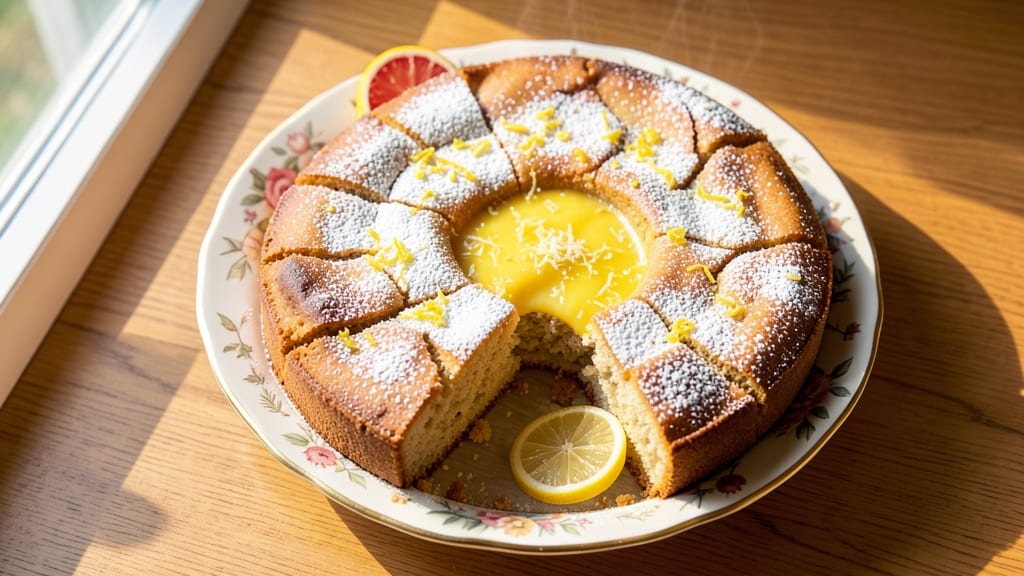
This Amish lemon cake recipe delivers the perfect balance of bright citrus and buttery richness, a tradition passed down through generations. The secret lies in a simple batter with just a few quality ingredients—no artificial flavors or shortcuts.
What makes it special is the tender, moist crumb and that signature buttery crust that gives every slice a homey touch.
Traditional Amish baking focuses on simplicity and flavor, and this recipe stays true to those principles. The cake layers are light yet sturdy enough to hold the lemon glaze, which adds a glossy finish and extra zesty punch.
No fancy equipment is needed—just a standard cake pan and a little patience for the layers to set.
The result is a cake that’s bright, buttery, and impossibly tender—each bite bursting with lemon flavor while the crust adds a satisfying crunch. Perfect for Sunday gatherings, potlucks, or as a special treat, this recipe brings a taste of Amish homestyle baking to your kitchen.
Once baked, the cake’s layers are stacked with a simple lemon glaze that ties everything together. The frosting isn’t just decorative—it enhances the lemon flavor, making every slice taste like a slice of nostalgia. Ready in under an hour, this cake is foolproof and guaranteed to impress.
Ingredients for amish lemon cake
Quality flour, bright lemon juice, and cold butter create this classic Amish lemon cake's signature tender crumb.
| Ingredient | Amount | Notes |
|---|---|---|
| All-Purpose Flour 🌾 | 2 ½ cups | Sifted for even texture |
| Granulated Sugar 🍚 | 1 ½ cups | White or light brown |
| Unsalted Butter 🧈 | 1 cup | Cold, cubed for creaming |
| Fresh Lemon Juice 🍋 | ¾ cup | From 3-4 large lemons |
| Large Eggs 🥚 | 3 whole | Room temperature |
| Baking Powder 🧂 | 2 tsp | Diamond Crystal preferred |
| Salt 🧂 | ½ tsp | Fine sea salt |
| Zest of 2 Large Lemons 🍋 | 2 tbsp | Fine, bright yellow |
| Powdered Sugar 🍚 | 1 ½ cups | For lemon glaze |
| Heavy Cream 🥛 | ¼ cup | For glaze consistency |
| Vanilla Extract 🌿 | 1 tsp | Pure vanilla preferred |
| Crushed Lemon Zest 🍋 | 1 tbsp | For crust decoration |
| Shortening 🧈 | ¼ cup | For buttery crust |
The flour matters here—King Arthur or Gold Medal brands yield the best texture. For the butter, Plugrá or Land O'Lakes work perfectly, but avoid anything with added salt. The lemons should be bright yellow and firm—avoid those with soft spots. If you can't find fresh lemons, ReaLemon juice concentrate works in a pinch, but fresh is non-negotiable for that authentic Amish flavor. The baking powder is crucial too—Diamond Crystal measures differently than other brands, so don't substitute without adjusting.
No fresh lemons? Lemon extract at half the amount gets you close, though the flavor won't be quite the same. Running short on powdered sugar for the glaze? Granulated sugar blended into a fine powder works, but it won't be as glossy. The vanilla extract can be swapped for vanilla bean paste if you want extra depth. For the crust, if you don't have shortening, extra butter works, but the texture will be slightly different. The eggs should be at room temperature—this ensures even baking and a tender crumb.
Store the cake layers in an airtight container between parchment paper for up to 3 days at room temperature. The glaze can be made a day ahead and stored in the fridge—just give it a quick whisk before using. For the crust, make it up to 2 days ahead and refrigerate. Once assembled, the cake keeps for 5 days if wrapped tightly. Freezing isn't recommended as it can affect the texture, but you can freeze the layers separately for up to 1 month.
Why You'll Love This Recipe
- Here’s what sold me: it uses pantry staples (flour, sugar, butter) and a few eggs, but tastes like you spent hours baking. The leftovers? They last days, and I’ve reheated slices in the microwave without losing a bit of that lemony punch. Plus, the butter’s richness makes it feel indulgent—even though it’s cheaper than boxed cake mixes.
- No-Fuss Mixing: I swear by this recipe because it’s the kind of cake that forgives mistakes. Cream butter and sugar until light—no stand mixer required—then fold in eggs and flour. The lemon juice brightens everything in seconds, and honestly? Even if you overmix, it still turns out moist and tender. My first attempt had lumps, but the taste won me over.
- Zesty Brightness: That fresh lemon juice isn’t just an afterthought—it’s the star. The cake has this perfect balance: sweet from the sugar, rich from the butter, but the citrus cuts through it like a cool breeze. (Yes, even on a Tuesday night.) I’ll be real: I’ve made vanilla cakes before, but this one? It’s the kind people actually fight over seconds for.
- Weekend or Weeknight: This cake is my go-to for brunch, potlucks, or when I need a dessert that doesn’t scream “holiday special.” The batter’s simple enough for a weekday, but it feels fancy enough to bring to a church gathering. Between us, I’ve served it at 9 AM with coffee and at 9 PM with ice cream—no judgment.
Step-by-step instructions for Amish lemon cake
Here's how to craft this classic recipe with tender layers and a buttery crust that's pure comfort.
Prepare the Crust and Lemon Cake Layers
Preheat your oven to 350°F. In a medium bowl, combine the 2.5 cups All-Purpose Flour, 1.5 cups Granulated Sugar, 0.5 tsp Salt, and 2 tsp Baking Powder. Cut in the 1 cup Unsalted Butter and 0.25 cup Shortening using a pastry cutter or fork until the mixture resembles coarse crumbs.
Press half of this mixture firmly into the bottom of a 9-inch springform pan to form the crust. Bake for 10-12 minutes until lightly golden. Meanwhile, beat the 3 whole Large Eggs until frothy, then whisk in the 0.75 cup Fresh Lemon Juice, 2 tbsp Zest of 2 Large Lemons, and 1 tsp Vanilla Extract. In a separate bowl, gently fold the remaining flour mixture into the egg mixture until just combined.
Bake the Lemon Layers
Pour half of the lemon batter over the pre-baked crust. Bake for 20-25 minutes or until the top is golden and a toothpick inserted comes out clean. Remove from oven and spread the remaining batter evenly over the first layer. Bake for another 20-25 minutes until set and golden. Let the cake cool completely in the pan before removing.
This cooling step is crucial—rushing it risks a crumbly texture. I like to let it cool on a wire rack for at least 1 hour before proceeding. The cake should be completely cool to the touch before adding the glaze.
Prepare the Lemon Glaze
In a medium bowl, whisk together the 1.5 cups Powdered Sugar, 0.25 cup Heavy Cream, and remaining 1 tbsp Crushed Lemon Zest until smooth. The glaze should be thick but pourable—if it's too thick, add 1-2 teaspoons of additional lemon juice. If it's too thin, add 1-2 tablespoons more powdered sugar.
This glaze is what transforms a good cake into a showstopper. The balance between sweetness and tang is what makes this cake truly special. Taste as you go—you want the sweetness to complement, not overpower, the lemon flavor.
Assemble and Decorate
Once the cake is completely cool, carefully spread the lemon glaze evenly over the top. Use a spatula to create a smooth, even layer. While the glaze is still wet, sprinkle the remaining 1 tbsp Crushed Lemon Zest over the top for decoration and extra lemon flavor. Let the glaze set for at least 30 minutes before slicing.
For the best presentation, I recommend serving this cake at room temperature. The flavors develop and meld beautifully over time. Each slice should reveal tender layers with a moist, citrusy crumb and that signature buttery crust.
Serve and Store
Slice the cake into 8 equal wedges using a sharp serrated knife. For clean cuts, dip the knife in hot water and wipe dry between slices. Serve immediately or store covered at room temperature for up to 3 days. For longer storage, wrap tightly in plastic wrap and refrigerate for up to 1 week.
This cake tastes best at room temperature, so let it sit for 15-20 minutes before serving if it's been refrigerated. The combination of the tender lemon layers and the buttery crust makes every bite a perfect balance of sweet and tangy flavors.
Pro Tips For Making Amish Lemon Cake
- USE COLD BUTTER: I learned this the hard way—mixing softened butter with flour creates a dense, greasy cake. Pull the butter straight from the fridge, cut it into chunks, and let it sit at room temperature for no more than 30 minutes before creaming. You want it soft enough to mix smoothly but still cool enough to hold structure.
- STRAIN YOUR LEMON JUICE: Fresh lemon juice has pulp, and that pulp makes your cake gummy. After squeezing your lemons, strain the juice through a fine-mesh sieve or cheesecloth into a measuring cup. This isn’t just about clarity—it’s about texture. (Yes, even if you’re impatient like me.)
- DON’T OVERMIX THE BATTER: The moment your flour and butter mixture turns from crumbly to sticky, stop. Overmixing develops gluten, which means a tough cake instead of a tender one. Use a spatula to gently fold in the dry ingredients until just combined—no streaks, but no extra work either.
- BAKE UNTIL THE CENTER SPRINGS BACK: The cake’s done when a toothpick comes out clean and the center bounces back when pressed lightly. I used to pull mine too soon, leaving a gummy middle. If the top browns too fast, tent loosely with foil halfway through—this keeps the texture light while ensuring it’s fully cooked through.
Pro cooking tips for amish lemon cake
Butter Creaming Mastery
For that signature Amish texture, cream the butter and sugar until light and fluffy—about 5-7 minutes on medium speed. I use a stand mixer with the paddle attachment for even blending.
The goal is to incorporate air, which creates that tender crumb. If your butter is too soft, chill the bowl for 10 minutes before continuing. 🌟
Lemon Juice Precision
Fresh lemon juice makes all the difference—3-4 large lemons should yield ¾ cup. Roll the lemons on the counter before juicing to soften them slightly. If you must use bottled juice, ReaLemon is the closest substitute.
Never skip the zest—2 tablespoons of fine zest adds bright citrus flavor that bottled juice can't replicate.
Baking Powder Matters
Use Diamond Crystal baking powder—it's lighter than other brands. Measure it by weight (2 teaspoons = 8 grams) for accuracy. If substituting, use 1 teaspoon baking soda + 1 teaspoon cream of tartar instead of 2 teaspoons.
Overmixing the batter after adding flour can make the cake dense, so fold just until combined.
Layer Cooling Technique
Let the cake cool completely in the pan before removing. I've learned the hard way—rushing this step causes layers to crack. For even cooling, place the pan on a wire rack and fan the top with a piece of cardboard.
The cake should be room temperature before adding glaze to prevent melting.
Glaze Consistency Tips
Your glaze should coat the back of a spoon but still drip slightly. If too thick, add 1 teaspoon lemon juice at a time. For extra shine, brush the cake with 1 tablespoon warm water before applying glaze.
The heavy cream in the glaze adds richness that powdered sugar alone can't match. 💛
Crust Decoration Hack
For a professional look, press the crushed lemon zest into the glaze using the back of a spoon. This creates a patterned design that's both decorative and flavorful.
If you don't have a microplane, use a fine grater for zest, but remove any white pith which can make the cake bitter.
Nutrition facts
Frequently asked questions
Why does this recipe use shortening in the crust?
The shortening creates a flakier, more buttery crust that stays crisp even after baking. Traditional Amish baking often includes shortening for its neutral flavor and ability to hold up better than butter alone. For a lighter crust, you could substitute with extra butter, but the texture will be slightly softer.
Can I make this cake in a bundt pan instead of a springform?
Yes, but the texture will differ slightly. A bundt pan creates a single layer with intricate ridges, while the springform gives classic two-layer cake structure. For best results, reduce baking time by 5-10 minutes and check for doneness at 15 minutes. The glaze will still work beautifully on the bundt shape!
What if my cake turns out too dense?
Overmixing the batter or underbaking are common culprits. Always fold dry ingredients just until combined—don't overbeat after adding flour. For next time, ensure your oven is properly calibrated (use an oven thermometer) and bake until a toothpick comes out clean. A 165°F internal temperature is ideal for perfect doneness.
How can I make this gluten-free?
Replace the all-purpose flour with a 1:1 gluten-free baking flour blend (like Bob's Red Mill). You'll need to add ½ teaspoon xanthan gum and reduce the leavening to 1.5 teaspoons baking powder. The texture will be slightly denser, but still delicious. Test your blend first in small batches to adjust liquid ratios.
Can I use this recipe for a lemon curd filling?
The same lemon juice and zest measurements work perfectly for a homemade lemon curd. Cook 2 egg yolks + ¼ cup sugar + ½ cup butter + ½ cup lemon juice + 1 tbsp zest over low heat until thickened. Let cool, then spread between layers instead of the glaze. For extra richness, add 1 tbsp heavy cream to the curd mixture.