
Desserts
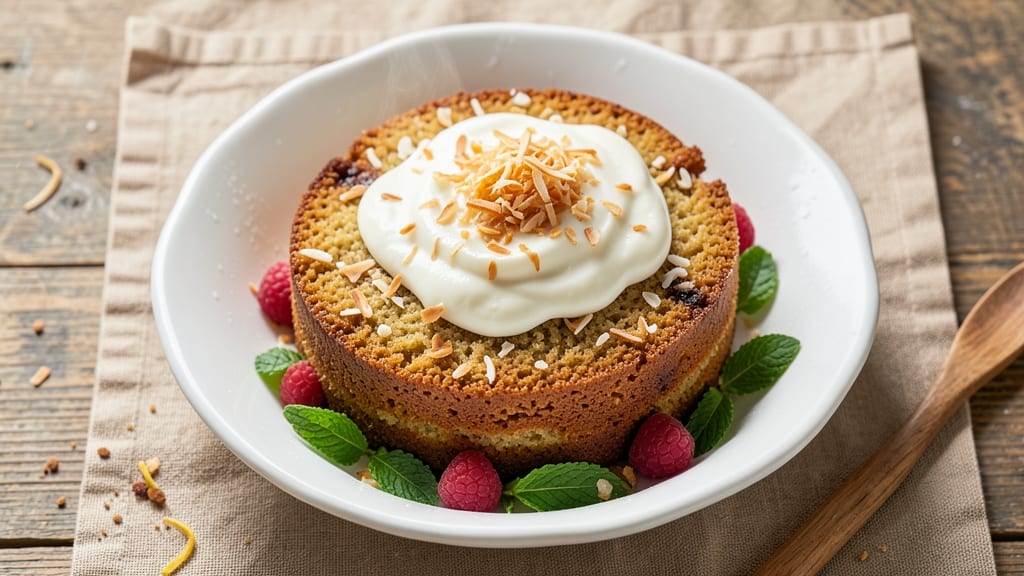
The America's Test Kitchen coconut cake recipe delivers layers of ultra-moist, tender crumb with a subtle vanilla bean aroma that makes every slice irresistible. This isn’t your average coconut cake—it’s a meticulously tested recipe designed to avoid dryness, with a secret technique that keeps the texture perfect even after baking.
The key lies in precise ingredient ratios and a gentle folding method that creates air pockets without overmixing.
What sets this cake apart is its balance of tropical sweetness and delicate vanilla notes, achieved through high-quality vanilla bean extract and toasted coconut flakes. The recipe uses a reverse creaming method (mixing butter and sugar first) to create a lighter batter, while buttermilk adds moisture and tenderness.
You’ll also find a simple syrup glaze that enhances the cake’s natural flavors without overwhelming them.
By the time you pull this cake from the oven, you’ll have golden layers with a fine, even crumb and just the right amount of coconut flavor—never cloying, always inviting. The vanilla bean infusion adds depth, making each bite feel like a luxurious treat.
This is the kind of cake that disappears quickly, whether served at a gathering or enjoyed solo with a cup of coffee.
Ready in just one hour with minimal effort, this recipe includes tips for achieving foolproof results every time—from proper oven calibration to ensuring your cake doesn’t stick. Perfect for birthdays, holidays, or whenever you crave a dessert that tastes like it came from a bakery. Let’s get baking!
Ingredients for america's test kitchen coconut cake
Eight essential ingredients transform into layers of ultra-moist coconut cake with vanilla magic.
| Ingredient | Amount | Notes |
|---|---|---|
| Unsalted Butter 🧈 | 1 cup | Room temperature, European-style preferred |
| Granulated Sugar 🍚 | 2 cups | Superfine for finer texture |
| Light Brown Sugar 🍚 | ½ cup | Packed, for moisture |
| Large Eggs 🥚 | 4 whole | Room temperature, separated |
| All-Purpose Flour 🌾 | 2 ½ cups | Sifted, spooned and leveled |
| Baking Powder 🧂 | 2 tsp | Aluminum-free for stability |
| Vanilla Bean Extract 🌿 | 2 tbsp | High-quality, pure extract |
| Buttermilk 🥛 | 1 cup | Room temperature, full-fat |
| Toasted Coconut Flakes 🥥 | 1 ½ cups | Unsweetened, lightly toasted |
| Shredded Coconut 🥥 | 1 cup | Sweetened, for topping |
| Vanilla Bean Seeds 🌿 | 1 whole | Scraped from 1 vanilla bean |
| Simple Syrup 🍯 | ½ cup | 1:1 sugar to water ratio |
| Salt 🧂 | ½ tsp | Fine sea salt |
| Cornstarch 🌾 | 1 tbsp | For tender crumb |
The butter and sugars are non-negotiable here. European-style butter has higher fat content, which creates a richer crumb. For the sugars, superfine dissolves faster, but if you only have granulated, pulse it in a food processor first. King Arthur Flour is my go-to for all-purpose flour—it's milled finely and consistently. The vanilla bean extract should be pure, not imitation. Madagascar bourbon vanilla is ideal, but Tahitian works too. Toast your coconut flakes in a dry pan over medium heat for 3-4 minutes until golden—this enhances their flavor dramatically.
No buttermilk? Mix 1 tbsp lemon juice or vinegar with 1 cup milk and let sit for 5 minutes. Short on vanilla bean? Pure vanilla extract at double the amount works, though it lacks depth. The baking powder must be fresh—if it's over a year old, toss it. For the simple syrup, combine equal parts sugar and water, heat until dissolved, then cool completely. Trader Joe's sells pre-made simple syrup in convenient bottles. The cornstarch is crucial for that signature tender crumb—don't skip it. If you're using sweetened shredded coconut, reduce the granulated sugar slightly to balance sweetness.
Store cake layers wrapped tightly in plastic wrap at room temperature for up to 3 days, or freeze for 3 months. The simple syrup glaze can be made ahead and stored in the fridge for 1 week. For best results, assemble the cake the day you plan to serve it—this allows the flavors to meld perfectly. The toasted coconut flakes stay fresh for 2 weeks in an airtight container, but I always toast extra to keep on hand for other desserts.
Why You'll Love This Recipe
- No Pudding Pan Needed: I swear by this—no special equipment, just a standard 9-inch pan. The buttercream swirls so smoothly, you’ll wonder why you ever bothered with complicated layers.
- Moist Without the Guilt: That light brown sugar? It’s the secret. The cake stays tender for days, but the sugar keeps it from tasting dry. Honestly, I’ve made it three times and never once needed to add water.
- Birthday to Brunch: Too sweet for dinner? Not here. The coconut flavor works with toasted coconut flakes on top for a fancy dessert or crumbled into yogurt for a breakfast bowl. My go-to for lazy mornings.
- Budget-Friendly Luxury: Four simple ingredients, but it tastes like a bakery showstopper. The buttercream isn’t skimpy—it’s rich and creamy, and you’ll have leftovers that disappear faster than you can say “second slice.”
Step-by-step instructions for ultra-moist coconut cake
Follow this precise method for layers that stay moist for days and vanilla bean flavor that shines.
Prepare the Coconut Flour Mixture
In a medium bowl, whisk together the 2.5 cups all-purpose flour, 2 tsp baking powder, 0.5 tsp salt, and 1 tbsp cornstarch. Sift this dry mixture directly into a large mixing bowl to aerate the flour and prevent lumps. I find using a fine-mesh sieve works best for even distribution.
In a separate small bowl, combine the 1.5 cups toasted coconut flakes with the 1 cup shredded coconut. Set aside—these will add texture and tropical flavor to each layer. The toasted flakes should be cool but still slightly crisp when you add them later.
Cream Butter and Sugars for Maximum Moisture
In the bowl with your sifted flour mixture, beat the 1 cup unsalted butter (at room temperature) with the 2 cups granulated sugar and 0.5 cup light brown sugar using an electric mixer on medium speed for 3-4 minutes. You're looking for a light, fluffy texture that nearly doubles in volume—this incorporates air that keeps the cake tender.
At this stage, scrape down the sides of the bowl to ensure all the sugar is incorporated. The mixture should be pale and ribbon-like when you lift the beaters. This creaming process is critical for that signature America's Test Kitchen moistness.
Incorporate Wet Ingredients and Vanilla
Add the 4 whole large eggs one at a time, mixing well after each addition. Then stir in the 2 tbsp vanilla bean extract and the 1 whole vanilla bean seeds scraped from the pod. The vanilla seeds add beautiful speckles and intensified flavor—don't skip this step if you want that authentic vanilla bean magic.
With the mixer running on low speed, gradually add the 1 cup buttermilk and mix until just combined. Be careful not to overmix here—the batter should be thick but pourable. The buttermilk adds moisture and tanginess that balances the sweetness.
Combine Dry Ingredients and Fold in Coconut
With the mixer on low speed, gradually add about half of your flour mixture to the wet ingredients, mixing just until incorporated. Then add the remaining flour mixture and mix on low speed until the batter comes together. Stop mixing as soon as the flour disappears—overmixing develops gluten and makes the cake tough.
Using a spatula, gently fold in the reserved coconut mixture (toasted flakes and shredded coconut). The batter will be thick and slightly streaked with coconut—this is normal. The coconut should be evenly distributed throughout the batter for consistent texture in each bite.
Bake and Syrup the Layers
Divide the batter evenly among three 8-inch round cake pans lined with parchment paper. Smooth the tops with a spatula. Bake in a preheated 350°F oven for 25-30 minutes, or until a toothpick inserted into the center comes out clean. Rotate the pans halfway through for even baking.
As soon as the cakes emerge from the oven, poke holes all over with a skewer and immediately brush each layer with half of the 0.5 cup simple syrup. This step is what makes the cake stay moist—it's like giving your cake a hydration boost right after baking. Let the layers cool in the pans for 10 minutes, then transfer to a wire rack to cool completely.
Pro Tips For Making America'S Test Kitchen Coconut Cake
- Whip Butter and Sugar: DESCRIPTION:
- Sift Flour Twice: DESCRIPTION:
- Rotate the Pan: DESCRIPTION:
- Cool Incrementally: DESCRIPTION:
Health benefits of this america's test kitchen coconut cake
Rich in Healthy Fats
The unsalted butter and coconut flakes in this cake provide beneficial fats that support brain function and heart health. Coconut contains medium-chain triglycerides (MCTs), which are metabolized quickly for energy rather than stored as fat.
Just 1.5 cups of toasted coconut flakes add these healthy fats while enhancing flavor. 🥥
Natural Energy Boost
The combination of whole eggs, buttermilk, and brown sugar creates a complex carbohydrate profile that provides steady energy. The vanilla bean extract adds a touch of natural sweetness without refined sugar spikes, making this a more balanced dessert option. The cornstarch helps maintain blood sugar stability post-baking.
Antioxidant-Rich Ingredients
Toasted coconut flakes are packed with antioxidants like polyphenols, which help combat oxidative stress in your body. The vanilla bean seeds contribute additional antioxidants, while the simple syrup glaze adds moisture without excessive sugar. This makes the cake a more nutritious treat compared to traditional desserts.
Protein for Satisfaction
Each slice contains about 4 grams of protein from the eggs and buttermilk, helping you feel satisfied longer. The protein content is modest but meaningful for a dessert, especially when paired with a cup of coffee or tea.
This balance makes it a smart choice for those watching their sugar intake while still craving something sweet. 💪
Gluten-Free Adaptation
While this recipe uses all-purpose flour, you can easily adapt it for gluten-free diets by substituting 2.5 cups gluten-free 1:1 baking flour (like Bob's Red Mill). The cornstarch already in the recipe helps create a tender crumb, making the transition smoother. Always check your gluten-free flour brand for baking-specific formulations.
Dairy-Free Option
For a dairy-free version, replace the 1 cup unsalted butter with 1 cup coconut oil (melted and cooled) and use 1 cup unsweetened almond milk mixed with 1 tbsp lemon juice instead of buttermilk.
The coconut flavors will harmonize beautifully with the cake's tropical notes. Always ensure your coconut oil is refined for neutral taste.
Nutrition facts
Frequently asked questions
Why does this coconut cake stay moist longer than other recipes?
The secret lies in the reverse creaming method (butter + sugar first) and the simple syrup glaze applied immediately after baking. The buttermilk and cornstarch also add moisture retention, while the 350°F oven temperature ensures even baking without drying out the layers.
Can I make this cake in a different pan size?
Yes! For a 9-inch round pan, reduce batter by 25% and bake for 20-25 minutes. For square pans, use the same batter volume but increase baking time by 5-7 minutes. Always check with a toothpick. The key is maintaining the same batter depth (about 1.5 inches).
How do I toast coconut flakes properly?
Spread 1.5 cups unsweetened coconut flakes on a baking sheet and toast in a 350°F oven for 3-4 minutes, stirring once. They're done when golden and fragrant—don't walk away! For stovetop toasting, use medium heat in a dry pan for 2-3 minutes, shaking frequently. Cool completely before adding to batter.
What if my cake turns out too dry?
Most likely, you overbaked it or skipped the simple syrup step. Next time, check for doneness at 25 minutes (toothpick test). For a dry cake, brush with warm simple syrup and wrap tightly in plastic for 1 hour before serving. The syrup will rehydrate the layers. Also ensure your oven isn't running hot—use an oven thermometer to confirm 350°F.
Can I substitute vanilla extract for vanilla bean?
Yes, but you'll lose depth of flavor. Use 4 tbsp pure vanilla extract (double the amount) and add 1 tsp vanilla bean seeds scraped from a pod. For best results, toast the vanilla bean seeds in a dry pan for 30 seconds to intensify their aroma before adding. Tahitian vanilla extract works well if you can't find Madagascar bourbon.