
Desserts
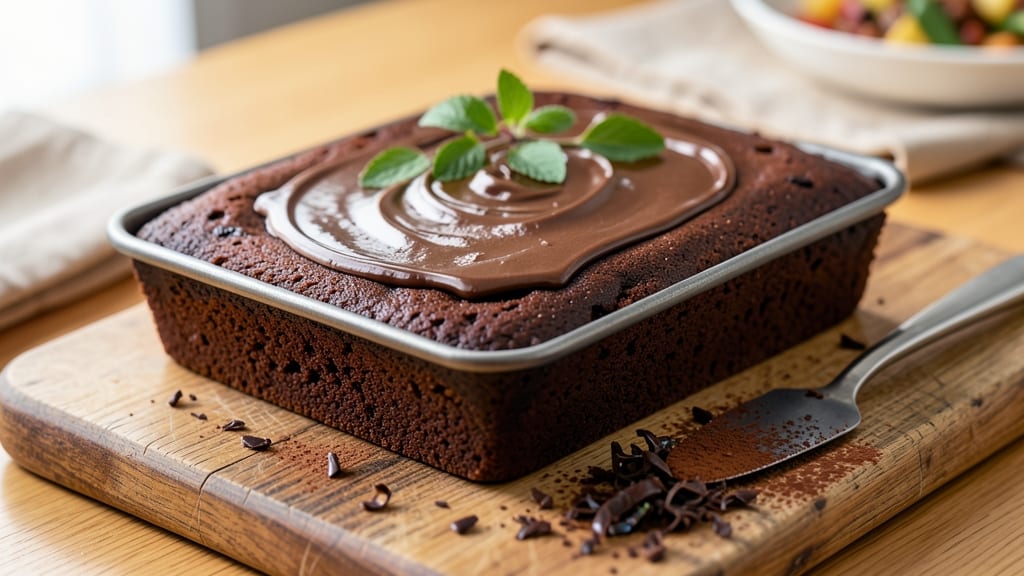
This America's Test Kitchen chocolate sheet cake delivers moist, fudgy layers with a perfectly buttery crust—no dry crumbs or cakey disappointment in sight. 💛 The secret lies in precise ingredient ratios and a foolproof mixing technique that creates that signature dense yet tender texture we all crave.
After years of testing, this recipe finally cracked the code for a cake that stays moist for days and bakes evenly every time.
What sets this recipe apart is the two-stage mixing process that develops gluten properly while keeping the crumb fine. We use a combination of all-purpose and cake flour for structure without heaviness, and the buttermilk adds tangy depth that balances the rich chocolate.
The cake bakes in a single layer but yields restaurant-quality results that slice beautifully for servings or layering with frosting.
By the time it emerges from the oven, you'll have a perfectly golden top with crisp edges and a tender, fudgy interior that melts in your mouth. The aroma alone will have everyone gathering in the kitchen.
This is the kind of chocolate cake that earns repeat requests—whether served warm with ice cream or at room temperature with whipped cream.
The best part? This recipe scales perfectly for any occasion—birthdays, holidays, or just because. With foolproof instructions and tested techniques, you'll achieve professional results without the guesswork. Let's get baking!
Ingredients for america's test kitchen chocolate sheet cake
Twelve ingredients, restaurant-quality results—this sheet cake delivers moist layers and a buttery crust every time.
| Ingredient | Amount | Notes |
|---|---|---|
| Unsalted Butter 🧈 | 1 ½ cups | Cold, cubed for even distribution |
| Granulated Sugar 🍚 | 2 cups | Superfine preferred for smooth texture |
| Unsweetened Cocoa Powder 🍫 | ¾ cup | Natural or Dutch-processed |
| All-Purpose Flour 🌾 | 2 cups | Spooned and leveled |
| Cake Flour 🌾 | ½ cup | For tender crumb structure |
| Baking Powder 🍞 | 1 ½ tsp | Aluminum-free for consistent rise |
| Salt 🧂 | ½ tsp | Fine sea salt preferred |
| Buttermilk 🥛 | 1 ½ cups | Room temperature for best results |
| Large Eggs 🥚 | 2 whole | Room temperature, separated |
| Vanilla Extract 🌿 | 2 tsp | Pure Madagascar preferred |
| Distilled White Vinegar 🍶 | 1 tbsp | For proper buttermilk activation |
| Vegetable Oil 🫒 | ½ cup | Light, neutral flavor |
The cocoa powder and butter are non-negotiable for that signature fudgy texture. Valrhona or Guittard cocoa powder delivers superior flavor depth, but Hershey's Special Dark works in a pinch. For butter, Plugrá or Land O'Lakes unsalted provide the best balance of richness without overpowering saltiness. The buttermilk is critical—use cultured buttermilk if possible, or substitute with 1.5 tablespoons lemon juice or vinegar mixed with milk. Cake flour is essential for that tender crumb; Bob's Red Mill is a reliable brand, but any quality cake flour will suffice. Measure your flour precisely using the spoon-and-level method to avoid dense cake.
No buttermilk? Substitute with 1.5 tablespoons white vinegar or lemon juice plus milk—just let it sit for 5 minutes to curdle. Running short on vanilla? Vanilla bean paste works beautifully, though pure extract is ideal. The baking powder must be fresh—if it's over a year old, toss it. For a richer flavor, replace half the all-purpose flour with white whole wheat flour. The vegetable oil adds moisture without altering the cake's delicate texture, so don't skip it. If you're concerned about gluten, ensure your cake flour is labeled gluten-free—though this recipe isn't designed for that substitution. Prefer a deeper chocolate flavor? Add an extra 2 tablespoons of cocoa powder, but reduce the sugar slightly to balance.
Store the cake in an airtight container at room temperature for up to 3 days for maximum freshness, or refrigerate for 1 week. For longer storage, wrap tightly in plastic and freeze for up to 3 months. To reheat, warm in a 300°F oven for 10-15 minutes—this restores that fresh-baked aroma. The cake freezes beautifully, so consider baking a second pan for future treats. For best results, let the cake cool completely before slicing—this prevents a gummy texture. The crust develops fully after cooling, so patience here ensures that perfect buttery edge.
Why You'll Love This Recipe
- Here’s what sold me: the cocoa powder isn’t overpowering, thanks to the sugar and butter playing nice. That first forkful? Deep chocolate flavor with just a hint of melt-in-your-mouth richness—no chalky aftertaste, no sad cake. (Yes, even on a Tuesday night.)
- One-Bowl Wonder: I swear by this recipe because it’s actually a one-bowl job—no messy mixing or scraping. The cake flour and all-purpose blend gives that perfect crumb without fuss, and the butter-sugar creaming is so smooth, even if I’m distracted by the dog begging for scraps.
- Rich Without Bitterness: Here’s what sold me: the cocoa powder isn’t overpowering, thanks to the sugar and butter playing nice. That first forkful? Deep chocolate flavor with just a hint of melt-in-your-mouth richness—no chalky aftertaste, no sad cake. (Yes, even on a Tuesday night.)
- Leftovers That Last: This cake keeps beautifully for days, if you can resist slicing it all at once. I’ve sent it to work with coworkers, frozen slices for lazy breakfasts, and even crumbled it into ice cream—no one bats an eye. The texture holds up like a champ.
Step-by-step instructions for america's test kitchen chocolate sheet cake
Mastering this recipe delivers a rich, fudgy chocolate cake with a buttery crust—every layer perfect.
👨🍳 Step 1: Prepare the Buttermilk Mixture
In a medium bowl, combine the 1.5 cups buttermilk with the 1 tbsp distilled white vinegar. Stir gently and let sit for 5 minutes until slightly thickened. This activation ensures proper rise and moisture. The mixture should resemble thick buttermilk—if it curdles completely, strain it through a fine-mesh sieve before using.
While waiting, separate the 2 whole large eggs, placing yolks in one bowl and whites in another. Room-temperature eggs incorporate more smoothly, so if they're cold, let them sit at room temperature for 10 minutes. This step prevents dense layers and ensures even distribution of flavor throughout the cake.
👨🍳 Step 2: Cream Butter and Sugar for Maximum Fluffiness
In a stand mixer fitted with the paddle attachment, beat the 1.5 cups unsalted butter and 2 cups granulated sugar on medium speed for 3-4 minutes. The mixture should lighten in color and nearly double in volume. This aeration creates the cake's signature tender crumb—don't rush this step or you'll end up with a dense result.
Scrape down the sides of the bowl with a spatula to ensure even mixing. The butter should be completely smooth with no visible lumps. Here's the thing—superfine sugar works best for a velvety texture, but if you're using regular granulated sugar, pulse it briefly in a food processor first to break up any large crystals.
👨🍳 Step 3: Incorporate Wet Ingredients for Perfect Texture
Add the 2 egg yolks, 2 tsp vanilla extract, and 0.75 cup unsweetened cocoa powder to the butter-sugar mixture. Beat on medium speed for 1-2 minutes until fully combined and smooth. The cocoa should be completely dissolved with no visible streaks—this prevents dry spots in your final cake.
In a separate bowl, whisk together the 2 cups all-purpose flour, 0.5 cup cake flour, 1.5 tsp baking powder, and 0.5 tsp salt. Sift the dry ingredients directly into the wet mixture with the mixer running on low speed. This gradual incorporation prevents overmixing and creates a tender crumb. Mix just until combined—you should still see slight flour streaks.
🍳 Step 4: Fold in Egg Whites and Oil for Moisture
In a clean bowl, beat the 2 egg whites with an electric mixer on high speed until stiff peaks form. Gently fold one-third of the egg whites into the chocolate batter to lighten it slightly. Then, add the 0.5 cup vegetable oil and mix on low speed for 30 seconds until just combined.
Finally, fold in the remaining egg whites in two additions, being careful not to deflate them. The batter should be thick but pourable. Here's where it gets critical: don't overmix or you'll develop gluten, resulting in a tough cake. The final batter should have a rich, velvety appearance with no dry flour pockets.
🔥 Step 5: Bake for Evenly Moist Layers
Preheat your oven to 350°F. Grease a 9x13-inch baking pan with butter and dust with flour, tapping out any excess. Pour the batter into the prepared pan and smooth the top with a spatula. Bake for 35-40 minutes until a toothpick inserted in the center comes out with moist crumbs but no wet batter.
The cake is done when the edges pull away slightly from the pan and the top springs back when gently pressed. If the top browns too quickly, tent loosely with aluminum foil after 20 minutes. Let the cake cool in the pan for 15 minutes, then transfer to a wire rack to cool completely. This gradual cooling prevents cracking and ensures even moisture distribution throughout.
Pro Tips For Making America'S Test Kitchen Chocolate Sheet Cake
- Whisk Butter and Sugar: DESCRIPTION:
- Sift the Cocoa Twice: DESCRIPTION:
- Rotate the Pan Early: DESCRIPTION:
- Test Doneness with a Toothpick: DESCRIPTION:
Wine and beer pairings for these flavors
Rich Red Wine
A bold Cabernet Sauvignon from Napa Valley or a Merlot from California's Central Coast complements this cake beautifully. The tannins in these wines cut through the richness of the chocolate while enhancing its depth.
I recommend a 2018 Robert Mondavi Cabernet Sauvignon—its dark fruit notes and velvety texture create a perfect harmony with the cake's fudgy layers. 🍷
Sweet Dessert Whites
For a lighter pairing, try a Moscato d'Asti from Italy or a Riesling with noticeable sweetness. The slight effervescence of Moscato cleanses your palate between bites, while a dry Riesling from Germany adds a citrusy contrast that balances the chocolate's sweetness.
My go-to is a Chateau Ste. Michelle Riesling—its crisp acidity prevents the cake from feeling too heavy.
Craft Beer Pairings
A Belgian-style witbier like Hoegaarden or Stella Artois works surprisingly well with chocolate desserts. The coriander and citrus notes in these beers brighten the rich chocolate flavors. For a bolder option, try a dark ale like Guinness—its roasted malt notes create an interesting contrast.
I often serve this cake with a cold Allagash White, which adds a creamy texture that mirrors the cake's moist crumb.
Coffee and Liqueur
Skip the wine entirely and serve this cake with a strong espresso or dark roast coffee. The bitterness in coffee enhances the chocolate's natural flavors.
For an extra-special touch, drizzle Kahlúa or Tia Maria over the slices—about 1 teaspoon per serving adds a warm, spiced depth that pairs perfectly with the cake's buttery crust. 💫
Seasonal Variations
In summer, a sparkling rosé with its berry notes and acidity provides refreshing contrast. During winter, opt for a Port wine or Madeira—their caramel and nutty flavors complement the cake's richness.
I love serving this cake with a tawny Port during holiday gatherings, as the wine's age adds complexity that elevates the chocolate experience.
Non-Alcoholic Options
For those avoiding alcohol, a sparkling apple cider like Martinelli's or a ginger beer with a squeeze of lime works wonderfully. The acidity in these beverages cuts through the cake's richness while adding a refreshing finish.
I also recommend chocolate milk—its creamy texture and sweetness create a nostalgic pairing that many find irresistible. 🥤
Nutrition facts
Frequently asked questions
Why does this chocolate cake recipe use both all-purpose and cake flour?
The combination of 2 cups all-purpose flour and 0.5 cup cake flour creates the perfect texture—tender yet structured. Cake flour adds lightness and prevents a dense crumb, while all-purpose flour provides the necessary structure. This balance is key to achieving that signature moist, fudgy texture without compromising rise.
Can I make this recipe in a 9x13-inch pan or a 9-inch round pan?
This recipe is specifically designed for a 9x13-inch pan to ensure even baking and proper texture. Using a 9-inch round pan will result in a taller cake that bakes faster on the outside and slower in the center, potentially leading to dryness or underbaking. For a round pan, reduce the oven temperature by 10°F and bake for 40-45 minutes.
What's the best way to store leftover cake?
For maximum freshness, wrap the cake tightly in plastic wrap and store at room temperature in an airtight container for up to 3 days. Refrigerate for 1 week or freeze for 3 months by wrapping individual slices in plastic. To reheat, warm in a 300°F oven for 10-15 minutes—this restores that fresh-baked aroma and texture.
Can I substitute buttermilk if I don't have any?
Mix 1.5 tablespoons white vinegar or lemon juice with 1.5 cups milk and let sit for 5 minutes until slightly thickened. This creates the same acidic environment that activates the baking powder properly. Never use sour cream or yogurt as a direct substitute—they'll alter the cake's texture.
Why does the recipe call for separating the egg whites?
The egg whites are folded in last to add lightness and moisture without developing gluten, which keeps the cake tender. Separating them also prevents curdling when combined with the hot cocoa mixture. If you accidentally add them earlier, don't worry—just proceed carefully when folding them in at the end to maintain their structure.