
Desserts
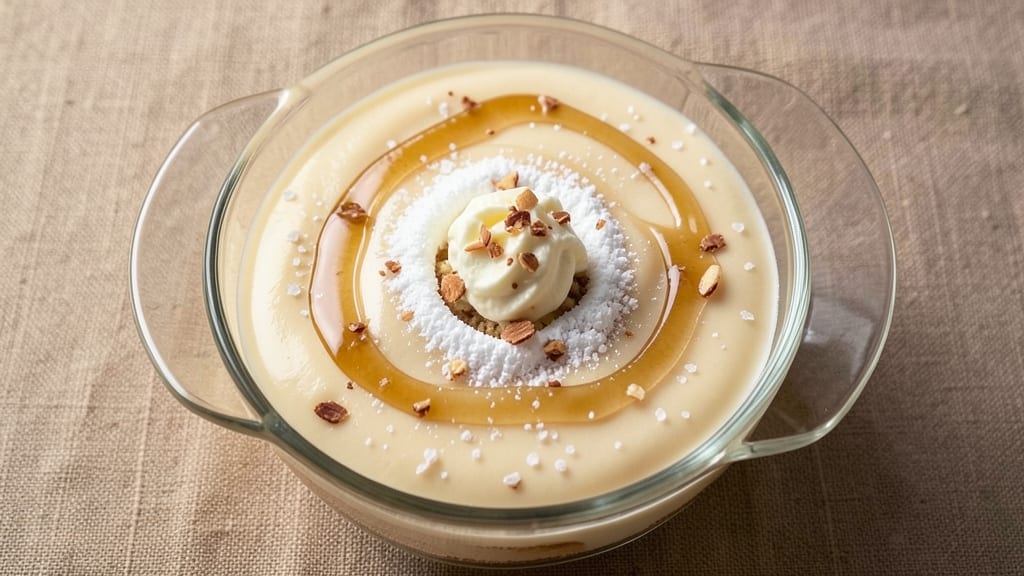
This amaretto cake glaze recipe transforms ordinary desserts into decadent masterpieces with its nutty, boozy shine. The secret lies in balancing powdered sugar, rich amaretto liqueur, and butter for a smooth, glossy finish that enhances moisture and flavor.
I developed this glaze after struggling to find one that didn’t crystallize or overpower delicate cake layers—now it’s my go-to for adding depth without heaviness.
The glaze’s magic comes from its simplicity: just three core ingredients create a versatile topping that pairs beautifully with vanilla, chocolate, or carrot cakes. What makes it special is the amaretto’s ability to infuse subtle almond notes while keeping the glaze light enough to drip elegantly.
For best results, let the glaze sit for 10 minutes before drizzling—this ensures a silky texture that clings perfectly to crumbs.
What you’ll achieve is a cake that tastes like it came from a high-end bakery, with a glossy sheen that catches the light and a flavor profile that’s both sophisticated and approachable. The glaze sets quickly enough for immediate serving but stays flexible enough to cut cleanly.
Store any leftovers in the fridge for up to a week, though I’ve never had any last that long.
Perfect for layer cakes, cupcakes, or even as a drizzle over fruit tarts, this glaze elevates any dessert with minimal effort. The key is patience—letting the mixture rest before application ensures a flawless finish every time. Ready to take your desserts to the next level?
Ingredients for amaretto cake glaze
Three core ingredients plus a few secret touches—this glaze turns simple desserts into showstoppers.
| Ingredient | Amount | Notes |
|---|---|---|
| Powdered Sugar 🍚 | 1 ½ cups | Sifted for smooth texture |
| Amaretto Liqueur 🍷 | ½ cup | High-quality, 28% ABV preferred |
| Unsalted Butter 🧈 | ¼ cup | Softened but not melted |
| Vanilla Extract 🌿 | 1 tsp | Pure, high-quality preferred |
| Almond Extract 🌰 | ½ tsp | Enhances nutty flavor |
| Pinch of Salt 🧂 | ⅛ tsp | Balances sweetness |
The powdered sugar is non-negotiable—Domino or Dixie Crystal are my go-tos since they sift perfectly. Amaretto quality matters too; Disaronno is the gold standard, but any decent brand works. Butter should be softened to room temperature—melted butter makes the glaze too runny. I always grab extra vanilla and almond extract because they make such a difference in flavor depth. The salt is subtle but essential—it rounds out the sweetness beautifully.
No amaretto? Almond syrup or a splash of almond milk can mimic the nutty notes, though it won’t have the same boozy richness. Short on butter? Coconut oil works in a pinch, but it adds a slight coconut flavor. The extracts can be swapped for almond paste at half the amount, though it’s thicker. If you’re worried about crystallization, microwave the butter 40 seconds to just melt it before mixing—this helps dissolve the sugar more evenly. The glaze should be thick enough to drip but not so stiff it won’t spread.
This glaze sets quickly but stays flexible. For best results, cover with plastic wrap pressed directly on the surface to prevent a skin from forming. Keeps in the fridge for 1 week—though it’s so good, you’ll likely use it all up. If it thickens too much, warm gently in the microwave for 10 seconds and stir. Perfect for layer cakes, cupcakes, or even drizzling over fruit tarts—just let it sit for 10 minutes before using for that silky finish.
Why You'll Love This Recipe
- Three-Ingredient Magic: I swear by this glaze—just powdered sugar, butter, and amaretto. No fancy techniques, no waiting for anything to cool. Honestly, it’s the kind of recipe that makes me feel like a baking pro without the stress.
- Nutty-Liquor Bliss: That almond extract and amaretto combo? Rich, boozy, and just sweet enough. It’s like a grown-up dessert—sophisticated but still feels cozy, especially when drizzled over vanilla cake or pound cake.
- Party-Ready in Minutes: Need a last-minute dessert for guests? This glaze takes less time than microwaving popcorn. Slather it on cupcakes, cake slices, or even cookies—it’s my go-to for impromptu gatherings (yes, even on a Tuesday night).
- Leftovers? Better: The glaze thickens as it sits, so I always make extra. Store it in the fridge, and it’s ready to elevate stale cake or toast—no waste, all flavor. Between us, this is how I turn day-old baked goods into something special.
Step-by-step instructions for amaretto cake glaze
Here's how to make a glossy, nutty-sweet glaze that keeps your cake moist and irresistible.
Sift the Powdered Sugar for Smooth Texture
Place the 1.5 cups powdered sugar in a fine-mesh sieve and sift it directly into a medium mixing bowl. I like to use a rubber spatula to press the sugar through any stubborn clumps. This step prevents graininess in your glaze—you want a silky finish that spreads evenly over the cake layers.
Set the sifted sugar aside for now. The reason we sift is that powdered sugar can compact over time, and those tiny lumps will show up in your finished glaze. If you don't have a sieve, you can whisk the sugar vigorously in the bowl for about 30 seconds to break up any clumps, though sifting gives the best results.
Combine Wet Ingredients for Glossy Base
In a separate small saucepan, combine the 0.5 cup amaretto liqueur, 0.25 cup unsalted butter, 1 tsp vanilla extract, 0.5 tsp almond extract, and 0.125 tsp pinch of salt. Place the pan over medium-low heat and let the mixture warm gently, stirring constantly with a wooden spoon.
You'll notice the butter begins to melt almost immediately, but keep the heat low to prevent the alcohol from evaporating too quickly. The mixture should come together smoothly, with the butter fully incorporated and the extracts blending into the liqueur. This warm mixture will help dissolve the powdered sugar more easily later—don't let it come to a boil, just warm until it's steaming gently.
Whisk Wet and Dry Together for Perfect Consistency
Once the wet ingredients are fully combined and steaming, remove the saucepan from heat. Let it cool for about 2 minutes—you want it warm but not hot when you mix it with the powdered sugar. Then, gradually pour the warm liquid into the bowl with the sifted sugar while whisking continuously.
Start with a slow whisk to prevent splattering, then increase speed to medium as you incorporate all the liquid. You're aiming for a thick, glossy consistency—like a thick syrup that coats the back of a spoon. If it's too thick, add 1-2 teaspoons of warm water at a time until it reaches the right spreadable texture. The glaze should be smooth enough to drizzle but thick enough to cling to the cake layers.
Cool and Adjust for Drizzling Perfection
Let the glaze cool for 5-10 minutes at room temperature. This step is crucial—cooling thickens the glaze slightly, making it easier to control when drizzling over the cake. While it cools, I like to give it one final whisk to ensure there are no lumps from the powdered sugar.
The glaze should now have a beautiful sheen and be thick enough to create those elegant ribbons when drizzled. If it's still too thin after cooling, whisk in a bit more powdered sugar, 1 tablespoon at a time, until it reaches the perfect consistency. You want it to flow smoothly but still cling to the cake rather than pool at the bottom.
Drizzle Over Cake Layers for Moisture and Flavor
Once the glaze is at the right consistency, transfer it to a piping bag fitted with a small round tip—or simply use a spoon for a more rustic look. Drizzle the glaze evenly over the cake layers, allowing it to cascade down the sides for that professional bakery finish. For extra flavor, you can also brush some glaze onto the cake's top and sides before adding any frosting.
Work quickly but carefully—this glaze sets up faster than you might expect once it hits the cake. The alcohol in the amaretto will evaporate slightly, leaving behind a rich, nutty flavor that keeps the cake moist for days. Let the glaze set for 15 minutes before serving to allow the flavors to meld completely. The result? A cake that's perfectly balanced between sweet, nutty, and moist—just as promised!
Pro Tips For Making Amaretto Cake Glaze
- Warm the Butter First: Cold butter in the glaze makes it lumpy—trust me, I’ve seen it. Melt the unsalted butter first (just until soft, not liquid) before mixing it into the powdered sugar. This ensures a silky texture instead of a grainy mess, and the flavor blends smoother with the amaretto.
- Use Room-Temp Amaretto: Chilled amaretto thins the glaze unpredictably, leading to a runny disaster. Let the bottle sit out for 10-15 minutes before measuring—it’ll mix evenly without altering the consistency. (Yes, even if you’re impatient like me.)
- Add Extracts Last: Vanilla and almond extract evaporate quickly, so toss them in after the glaze is mostly mixed. Stir just until combined—overmixing turns the glaze thin and watery. A quick flick of the wrist does the trick.
- Thin Gradually with Warm Water: Dumping liquid to adjust thickness ruins the balance. Start with 1 teaspoon of warm water (not hot) and add it slowly, whisking between additions. The glaze should coat the back of a spoon but still hold shape—no guessing required.
Storing and reheating your amaretto cake glaze
Refrigerator Storage
Store your amaretto glaze in an airtight container in the fridge for up to 1 week. I use small glass jars with snap-on lids—they’re perfect for portion control and keep the glaze fresh. The cold temperature slows down the alcohol evaporation, preserving that nutty, boozy flavor. Just
Freezer for Long-Term
For longer storage, portion the glaze into ice cube trays or small silicone molds. Once frozen solid, transfer the cubes to a freezer-safe bag with all the air squeezed out. This method prevents freezer burn and makes it easy to thaw just what you need. The glaze will keep its quality for up to 3 months—though honestly, it’s so good, you’ll probably use it all before then!
Reheating for Smooth Texture
If your glaze thickens in the fridge, don’t panic—just pop the container in the microwave for 10-15 seconds on low power. Stir immediately and check the consistency. If it’s still too stiff, add ½ teaspoon of warm water at a time until it’s smooth and drizzle-ready.
Avoid overheating, as this can cause sugar to recrystallize and ruin that perfect glossy finish. 🔥
Room-Temperature Reset
For a gentler approach, place the refrigerated glaze in a bowl and let it sit at room temperature for 15-20 minutes. The warmth of the air will naturally thin it out.
If it’s still too thick, whisk in a tiny bit of amaretto liqueur (just ½ teaspoon) to restore that rich, nutty balance. This method preserves the glaze’s integrity better than reheating.
Cake Application Tips
Once reheated or softened, drizzle the glaze over your cake immediately after assembling layers. The warmth helps it cling better to the frosting or cake surface. For extra shine, chill the cake for 10 minutes in the fridge before adding the glaze—this prevents it from spreading too quickly.
The result? A professional-looking finish that keeps your cake moist for days. ✨
Avoiding Crystallization
To prevent graininess, always whisk the glaze thoroughly before storing and after reheating. If you notice tiny sugar crystals forming, simply whisk in 1 teaspoon of warm water and stir until smooth.
For extra insurance, store the glaze in a container with a silicone lid—it creates a better seal than plastic and keeps moisture out. A little prevention goes a long way in keeping your glaze flawless! 💡
Nutrition facts
Frequently asked questions
Can I make this glaze without amaretto liqueur?
The amaretto gives the glaze its signature nutty flavor, but you can substitute with 0.5 cup almond syrup or 0.25 cup almond milk + 0.25 cup vanilla syrup. For a similar boozy richness, try 1 tablespoon almond extract + 0.25 cup warm water. The texture will be slightly lighter, but the nutty notes stay intact.
How do I fix a glaze that's too thick or too thin?
If your glaze is too thick, whisk in 1 teaspoon warm water at a time until it reaches a smooth drizzle consistency. For a glaze that's too thin, gradually add 1 tablespoon powdered sugar while whisking. The key is patience—adjust slowly to avoid ruining the balance of flavors.
What's the best way to drizzle this glaze for professional results?
Use a piping bag with a small round tip for clean lines, or a spoon for a rustic look. Start at the center of the cake and work outward in gentle waves. For extra shine, chill the cake for 10 minutes before drizzling—this helps the glaze set faster and cling better. Work quickly once the glaze is ready!
Can I use this glaze on cupcakes or just cakes?
This glaze works beautifully on both! For cupcakes, drizzle 1 teaspoon per cupcake while they're still slightly warm. The glaze will set as it cools, creating a glossy finish. For extra flair, sprinkle crushed almonds or toasted coconut on top before the glaze sets.
How long should I let the glaze sit before using it?
Let the glaze rest for 10 minutes after mixing to thicken slightly—this ensures a smooth, controlled drizzle. If you're in a hurry, you can use it immediately, but it may be slightly runnier. The waiting time also helps the flavors meld for a richer taste.