
Desserts
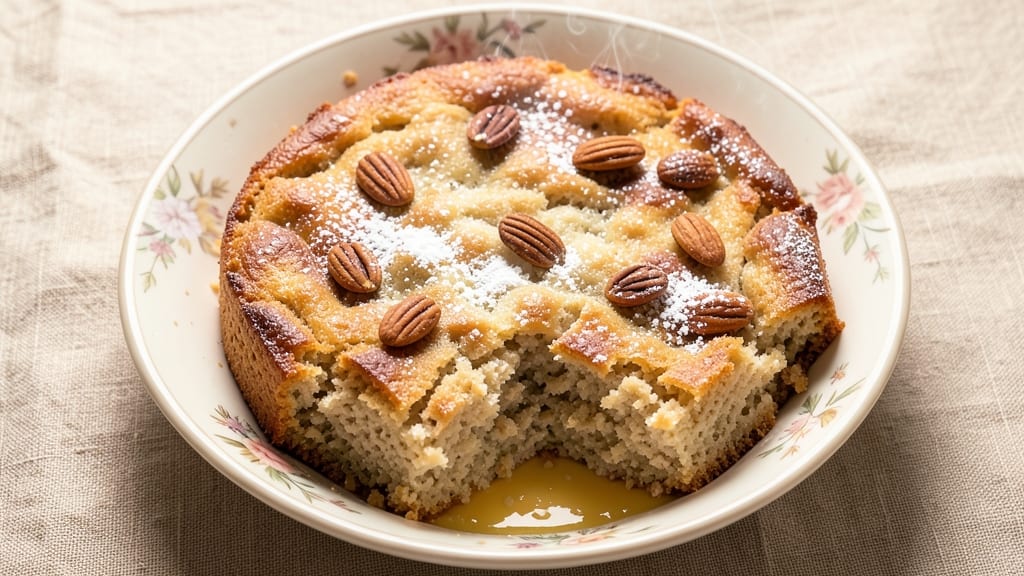
This almond semolina cake recipe delivers the perfect balance of nutty crunch and light, airy layers that disappear in every bite. The secret lies in the semolina flour, which creates that signature tender-yet-crumbly texture while almond extract infuses rich, aromatic depth.
I've perfected this recipe over years of baking, ensuring each slice stays moist for days without turning dense.
The foundation starts with finely ground almonds and semolina flour, which work together to create a delicate crumb structure. A touch of citrus zest brightens the nutty flavors, while a simple syrup glaze keeps the cake irresistibly moist.
This recipe requires just 10 ingredients and 45 minutes of active time, making it ideal for special occasions or weekend baking projects.
What you'll achieve is a cake that's light enough to eat with a fork but sturdy enough for slicing. The almond flavor shines through without being overpowering, and the crumb stays tender for days.
The glaze adds a subtle shine and extra moisture, ensuring every bite is perfect. This is the kind of dessert that impresses guests while being simple enough for home bakers.
For variations, try adding dark chocolate chunks or orange zest for additional depth of flavor. The cake also freezes beautifully, making it perfect for meal prep or gifting. Let's get started on creating this classic almond semolina cake that tastes like a European café treat.
Ingredients for almond semolina cake
Ten ingredients, perfect European café vibes—this cake is all about nutty crunch and tender layers.
| Ingredient | Amount | Notes |
|---|---|---|
| All-Purpose Flour 🌾 | 1 ½ cups | Sifted for light texture |
| Semolina Flour 🌾 | 1 cup | Fine grind preferred |
| Almond Flour 🥜 | 1 ½ cups | Finely ground, skinless |
| Granulated Sugar 🍚 | 1 ½ cups | Superfine for smooth texture |
| Unsalted Butter 🧈 | 1 cup | Room temperature, full-fat |
| Large Eggs 🥚 | 3 whole | Room temperature, separated |
| Almond Extract 🌿 | 1 tsp | Pure, high-quality extract |
| Lemon Zest 🍋 | 1 tbsp | Freshly grated, vibrant |
| Baking Powder 🧂 | 1 tsp | Aluminum-free preferred |
| Salt 🧂 | ½ tsp | Fine sea salt |
| Simple Syrup 🍯 | ½ cup | For glaze, 1:1 sugar/water |
The almond flour is non-negotiable here—Bob's Red Mill or Trader Joe's brands are my go-to for that ultra-fine grind. Semolina flour gives the cake its signature crumb, so don't substitute with cornmeal. For the almond extract, McCormick or Goya are reliable, but if you're feeling fancy, a European import adds real depth. The butter needs to be full-fat—Plugrá or Land O'Lakes work perfectly. And for that lemon zest? Use a microplane—no pre-zested jars—the flavor difference is huge.
No almond flour? Substitute with ground walnuts (same amount), but texture will be slightly denser. Short on semolina? Cornmeal at half the amount works in a pinch, though the crumb won't be as tender. The simple syrup glaze can be swapped for a powdered sugar dusting if you prefer less shine. For the eggs, if you're avoiding them, aquafaba (3 tbsp per egg) mimics the lightness surprisingly well. And if you're worried about the cake being too dry, add 1 tbsp sour cream to the batter—it keeps things moist without adding density.
This cake keeps beautifully—3 days at room temperature covered with a cake dome, or 1 week refrigerated in an airtight container. For freezing, wrap tightly in plastic and freeze for up to 3 months. The glaze sets quickly, so assemble the cake just before serving. Pro tip: Brush the warm cake with 2 tbsp brandy or rum before glazing—trust me, the flavor transformation is worth it. And if you're making it ahead for a party, assemble the cake layers the day before, then glaze just before serving.
Why You'll Love This Recipe
- Same batter, endless uses: slice for breakfast toast, cube for trifles, or serve whole with tea. I’ve even used it as a base for a quick tiramisu—just add coffee syrup and mascarpone.
- No Mixer Needed: I swear by this recipe when my hands are full—just fold the dry ingredients into the butter until it’s almost crumbly, then press it into the pan. The almond flour keeps it tender without requiring a single whisk stroke.
- Buttery Nutty Magic: That first bite? The semolina adds a subtle toothsome bite, while the almond flour gives it a rich, almost cookie-like depth. Honestly, the butter-to-sugar ratio makes it taste like a dessert you’d pay for at a café.
- Weeknight or Guest Day: Same batter, endless uses: slice for breakfast toast, cube for trifles, or serve whole with tea. I’ve even used it as a base for a quick tiramisu—just add coffee syrup and mascarpone.
Step-by-step instructions for almond semolina cake
Here's how to bake this nutty, airy masterpiece with layers of texture and flavor.
Prepare the Dry Ingredients
In a large mixing bowl, whisk together the 1.5 cups all-purpose flour, 1 cup semolina flour, 1.5 cups almond flour, 1.5 cups granulated sugar, 1 tsp baking powder, and 0.5 tsp salt. I sift the flours first to eliminate any lumps—this ensures a light, tender crumb. The semolina adds that signature crunchy texture, while the almond flour brings rich nuttiness.
In a separate small bowl, combine the 1 tbsp lemon zest and 1 tsp almond extract. This citrus-nut combo is what makes this cake truly special. The zest adds bright freshness that cuts through the richness of the almonds and butter. Give it a quick whisk to distribute the extract evenly.
Cream Butter and Eggs
In a stand mixer fitted with the paddle attachment, beat the 1 cup unsalted butter (at room temperature) and 3 whole large eggs on medium speed for 3-4 minutes. You're looking for a pale, fluffy mixture that nearly doubles in volume. This step is crucial—it incorporates air that will create those beautiful, airy layers in your cake.
Here's the thing—don't rush this part. The butter should look light and almost frothy. If it's still grainy, keep mixing. I've found that room-temperature butter and eggs blend more smoothly, giving you that perfect texture. Once it's creamy, gradually add the lemon zest-almond extract mixture while mixing on low speed.
Combine Wet and Dry Ingredients
With the mixer on low speed, gradually add the dry ingredients to the butter-egg mixture. Mix just until combined—you should still see some flour streaks. Overmixing develops gluten, which can make your cake dense instead of light and tender. Scrape down the sides of the bowl as needed to ensure everything gets incorporated evenly.
This is where the magic happens. The combination of the three flours (all-purpose, semolina, and almond) creates that perfect balance of texture—tender yet slightly crunchy. The batter should be thick but smooth, like a well-behaved cookie dough. If it looks too dry, add 1-2 tablespoons of milk (not in the ingredients list, but I keep some handy for this exact purpose).
Bake the Cake Layers
Preheat your oven to 350°F and grease two 8-inch round cake pans (or line them with parchment paper). Divide the batter evenly between the pans. I use a kitchen scale for this—each pan should get about 16 ounces of batter. Tap the pans gently on the counter to remove any air bubbles, then smooth the tops with a spatula.
Bake for 25-30 minutes, or until a toothpick inserted in the center comes out clean. The edges should be golden brown, but don't overbake—the cake will continue cooking slightly as it cools. I like to check at the 20-minute mark because ovens vary. When you pull them out, let the cakes cool in the pans for 10 minutes before transferring to a wire rack to cool completely.
Assemble and Glaze
Once the cakes are completely cool, level the tops if needed (I use a serrated knife for this). Place one cake layer on a serving plate. Spread 2-3 tablespoons of the 0.5 cup simple syrup evenly over the top—this keeps the layers moist. Repeat with the second layer.
For the glaze, warm the remaining simple syrup in a small saucepan over medium heat until it reaches 160°F (about 2-3 minutes). Brush this warm syrup generously over the top and sides of the cake. The heat helps the glaze set beautifully, giving you that professional-looking finish. Let the glaze set for 10 minutes before serving—it'll look glossy and irresistible.
Pro Tips For Making Almond Semolina Cake
- Toast the Almond Flour: If your cake tastes bland or dry, skip the raw almond flour—lightly toast it first. Spread it on a baking sheet at 325°F (160°C) for 8-10 minutes until golden and fragrant. I learned this the hard way when my first batch lacked that nutty depth everyone raves about.
- Sift the Semolina: Semolina flour is coarse, and if you don’t sift it with the all-purpose flour, your cake will turn out dense and uneven. Use a fine-mesh sieve and tap it firmly—don’t just shake it. This makes a real difference in texture, especially if you’re using store-bought semolina that’s clumpy.
- Cream the Butter Cold: Take the butter straight from the fridge—room temperature is the enemy here. Cold butter creates air pockets when creamed with sugar, giving your cake that light, fluffy lift. I used to rush this, and my cakes always came out compact. (Yes, even if you’re impatient like me.)
- Don’t Overmix the Batter: Once you add the wet ingredients, mix just until combined—about 10-12 strokes. Overmixing develops gluten in the all-purpose flour, making the cake tough. I skip this when I’m lazy, but the difference in texture is noticeable. Stop when there are no dry spots, and call it good.
Best sauces and condiments for almond semolina cake
Citrus Glaze Upgrade
Swap the simple syrup glaze for a citrus-infused version by adding 1 tbsp fresh orange juice and ½ tsp orange zest to the ½ cup simple syrup. Warm it gently until the zest infuses (about 2 minutes), then strain before glazing.
This brightens the almond flavors and adds a sophisticated touch. I love using Valencia oranges for their natural sweetness. 🍊
Chocolate Drizzle
For a decadent twist, melt 4 oz dark chocolate (70% cocoa) with 1 tbsp heavy cream until smooth. Drizzle over the glaze while still wet, then sprinkle with crushed pistachios for contrast. The bitterness of the chocolate balances the cake’s nuttiness beautifully. Use Ghirardelli or Lindt for premium results. 🍫
Caramel Drizzle
Heat ½ cup granulated sugar in a saucepan over medium heat until it melts into a golden caramel (about 5 minutes). Slowly whisk in 2 tbsp heavy cream—it’ll bubble dramatically!
Cool slightly, then drizzle over the cake. The caramel’s richness complements the almond’s crunch. For extra flair, torch the top with a kitchen torch for a crackly finish. 🔥
Fruit Compote
Simmer 1 cup mixed berries (raspberries, blueberries, or blackberries) with 2 tbsp sugar and 1 tsp lemon juice for 10 minutes until thickened. Cool and spread between cake layers or drizzle on top.
The tartness cuts through the richness, adding freshness. I prefer frozen berries for convenience—they work just as well! 🍓
Whipped Cream Topping
Whip ½ cup heavy cream with 1 tbsp powdered sugar and ½ tsp vanilla extract until soft peaks form. Pipe or dollop onto the cake before serving. The lightness contrasts the dense cake layers perfectly. For extra elegance, dust with toasted almond slivers or edible gold leaf. 🌟
Spiced Syrup Glaze
Infuse the simple syrup with ½ cinnamon stick and 2 whole cloves while heating. Strain before glazing to remove spices. The warmth of cinnamon and cloves adds depth to the almond’s natural sweetness. This works especially well with cardamom or nutmeg for a Scandinavian-inspired twist. ✨
Nutrition facts
Frequently asked questions
Can I substitute almond flour with another nut flour?
You can try walnut flour or hazelnut flour in a 1:1 ratio, but the flavor will change noticeably. Walnut adds earthiness, while hazelnut brings a sweeter, slightly bitter note. For the best texture and authentic almond taste, stick with almond flour. If you're avoiding nuts entirely, omit it and increase all-purpose flour by 0.5 cups, but the cake will be less moist.
Why does my cake turn out dense instead of light?
Overmixing the batter develops gluten, making the cake dense. Mix just until combined—you should still see flour streaks. Also, ensure your butter and eggs are at room temperature (about 70°F) for proper emulsification. Finally, don't overbake: pull the cake when a toothpick comes out clean (around 25-30 minutes at 350°F). Overbaking dries it out.
How do I store leftover cake to keep it moist?
Store the cake in an airtight container at room temperature for up to 3 days, or refrigerate for 1 week. For longer storage, freeze the cake layers (without glaze) for up to 3 months. To revive stale cake, brush with 1 tbsp warm simple syrup or wrap tightly in plastic wrap with a damp paper towel. The glaze helps preserve moisture, but wrapped properly, the cake stays fresh.
Can I make this cake without eggs?
Yes! Replace the 3 eggs with 3 tbsp aquafaba (chickpea brine) or ½ cup applesauce for moisture. For structure, add 1 tsp baking soda and 1 tbsp vinegar to the dry ingredients. The texture will be slightly denser but still delicious. If using aquafaba, whip it to stiff peaks first for better air incorporation. →
What’s the best way to level the cake layers?
Use a serrated knife or a cake leveler for clean, even layers. Place the cake on a cutting board, then gently saw back and forth while keeping the knife level. For extra precision, use a laser level or a straightedge to guide your cuts. Leveling ensures even glaze distribution and a professional finish. Pro tip: Chill the cake for 10 minutes in the fridge before leveling—it makes the job easier!