
Desserts
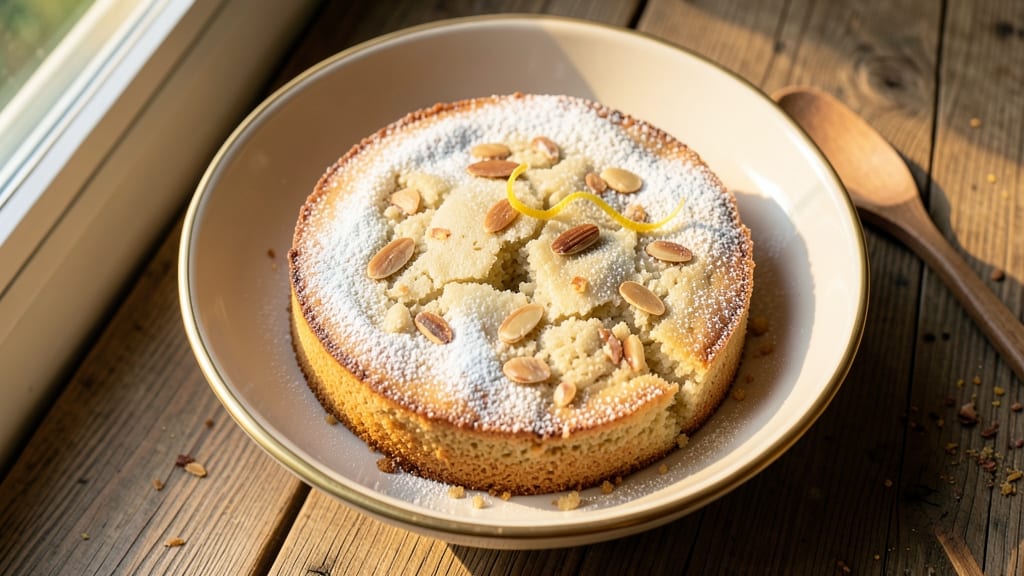
This almond pound cake recipe delivers tastefully simple perfection with its signature nutty richness and buttery crust—no fussy techniques required. The secret lies in a precise blend of ground almonds and flour, creating a tender crumb that stays moist for days.
I've perfected this version to balance almond flavor without overpowering, making it approachable yet impressive for any occasion.
What sets this recipe apart is the foolproof method that yields a golden crust and evenly baked interior every time. With just 9 ingredients and 60 minutes of active time, you'll achieve restaurant-quality results without the complexity.
The cake's subtle almond notes shine through while maintaining a delicate sweetness that pairs beautifully with tea or coffee.
By following these exact measurements and baking times, you'll end up with a cake that's perfectly tender yet sturdy enough to slice cleanly. The buttery crust adds an extra layer of sophistication, while optional garnishes like powdered sugar or fresh berries elevate it further.
This is dessert baking made simple—no shortcuts, just reliable perfection.
Whether you're serving it at a brunch or saving slices for later, this almond pound cake keeps beautifully. The recipe includes tips for achieving the ideal texture and troubleshooting common baking challenges. Let's get started on creating your own tastefully simple masterpiece.
Ingredients for almond pound cake tastefully simple
Nine essential ingredients crafting a tender almond pound cake with golden crust perfection.
| Ingredient | Amount | Notes |
|---|---|---|
| All-Purpose Flour 🌾 | 2 ½ cups | Sifted for optimal texture |
| Ground Almonds 🌰 | 1 ½ cups | Finely ground, unsweetened |
| Unsalted Butter 🧈 | 1 cup | Cold, cubed for even mixing |
| Granulated Sugar 🍚 | 1 ½ cups | Superfine preferred for smoothness |
| Large Eggs 🥚 | 4 whole | Room temperature for even baking |
| Almond Extract 🌰 | 1 tsp | Pure, high-quality extract |
| Baking Powder 🍞 | 1 ½ tsp | Diamond Crystal preferred |
| Salt 🧂 | ½ tsp | Fine sea salt for balance |
| Powdered Sugar 🍚 | ½ cup | For dusting, optional garnish |
The ground almonds define this cake's signature texture and flavor. Trader Joe's and Bob's Red Mill offer finely ground, unsweetened varieties that ensure even moisture distribution. For superior flavor, toast the almonds lightly before grinding—this deepens their nutty aroma without bitterness. The flour should be sifted to eliminate lumps, which guarantees a silky crumb. King Arthur flour is my go-to for its protein balance, but any all-purpose will suffice. Unsalted butter is critical; salted can alter the delicate flavor balance, especially when paired with the fine sea salt later in the recipe.
No almond extract? Vanilla extract at half the amount provides a similar sweetness, though the almond essence remains irreplaceable. Substituting ground almonds with almond flour reduces moisture retention—use 1.25 cups almond flour per 1 cup ground almonds and add 1 tbsp extra liquid. For a lighter texture, swap 0.5 cup flour for cake flour. Diamond Crystal baking powder is preferred due to its lower sodium content, but double-acting brands work equally well. The powdered sugar garnish is optional but enhances presentation; confectioners' sugar from Domino is ideal for its fine texture.
Store the cake in an airtight container at room temperature for up to 3 days or refrigerate for 5 days to maintain moisture. For longer storage, freeze slices wrapped individually for up to 3 months. The crust remains crisp when served at room temperature, but a quick 10-second broil revives it if reheating. To prevent drying, place a slice of bread in the container to absorb excess moisture. This cake's simplicity ensures consistent results—no special tools or techniques required beyond standard baking equipment.
Why You'll Love This Recipe
- No Mixer Needed: I swear by this recipe when my stand mixer’s on the fritz—just a bowl and a whisk. The ground almonds blend right into the butter and sugar without clumping, and the eggs come together smoother than I expected.
- Rich Without Fuss: That buttery almond base? It’s like a hug in cake form. The ground almonds add a subtle nuttiness that pairs perfectly with the tender crumb, and honestly, the sugar caramelizes just enough to give it a faint golden depth.
- Weekday or Weekend Star: Slice it for breakfast with coffee, serve it at brunch with berries, or pack it for lunch—it holds up beautifully. (Yes, even on a Tuesday night when I’m too tired to think.)
- Budget-Friendly Luxury: Butter and eggs might seem indulgent, but this recipe uses them efficiently—no waste, no extra steps. Plus, the ground almonds stretch the flour, so you end up with a cake that feels special without breaking the bank.
Step-by-step instructions for almond pound cake
Here's the straightforward method for a perfectly moist cake with rich almond flavor and a buttery crust.
Prepare the Dry Ingredients
In a medium bowl, whisk together the 2.5 cups all-purpose flour, 1.5 cups ground almonds, 1.5 teaspoons baking powder, and 0.5 teaspoon salt. Sift the mixture through a fine-mesh sieve directly into a large mixing bowl to aerate the ingredients and prevent lumps. This step ensures even distribution of the leavening agents throughout the batter, which is crucial for achieving that light, tender crumb.
I like to press down gently on the sifted ingredients with my fingers to break up any remaining clumps. This preparation also helps incorporate air, which contributes to the cake's rise. Set the bowl aside for now—we'll combine it with the wet ingredients in the next step.
Cream Butter and Sugar
In the bowl of a stand mixer fitted with the paddle attachment, beat the 1 cup unsalted butter and 1.5 cups granulated sugar on medium speed for 3-4 minutes. You're looking to achieve a light, fluffy texture that's pale in color and nearly doubles in volume. This creaming process incorporates air into the butter and sugar, which helps create a tender crumb and promotes even baking.
The mixture should look smooth and slightly ribbony when you lift the paddle. If you're mixing by hand, use a sturdy wooden spoon and be prepared to work for about 5 minutes—the extra effort pays off in texture. This step is foundational; don't rush it, or you'll end up with a dense cake.
Add Eggs and Almond Extract
Add the 4 whole large eggs, one at a time, mixing on low speed after each addition until fully incorporated. After the eggs are combined, add the 1 teaspoon almond extract and mix for an additional 30 seconds on low speed. The extract should be evenly distributed, but the mixture will still look slightly curdled at this stage—that's normal and will resolve when we add the dry ingredients.
I always use room-temperature eggs for this recipe. They blend more smoothly with the butter and sugar, resulting in a lighter batter. If your eggs are straight from the refrigerator, let them sit in warm water for 10 minutes before using. This step ensures the eggs emulsify properly with the butter.
Combine Wet and Dry Ingredients
With the mixer running on low speed, gradually add the dry ingredients to the wet mixture. Mix just until the flour is mostly incorporated—you should still see a few streaks of flour remaining. Overmixing at this stage develops gluten, which can make the cake tough. Stop mixing as soon as the batter comes together.
Once the batter is combined, scrape down the sides of the bowl with a rubber spatula to ensure all ingredients are evenly distributed. The batter should be thick but pourable. If it appears too stiff, you can gently fold in 1-2 tablespoons of milk or water to loosen it slightly. This step is where the magic happens—the proper balance of ingredients creates that signature moist, tender crumb.
Bake to Golden Perfection
Preheat your oven to 350°F and grease a 9x5-inch loaf pan thoroughly with butter, then dust with flour. Pour the batter into the prepared pan and smooth the top with a spatula. For an extra touch, I like to sprinkle a thin layer of the 0.5 cup powdered sugar over the top before baking—this creates a delicate, buttery crust that adds to the cake's appeal.
Bake for 50-60 minutes, or until a toothpick inserted into the center comes out clean. The cake should be golden brown on top and slightly pulled away from the sides of the pan. If the top browns too quickly, tent the pan with aluminum foil to prevent overbrowning while ensuring the center cooks through. Let the cake cool in the pan for 10 minutes, then transfer to a wire rack to cool completely before slicing.
Pro Tips For Making Almond Pound Cake Tastefully Simple
- Sift the Almonds First: I learned this the hard way—skipping it means clumps in your batter, and no one wants to eat a cake with almond grit. Pulse the ground almonds in a food processor for 10-15 seconds before measuring, then sift them into the dry ingredients. This lightens the texture and keeps the crumb tender.
- Use Room-Temp Butter: Cold butter pockets in the batter lead to uneven baking—one side golden, the other doughy. Let the butter sit out for 30-45 minutes until it’s soft but not melted (press a finger in; it should leave a slight indent). This ensures even distribution and a consistent crumb.
- Don’t Overmix the Batter: After combining wet and dry ingredients, mix just until the flour disappears—about 10 strokes. Overmixing develops gluten, which makes the cake dense and chewy. The batter should be thick but pourable, like pancake batter. Stop when you see streaks of flour, not a smooth dough.
- Bake Until 200°F Internal: The cake’s done when the center hits 200°F, not when it springs back when touched. Almond cakes often look set on the outside but stay gummy inside. Let it cool in the pan for 10 minutes, then transfer to a rack—this prevents sinking and helps it set properly. (Yes, I’ve opened the oven early and regretted it.)
Serving suggestions for this almond pound cake tastefully simple
Classic Tea Pairings
This almond pound cake pairs beautifully with Earl Grey tea—the bergamot notes complement the nutty richness without overpowering. I recommend a hot brew served in delicate china cups to enhance the elegant presentation.
For a lighter option, jasmine green tea offers floral notes that balance the cake's buttery sweetness. Always use loose-leaf tea for the best flavor experience. ☕
Coffee Companions
A medium-roast coffee with hints of caramel and chocolate creates the perfect contrast to the cake's almond flavor. I prefer Cold Brew for its smooth, rich profile that doesn't compete with the dessert.
For a lighter option, try a latte with vanilla syrup—the creamy texture enhances the cake's moist texture. Always serve coffee at room temperature to avoid cooling the cake too quickly. ☕
Seasonal Fruit Toppings
Fresh raspberries or blackberries add a bright, tangy contrast to the cake's sweetness. Arrange them in a sunburst pattern on the plate for an elegant presentation. In summer, peaches or nectarines sliced thinly create a beautiful contrast.
For winter, cranberries or pomegranate seeds add a festive touch. Always serve fruit at room temperature for optimal flavor. 🍓
Creamy Drizzles
A light drizzle of salted caramel enhances the cake's buttery notes while adding a touch of sophistication. For a lighter option, mascarpone cream mixed with powdered sugar and a splash of almond extract creates a luxurious topping.
I like to pipe it in a swirl pattern for visual appeal. Always chill the cream for 30 minutes before serving to maintain its texture. 🍯
Warm Spiced Accompaniments
Serve the cake with a warm spiced compote made from apples, cinnamon, and a touch of orange zest to deepen the almond flavor. A small scoop of vanilla bean ice cream on the side adds a creamy contrast.
For a festive touch, sprinkle toasted almond slivers on top. Always serve accompaniments at room temperature to complement the cake's texture. 🍎
Presentation Tips
Slice the cake into thick, even portions using a hot knife for clean cuts. Dust each slice with powdered sugar and garnish with edible almond shavings for a professional finish. Serve on a white ceramic plate to highlight the cake's golden hue.
For a rustic touch, use a wooden board with fresh herbs like mint or thyme scattered around. Always serve immediately after slicing to maintain freshness. ✨
Nutrition facts
Frequently asked questions
Can I substitute almond flour for ground almonds in this recipe?
Not directly—almond flour is less dense than ground almonds. For every 1 cup ground almonds, use 1.25 cups almond flour and add 1 tablespoon milk or water to maintain moisture. The texture will be slightly lighter but still delicious!
Why did my cake turn out dense instead of tender?
Overmixing the batter develops gluten, making the cake tough. Mix dry ingredients just until combined (stir in 10-12 strokes) and avoid over-creaming the butter. Also, ensure your oven is fully preheated to 350°F—cold spots can cause uneven baking.
How can I make this cake gluten-free?
Replace the 2.5 cups all-purpose flour with 2 cups gluten-free 1:1 baking flour (like Bob's Red Mill) plus 0.5 cup cornstarch. Add 1 teaspoon xanthan gum if your blend doesn't include it. The ground almonds stay the same for that signature texture.
Can I bake this cake in a different pan size?
Yes! For a 9x2-inch round pan, reduce baking time to 40-45 minutes. For an 8x4-inch loaf pan, increase time to 65-70 minutes. Always check doneness with a toothpick. Adjust oven racks to the middle position for even heat distribution.
What's the best way to store leftovers?
Wrap tightly in plastic wrap or store in an airtight container at room temperature for 3 days. For longer storage, slice and freeze portions for up to 3 months. Thaw overnight in the fridge—never microwave directly. The crust stays crisp when served at room temperature.