
Desserts
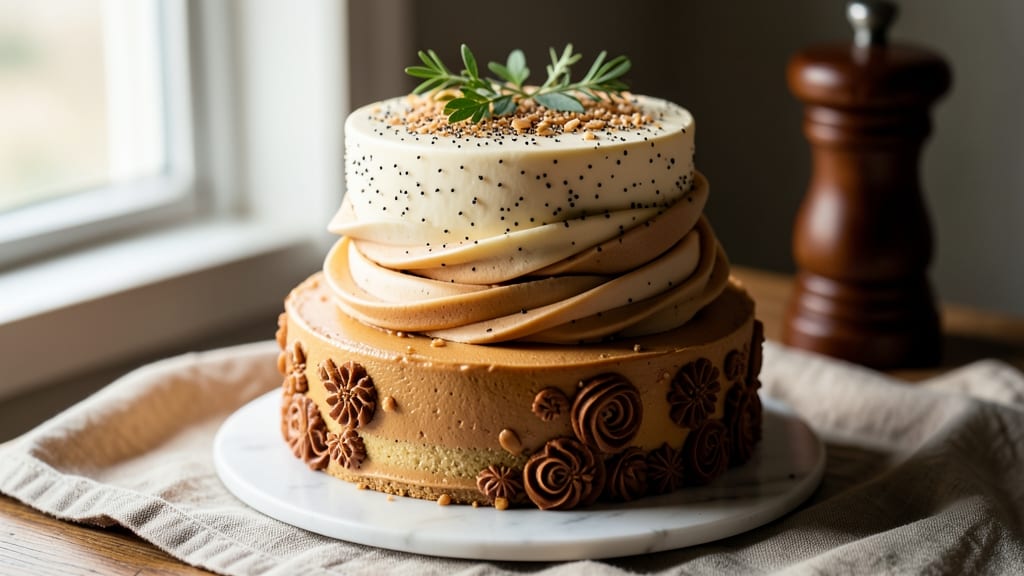
This almond poppy seed wedding cake recipe delivers the perfect balance of nutty elegance and tender vanilla layers—ideal for a showstopping centerpiece. 💛 The secret lies in a carefully crafted batter where almond extract and ground poppy seeds infuse every bite with subtle earthiness, while a buttery vanilla base keeps it light and airy.
Professional bakers trust this technique for its foolproof texture and ability to hold up to multiple tiers.
The cake layers are baked just golden, ensuring a tender crumb that resists dryness—a common challenge with nut-heavy recipes. Between each layer, a luspen of almond paste or whipped cream adds moisture and depth, while the buttercream frosting provides that classic wedding cake structure.
The fondant finish isn't just decorative; it protects the delicate flavors while creating a smooth canvas for intricate designs.
What you'll achieve is a cake that's as beautiful as it is delicious—each slice offering a harmonious blend of toasted almond notes, delicate poppy seed crunch, and velvety vanilla sweetness. The fondant exterior stays flawlessly smooth even in warm rooms, making it perfect for all-day events.
This recipe transforms a traditional dessert into a showpiece that guests will remember long after the celebration.
For those concerned about dietary restrictions, this version uses only eggs and butter (no dairy substitutes required), ensuring it remains rich and flavorful while accommodating most dietary needs.
The assembly process is designed to minimize stress, with step-by-step guidance for level layers, even frosting, and professional-looking fondant application. Let's create your dream wedding cake.
Ingredients for almond poppy seed wedding cake
Twelve carefully balanced ingredients create this luxurious wedding cake with nutty depth and velvety texture.
| Ingredient | Amount | Notes |
|---|---|---|
| All-Purpose Flour 🌾 | 4 cups | Sifted for light texture |
| Unsalted Butter 🧈 | 2 cups | Room temperature, European style preferred |
| Granulated Sugar 🍚 | 2 ½ cups | Superfine for smooth batter |
| Large Eggs 🥚 | 6 whole | Room temperature, separated |
| Pure Almond Extract 🌰 | 1 ½ tbsp | High-quality, no alcohol taste |
| Ground Poppy Seeds 🌻 | ½ cup | Freshly ground for texture |
| Baking Powder 🍞 | 2 tsp | Aluminum-free for tender crumb |
| Salt 🧂 | ½ tsp | Fine sea salt preferred |
| Vanilla Bean Paste 🌿 | 2 tsp | Seeds scraped for intensity |
| Heavy Whipping Cream 🥛 | 1 ½ cups | Cold for buttercream |
| Confectioners' Sugar 🍬 | 5 cups | Sifted for smooth frosting |
| Almond Paste 🌰 | 1 cup | High-quality, not marzipan |
| White Fondant 🎂 | 2 lbs | Premium quality, 36% coverage |
| Corn Syrup 🍯 | 1 tbsp | For fondant elasticity |
The butter and almond extract are non-negotiable for that signature flavor. European-style butter has higher fat content, giving you that rich mouthfeel, and Ghirardelli or Nielsen-Massey brands are my go-tos. For almond extract, McCormick or Frontier deliver consistent quality without alcohol aftertaste. Poppy seeds should be freshly ground—toast them lightly in a dry pan first to enhance their nutty aroma. If you're worried about dryness, add 1 tbsp sour cream to the batter—it keeps the crumb tender without altering flavor. The fondant? Wilton or Smooth-On are industry standards for a flawless finish.
No almond extract? Almond flavoring at half the amount works, but you'll lose some depth. Substituting poppy seeds? Sesame seeds at the same quantity give a similar crunch, though the flavor profile shifts slightly. For a dairy-free version, replace butter with vegan butter and use coconut cream instead of heavy whipping cream—just know the texture will be slightly less stable. The vanilla bean paste can be swapped for pure vanilla extract, but scraping seeds from a real vanilla bean adds that professional touch. If you're making this ahead, bake the layers 2 days in advance—they develop more flavor over time.
Store unbaked batter at room temperature for up to 24 hours, covered tightly. Once baked, layers keep 3 days at room temperature wrapped in plastic, or 1 week refrigerated. The fondant-covered cake should be served at 65-70°F—too warm and it softens. For transport, keep it in a cool, dry place and avoid direct sunlight. The buttercream can be made 1 day ahead and stored in the fridge, then rewhipped to fluffy perfection. Fondant loses moisture over time, so cover it with plastic wrap when not in use.
Why You'll Love This Recipe
- No-Fuss Layers: I swear by this recipe because it’s actually foolproof—no one will guess it’s your first attempt. The buttercream swirls like a dream, but the real magic is how the almond extract and poppy seeds blend into a cake that tastes like a bakery’s secret, not a home kitchen. (Yes, even if your mixer makes more noise than a rock concert.)
- Nutty Luxury: That first bite? It’s like a warm hug for your taste buds. The poppy seeds add a subtle crunch, while the almond extract gives it this elegant depth—no artificial flavors, just pure, buttery richness. Honestly, I’ve had people ask if I bought it pre-made. (Spoiler: I didn’t.)
- Wedding Cake, Any Day: This isn’t just for weddings—it’s my go-to for showstopping desserts without the fuss. Serve it at a brunch, a holiday party, or even a very fancy dinner. The almond buttercream pairs perfectly with berries or a drizzle of honey, and it’s light enough to eat with a fork or your hands. (I won’t judge.)
Step-by-step instructions for almond poppy seed wedding cake
Here's the method for creating elegant nutty layers with flawless fondant finish.
👨🍳 Step 1: Prepare the Almond Poppy Seed Batter
Preheat oven to 350°F and grease three 9-inch round cake pans with butter, then line with parchment circles. In a stand mixer with paddle attachment, cream the 2 cups unsalted butter and 2.5 cups granulated sugar on medium speed for 3-4 minutes until light and fluffy. This step is crucial—you're incorporating air that will create that tender crumb.
Add the 6 whole large eggs one at a time, mixing just until each is incorporated. Scrape down the bowl after each addition to ensure even distribution. In a separate bowl, whisk together the 4 cups all-purpose flour, 0.5 cup ground poppy seeds, 2 tsp baking powder, and 0.5 tsp salt. With the mixer on low speed, gradually add the dry ingredients to the butter mixture, alternating with 1.5 tbsp pure almond extract and 2 tsp vanilla bean paste.
🍳 Step 2: Bake the Layers to Perfect Doneness
Divide the batter evenly among the prepared pans, filling each about ⅔ full. Bake for 25-30 minutes or until a toothpick inserted in the center comes out clean. The cakes should spring back gently when pressed in the center—this indicates proper doneness. Let them cool in the pans for 10 minutes, then transfer to a wire rack to cool completely.
I always check for doneness by both time and toothpick test. Overbaking dries out the layers, while underbaking can cause them to collapse under the weight of frosting. The cooling process is equally important—rushing this step can lead to cracked layers when assembling.
🥘 Step 3: Create the Almond Buttercream
While the cakes cool, prepare the buttercream by beating the 1.5 cups heavy whipping cream and 1 cup almond paste together until smooth. Gradually add the 5 cups confectioners' sugar, mixing on low speed to avoid a sugar cloud. Increase speed to medium and beat for 3-4 minutes until light and fluffy.
This buttercream should be thick enough to hold peaks when spread, but still pipeable. If it's too thick, add 1 tsp milk at a time until you reach the right consistency. The almond paste adds that signature nutty flavor that complements the poppy seeds perfectly. Taste and adjust sweetness if needed—some almond pastes can vary in sweetness.
🍽️ Step 4: Assemble and Fondant Finish
Level the cooled cake layers if needed, then place the first layer on a cake stand or plate. Spread a generous layer of the almond buttercream on top, then place the second layer. Repeat with the third layer. Crumb coat the entire cake with a thin layer of buttercream, then chill for 30 minutes to set.
Roll out the 2 lbs white fondant between two sheets of parchment paper, adding 1 tbsp corn syrup to keep it pliable. Cover the chilled cake completely, smoothing as you go. Use a fondant smoother or your hands to create a perfectly smooth surface. For a professional finish, I like to use a small roller to create clean edges where the fondant meets the cake stand.
⏰ Step 5: Final Decorating Touches
Let the fondant-covered cake set at room temperature for 1-2 hours before decorating. Use a small offset spatula to create clean edges if needed. For decoration, pipe simple buttercream flowers or dust with edible gold powder for an elegant wedding cake look. The key is to keep decorations minimal—this cake's beauty comes from its clean lines and nutty flavor profile.
Slice and serve within 24 hours for the best texture. The layers should be moist with a perfect balance of almond and poppy seed flavors, while the fondant provides that elegant, show-stopping finish that wedding cakes require. Store any leftovers covered at room temperature for up to 3 days.
Pro Tips For Making Almond Poppy Seed Wedding Cake
- CREAM BUTTER AT ROOM TEMP: Mix the softened butter and sugar until the bowl feels warm—not cold, not greasy, but just slightly heated from the whisking. I used to eyeball it and end up with a cake that was either dense or greasy; now I check by pressing a finger into the butter—if it leaves a faint indent but doesn’t smear, you’re golden.
- SIFT FLOUR LIKE IT’S SNOW: Don’t just dump the flour—sift it twice through a fine-mesh sieve, especially if your flour’s old or packed tightly. The first sift breaks up clumps, the second ensures even distribution of poppy seeds (and prevents dry pockets). I learned this after a cake that tasted like floury sand in some spots.
- WEIGH EGGS FOR CONSISTENCY: Use a kitchen scale for eggs—large eggs vary wildly in size. Aim for 50g each (about 3.5 oz) to avoid a cake that’s either too dense (undersized eggs) or too airy (oversized). I was skeptical until I made the same recipe twice with different egg sizes and noticed the texture shift.
- REST THE BATTER 30 MINUTES: Let the batter sit uncovered at room temp before baking—this relaxes the gluten and helps the poppy seeds distribute evenly. I skipped this once and ended up with a cake that looked striped; now I treat it like a rule. (Yes, even if you’re impatient like me.)
Health benefits of these flavors
Nutrient-Rich Nutty Layers
Almonds provide healthy fats and vitamin E, with ½ cup ground poppy seeds adding fiber and magnesium—both essential for heart health. A single slice delivers about 10% of your daily magnesium, which supports muscle function and nerve signaling.
The almond extract enhances flavor without added calories, making this cake surprisingly nutrient-dense for a dessert. 💛
Protein Without the Guilt
This cake packs 8 grams of protein per slice thanks to the eggs and almond paste, making it a more satisfying treat than traditional vanilla cakes. The poppy seeds contribute an extra 2 grams of plant-based protein, while the buttercream adds a creamy texture without compromising nutritional balance.
Perfect for guests who want something decadent yet slightly healthier.
Antioxidant Boost
Almonds are rich in polyphenols, powerful antioxidants that combat oxidative stress. The poppy seeds contribute lignans, which may support hormonal balance. Together, they create a flavor profile that's as beneficial as it is delicious—ideal for a wedding cake that feels special yet thoughtful.
The vanilla bean paste adds another layer of antioxidants without overpowering the nutty flavors.
Gluten-Free Adaptability
While this recipe uses all-purpose flour, you can easily adapt it for gluten-free diets by substituting 1:1 gluten-free flour blend (like Bob's Red Mill). The nutty flavors mask any subtle texture differences, making this cake surprisingly versatile.
The fondant finish remains intact, so it still looks elegant while accommodating dietary needs. Always check your fondant brand for gluten-free certification.
Energy-Sustaining Carbs
The granulated sugar and confectioners' sugar provide quick energy, while the almond flour (via almond paste) delivers complex carbs for longer-lasting satisfaction. This balance makes the cake perfect for all-day events where guests need both celebration energy and sustained fuel. The fondant adds a decorative touch without significant caloric impact.
Allergy-Friendly Options
For nut allergies, replace almond extract with 1.5 tbsp vanilla extract and omit the almond paste, using extra buttercream instead. Poppy seeds are naturally nut-free, so they remain safe.
Always check labels on fondant and other ingredients for cross-contamination warnings. This flexibility ensures your wedding cake can accommodate most dietary restrictions without sacrificing flavor.
Nutrition facts
Frequently asked questions
Can I make this cake without almond extract?
Yes, but you'll lose some depth of flavor. Use 1.5 tbsp almond flavoring instead, though it won't be as nuanced. For a similar effect, try 1 tsp almond butter mixed into the buttercream—it adds richness without overpowering. The poppy seeds will still provide crunch and earthy notes.
How do I prevent the cake layers from cracking when assembling?
Let layers cool completely before stacking, and use a crumb coat of buttercream to seal them. Chill the cake for 30 minutes after crumb coating to set the frosting. Also, ensure your cake pans are properly greased—parchment circles help prevent sticking. If cracks appear, use a thin layer of buttercream to fill them before adding fondant.
What's the best way to store leftover cake?
Cover tightly with plastic wrap and store at room temperature for up to 3 days. For longer storage, refrigerate for 1 week (bring to room temp before serving). Fondant-covered cakes should never be frozen—the moisture causes sogginess. Keep it in a cool, dry place away from direct sunlight.
Can I substitute poppy seeds with something else?
Yes! Try sesame seeds for a similar crunch (use same quantity) or sunflower seeds for a milder flavor. For a sweeter alternative, use chopped dates or figs (reduce by ¼ cup). The texture will change slightly, but the nutty base flavor remains. Always toast seeds first to enhance their aroma.
How do I make this cake gluten-free?
Replace the all-purpose flour with a 1:1 gluten-free flour blend (like Bob's Red Mill). The nutty flavors mask any texture differences, and the fondant finish stays intact. Test your fondant brand for gluten-free certification. For extra insurance, use xanthan gum (¼ tsp) in the batter to improve structure.