
Main Courses
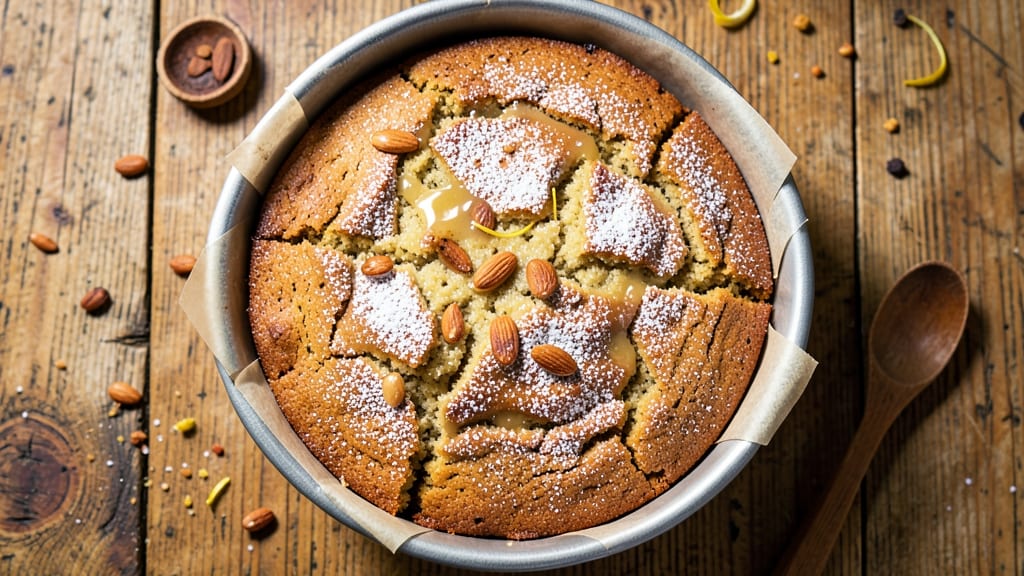
This almond polenta cake recipe delivers the perfect balance of nutty crunch and tender moisture—ideal for brunch or dessert lovers. The polenta adds a subtle earthiness that pairs beautifully with almond flour, creating a cake that's rich yet light.
What makes it special is how the almonds stay crispy while the crumb remains velvety, thanks to a simple technique that keeps the texture just right.
The recipe starts with a dry mix of almond flour, polenta, and leavening agents, then incorporates wet ingredients like eggs and milk for structure and moisture. Baking at a steady 350°F ensures even cooking without drying out the cake.
The result is a golden, fragrant cake with a satisfying crunch from toasted almonds and a moist, tender interior that melts in your mouth.
This vegetarian-friendly cake is perfect for occasions where you want something elegant yet approachable. A light dusting of powdered sugar or a drizzle of honey glaze elevates it further, making it feel like a bakery creation.
The almond flavor shines without overpowering, and the polenta gives it a unique texture that sets it apart from traditional cakes.
Whether you're serving it warm with whipped cream or at room temperature with fresh berries, this cake is sure to impress. The recipe scales easily for gatherings, and leftovers stay moist for days when stored properly. Let's get baking!
Ingredients for almond polenta cake
Eight ingredients transform into a cake with nutty crunch and velvety texture—perfect for brunch or dessert.
| Ingredient | Amount | Notes |
|---|---|---|
| Almond Flour 🥜 | 2 ½ cups | Finely ground, unsweetened preferred |
| Polenta (Cornmeal) 🌽 | 1 cup | Fine grind for smooth texture |
| Granulated Sugar 🍚 | 1 cup | White or light brown preferred |
| Light Brown Sugar 🍚 | ½ cup | Packed lightly for moisture |
| Large Eggs 🥚 | 3 whole | Room temperature for even mixing |
| Unsweetened Almond Milk 🥛 | 1 ½ cups | Vanilla almond milk works too |
| Melted Unsalted Butter 🧈 | ¾ cup | Cooled slightly before mixing |
| Vanilla Extract 🌿 | 2 tsp | Pure vanilla for best flavor |
| Baking Powder 🍞 | 2 tsp | Freshly opened for lift |
| Salt 🧂 | ½ tsp | Fine sea salt preferred |
| Toasted Sliced Almonds 🥜 | 1 cup | Lightly toasted for crunch |
| Powdered Sugar 🍚 | ¼ cup | For dusting finished cake |
| Unsalted Butter (for greasing) 🧈 | ¼ cup | Melted for pan preparation |
The almond flour is the heart of this cake—Bob's Red Mill or King Arthur brands work best for fine texture. Polenta adds subtle earthiness, so fine grind cornmeal is key (coarse feels gritty). For the almond milk, Silk or Blue Diamond are reliable choices, but any unsweetened brand works. The eggs should be at room temperature—cold eggs create dense cakes. If you're worried about texture, whisk the eggs vigorously before adding them to the dry mix. Toast the sliced almonds in a dry pan over medium heat for 3-4 minutes until golden—watch closely to avoid burning.
No almond flour? Substitute with 2 cups all-purpose flour plus 1/2 cup ground almonds, but the texture will differ slightly. Swap brown sugar for white if needed, though the molasses in brown sugar adds depth. For a vegan version, replace eggs with 3 flax eggs (3 tbsp ground flaxseed + 9 tbsp water) and use vegan butter. The vanilla extract matters—imitation vanilla lacks the complexity. If you're short on time, vanilla sugar works in a pinch (use 1 tbsp vanilla sugar + 1 tsp water per 1 tsp vanilla extract). The baking powder must be fresh—if your box is older than 6 months, test it first by mixing with water to see if it bubbles.
This cake stays moist for 4-5 days when stored in an airtight container at room temperature. For longer storage, wrap tightly and refrigerate for up to 1 week. Freeze slices for 3 months—thaw at room temperature before serving. To keep the texture perfect, bring the cake to room temperature before slicing. The toasted almonds add crunch, so sprinkle them lightly over the top just before baking. For serving, a dusting of powdered sugar or a drizzle of honey glaze (equal parts powdered sugar and warm water) elevates it beautifully.
Why You'll Love This Recipe
- No Mixer Needed: I swear by this recipe when my hands are full—just whisk eggs, fold in dry ingredients, and pour. The almond flour and polenta blend like magic without a single glitch, and honestly? That’s half the battle won.
- Nutty-Sweet Magic: That combo of almond flour and brown sugar? It’s like dessert and cake had a baby, but make it sophisticated. The polenta adds this subtle, earthy crunch that keeps it interesting—no cloying sweetness here, just pure satisfaction.
- Breakfast or Dessert: Serve it warm with honey and a sprinkle of flaky salt for a brunch star, or dust it with powdered sugar and a dollop of whipped cream for an after-dinner treat. (Yes, even on a Tuesday night.) It’s the chameleon of baked goods—no judgment, just versatility.
- Leftovers? Better.: This cake actually improves the next day. The edges get slightly crispier, the texture more tender, and it’s still effortless to reheat. I’ve sent slices to work in a thermos, and no one’s ever questioned why I packed cake instead of a muffin. (They should’ve.)
Step-by-step instructions for almond polenta cake
Here's the method for a tender, nutty cake with perfect texture every time.
Prepare the Pan and Mix Dry Ingredients
Preheat your oven to 350°F and grease an 8-inch round cake pan generously with the 0.25 cup unsalted butter (for greasing). Line the bottom with parchment paper for easy removal. In a large mixing bowl, whisk together the 2.5 cups almond flour, 1 cup polenta (cornmeal), 2 tsp baking powder, and 0.5 tsp salt until completely combined. The polenta gives this cake its signature tender crumb while the almond flour adds that nutty richness.
I like to sift the dry ingredients through a fine-mesh sieve first to eliminate any lumps. This ensures a smoother batter and even baking. Set the dry mixture aside while you prepare the wet ingredients—this keeps everything organized and prevents cross-contamination.
Combine Wet Ingredients for Smooth Batter
In a separate bowl, whisk together the 1 cup granulated sugar and 0.5 cup light brown sugar until evenly combined. Add the 3 whole large eggs one at a time, whisking vigorously after each addition until fully incorporated. The brown sugar adds moisture while the granulated sugar helps create that perfect cake structure.
Next, stir in the 1.5 cups unsweetened almond milk and 0.75 cup melted unsalted butter (cooled slightly) until smooth. Add the 2 tsp vanilla extract and mix well. The melted butter should be just slightly warm to the touch—if it's too hot, it can cook the eggs before they're incorporated. The almond milk keeps this cake moist without making it dense.
Fold in Dry Ingredients and Almonds
Gradually add the dry ingredients to the wet mixture, folding gently with a spatula until just combined. Be careful not to overmix—the goal is to maintain a light, airy texture. Once combined, fold in ½ cup of the 1 cup toasted sliced almonds, reserving the remaining ½ cup for the topping. The almonds add texture contrast and enhance that nutty flavor profile throughout.
Here's where it gets interesting: the batter will be thick but pourable. If it seems too thick, add 1-2 tablespoons of additional almond milk to achieve a smooth consistency. Pour the batter into your prepared cake pan and spread it evenly. Sprinkle the remaining ½ cup toasted sliced almonds evenly over the top for that beautiful crunchy finish.
Bake Until Golden and Springy
Bake the cake in the preheated oven for 40-45 minutes, or until a toothpick inserted into the center comes out clean and the edges are golden brown. The top should look set but still slightly moist—this indicates perfect doneness. I find that checking at the 35-minute mark works best, as ovens vary in temperature accuracy.
Don't open the oven door during baking—this causes temperature fluctuations that can lead to a sunken center. When the cake is done, transfer it to a wire rack and let it cool in the pan for 10 minutes. This brief resting period helps the cake set before you remove it from the pan.
Dust with Powdered Sugar and Serve
Once the cake has cooled for 10 minutes, run a knife around the edges to loosen it from the pan. Carefully invert the cake onto the wire rack and peel away the parchment paper. Dust the top generously with 0.25 cup powdered sugar using a fine-mesh sieve for an elegant finish. The powdered sugar adds a touch of sweetness that complements the nutty flavors.
Serve the cake at room temperature for the best texture. Each slice should reveal a tender crumb with pockets of moistness and those delightful almond bits throughout. The contrast between the silky cake and the crunchy almonds makes this cake truly special—perfect for brunch or dessert with a cup of tea.
Pro Tips For Making Almond Polenta Cake
- Sift the Polenta: I learned this the hard way—skipping the sift for polenta (cornmeal) leaves your cake dense and crumbly. Use a fine-mesh strainer to break up any clumps, then whisk it into the dry ingredients. Trust me, your texture will thank you.
- Whisk Eggs Cold: Warm eggs straight from the fridge won’t emulsify as well, and your cake might end up greasy or uneven. Crack them into a chilled bowl, then whisk vigorously until the yolks and whites are fully combined—about 2 minutes. This keeps the batter smooth and prevents a gummy center.
- Don’t Overmix Wet Ingredients: After burning three batches, I finally figured out that blending the wet ingredients (eggs, sugars, melted butter) for more than 30 seconds introduces too much air. The result? A cake that collapses in the middle. Stir just until the sugar dissolves—no need to go full speed.
- Bake at 325°F: Sounds weird, but it works: Your grandmother was right about lower-and-slower for this cake. Baking at 325°F (not 350°F) ensures even cooking without a burnt top or a raw center. Insert a toothpick at 40 minutes—it should come out with a few moist crumbs, not wet batter.
Perfect pairings for almond polenta cake
Creamy Pairings
Whipped mascarpone or vanilla bean mascarpone adds a luxurious contrast to the cake's nutty crunch. I like to dollop it on each slice and drizzle with honey glaze (mix ½ cup powdered sugar with 2 tbsp warm water and 1 tsp vanilla extract) for a silky-sweet finish.
The acidity of the honey balances the richness beautifully. 🥄
Fruit Complements
Fresh berries like raspberries or blackberries provide a bright, tangy contrast to the cake's warmth. Arrange them in a circular pattern on top or serve them on the side. For a tropical twist, try mango slices or passion fruit pulp—their citrus notes cut through the almond richness.
I often serve this cake with a small bowl of mixed berries for guests to add as they please.
Warm Spiced Drinks
A cup of chai tea or spiced apple cider complements the cake's nutty flavors perfectly. The cinnamon and cardamom in chai enhance the almond notes, while the warmth of cider creates a cozy pairing.
For coffee lovers, a cortado with its velvety texture and light roast balances the cake's richness without overpowering it.
Chocolate Drizzle
Melt 2 oz dark chocolate (70% cocoa) with 1 tbsp coconut oil over a double boiler, then drizzle over slices just before serving. The bitterness of dark chocolate contrasts beautifully with the cake's sweetness.
For extra decadence, sprinkle with flaky sea salt to highlight the chocolate's depth. This works especially well for dessert presentations.
Citrus Zest Garnish
A sprinkle of lemon or orange zest adds a refreshing pop of flavor and vibrant color. I like to zest 1 lemon and mix it with the powdered sugar before dusting the cake.
The citrus brightens the almond flavor while adding a subtle tang. For a more pronounced effect, serve with a small glass of sparkling lemonade on the side.
Nutrition facts
Frequently asked questions
Why does this cake use both almond flour and polenta?
The almond flour gives the cake its signature nutty flavor and rich texture, while the polenta adds a subtle earthiness and tender crumb that keeps it moist. Together, they create a perfect balance of crunch and softness that sets this cake apart from traditional recipes. The polenta also helps bind the ingredients without making the cake dense.
Can I make this cake without almond flour?
Yes, but the texture and flavor will change. Replace the almond flour with a mix of 2 cups all-purpose flour and ½ cup ground almonds for a similar nutty taste. For a gluten-free option, use a 1:1 gluten-free flour blend and add ½ cup cornstarch to match the polenta's binding properties. The cake will still be delicious but may lack the signature almond richness.
How do I prevent the cake from cracking on top?
Cracking often happens when the cake bakes too quickly or the oven is too hot. To avoid this, ensure your oven is fully preheated to 350°F and place the cake pan on the middle rack. Avoid opening the oven door during the first 30 minutes of baking. If your oven runs hot, reduce the temperature to 325°F and increase baking time by 5-10 minutes. A water bath can also help—place the cake pan in a larger pan filled with 1 inch of hot water before baking.
Is this cake gluten-free?
This recipe is naturally gluten-free because it uses almond flour and polenta instead of wheat flour. However, always double-check your almond flour and polenta labels to ensure they're certified gluten-free, as some brands may process ingredients in facilities that handle gluten. The cake's texture remains light and tender even without gluten, thanks to the combination of almond flour and polenta.
Can I bake this cake in a different-sized pan?
Yes, but you'll need to adjust the baking time. For a 9-inch round pan, reduce the oven temperature to 325°F and bake for 35-40 minutes. For a square or rectangular pan (8x8 inches), bake at 350°F for 30-35 minutes. If using a different pan, check for doneness with a toothpick—it should come out clean when fully baked. Always grease the pan well to prevent sticking.