
Desserts
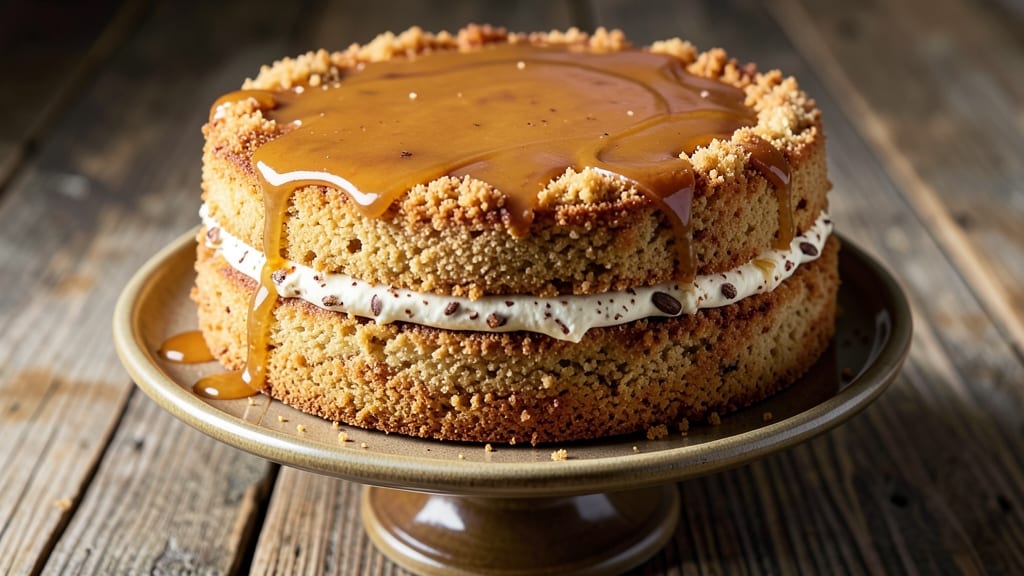
This almond flour spice cake delivers a moist crumb and warm cinnamon notes that make every slice feel like a cozy hug. The secret lies in blending almond flour’s natural richness with spices like cinnamon and nutmeg, creating a tender texture that’s anything but dry.
I’ve perfected this recipe over years of baking, ensuring it stays moist without needing extra fat or oil.
The beauty of almond flour is its ability to absorb moisture while adding a subtle nutty depth, and the spices—cinnamon, cardamom, and ginger—infuse warmth that lingers with every bite. Unlike traditional flour-based cakes, this version is naturally gluten-free and holds its shape beautifully.
The cake’s golden-brown top and fragrant aroma will have your kitchen smelling like a holiday bakery.
What sets this recipe apart is its foolproof technique: a simple mix of wet and dry ingredients, folded together just enough to maintain airiness. Baking at the right temperature ensures even cooking, while a quick glaze (optional) adds that restaurant-quality shine.
Perfect for breakfast, dessert, or gifting, this cake is versatile enough for any occasion.
Whether you’re accommodating dietary needs or simply craving a rich, spiced treat, this recipe delivers. The instructions are straightforward, and the result—moist, fragrant, and satisfyingly dense—speaks for itself. Let’s get baking!
Ingredients for almond flour spice cake
Eight ingredients blend almond flour’s richness with warm spices for a naturally moist, gluten-free cake.
| Ingredient | Amount | Notes |
|---|---|---|
| Almond Flour 🌰 | 2 ½ cups | Finely ground, unsweetened preferred |
| All-Purpose Flour 🌾 | ½ cup | For structural balance |
| Granulated Sugar 🍚 | 1 ¼ cups | Light brown sugar for depth |
| Unsalted Butter 🧈 | 1 cup | Cold, cubed for even mixing |
| Large Eggs 🥚 | 3 whole | Room temperature for blending |
| Vanilla Extract 🌸 | 1 tbsp | Pure Madagascar preferred |
| Ground Cinnamon 🌶️ | 2 tsp | Ceylon for subtle warmth |
| Ground Nutmeg 🌿 | ½ tsp | Freshly grated preferred |
| Ground Cardamom 🌿 | ½ tsp | True cardamom pods preferred |
| Ground Ginger 🌶️ | 1 tsp | Freshly ground for brightness |
| Baking Powder 🧂 | 1 ½ tsp | Aluminum-free for purity |
| Salt 🧂 | ½ tsp | Fine sea salt preferred |
| Almond Milk 🥛 | ¾ cup | Unsweetened, for moisture |
| Powdered Sugar 🍚 | ¼ cup | Optional glaze ingredient |
| Lemon Zest 🍋 | 1 tbsp | Fresh, for brightness |
The almond flour is non-negotiable here—Bob’s Red Mill or Anthony’s Goods brands deliver consistent texture. For the spices, Penzeys offers true cardamom and Ceylon cinnamon, but any high-quality grocery store option works. The butter should be cold when creamed with sugar to maintain air pockets. Almond milk adds moisture without overpowering the nutty base, though any unsweetened plant milk suffices. Freshly grated nutmeg and cardamom elevate the spice profile significantly compared to pre-ground options.
No almond flour? Substitute with 2 cups finely ground blanched almonds, but texture will differ slightly. Brown sugar can be swapped for white, though the cake will be less moist. For dairy-free needs, coconut oil replaces butter at a 1:1 ratio, though texture becomes denser. Pre-ground spices lose potency quickly—if your cardamom smells stale, toast whole pods before grinding. The baking powder must be fresh; old powder produces flat cakes. Lemon zest can be omitted if unavailable, but the brightness is worth the effort.
Store baked cakes airtight at room temperature for 3-4 days or refrigerated for 1 week. For longer storage, freeze slices wrapped in parchment for 3 months. The glaze, if used, should be applied immediately after cooling to prevent crystallization. This cake reheats beautifully—30 seconds at 300°F restores moisture without drying. Portion before freezing to maintain freshness upon thawing.
Why You'll Love This Recipe
- No Mixer Needed: The almond flour cuts the fuss—just whisk the eggs, fold in the dry ingredients, and pour. No standing over a hot mixer, no extra bowls. Honestly, it’s the kind of recipe that lets you chat with someone while you bake.
- Rich Without Overpowering: That butter-egg combo? Pure comfort. But the almond flour keeps it from being heavy—like a cross between a classic pound cake and a light, nutty treat. The sugar caramelizes just enough to make every slice taste like a little reward.
- Weeknight or Celebration: Same batter, endless uses. Bake it for breakfast with a dusting of cinnamon, or serve it chilled with whipped cream for a last-minute dessert. I’ve even used it as a base for a spiced coffee cake—works every time.
- Leftover Gold: This cake stays moist for days (yes, even with almond flour). Slice it thin for toast with jam, crumble it over yogurt, or stash it in the freezer for a 2-minute breakfast. Between us, the second day is often the best.
Step-by-step instructions for almond flour spice cake
Master the technique for a perfectly moist almond flour cake with aromatic spices and tender crumb.
Cream Butter and Sugars for Maximum Moisture
In a stand mixer fitted with the paddle attachment, beat the 1 cup unsalted butter (cold, cubed) with 1.25 cups granulated sugar on medium speed for 3-4 minutes. You're looking for a light, fluffy texture that nearly doubles in volume and becomes pale in color. This creaming process incorporates air, which creates that signature tender crumb in almond flour cakes.
I press down on the butter occasionally to ensure even distribution of the sugar crystals. The reason we use cold butter is that it emulsifies better with the sugars, creating a stable base for the cake structure. If the mixture looks too thick, that's normal—it will lighten as you add the eggs.
Incorporate Eggs and Spiced Dry Ingredients
Add the 3 whole large eggs one at a time, mixing on low speed for 30 seconds after each addition until fully incorporated. Then add the 1 tbsp vanilla extract and mix for another 10 seconds. The eggs should blend smoothly without breaking.
In a separate bowl, whisk together the 2.5 cups almond flour, 0.5 cup all-purpose flour, 2 tsp ground cinnamon, 0.5 tsp ground nutmeg, 0.5 tsp ground cardamom, 1 tsp ground ginger, 1.5 tsp baking powder, and 0.5 tsp salt. Sift this mixture directly into the wet ingredients while mixing on low speed—this prevents gluten development and ensures an even distribution of spices throughout the batter.
Fold in Wet Ingredients for Perfect Texture
Remove the bowl from the mixer and gently fold in the 0.75 cup almond milk and 1 tbsp lemon zest using a silicone spatula. The batter should be thick but pourable—similar to heavy pudding. I like to scrape the bottom and sides of the bowl to ensure all the dry ingredients are fully incorporated.
Here's the thing—almond flour batters can be tricky. If the batter looks too thick, don't panic. The cake will still rise properly as long as you don't overmix. The lemon zest adds brightness that cuts through the richness of the almond flour and butter, while the almond milk provides just enough moisture without making the cake dense.
Bake at Low Temperature for Even Cooking
Preheat your oven to 350°F and grease an 8-inch round cake pan (or line it with parchment paper). Pour the batter into the prepared pan and smooth the top with a spatula. Bake for 40-45 minutes until a toothpick inserted in the center comes out clean and the top springs back when pressed gently.
I've found that baking at this lower temperature prevents the exterior from setting too quickly while the center cooks. The cake should have a slightly domed top with a golden hue—this indicates proper browning without burning. If the edges brown too quickly, tent the cake with foil after 20 minutes to prevent over-browning while the center finishes cooking.
Cool and Glaze for Professional Finish
Remove the cake from the oven and let it cool in the pan for 10 minutes. Then transfer it to a wire rack to cool completely. While the cake cools, prepare the optional glaze by whisking together the 0.25 cup powdered sugar with 1-2 tablespoons almond milk until smooth.
Once the cake is completely cool, drizzle the glaze evenly over the top. The cake should have a moist crumb that's tender but holds its shape, with warm cinnamon and cardamom notes throughout. If you prefer a less sweet cake, you can omit the glaze entirely—the natural sweetness of the almond flour and spices shines through beautifully on its own.
Pro Tips For Making Almond Flour Spice Cake
- Mix Butter and Sugar First: I learned this the hard way—skipping the butter-sugar creaming means your cake will be dense and dry. Beat the softened butter and sugar until light and fluffy (about 3-5 minutes), and resist the urge to rush. That’s when the air gets incorporated, making the texture tender.
- Weigh Your Almond Flour: Scooping almond flour by volume is a disaster—it packs differently every time. Use a kitchen scale for accuracy; 1 cup of almond flour weighs roughly 100g, but don’t assume. Overpacking makes the cake heavy, and undermeasuring leaves it dry. (Yes, even if you’re impatient like me.)
- Don’t Overmix the Batter: Once you fold in the dry ingredients, stop mixing the second everything’s just combined. Overmixing develops gluten in the all-purpose flour, turning your cake into a tough, chewy brick. A few lumps are fine—this isn’t pancake batter.
- Bake Until the Center Holds: Your cake might look done at 325°F (160°C), but pull it out when the center springs back slowly when pressed—not instantly. If it’s underbaked, the almond flour will stay gummy; if overbaked, it’ll dry out. A toothpick with one moist crumb is perfect. (Your future self will thank you.)
Storing and reheating this recipe
Room Temperature Storage
Let your almond flour spice cake cool completely before storing it at room temperature. Wrap the cake tightly in plastic wrap or place it in an airtight container with a paper towel on top to absorb any excess moisture.
This keeps the cake fresh for 3-4 days while maintaining its moist texture. I always store mine in a glass container—it’s easy to see when the cake is ready to eat! 🌰
Refrigerator Freshness
For longer storage, refrigerate the cake in an airtight container for up to 1 week. The cold temperature helps preserve moisture, but the cake may dry out slightly over time.
To revive it, wrap a slice in a damp paper towel and microwave for 10-15 seconds at 50% power. This works especially well for slices you plan to serve later in the week. 💡
Freezing for Later
Slice the cake before freezing to maintain freshness. Wrap each slice individually in parchment paper, then place them in a freezer-safe bag with all the air squeezed out. This prevents freezer burn and keeps the cake tasting fresh for up to 3 months.
When ready to eat, thaw slices at room temperature for 1-2 hours or microwave for 20 seconds to restore moisture. 🧊
Reheating Perfection
For the best texture, reheat slices in a 350°F oven for 5-7 minutes or until warmed through. This method gently revives the cake’s moisture without over-drying it.
If you’re short on time, a 400°F oven for 3-4 minutes works in a pinch. Avoid the microwave unless absolutely necessary—it can make the cake rubbery. 🔥
Glaze Preservation
If you used the powdered sugar glaze, apply it right after cooling to prevent crystallization. Store glazed cakes in the refrigerator (not room temperature) to keep the glaze from melting or sticking.
Re-glaze slices before serving if needed—just whisk a little almond milk with 1 tbsp powdered sugar and drizzle lightly. This adds that restaurant-quality finish every time! ✨
Nutrition facts
Frequently asked questions
Why does my almond flour spice cake turn out dense?
Almond flour absorbs moisture differently than regular flour, so overmixing or insufficient liquid can cause density. Use the full 0.75 cup almond milk and fold gently—don't overbeat after adding dry ingredients. Also, ensure your almond flour is finely ground (not coarse) and your butter is cold when creaming.
Can I make this recipe without eggs?
Yes! Replace each egg with 1 tbsp ground flaxseed + 3 tbsp water (let sit for 5 minutes to thicken). For best results, also reduce the almond milk by 2 tbsp to maintain structure. The texture will be slightly denser but still moist and flavorful.
How do I adjust the sweetness for kids?
Add 1-2 tbsp extra powdered sugar to the dry ingredients or increase the glaze to 0.5 cup powdered sugar + 3 tbsp almond milk. For a subtler boost, fold in 2 tbsp apricot jam with the wet ingredients—it adds natural sweetness without altering the spice profile.
What's the best way to test for doneness?
Insert a toothpick into the center—it should come out with a few moist crumbs (not wet batter) and the cake should spring back when gently pressed. For almond flour cakes, the top may crack slightly but shouldn't be hard. If unsure, check at 35 minutes—underbaking is better than overbaking.
Can I use this recipe for a layer cake?
Divide the batter evenly between two 8-inch pans and bake as directed. For layers, use 0.5 cup apricot jam or almond butter as filling between chilled layers. Brush with extra glaze or dust with cinnamon sugar for decoration.